How to Say "club" in Spanish
The most common Spanish word for “club” is “club” — use 'club' when referring to a social group, association, or a place for nightlife and dancing.

Use 'club' when referring to a social group, association, or a place for nightlife and dancing.
Learn more →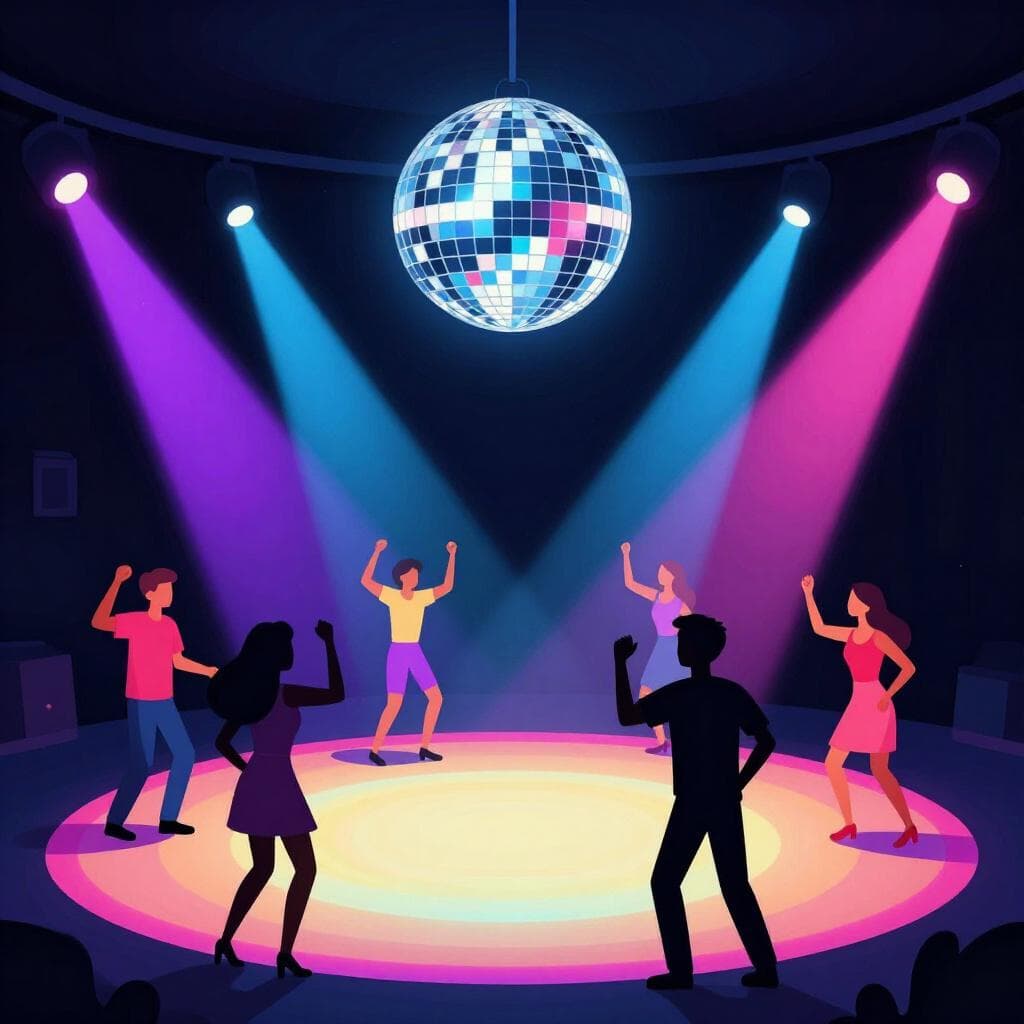
Use 'discoteca' for a general place for nightlife and dancing.
Learn more →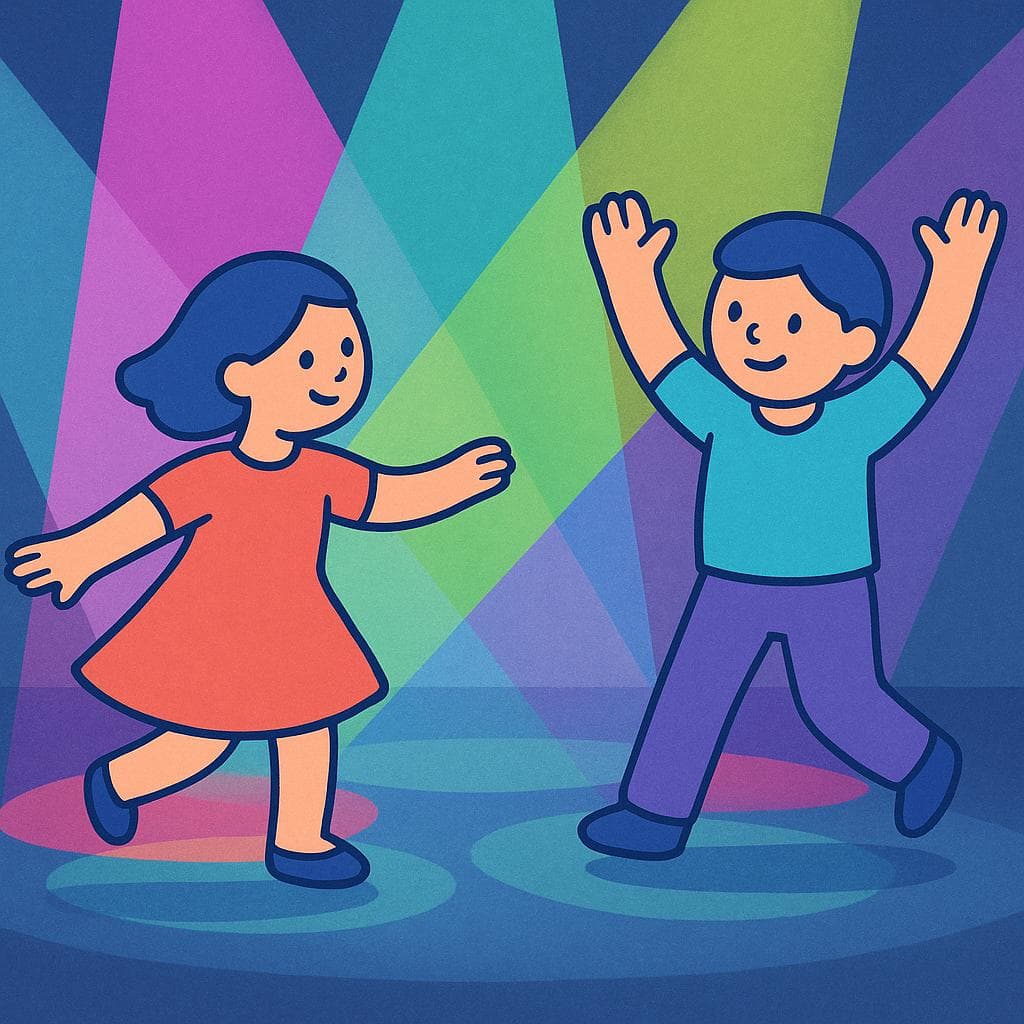
Use 'disco' for a place specifically for dancing, often implying music and a lively atmosphere.
Learn more →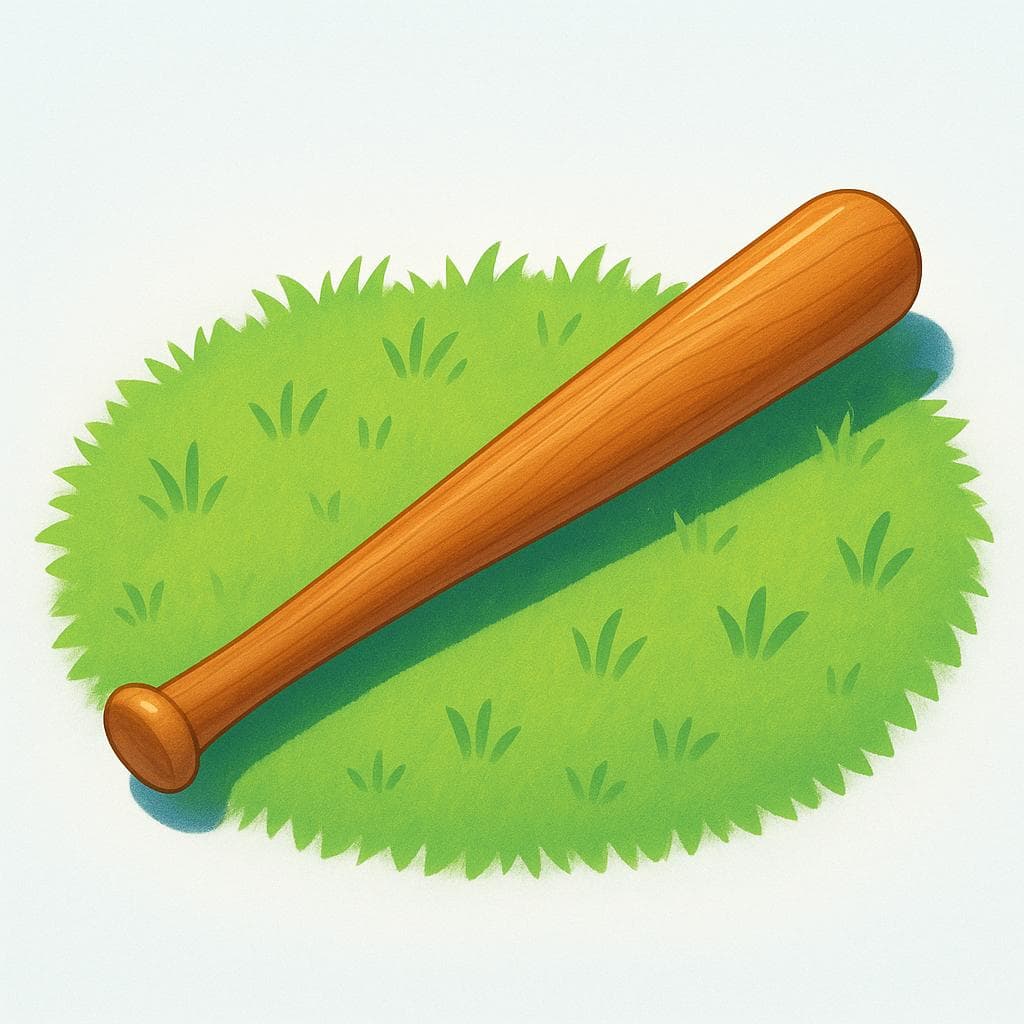
Use 'bate' for a heavy stick used in sports like baseball.
Learn more →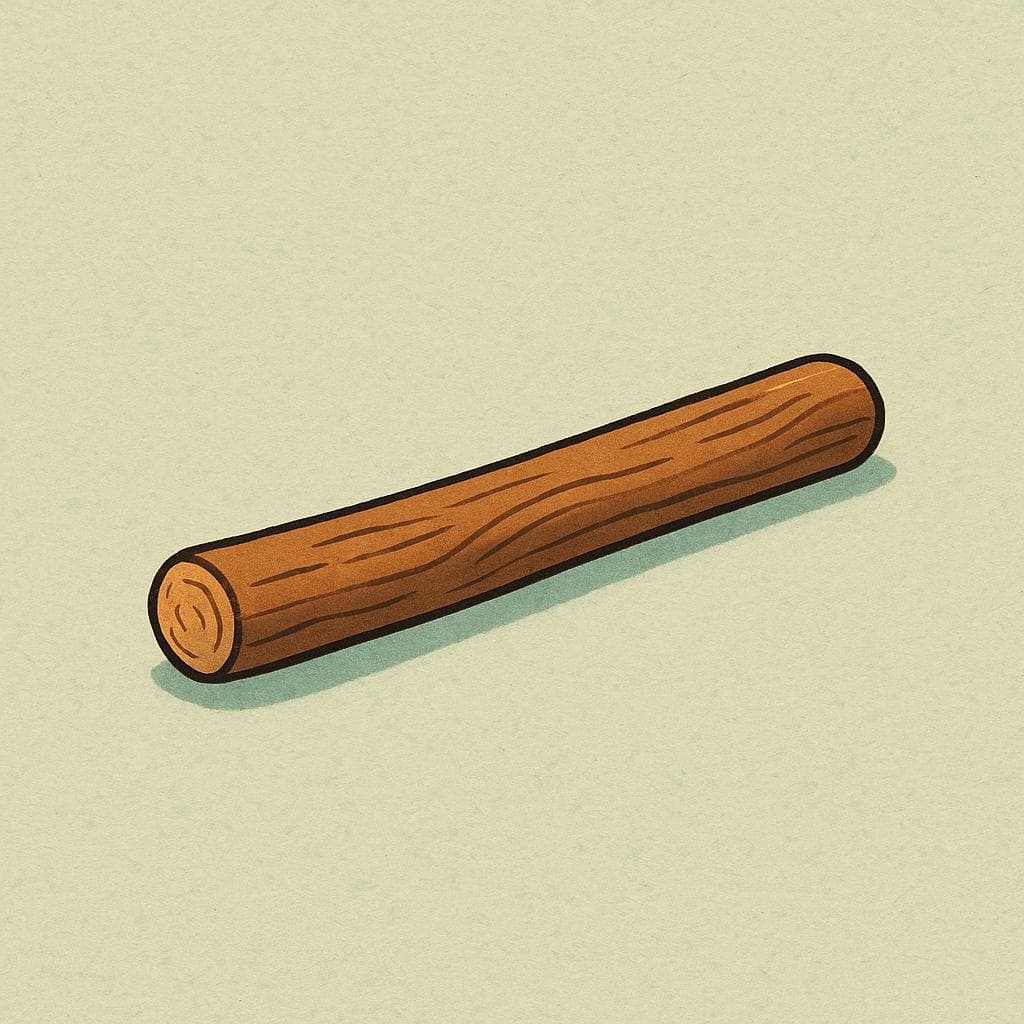
Use 'palo' for a generic heavy stick, often found in nature or used for simple hitting actions.
Learn more →kloobklub

Examples
Me uní a un club de lectura para conocer gente.
I joined a book club to meet people.
Mi hijo juega en el club de fútbol del barrio.
My son plays for the neighborhood soccer club.
El club social organiza eventos todos los meses.
The social club organizes events every month.
Vamos a un club esta noche para bailar.
Let's go to a club tonight to dance.
Making it Plural: 'club' → 'clubes'
Because 'club' ends in a consonant, you add '-es' to make it plural. For example, 'un club' becomes 'dos clubes'.
It's a 'he', not a 'she'
Mistake: “Me gusta la club nueva.”
Correction: Me gusta el club nuevo. Even though it's a word for a group of people, in Spanish 'club' is a masculine word, so you always use 'el' or 'un'.
kloobklub
Examples
Para este golpe, necesitas un club de golf diferente.
For this shot, you need a different golf club.
Me uní a un club de lectura para conocer gente.
I joined a book club to meet people.
Mi hijo juega en el club de fútbol del barrio.
My son plays for the neighborhood soccer club.
El club social organiza eventos todos los meses.
The social club organizes events every month.
Making it Plural: 'club' → 'clubes'
Because 'club' ends in a consonant, you add '-es' to make it plural. For example, 'un club' becomes 'dos clubes'.
It's a 'he', not a 'she'
Mistake: “Me gusta la club nueva.”
Correction: Me gusta el club nuevo. Even though it's a word for a group of people, in Spanish 'club' is a masculine word, so you always use 'el' or 'un'.
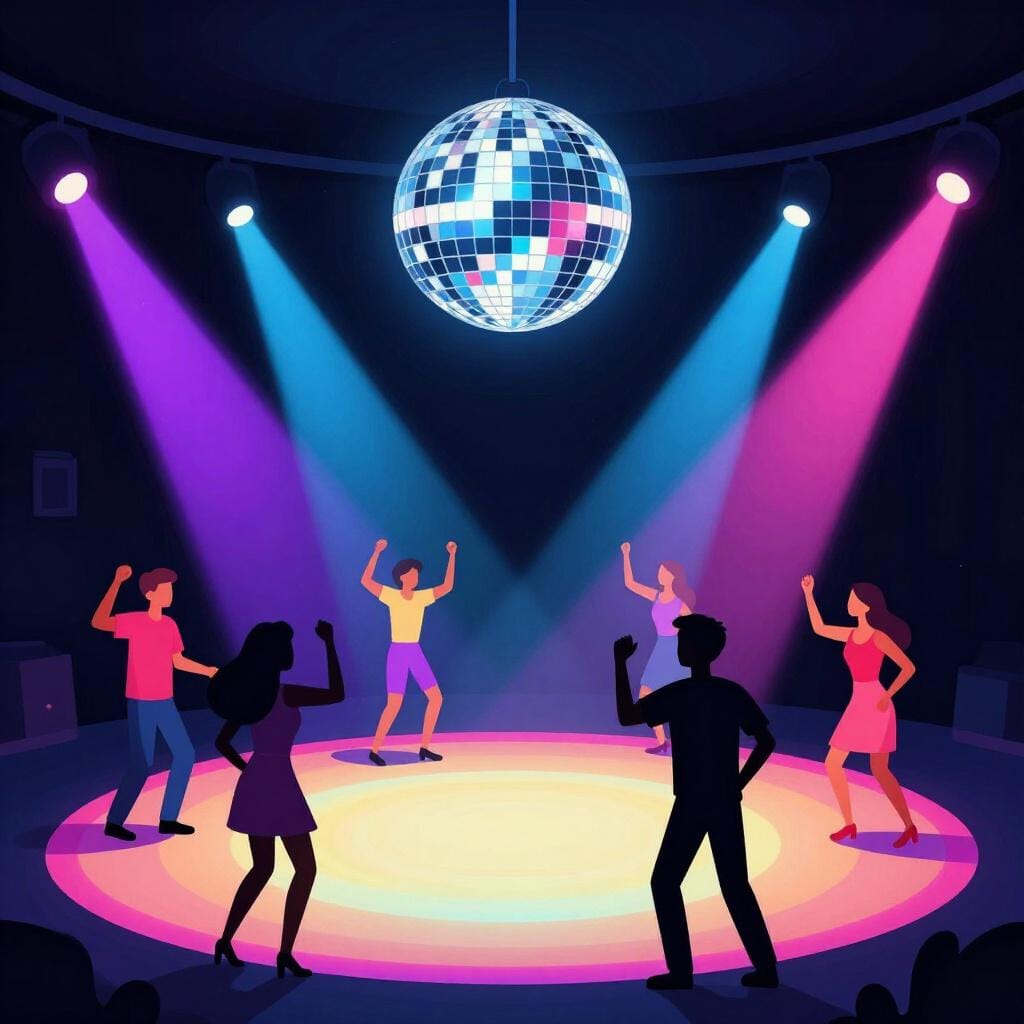
dees-ko-TEH-kahdiskoˈteka
Examples
Vamos a la discoteca esta noche.
We are going to the nightclub tonight.
¿A qué hora cierra la discoteca?
What time does the nightclub close?
La música en esa discoteca está muy fuerte.
The music in that club is very loud.
It's a Feminine Noun
Even though it ends in 'a', it's easy to remember it's feminine. Always use 'la' or 'una' with it: 'la discoteca'.
Using 'A' for Direction
When saying you are going 'to' the club, use 'a la discoteca'. If you are already 'at' the club, use 'en la discoteca'.
Don't just say 'Club'
Mistake: “Voy al club para bailar.”
Correction: Voy a la discoteca para bailar. In Spanish, 'club' can often mean a sports club or a social society, so 'discoteca' is clearer for dancing.
DEES-kohˈdisko
Examples
¿Vamos al disco después de cenar?
Shall we go to the club after dinner?
El disco nuevo tiene música muy alta.
The new nightclub plays very loud music.
Gender Confusion
Mistake: “Using 'la disco' because the longer word 'discoteca' is feminine.”
Correction: Always say 'el disco' when referring to the club, even though it's a shortened form of a feminine word.
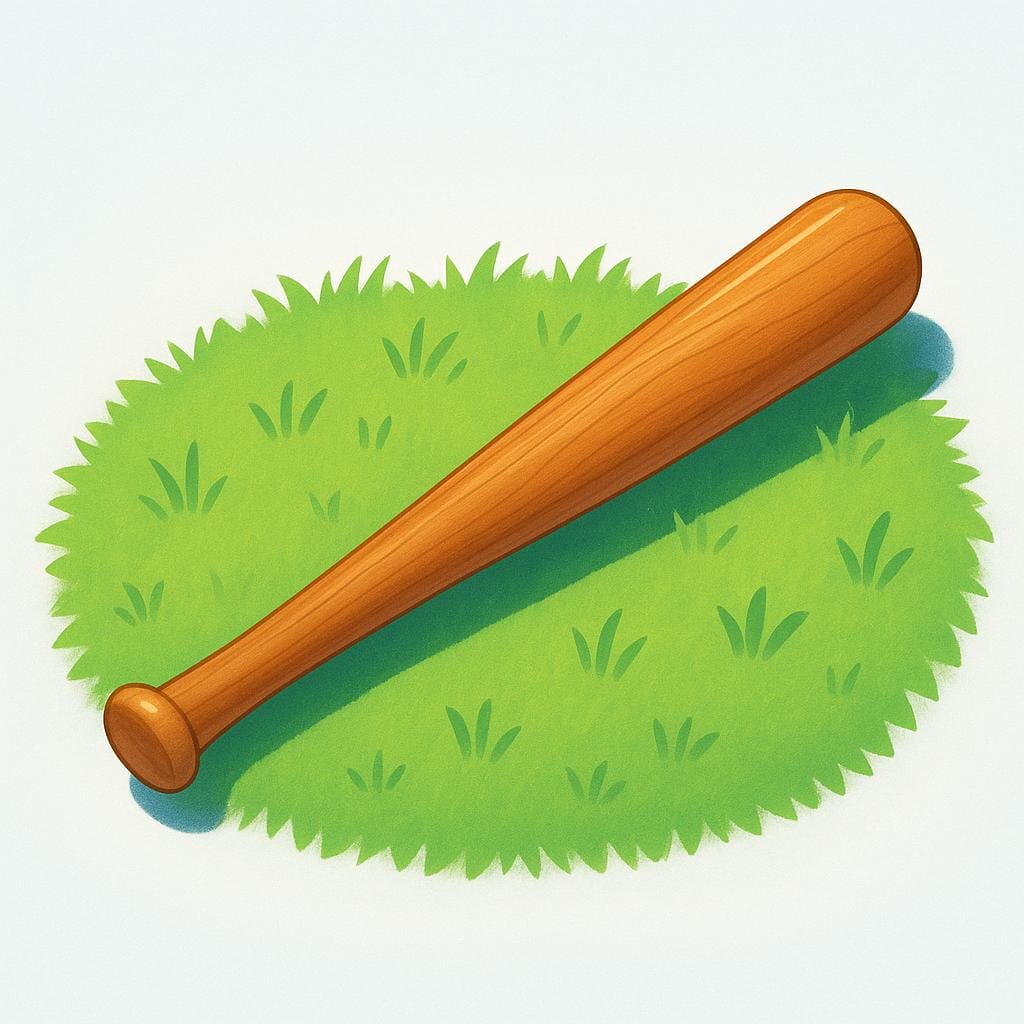
bah-teh'bate
Examples
El jugador de béisbol tomó el bate y se dirigió al plato.
The baseball player took the bat and headed to the plate.
Necesitas un bate fuerte para golpear la pelota lejos.
You need a strong bat to hit the ball far.
Gender Alert
Remember that 'bate' is masculine, so always use 'el bate' or 'un bate'.
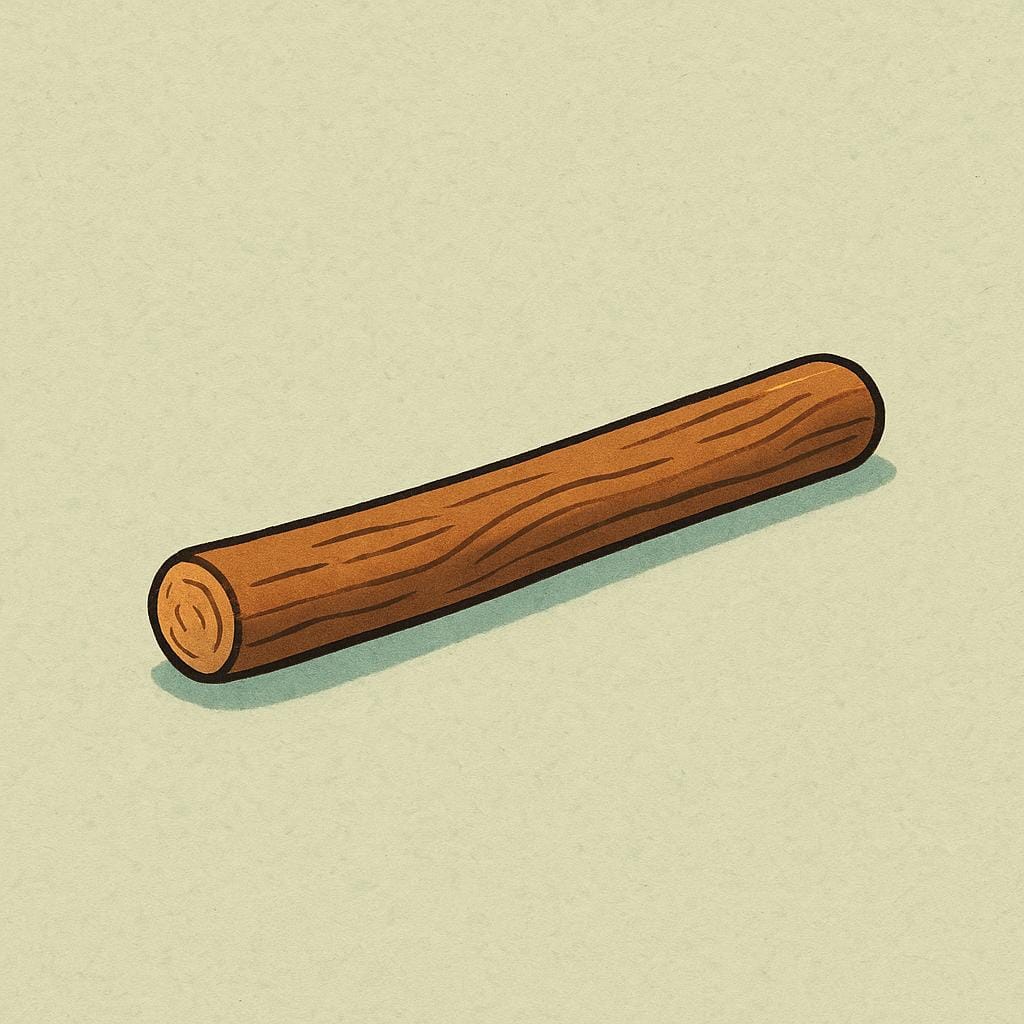
PAH-lohˈpa.lo
Examples
El perro siempre trae un palo grande del parque.
The dog always brings a big stick from the park.
Necesitamos un palo largo para alcanzar esa rama.
We need a long pole to reach that branch.
Gender Reminder
Even though 'palo' ends in -o, remember it is a masculine noun ('el palo').
Club vs. Discoteca/Disco
The most common mistake is using 'club' for nightlife venues when 'discoteca' or 'disco' are more specific and often preferred. While 'club' is understood, 'discoteca' is the most general term for a nightclub, and 'disco' emphasizes the dancing aspect.
Related Translations
Learn Spanish with Inklingo
Interactive stories, personalized learning, and more.