How to Say "blow" in Spanish
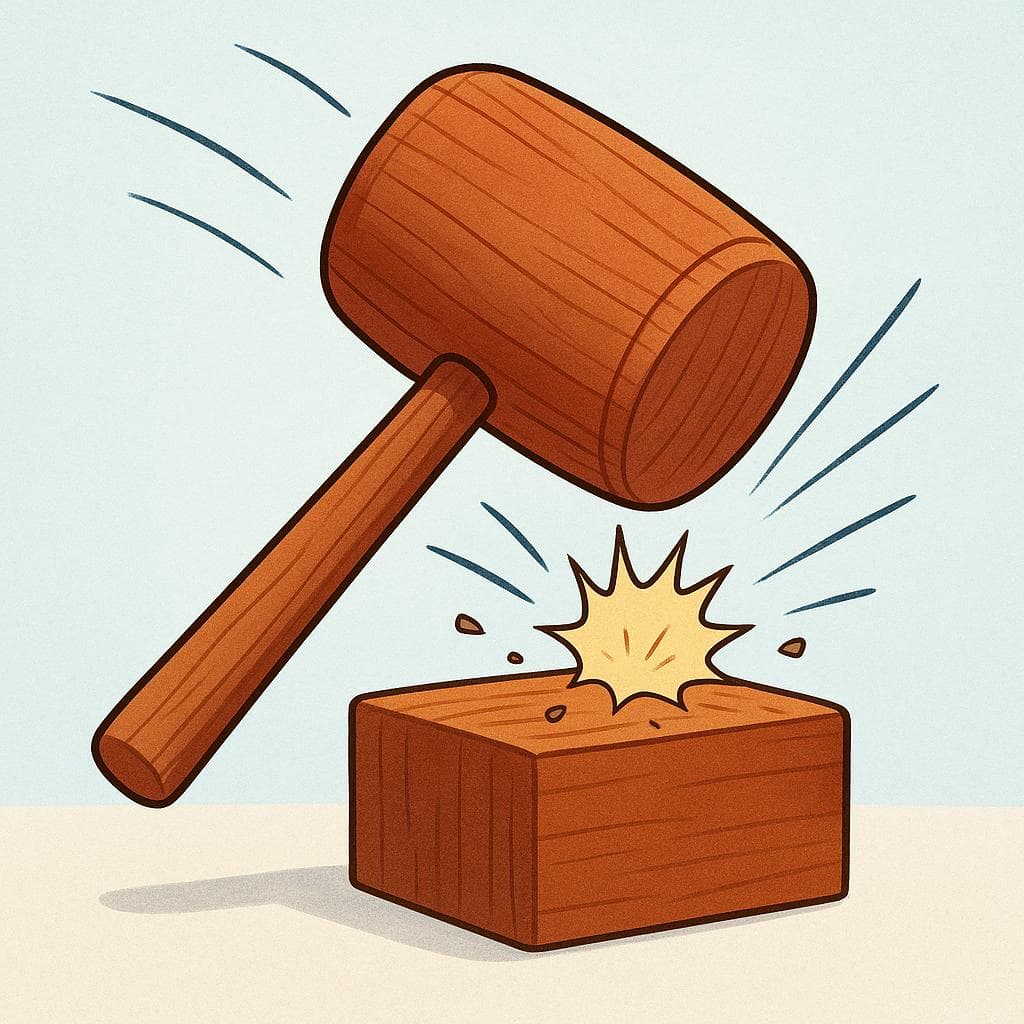
The most common Spanish word for “blow” is “golpe” — use this for any general, forceful physical impact, like being hit by an object or falling.
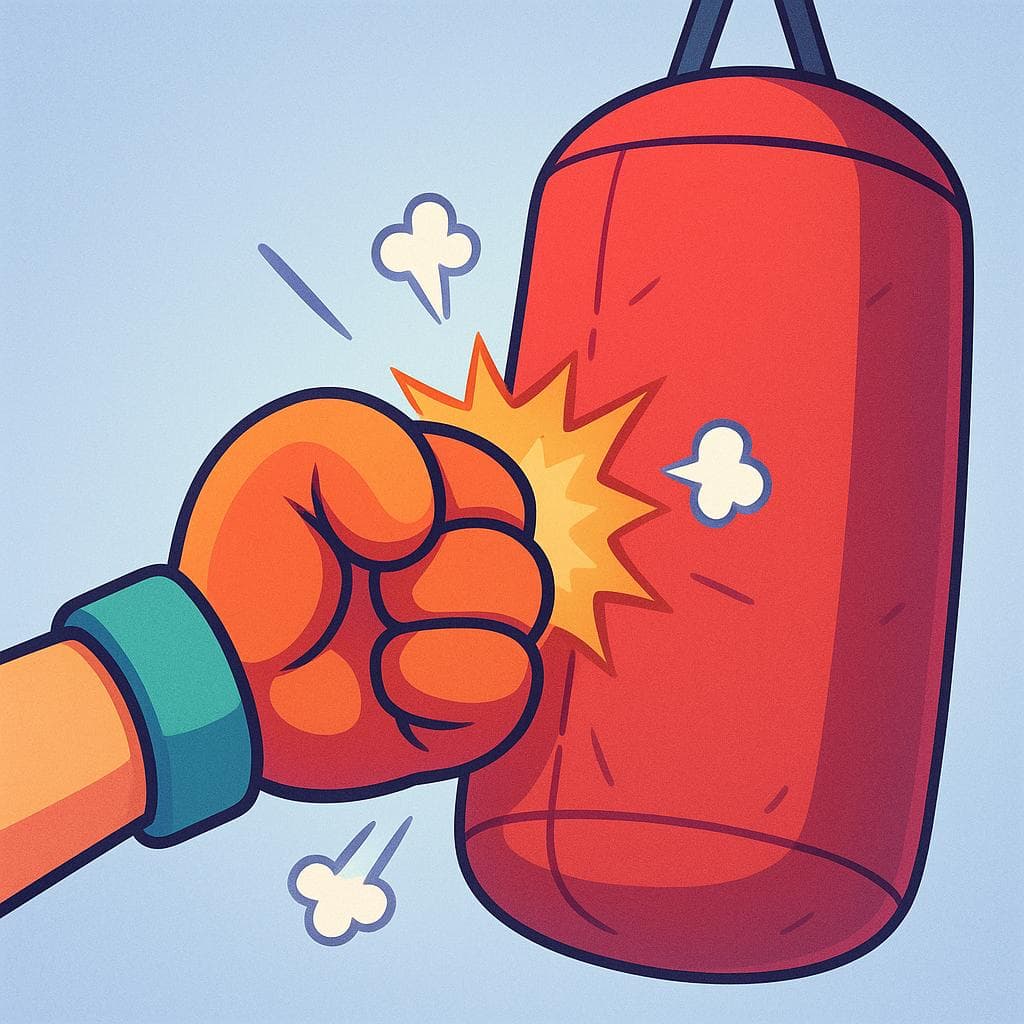
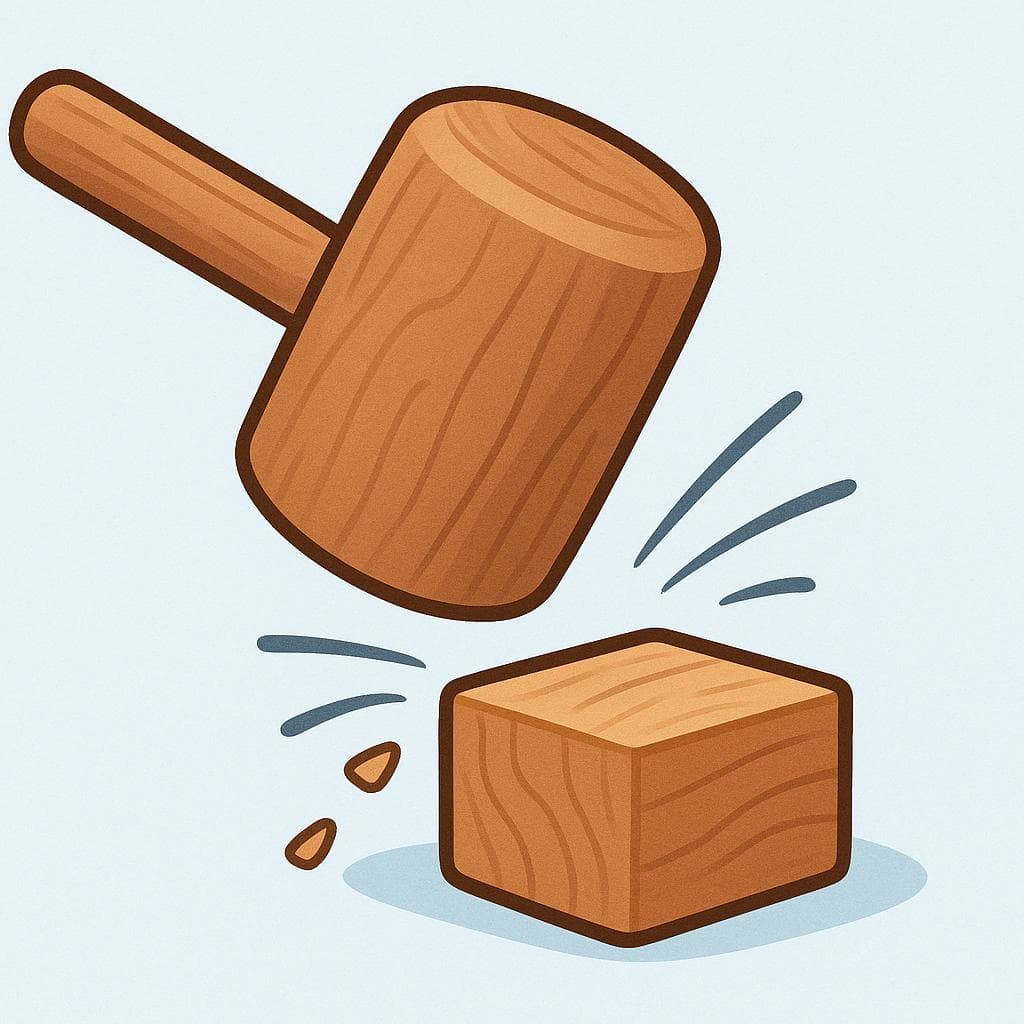
golpe
GOHL-pehˈɡolpe
Examples
Recibió un fuerte golpe en la cabeza al caer.
He received a strong blow to the head when falling.
Oímos un golpe en la puerta y fuimos a abrir.
We heard a knock at the door and went to open it.
La caja se cayó con un gran golpe.
The box fell with a big thump/bang.
Masculine Noun Rule
Even though 'golpe' ends in 'e', it is always a masculine noun, meaning you must use 'el' or 'un' before it (e.g., el golpe, un golpe).
Confusing 'Golpear'
Mistake: “Using 'golpear' (the verb, to hit) instead of the noun 'golpe' when describing the action itself, like saying 'el golpear' for 'a hit'.”
Correction: Use the noun: 'Fue un golpe muy fuerte.' (It was a very strong hit.)
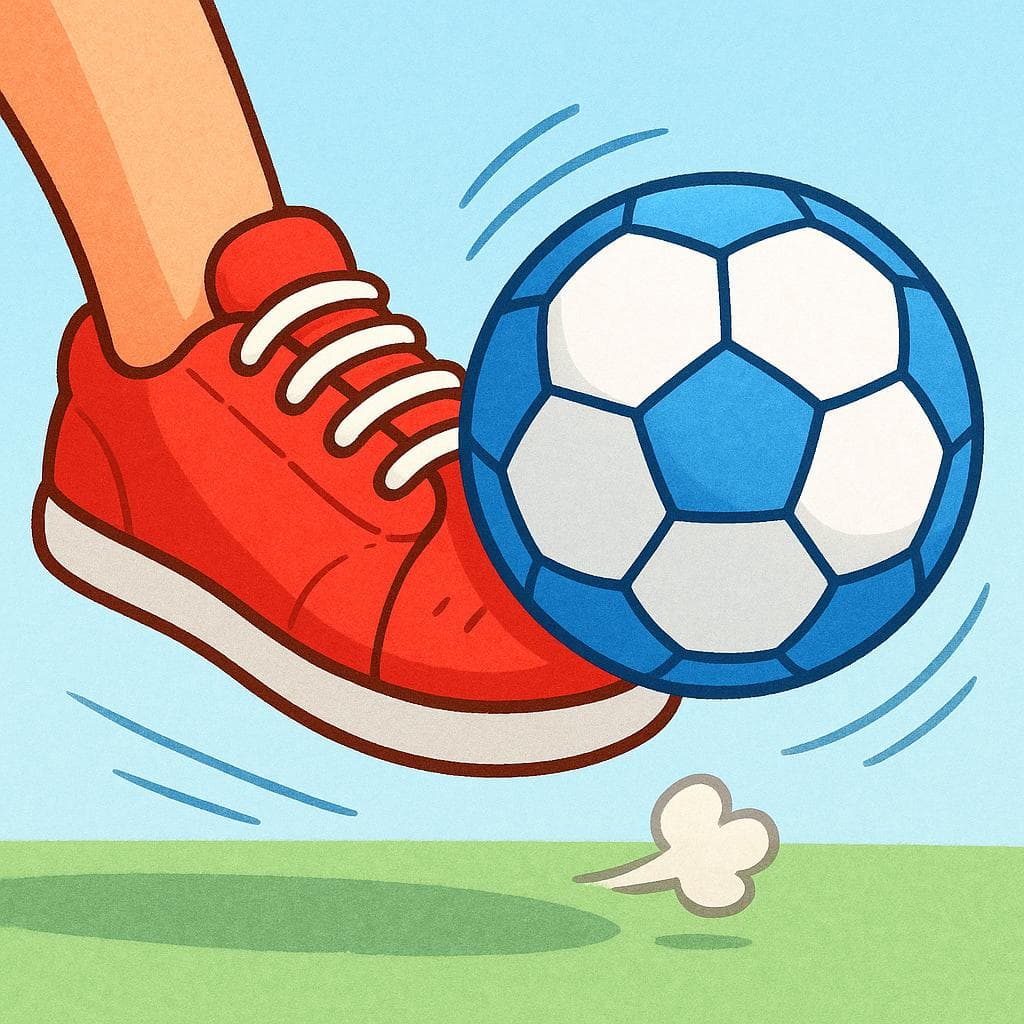
patada
pah-TAH-dahpaˈtaða
Examples
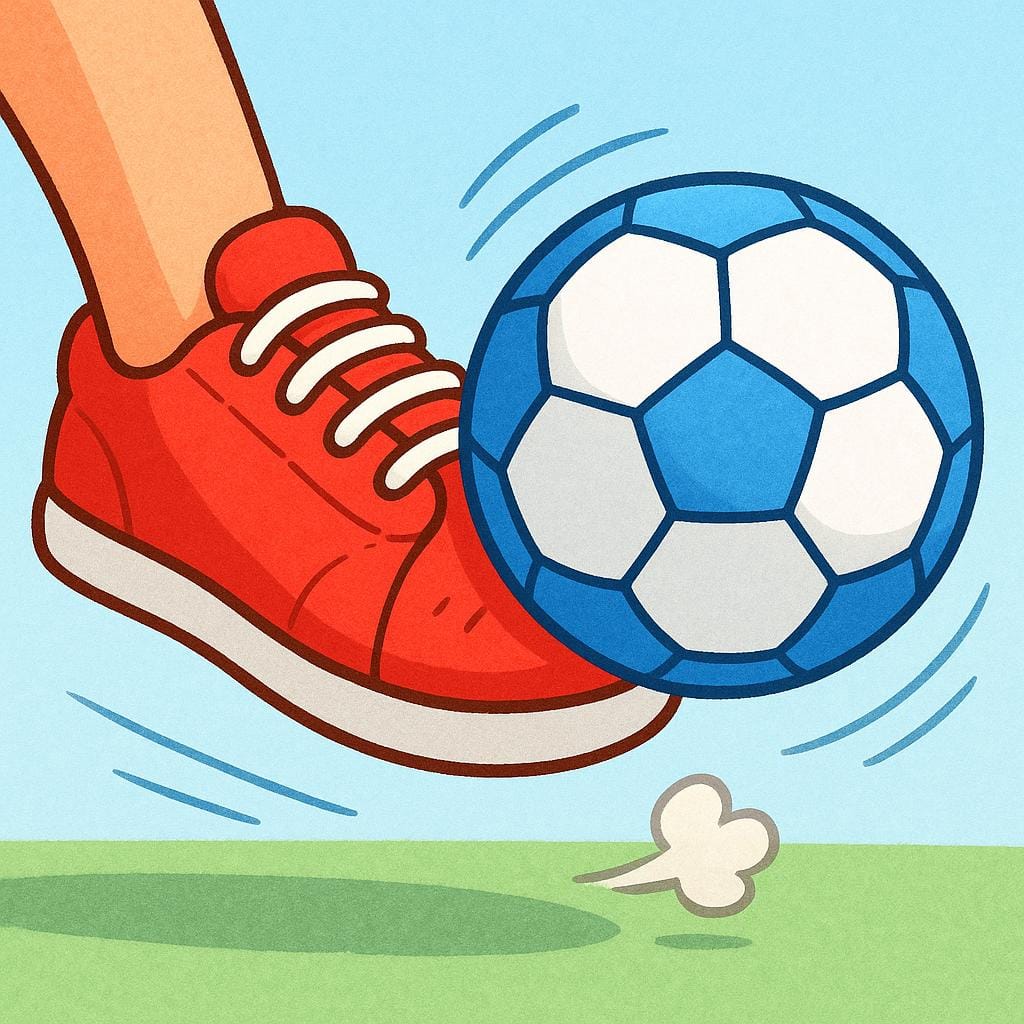
El jugador le dio una patada al balón.
The player gave the ball a kick.
Fue una patada accidental, no quería lastimarlo.
It was an accidental kick; he didn't mean to hurt him.
Intentó abrir la puerta con una patada, pero no funcionó.
He tried to open the door with a kick, but it didn't work.
Using 'Dar'
In Spanish, the action of kicking is usually expressed using the verb 'dar' (to give) plus the noun 'patada': 'dar una patada'. It feels more natural than trying to use the verb 'patear' in many contexts.
Confusing 'Patada' and 'Pata'
Mistake: “Using 'pata' when referring to the action: 'Dio una pata al balón.'”
Correction: Use 'patada' for the action: 'Dio una patada al balón.' Remember 'pata' means 'leg/paw' (usually of an animal or furniture).
galleta
gah-YEH-tahɡaˈʎeta
Examples
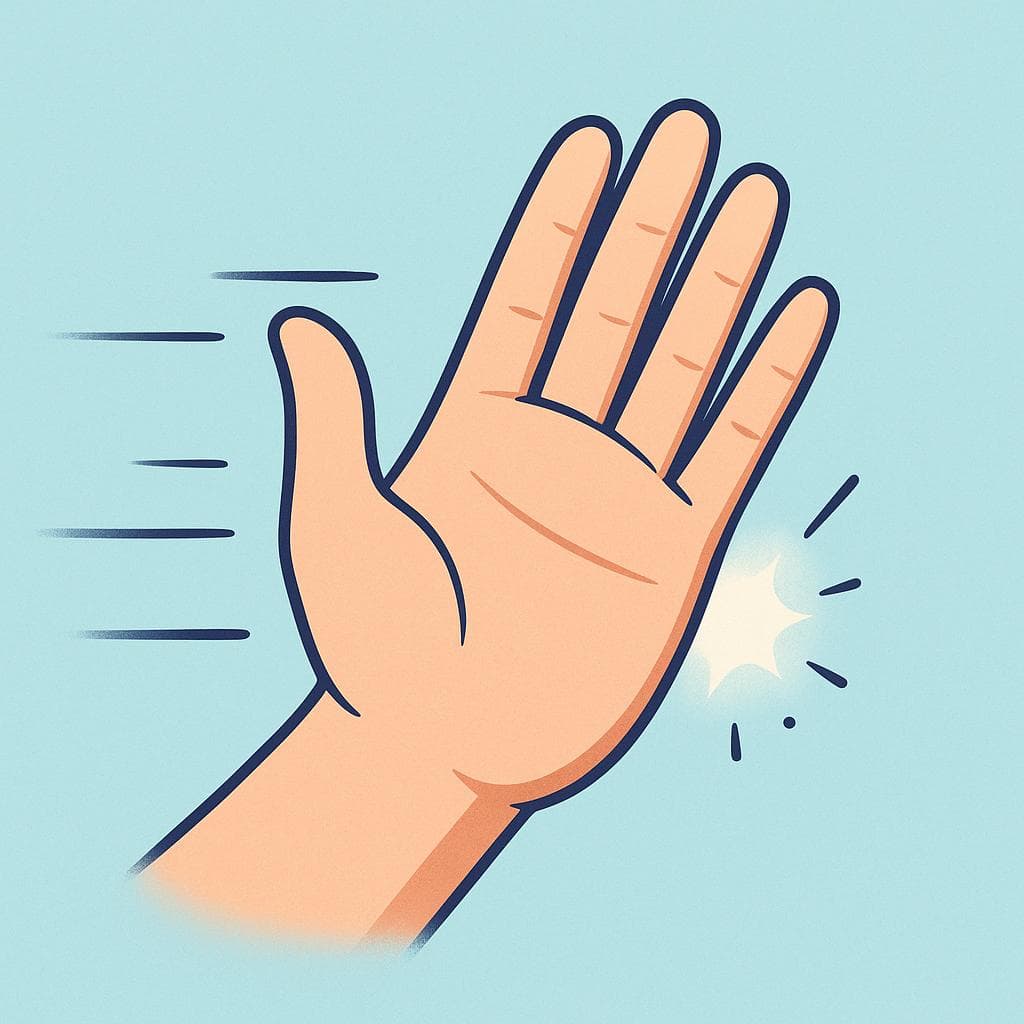
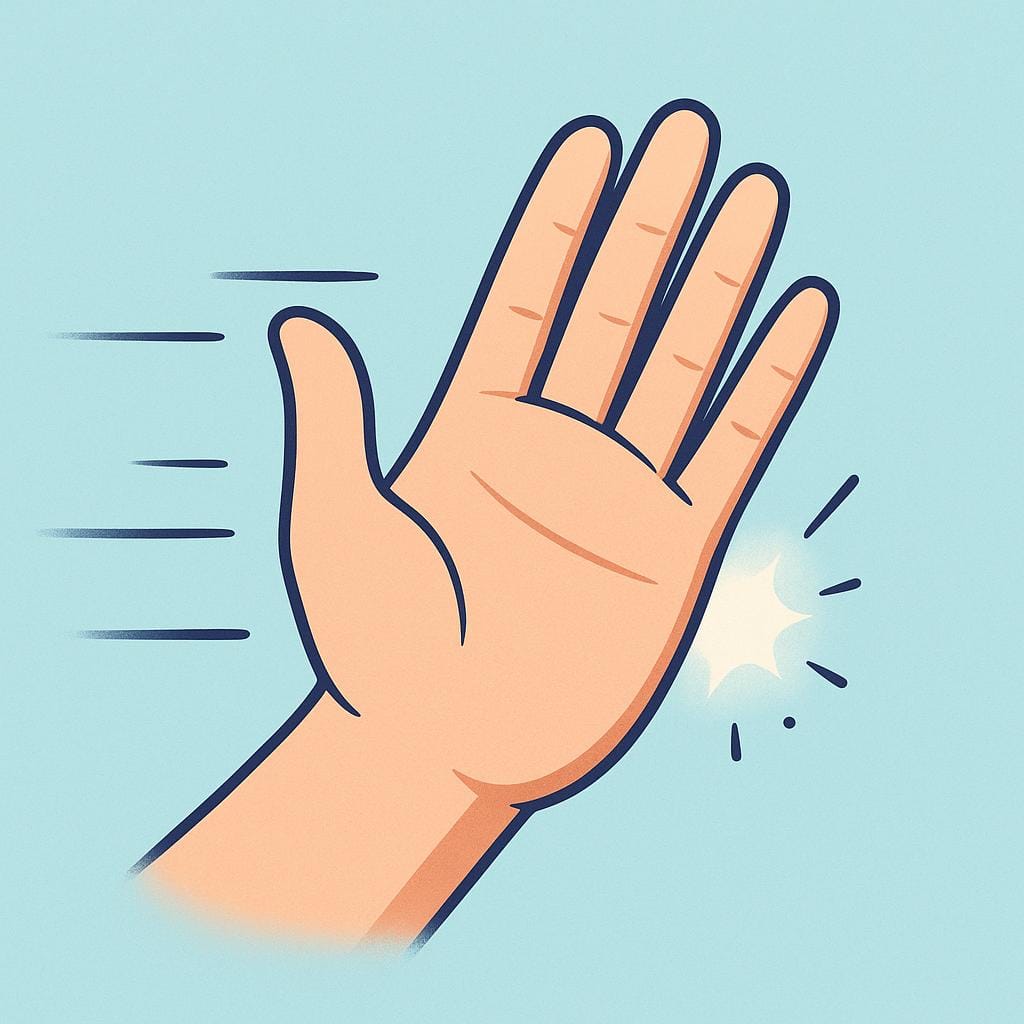
Si no paras de molestar, te voy a dar una galleta.
If you don't stop bothering me, I'm going to give you a slap.
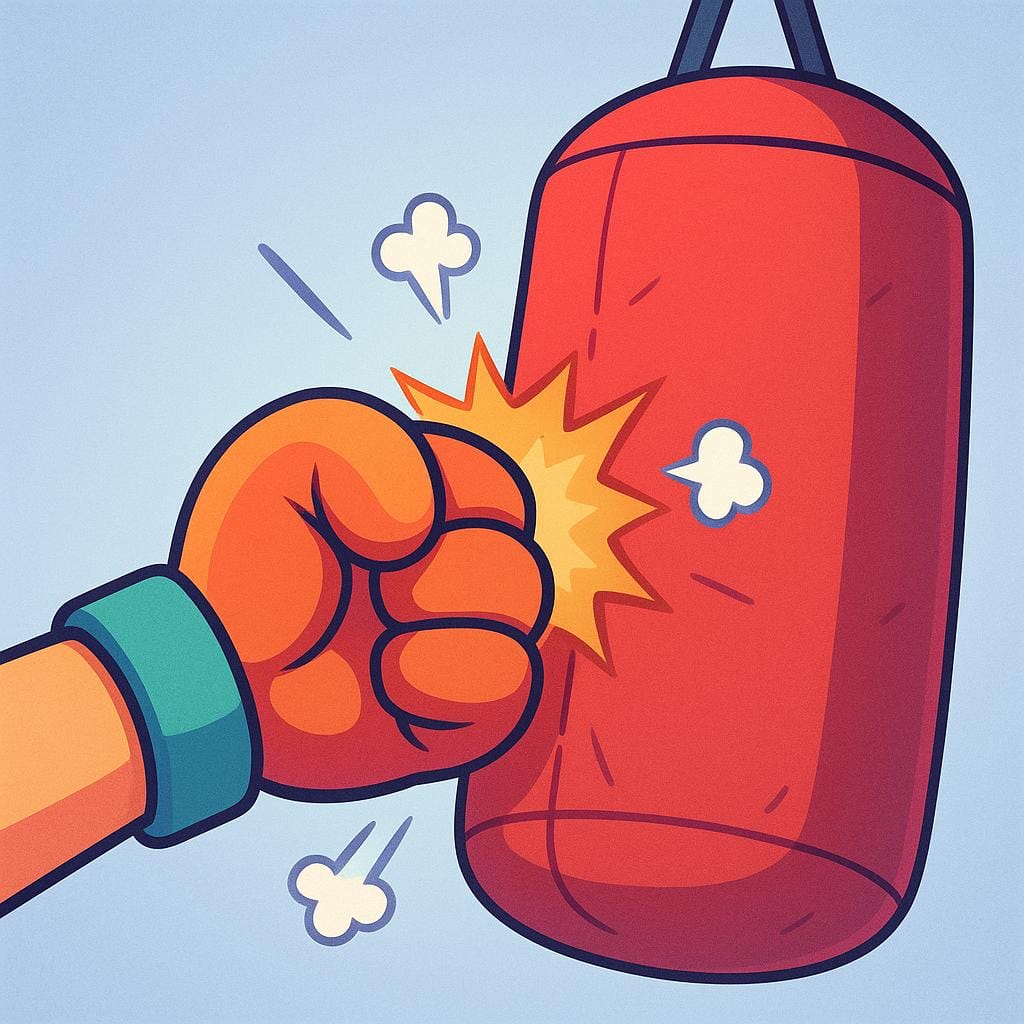
El boxeador le soltó una galleta que lo dejó mareado.
The boxer landed a punch that left him dizzy.
Se llevó una galleta con la puerta al entrar.
He hit himself (got a blow) with the door when entering.
puñetazo
Examples
El boxeador le dio un puñetazo muy fuerte.
The boxer gave him a very strong punch.
palo
PAH-lohˈpa.lo
Examples
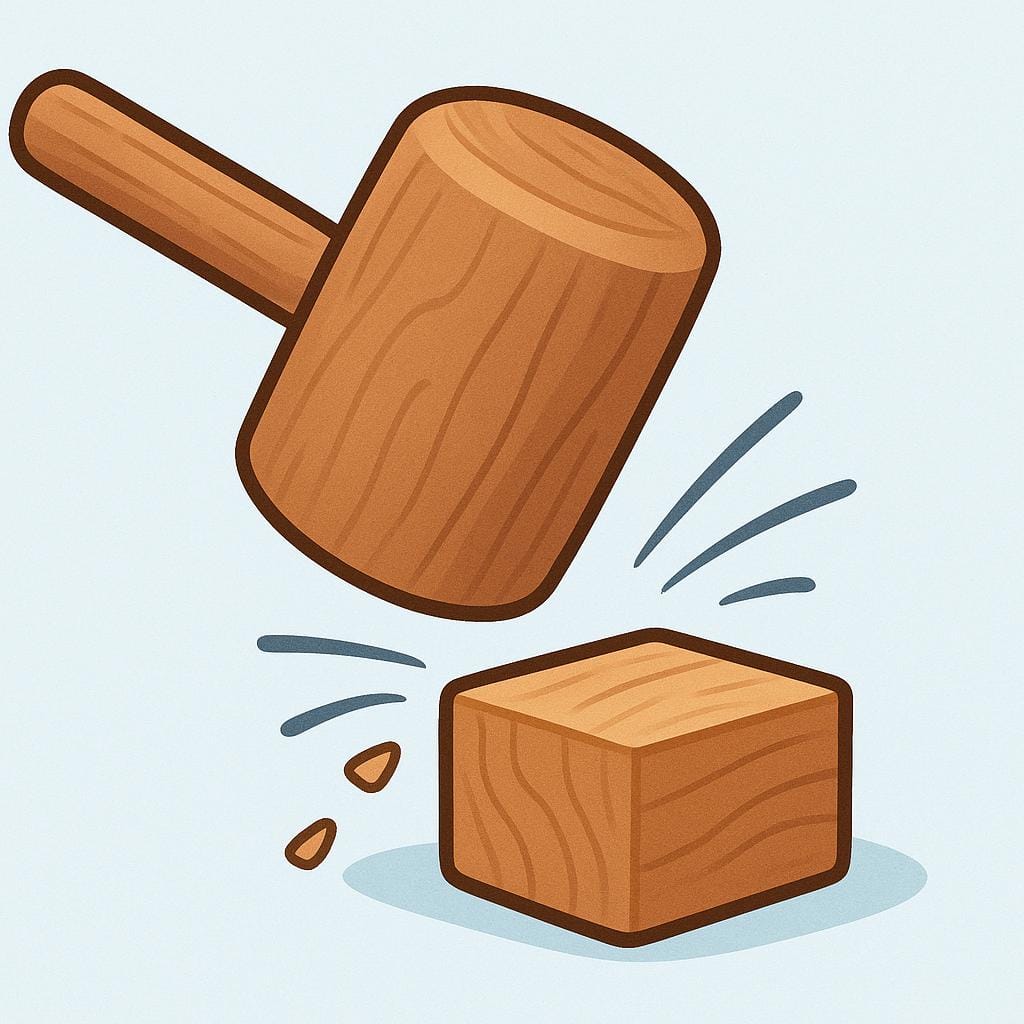
La noticia de su despido fue un palo muy duro.
The news of his firing was a very hard blow/shock.
El ladrón le dio un palo en la cabeza para robarle.
The thief hit him on the head to rob him. (Literal physical blow)
leche
LEH-chehˈletʃe
Examples
El coche iba a toda leche por la autopista.
The car was going really fast (at full speed) on the highway.
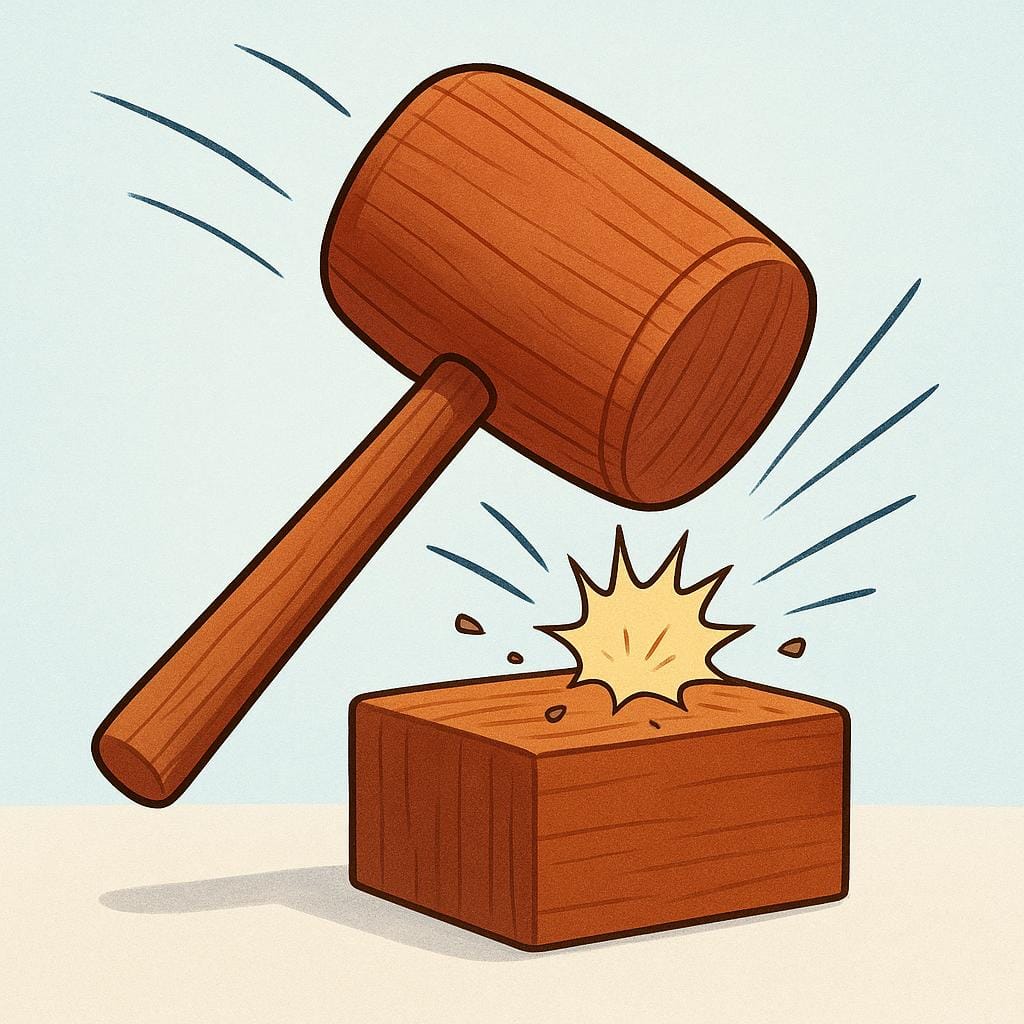
Me di una leche contra la pared y ahora me duele la cabeza.
I hit (or smacked) myself against the wall and now my head hurts.
¡Qué leche! ¡Se me ha olvidado el pasaporte!
Darn it! I forgot my passport!
Use with Reflexive Verbs
To express hitting yourself, you often use 'darse una leche' (to give oneself a blow). The 'se' (reflexive pronoun) is key here.
puñalada
Examples
Tu mentira fue una puñalada para mi corazón.
Your lie was a stab to my heart.
revés
Examples
La crisis económica fue un duro revés para la compañía.
The economic crisis was a harsh setback for the company.
cocaína
Examples
El decomiso de cocaína en el puerto fue noticia nacional.
The seizure of cocaine at the port was national news.
Physical vs. Figurative 'Blows'
Learn Spanish with Inklingo
Interactive stories, personalized learning, and more.