patada
“patada” means “kick” in Spanish. It has 2 different meanings depending on context:
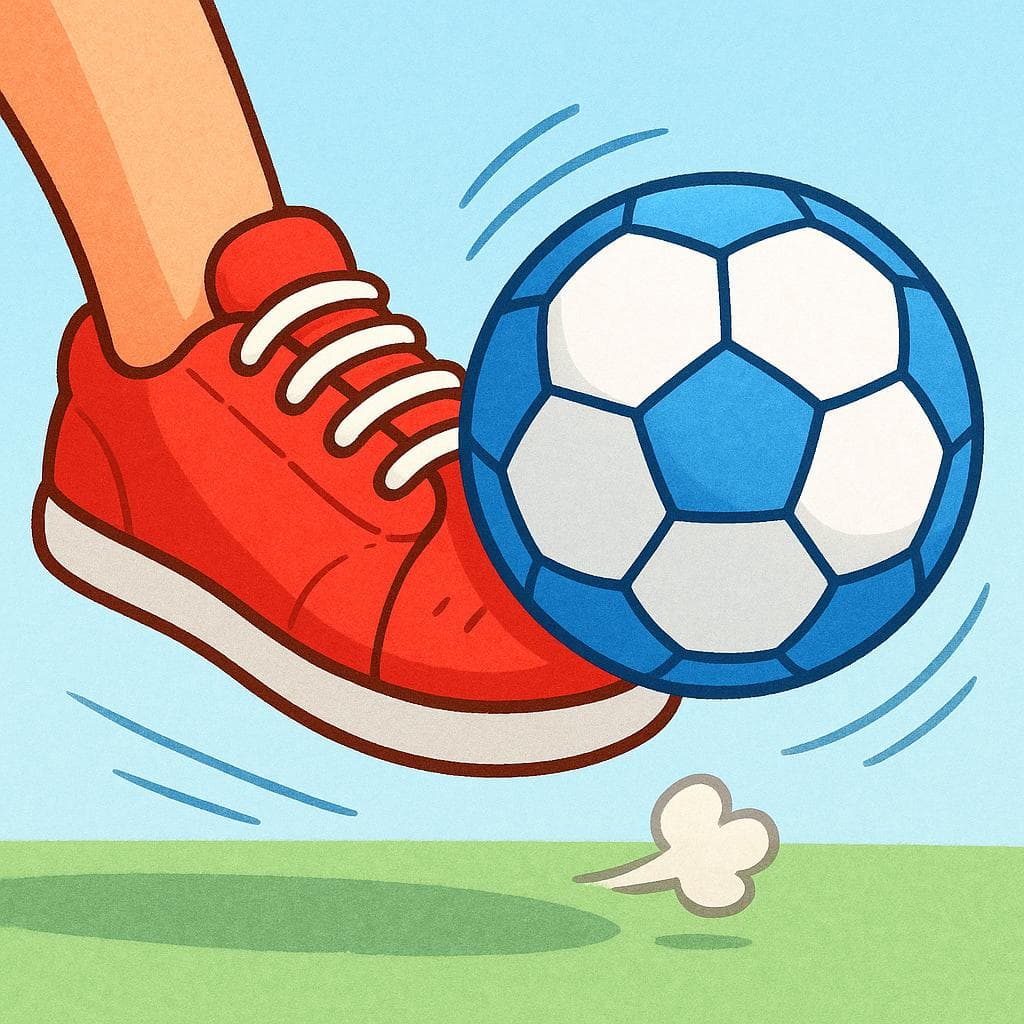
kickAlso: blow
📝 In Action
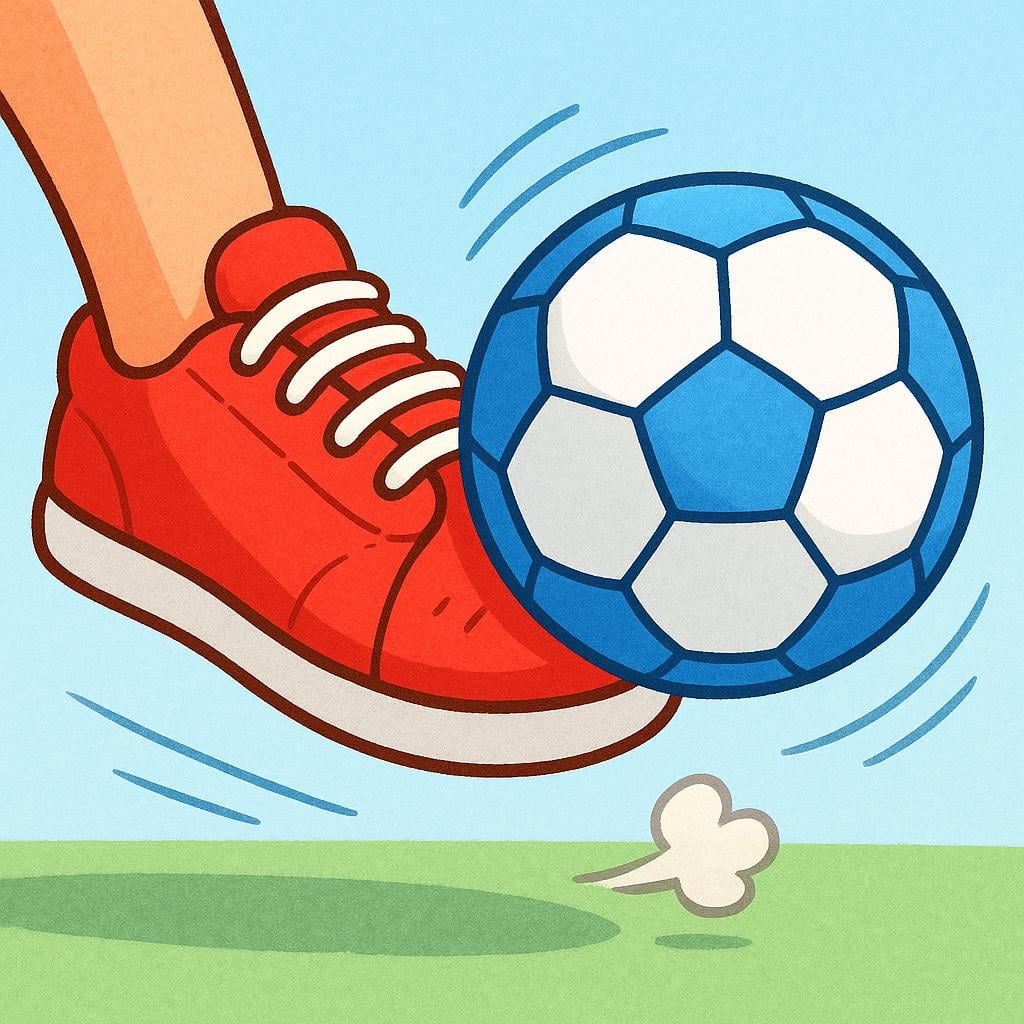
El jugador le dio una patada al balón.
A2The player gave the ball a kick.
Fue una patada accidental, no quería lastimarlo.
B1It was an accidental kick; he didn't mean to hurt him.
Intentó abrir la puerta con una patada, pero no funcionó.
B1He tried to open the door with a kick, but it didn't work.
Word Connections
jolt, punchAlso: thrill

📝 In Action
Este café tiene una patada de cafeína que me despierta.
B2This coffee has a caffeine punch that wakes me up.
La noticia de su renuncia fue una patada emocional para la empresa.
C1The news of his resignation was an emotional jolt for the company.
Ese tequila tiene una patada fuerte.
B2That tequila has a strong kick.
Word Connections
✏️ Quick Practice
Quick Quiz: patada
Question 1 of 2
Which sentence uses 'patada' in its figurative sense?
📚 More Resources
👥 Word Family
📚 Etymology
Comes from the word 'pata' (leg or paw, usually of an animal), plus the suffix '-ada', which is often added to nouns to mean 'a blow or action made with that thing' (e.g., 'cuchillada' is a blow with a knife).
First recorded: 15th century
Cognates (Related words)
💡 Master Spanish
Take your Spanish to the next level. Read 200+ illustrated and narrated Spanish stories tailored to your level with the Inklingo app!
Frequently Asked Questions
What is the difference between 'patada' and 'puntapié'?
'Patada' is the general term for any kick. 'Puntapié' is more specific, referring to a kick made specifically with the tip or point of the foot, often implying greater force or precision.
Can 'patada' be used to describe an animal's kick?
Yes, but for animals like horses or donkeys, the word 'coz' (or 'cocear' for the verb) is often preferred, though 'patada' is perfectly understandable.