patear
“patear” means “to kick” in Spanish. It has 3 different meanings depending on context:


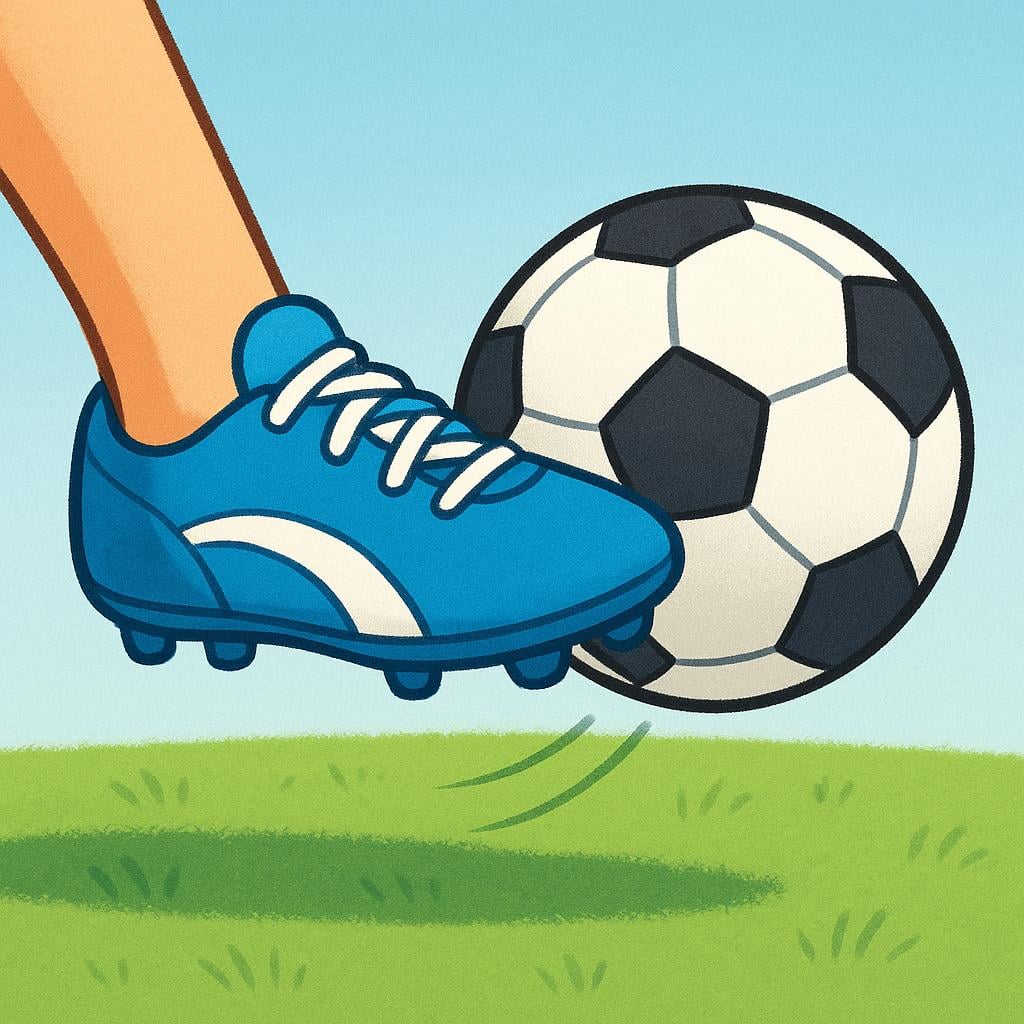
to kickAlso: to boot
📝 In Action
El niño pateó la pelota al jardín.
A2The boy kicked the ball into the yard.
No debes patear la puerta si está cerrada.
B1You shouldn't kick the door if it's locked.
Word Connections
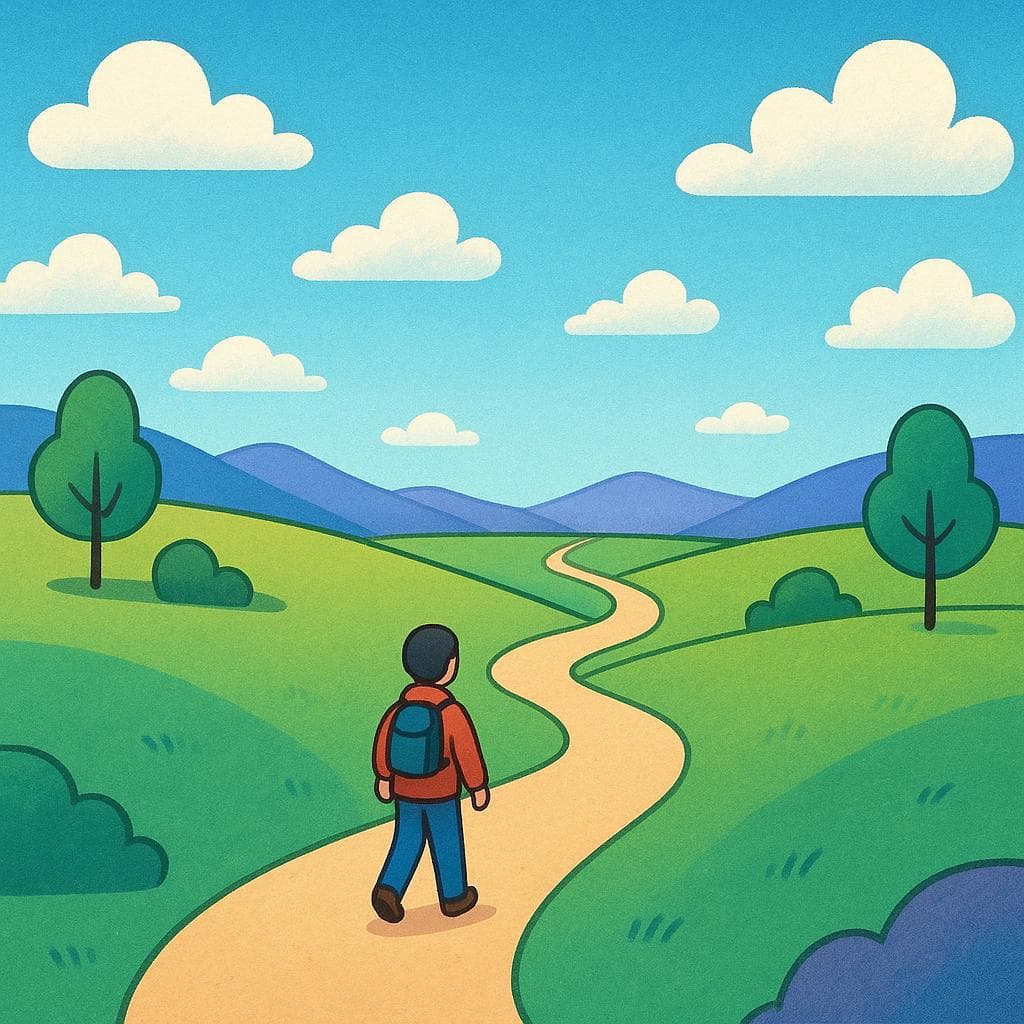
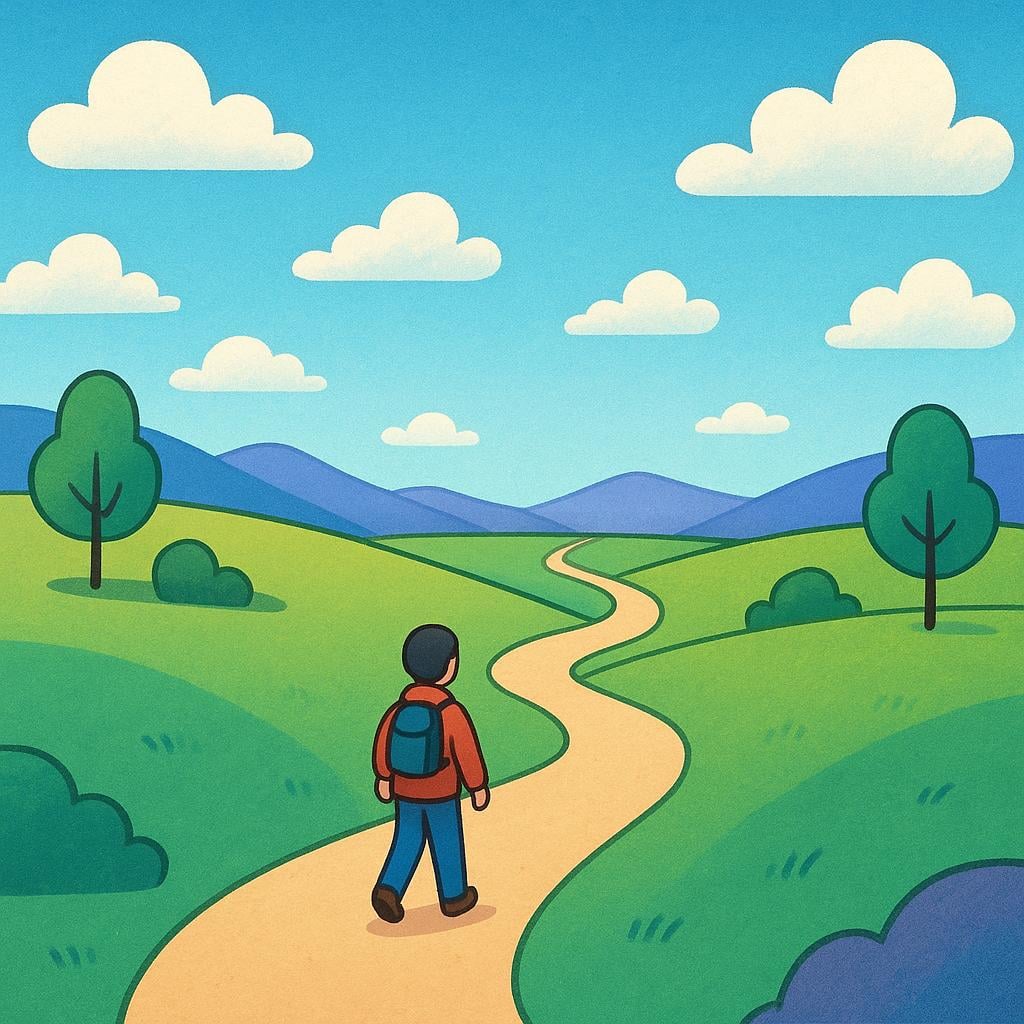
to roamAlso: to pound the pavement, to walk around
📝 In Action
Tuvimos que patear todo el centro histórico para encontrar el restaurante.
B2We had to roam (walk all over) the entire historic center to find the restaurant.
El vendedor pasa el día pateando barrios.
C1The salesman spends the day pounding the pavement in neighborhoods.
Word Connections
to fail (an exam)Also: to reject

📝 In Action
Me patearon en el examen de conducir, tendré que repetirlo.
C1They failed me on the driving test; I'll have to repeat it.
Word Connections
Subjunctive
Imperfect Subjunctive
Present Subjunctive
Indicative
Imperfect
Present
Preterite
✏️ Quick Practice
Quick Quiz: patear
Question 1 of 1
Which sentence uses the informal meaning of 'patear' related to walking?
📚 More Resources
👥 Word Family
📚 Etymology
Comes from the Spanish word 'pata,' meaning 'leg' or 'paw' (especially of animals), which itself has an uncertain, possibly pre-Roman Iberian origin. The verb 'patear' simply means 'to perform the action of the pata.'
First recorded: 15th century
Cognates (Related words)
💡 Master Spanish
Take your Spanish to the next level. Read 200+ illustrated and narrated Spanish stories tailored to your level with the Inklingo app!
Frequently Asked Questions
Is 'patear' used for human feet or only animal paws/legs ('pata')?
While 'pata' is usually for animal legs, 'patear' is the standard verb for the action of kicking, whether performed by a person or an animal. For the human foot itself, you would use 'pie'.
Can I use 'patear' instead of 'caminar' (to walk)?
Only in informal contexts when you want to emphasize that the walking was a long distance, tiring, or involved exploring many places. It adds a sense of effort or difficulty that 'caminar' doesn't have.