How to Say "back" in Spanish
The most common Spanish word for “back” is “atrás” — use 'atrás' when referring to a direction or a place that is behind you, or when indicating a past time.





atrás
Examples
El gato está jugando atrás del sofá.
The cat is playing behind the sofa.
espalda
es-PAL-daesˈpalda
Examples
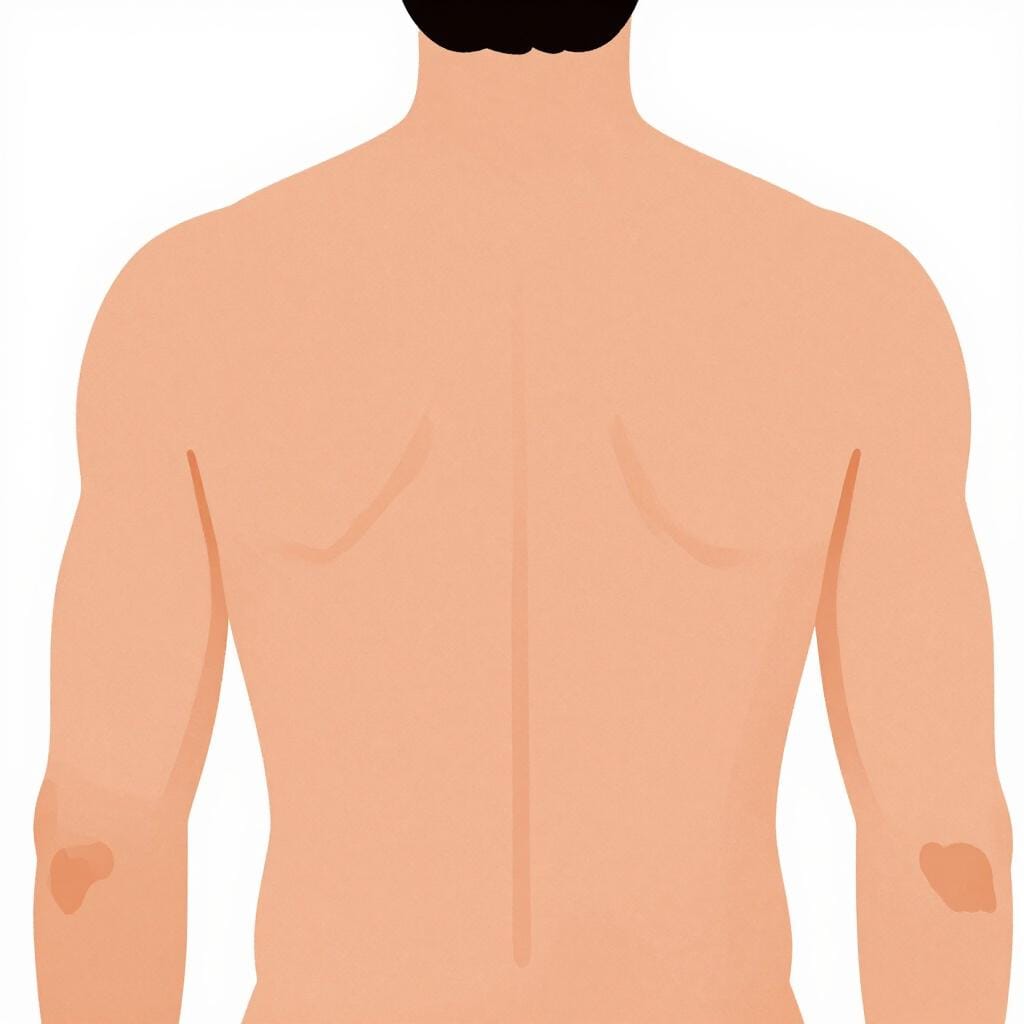
Me duele la espalda.
My back hurts.
Me duele mucho la espalda después de correr.
My back hurts a lot after running.
Por favor, siéntate con la espalda recta.
Please, sit with your back straight.
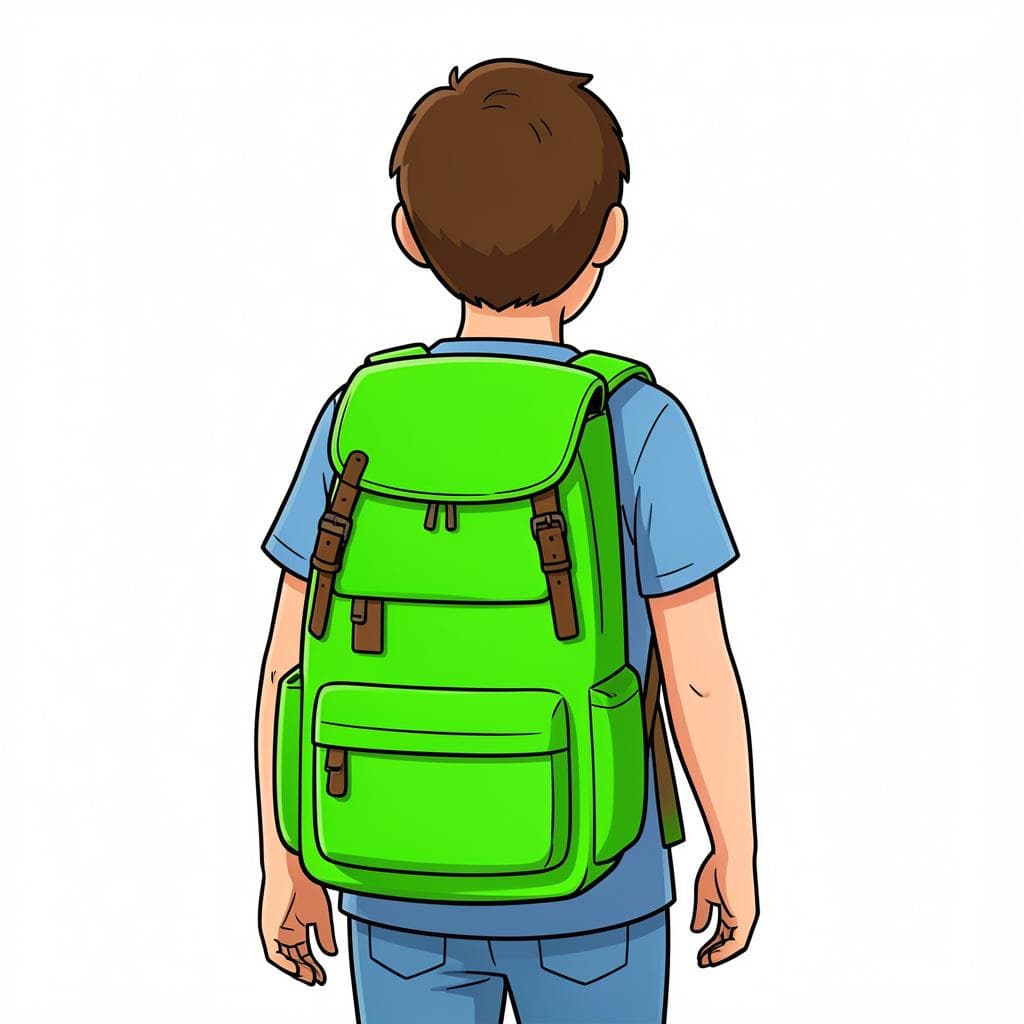
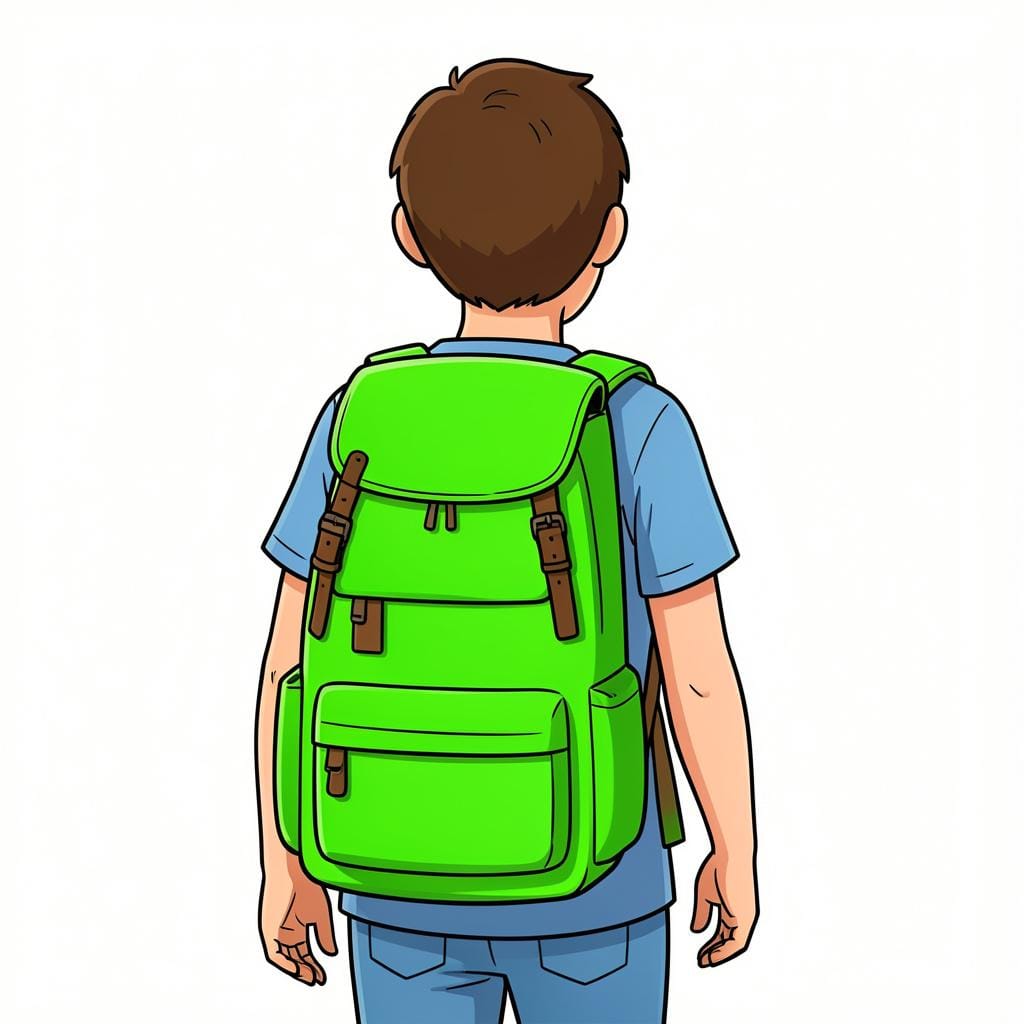
Lleva una mochila muy pesada en la espalda.
He's carrying a very heavy backpack on his back.
Always Feminine: 'la espalda'
This word is always feminine, so you'll always use 'la' or 'una' with it. Just memorize them as a pair: 'la espalda'.
'Espalda' vs. 'Atrás'
Mistake: “Me duele el atrás.”
Correction: Me duele la espalda.
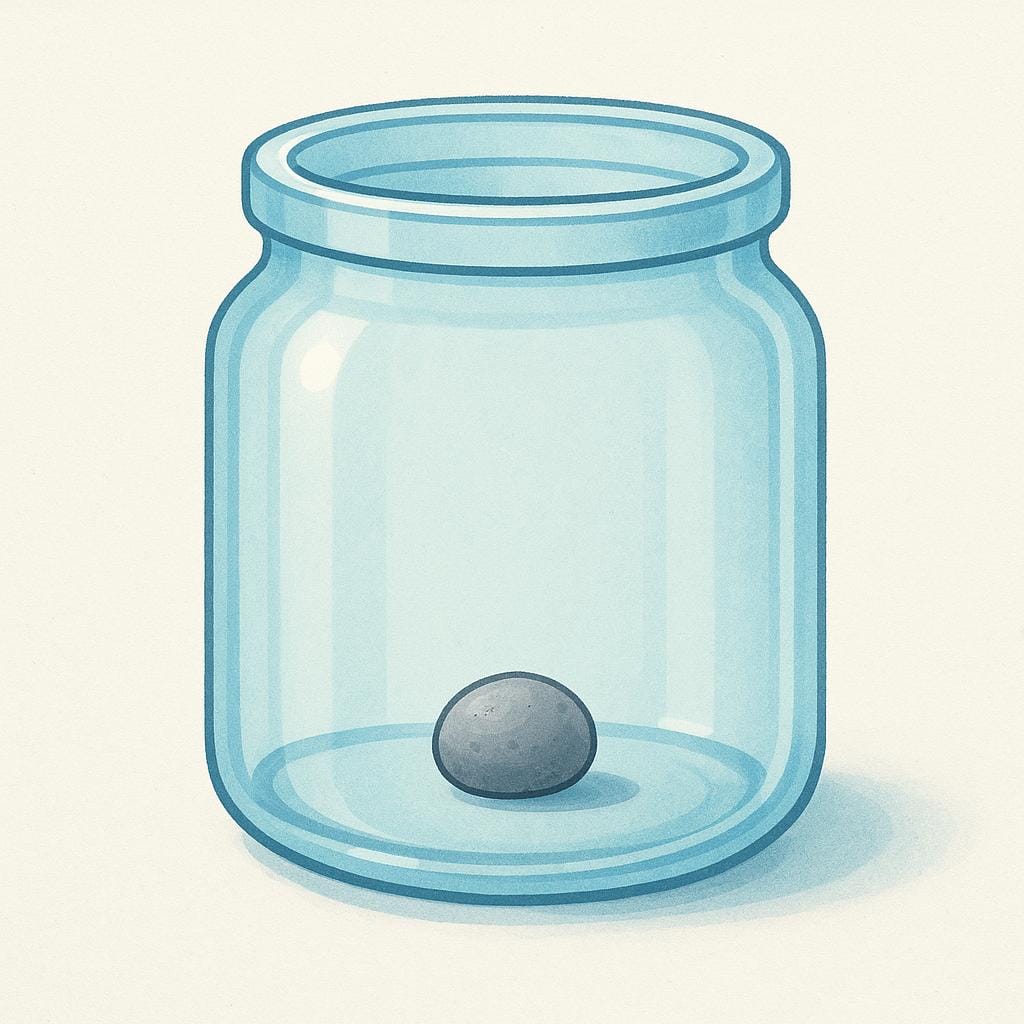
fondo
fon-dohˈfondo
Examples
Las sillas están al fondo de la sala.
The chairs are at the back of the room.
Las llaves están en el fondo de mi mochila.
The keys are at the bottom of my backpack.
El baño está al fondo del pasillo.
The bathroom is at the end of the hall.
Vimos peces de colores en el fondo del mar.
We saw colorful fish on the bottom of the sea.
'Fondo' vs. 'Hondo'
Mistake: “El mar es muy fondo.”
Correction: El mar es muy hondo. 'Fondo' is a noun (a thing: the bottom), while 'hondo' is an adjective (a description: deep).
trasero
tra-SE-rotɾaˈseɾo

Examples
Mi coche tiene asientos traseros cómodos.
My car has comfortable rear seats.
El asiento trasero del coche es muy cómodo.
The rear seat of the car is very comfortable.
Prefiero entrar por la puerta trasera para no hacer ruido.
I prefer to enter through the back door so I don't make noise.
El patio trasero es perfecto para las barbacoas de verano.
The backyard is perfect for summer barbecues.
Matching the Noun
Like most Spanish adjectives, 'trasero' changes to match the thing it describes. Use 'trasero' for masculine things (el asiento trasero) and 'trasera' for feminine things (la puerta trasera).
posterior
poh-steh-RYOHRpos.teˈɾjoɾ
Examples
La salida posterior del museo está cerrada.
The rear exit of the museum is closed.
La puerta posterior del edificio está abierta.
The back door of the building is open.
En una fecha posterior decidiremos los detalles.
At a later date we will decide the details.
El éxito fue posterior a mucho esfuerzo.
Success came after a lot of effort.
One Form for All
This word is great because it doesn't change its ending for masculine or feminine. You can say 'el lado posterior' or 'la parte posterior' without changing the word!
Don't add an 'a'
Mistake: “la parte posteriora”
Correction: la parte posterior
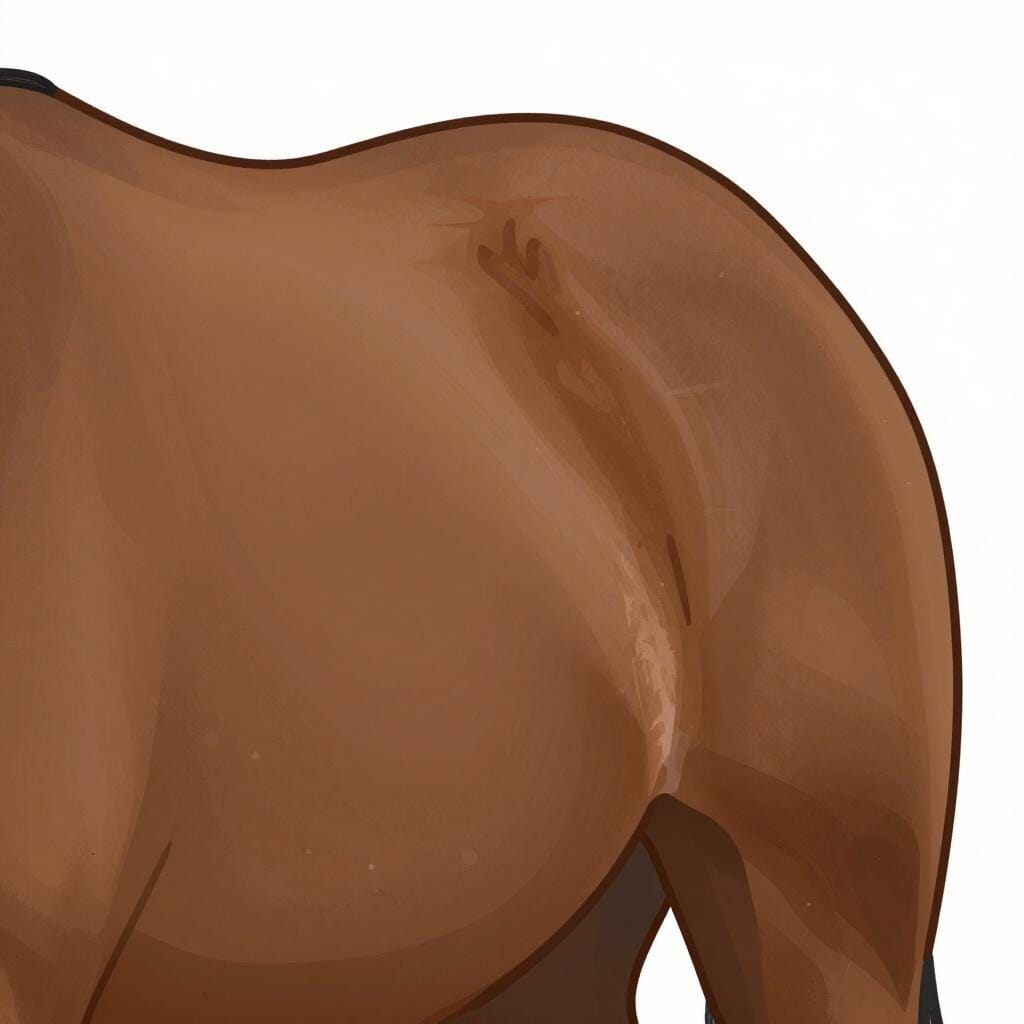
lomo
LO-moˈlomo
Examples
El caballo tiene un lomo fuerte.
The horse has a strong back.
El gato arqueó el lomo cuando vio al perro.
The cat arched its back when it saw the dog.
El título del libro aparece en el lomo.
The book's title appears on the spine.
Cargaron las cajas a lomo de mula.
They loaded the boxes on the mule's back.
Using 'A lomo'
When you want to say something is carried on an animal, use the phrase 'a lomo de'.
Book parts
Mistake: “La espalda del libro.”
Correction: El lomo del libro.
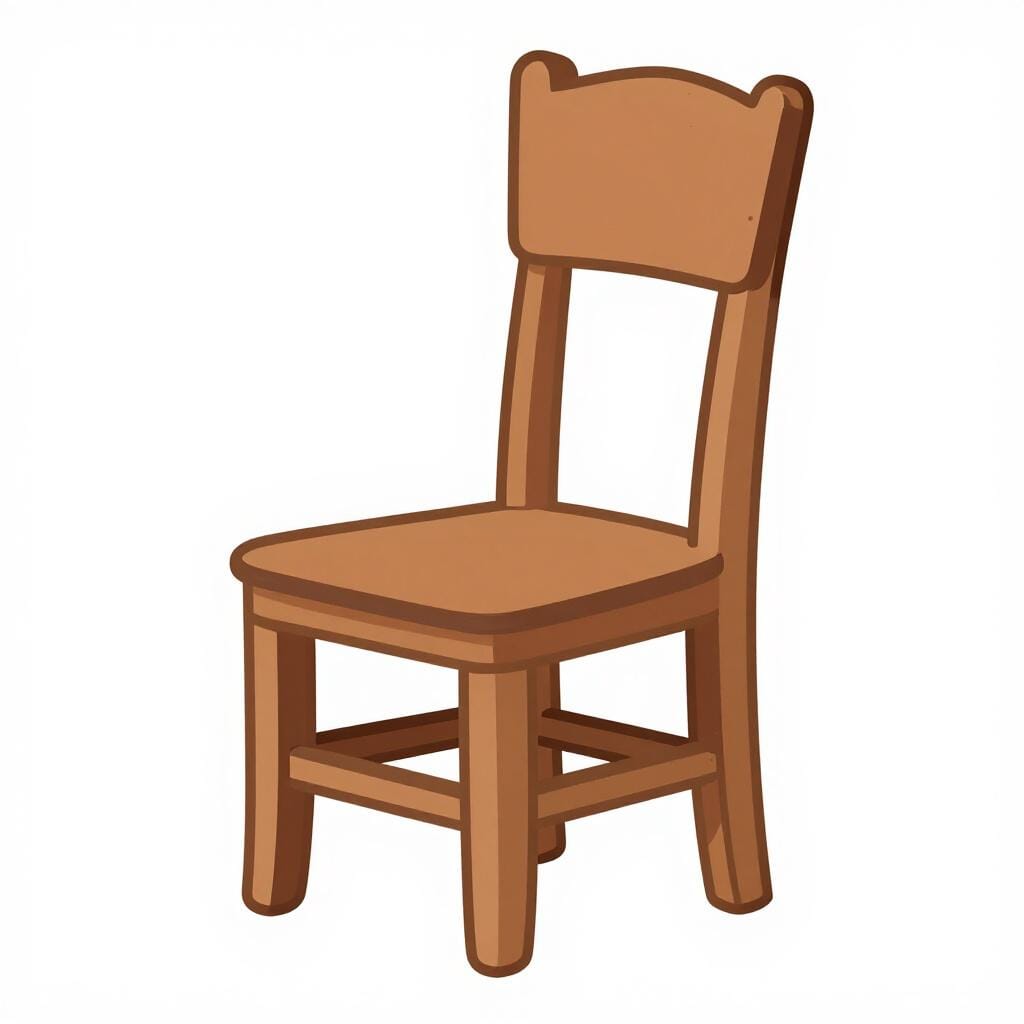
respaldo
rehs-PAHL-dohresˈpaldo
Examples
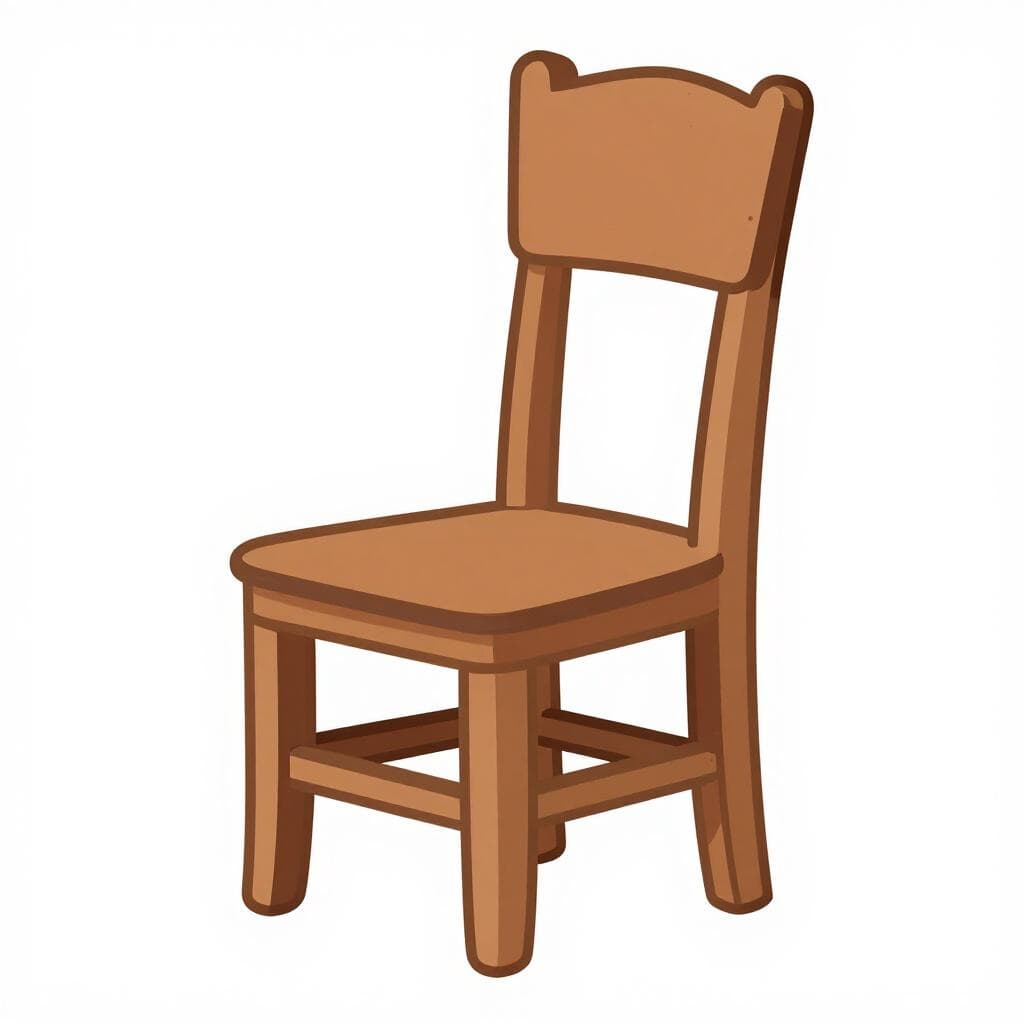
Por favor, apoya tu espalda en el respaldo.
Please rest your back on the backrest.
El respaldo de esta silla de oficina es ajustable.
The backrest of this office chair is adjustable.
Me duele la espalda porque el respaldo del sofá es muy duro.
My back hurts because the back of the sofa is very hard.
Masculine Ending
This word ends in -o, making it a masculine noun. Always use 'el' or 'un' with it.
revés
Examples
El diseño solo está en el anverso, no en el revés.
The design is only on the front, not on the back.
regresado
reh-greh-SAH-dohre.ɣɾeˈsa.ðo

Examples
El paquete regresado se encuentra en la oficina.
The returned package is at the office.
El paquete regresado fue puesto en la oficina de correos.
The returned package was placed in the post office.
La delegación regresada tenía muchas historias que contar.
The returned delegation (f.) had many stories to tell.
Los soldados regresados recibieron un gran aplauso.
The returned soldiers received a big round of applause.
Agreement is Key
When 'regresado' acts as an adjective, its ending must match the noun it describes. If the noun is feminine (la delegación), use 'regresada'.
atrás
Examples
Nos conocimos hace mucho atrás.
We met a long time ago.
dorsal
dor-SAHLdoɾˈsal

Examples
La ballena tiene una aleta dorsal.
The whale has a dorsal fin.
El tiburón tiene una aleta dorsal muy grande.
The shark has a very large dorsal fin.
Siento un dolor en la zona dorsal de la espalda.
I feel a pain in the dorsal area of my back.
La columna dorsal es fundamental para la postura.
The mid-back spine is essential for posture.
One form for all genders
This word doesn't change its ending. It is 'el área dorsal' (feminine noun) and 'el músculo dorsal' (masculine noun).
Avoid saying 'dorsalo'
Mistake: “el músculo dorsalo”
Correction: el músculo dorsal
Confusing 'atrás' and 'espalda'
Related Translations
Learn Spanish with Inklingo
Interactive stories, personalized learning, and more.