How to Say "bottom" in Spanish
The most common Spanish word for “bottom” is “fondo” — use 'fondo' for the lowest part of a container, a body of water like the sea, or a general deep area.




fondo
fon-dohˈfondo
Examples
Las llaves están en el fondo de mi mochila.
The keys are at the bottom of my backpack.
El baño está al fondo del pasillo.
The bathroom is at the end of the hall.
Vimos peces de colores en el fondo del mar.
We saw colorful fish on the bottom of the sea.
'Fondo' vs. 'Hondo'
Mistake: “El mar es muy fondo.”
Correction: El mar es muy hondo. 'Fondo' is a noun (a thing: the bottom), while 'hondo' is an adjective (a description: deep).
base
BAH-sehˈba.se

Examples
La base de la lámpara es muy pesada para que no se caiga.
The base of the lamp is very heavy so it doesn't fall over.
Construyeron la casa sobre una base de concreto.
They built the house on a concrete foundation.
Always Feminine: 'la base'
Even though 'base' doesn't end in '-a', it's a feminine word. Always remember to use 'la' or 'una' with it, like 'la base' (the base) or 'una base sólida' (a solid base).
trasero
tra-SE-rotɾaˈseɾo

Examples
El bebé se cayó y se dio un golpe en el trasero.
The baby fell and got a bump on his bottom.
Me duele el trasero de estar sentado en esta silla tan dura.
My bottom hurts from sitting in this hard chair.
Hizo ejercicio para fortalecer los músculos del trasero.
He exercised to strengthen his butt muscles.
Choosing the Right Word
Mistake: “Using 'culo' in a conversation where 'trasero' would be more appropriate.”
Correction: Be careful with synonyms! 'Culo' is very informal and often considered vulgar. 'Nalgas' or 'glúteos' are more formal or medical. 'Trasero' is a great, safe, everyday choice that most people use.
pie
pyeh'pje

Examples
Acampamos al pie de la montaña.
We camped at the foot/base of the mountain.
Hay una nota importante al pie de la página.
There's an important note at the bottom of the page.
El pie de esta lámpara es de madera.
The base of this lamp is made of wood.
culo
koo-lohˈkulo
Examples
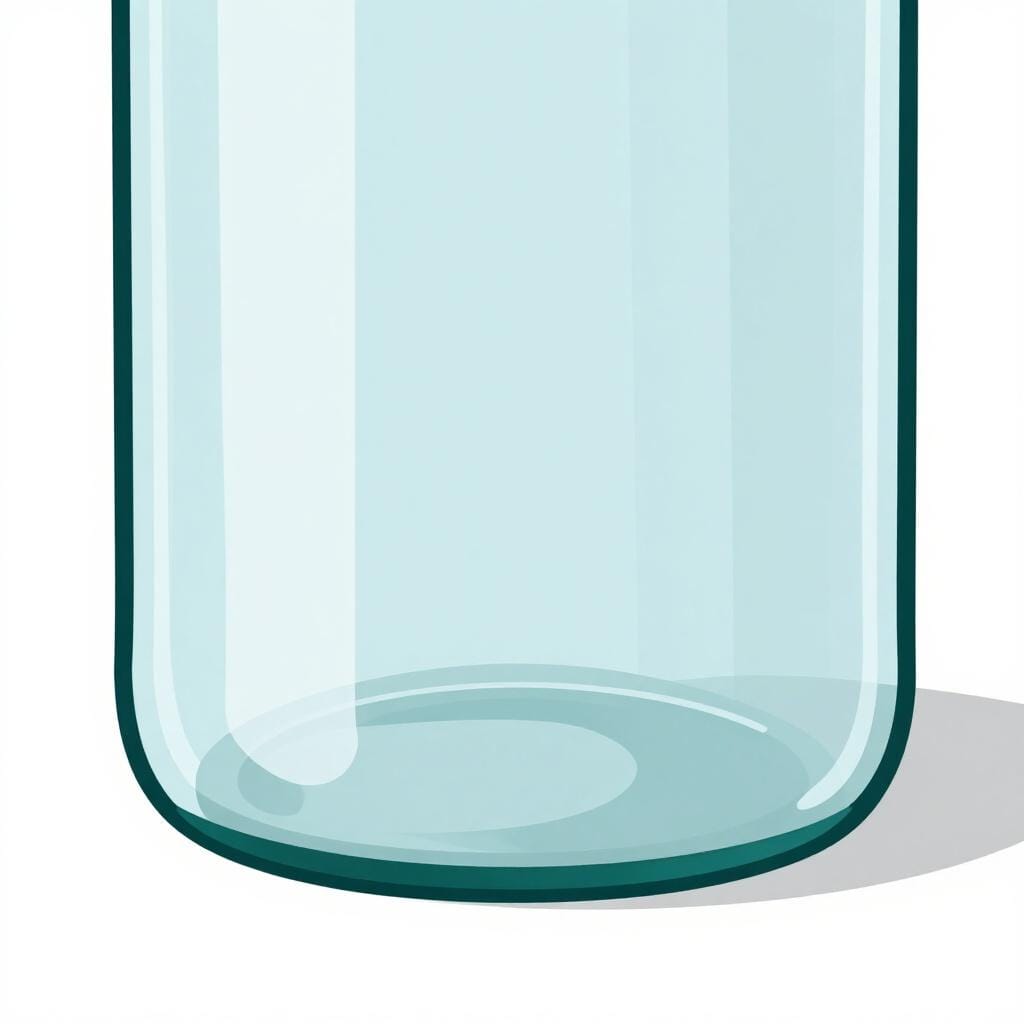
Todavía queda un culo de vino en la botella.
There is still a tiny bit of wine left at the bottom of the bottle.
Estas gafas parecen culos de vaso.
These glasses look like the bottoms of soda bottles (meaning they are very thick).
Mira el culo del bote para ver la fecha de caducidad.
Look at the bottom of the jar to see the expiration date.
Describing thickness
When 'culo' is used to describe glasses, it creates a visual comparison to the thick glass found at the base of a bottle.
Confusing with 'fondo'
Mistake: “Saying 'el culo de la piscina' (the bottom of the pool).”
Correction: Use 'el fondo' for deep things like pools or oceans; 'culo' is for small containers like glasses or bottles.
médula
Examples
Ese argumento llega a la médula del problema.
That argument gets to the core of the problem.
inferior
een-feh-ree-ORinfeˈɾjoɾ

Examples
Necesito comprar un inferior nuevo para el traje.
I need to buy new bottoms for the suit.
El general gritó a su inferior por el error cometido.
The general shouted at his subordinate for the mistake committed.
Necesito un uniforme nuevo; solo me falta el inferior.
I need a new uniform; I only need the bottom (piece).
Noun Use
When used as a noun, 'el inferior' or 'la inferior' refers to the person below you in a chain of command. It behaves exactly like a regular noun.
Literal vs. Figurative Meanings
Learn Spanish with Inklingo
Interactive stories, personalized learning, and more.