How to Say "backside" in Spanish
The most common Spanish word for “backside” is “culo” — use 'culo' for a very informal, direct, and often crude reference to a person's buttocks, similar to 'butt' or 'ass' in English.
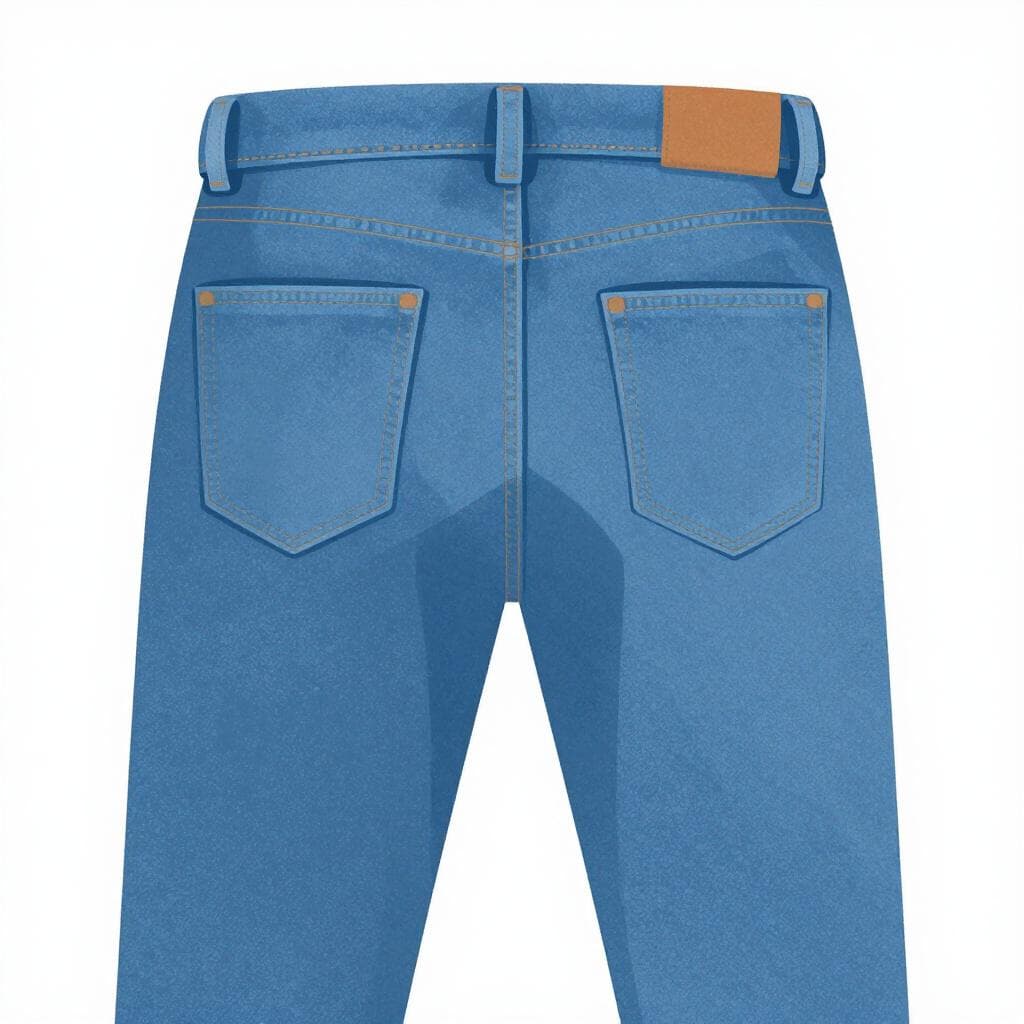
culo
koo-lohˈkulo
Examples
Me duele el culo de estar tanto tiempo sentado.
My butt hurts from sitting down for so long.
¡Mueve el culo o perderemos el tren!
Get your ass moving or we'll miss the train!
Ese chico tiene un culo muy firme.
That guy has a very firm butt.
Masculine Ending
This word follows the standard pattern of ending in 'o,' so it always takes masculine words like 'el' or 'un'.
Using 'the' instead of 'my'
In Spanish, when talking about body parts, we usually say 'the butt' (el culo) instead of 'my butt' (mi culo) if the action is happening to you.
Inappropriate Setting
Mistake: “Using 'culo' in a job interview or with a teacher.”
Correction: Use 'trasero' or 'posaderas' in formal situations to avoid sounding rude.
trasera
trah-SEH-rahtɾaˈseɾa
Examples
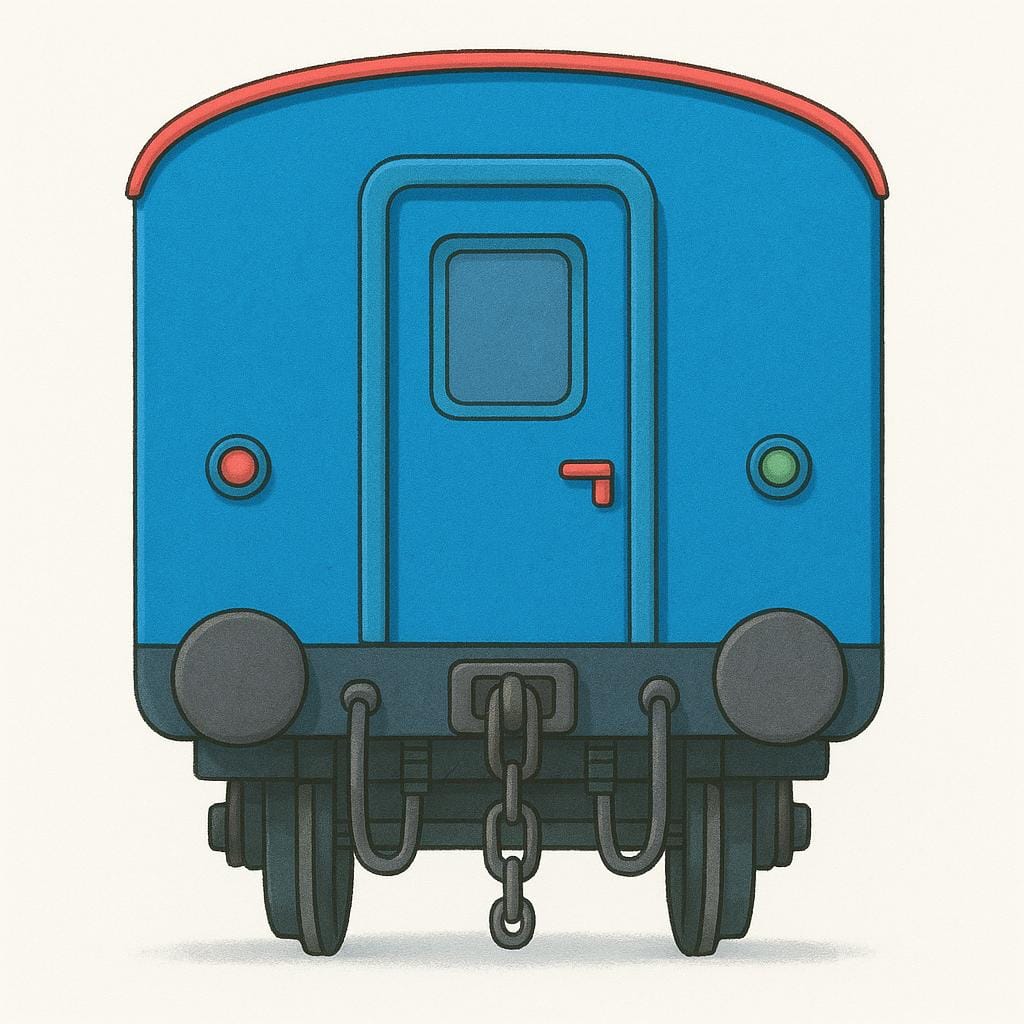
La trasera del camión estaba dañada.
The rear end of the truck was damaged.
Aparcó el coche muy cerca de la trasera de la casa.
He parked the car very close to the back of the house.
Necesitas más espacio en la trasera para el equipaje.
You need more space in the back for the luggage.
Gender Match
Even though it refers to a location (the back), it is always treated as a feminine noun: la trasera.
Confusing Noun/Adjective
Mistake: “Using *trasera* as an adjective with a masculine noun: *el coche trasera*.”
Correction: Use the masculine form: *el coche trasero*. Remember, *trasera* is only a noun or a feminine adjective.
posterior
poh-steh-RYOHRpos.teˈɾjoɾ
Examples
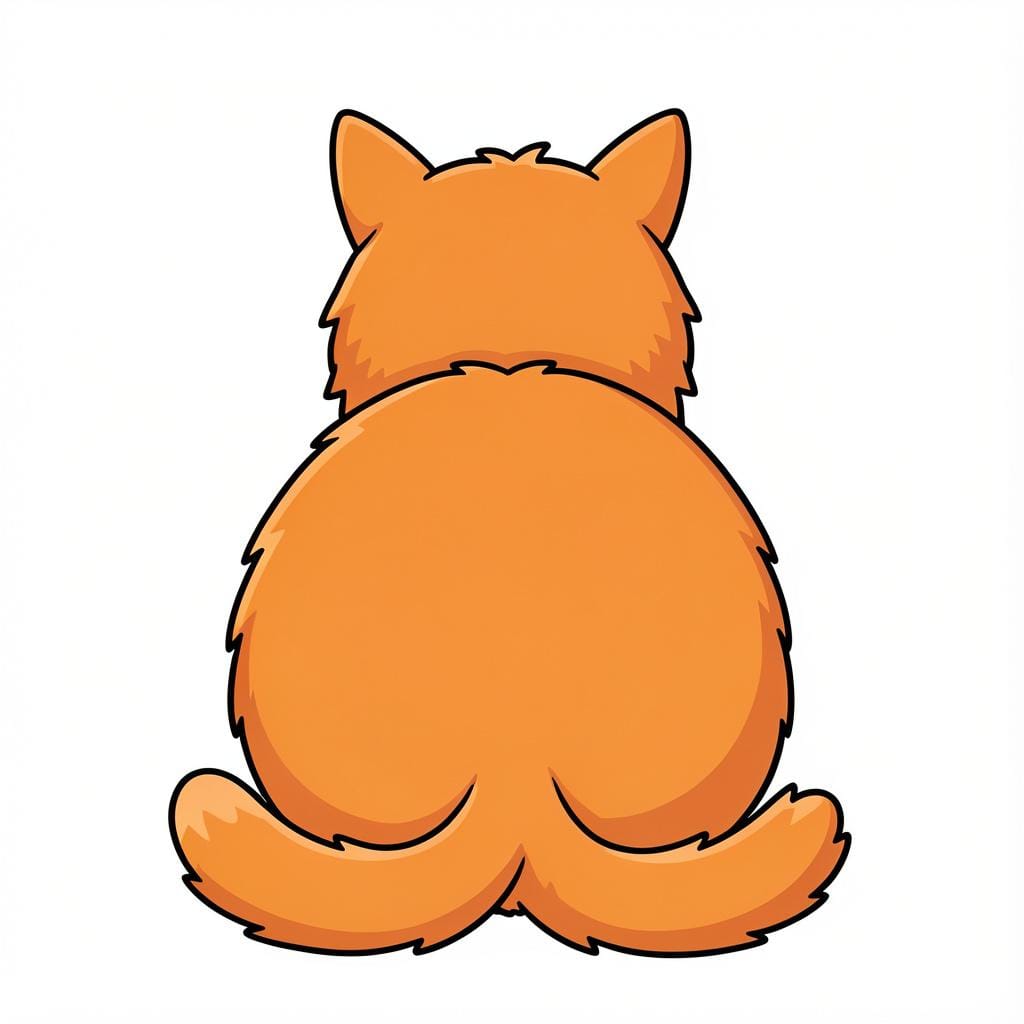
Ese ejercicio fortalece los músculos del posterior.
That exercise strengthens the muscles of the rear.
Informal vs. Polite Usage
Learn Spanish with Inklingo
Interactive stories, personalized learning, and more.