How to Say "rear" in Spanish
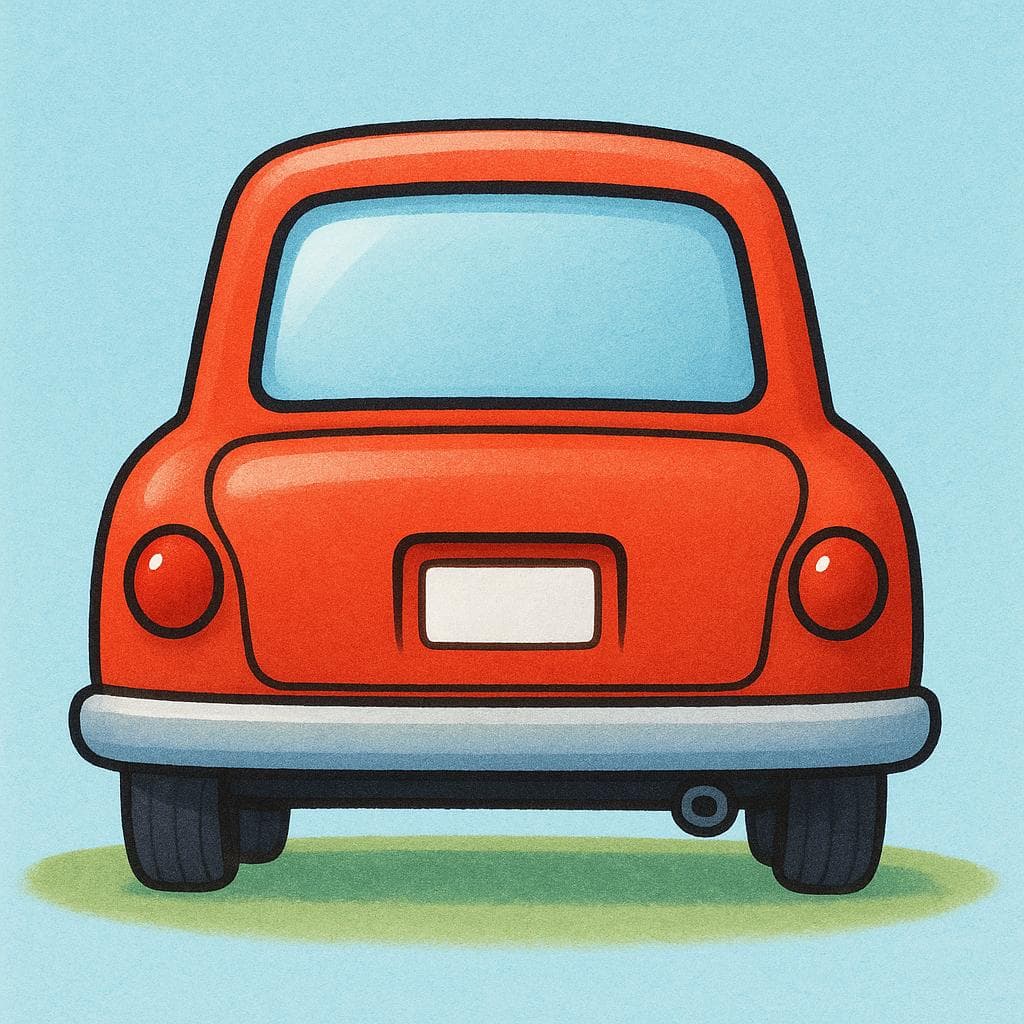
The most common Spanish word for “rear” is “trasero” — use 'trasero' when referring to the back part of a vehicle or a specific seat within it, like the back seat.

trasero
tra-SE-rotɾaˈseɾo

Examples
El asiento trasero del coche es muy cómodo.
The rear seat of the car is very comfortable.
Prefiero entrar por la puerta trasera para no hacer ruido.
I prefer to enter through the back door so I don't make noise.
El patio trasero es perfecto para las barbacoas de verano.
The backyard is perfect for summer barbecues.
Matching the Noun
Like most Spanish adjectives, 'trasero' changes to match the thing it describes. Use 'trasero' for masculine things (el asiento trasero) and 'trasera' for feminine things (la puerta trasera).
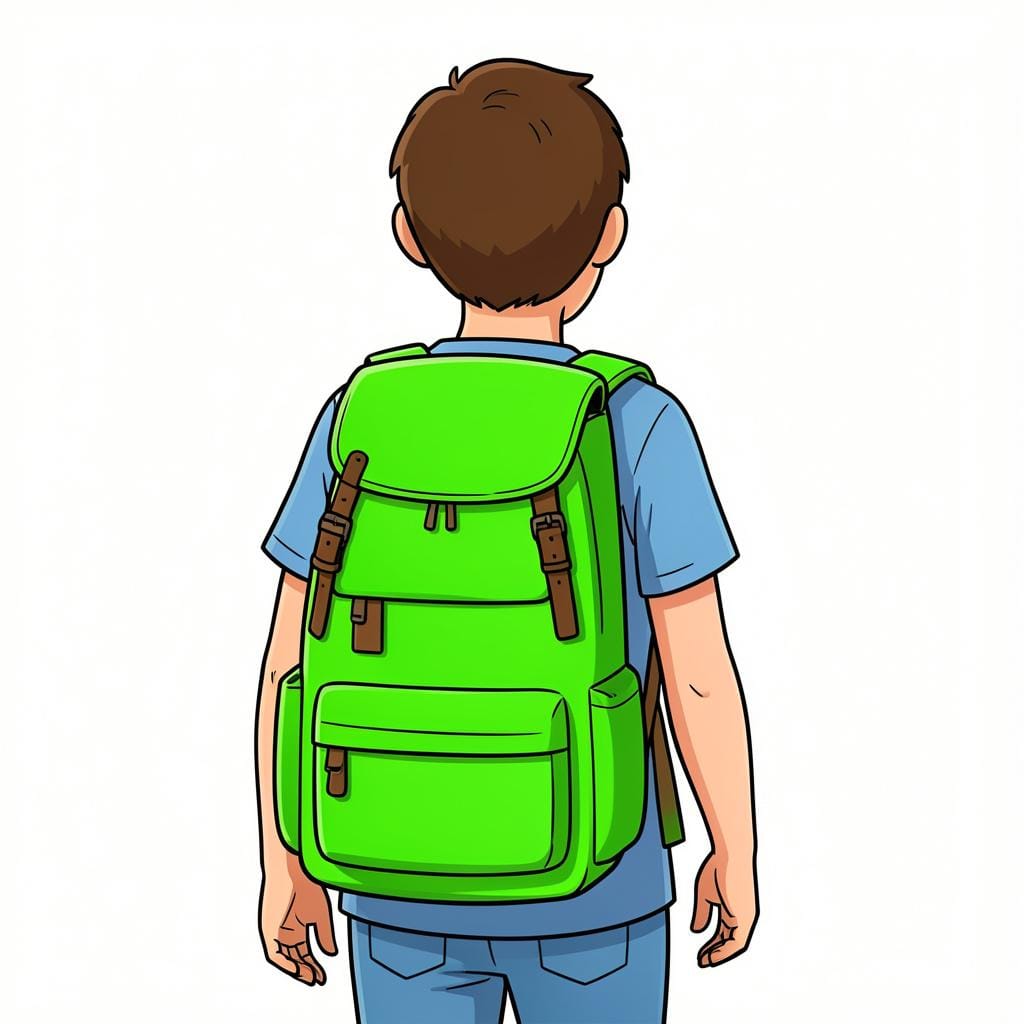
posterior
poh-steh-RYOHRpos.teˈɾjoɾ
Examples
La puerta posterior del edificio está abierta.
The back door of the building is open.
En una fecha posterior decidiremos los detalles.
At a later date we will decide the details.
El éxito fue posterior a mucho esfuerzo.
Success came after a lot of effort.
Ese ejercicio fortalece los músculos del posterior.
That exercise strengthens the muscles of the rear.
One Form for All
This word is great because it doesn't change its ending for masculine or feminine. You can say 'el lado posterior' or 'la parte posterior' without changing the word!
Don't add an 'a'
Mistake: “la parte posteriora”
Correction: la parte posterior
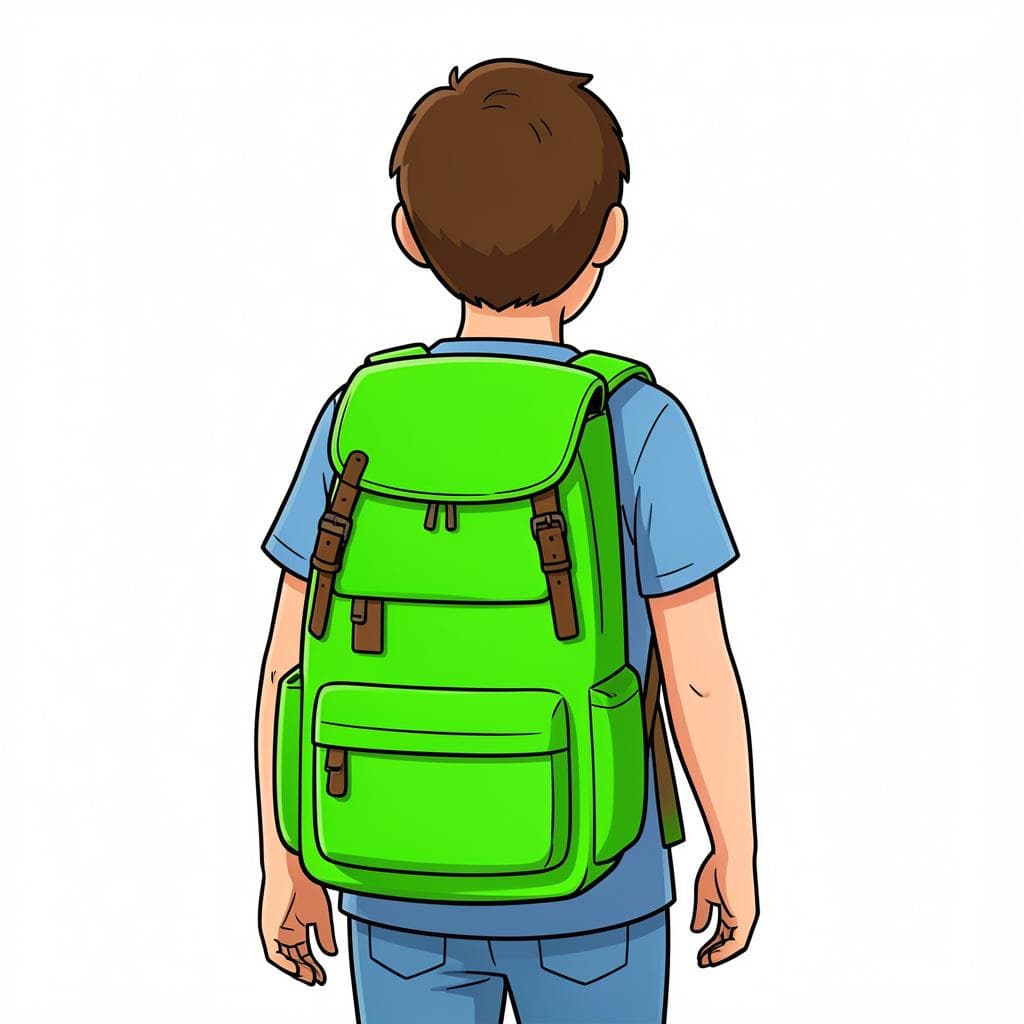
espaldas
es-PAL-dasesˈpalðas

Examples
Me duele la parte baja de las espaldas después de cargar las cajas.
The lower part of my back hurts after carrying the boxes.
¿Puedes ponerme crema solar en las espaldas, por favor?
Can you put sunscreen on my back, please?
Plural for Body Parts
Even when talking about a single person, Spanish often uses the plural 'las espaldas' when referring to the back area, though the singular 'la espalda' is also correct and common.
Using 'el' instead of 'la'
Mistake: “El espaldas.”
Correction: Las espaldas (or La espalda). Remember, this word is feminine.
posterior
poh-steh-RYOHRpos.teˈɾjoɾ
Examples
Ese ejercicio fortalece los músculos del posterior.
That exercise strengthens the muscles of the rear.
La puerta posterior del edificio está abierta.
The back door of the building is open.
En una fecha posterior decidiremos los detalles.
At a later date we will decide the details.
El éxito fue posterior a mucho esfuerzo.
Success came after a lot of effort.
One Form for All
This word is great because it doesn't change its ending for masculine or feminine. You can say 'el lado posterior' or 'la parte posterior' without changing the word!
Don't add an 'a'
Mistake: “la parte posteriora”
Correction: la parte posterior
Human Back vs. Vehicle Rear
Related Translations
Learn Spanish with Inklingo
Interactive stories, personalized learning, and more.