How to Say "buttocks" in Spanish
The most common Spanish word for “buttocks” is “trasero” — use 'trasero' when referring to the buttocks in a neutral, anatomical, or general context, especially when talking about an injury or sitting.

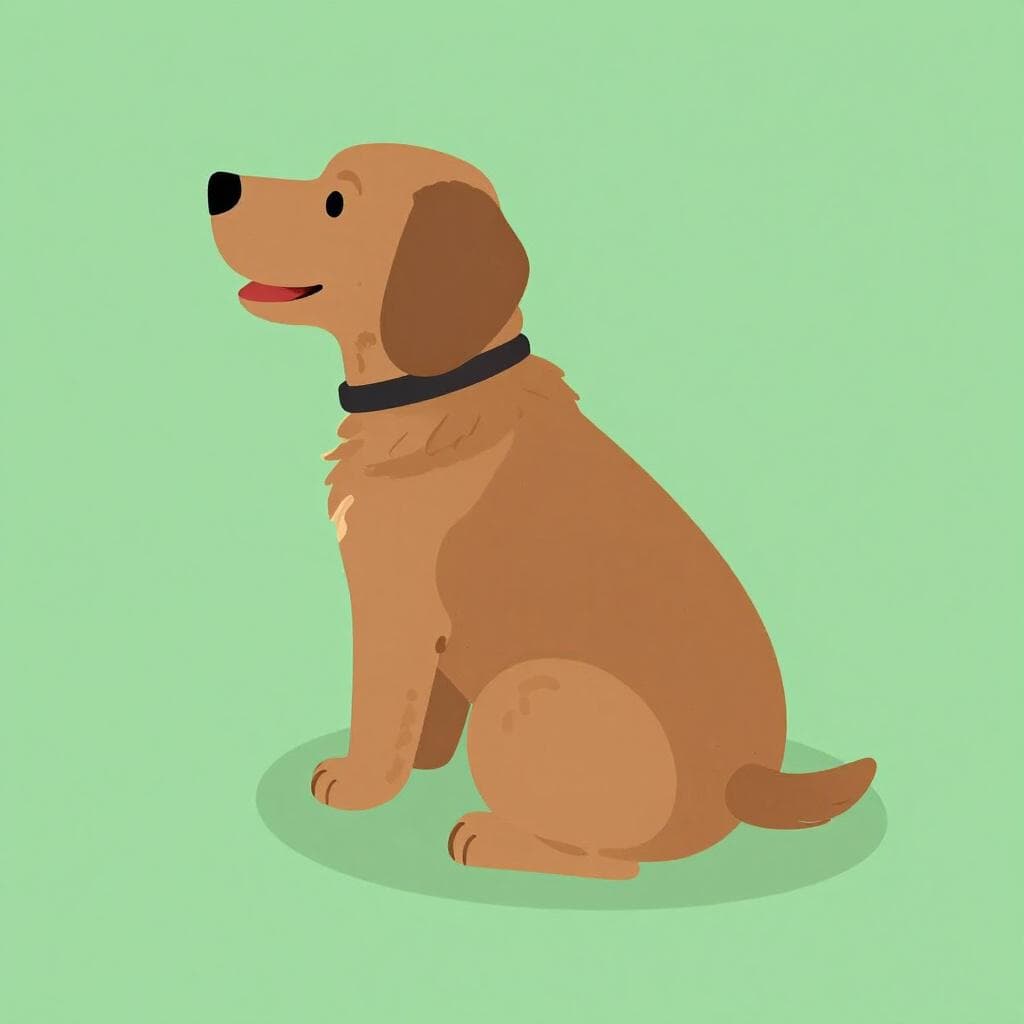
trasero
tra-SE-rotɾaˈseɾo

Examples
Se sentó bruscamente y le dolió el trasero.
He sat down abruptly and hurt his bottom.
El bebé se cayó y se dio un golpe en el trasero.
The baby fell and got a bump on his bottom.
Me duele el trasero de estar sentado en esta silla tan dura.
My bottom hurts from sitting in this hard chair.
Hizo ejercicio para fortalecer los músculos del trasero.
He exercised to strengthen his butt muscles.
Choosing the Right Word
Mistake: “Using 'culo' in a conversation where 'trasero' would be more appropriate.”
Correction: Be careful with synonyms! 'Culo' is very informal and often considered vulgar. 'Nalgas' or 'glúteos' are more formal or medical. 'Trasero' is a great, safe, everyday choice that most people use.
rabo
rah-bohˈra.βo
Examples
¡Qué trasero tan bonito tiene!
What a nice butt he/she has!
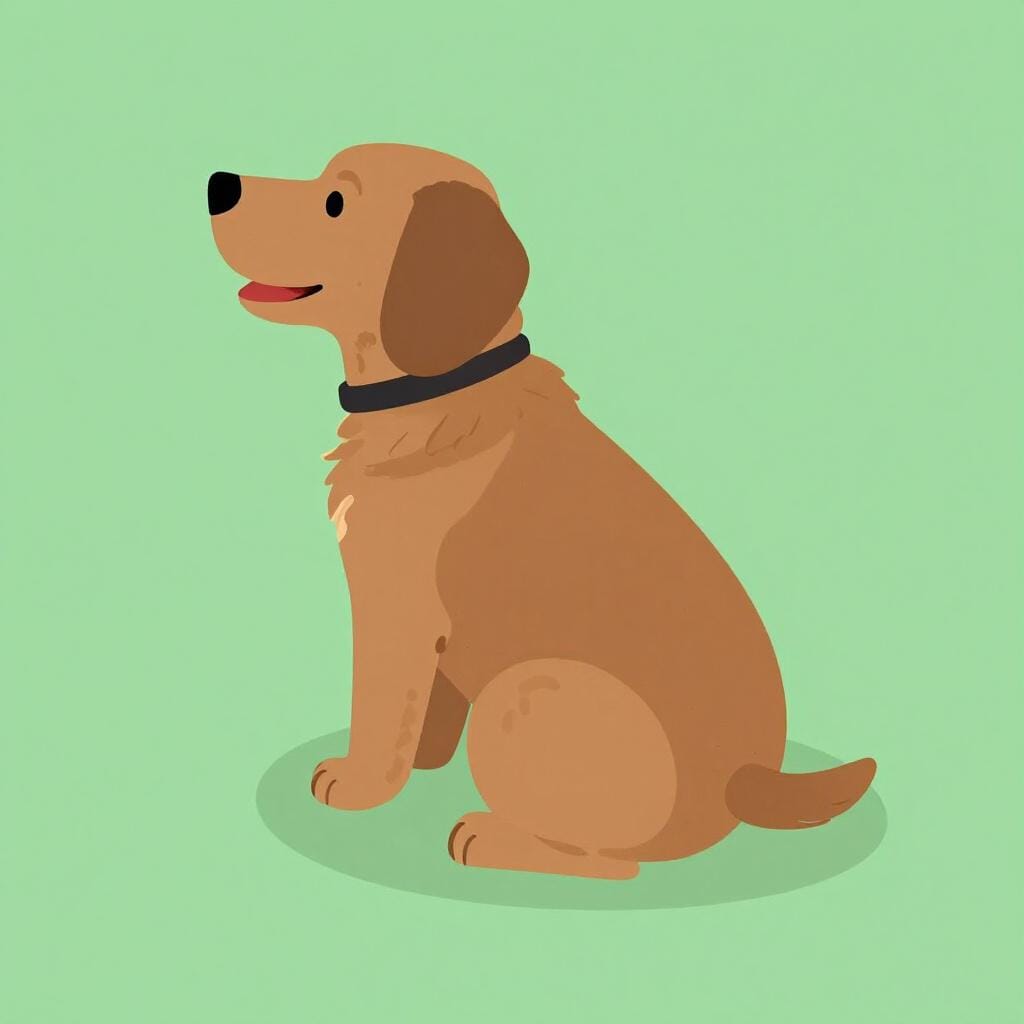
El perro movía el rabo con mucha alegría.
The dog was wagging its tail with great joy.
Hoy vamos a cocinar rabo de toro estofado.
Today we are going to cook stewed oxtail.
El cerdo tiene un rabo pequeño y rizado.
The pig has a small, curly tail.
Rabo vs. Cola
While both mean 'tail,' 'rabo' is often used for shorter, thicker tails (like a pig's or bull's) or specifically in cooking. 'Cola' is more common for birds, long-haired animals, or objects like planes and lines of people.
Always Masculine
Even if you are talking about a female dog or a cow, the word for tail is always 'el rabo'. The gender of the object doesn't change based on the animal.
Using 'rabo' for objects
Mistake: “El rabo del avión.”
Correction: La cola del avión. (Spanish uses 'cola' for the tail of a plane, a comet, or a line of people.)
Confusing 'rabo' with 'tail'
Learn Spanish with Inklingo
Interactive stories, personalized learning, and more.