How to Say "corner" in Spanish
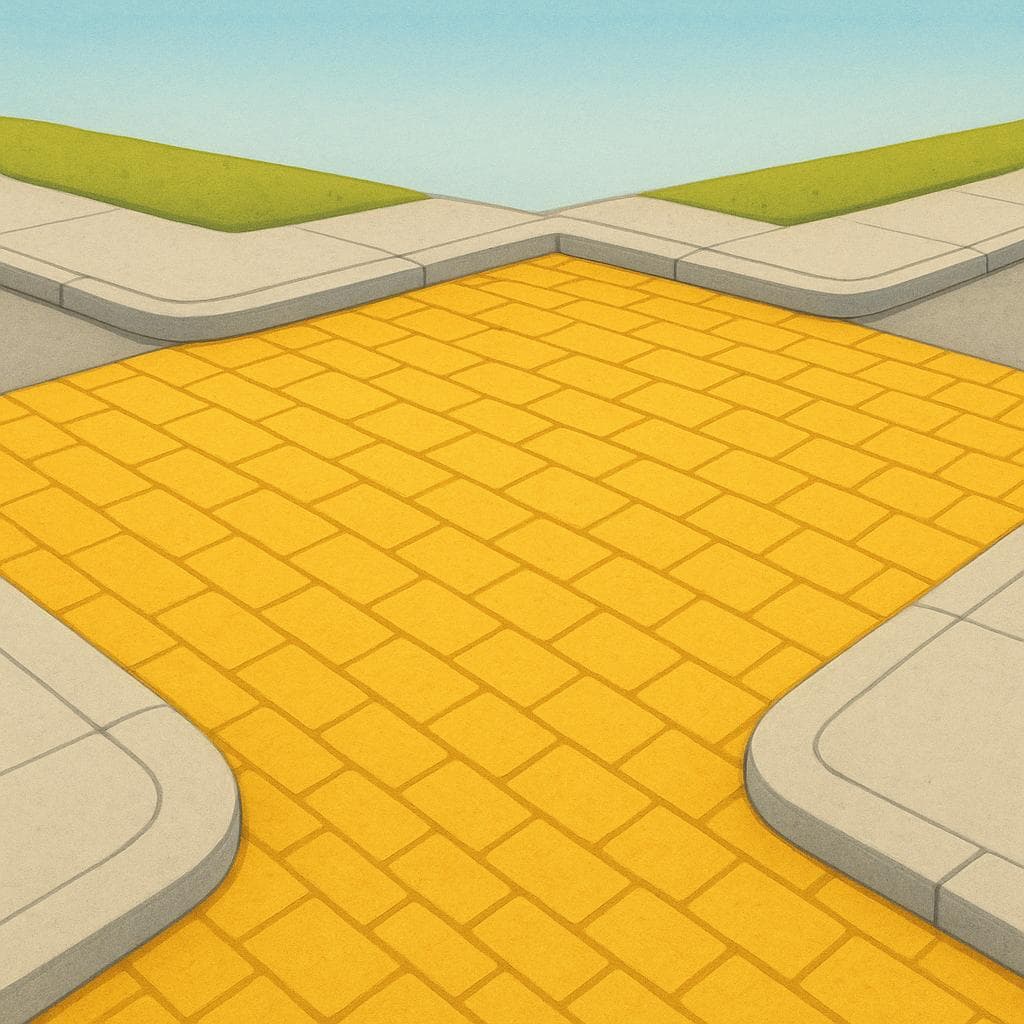
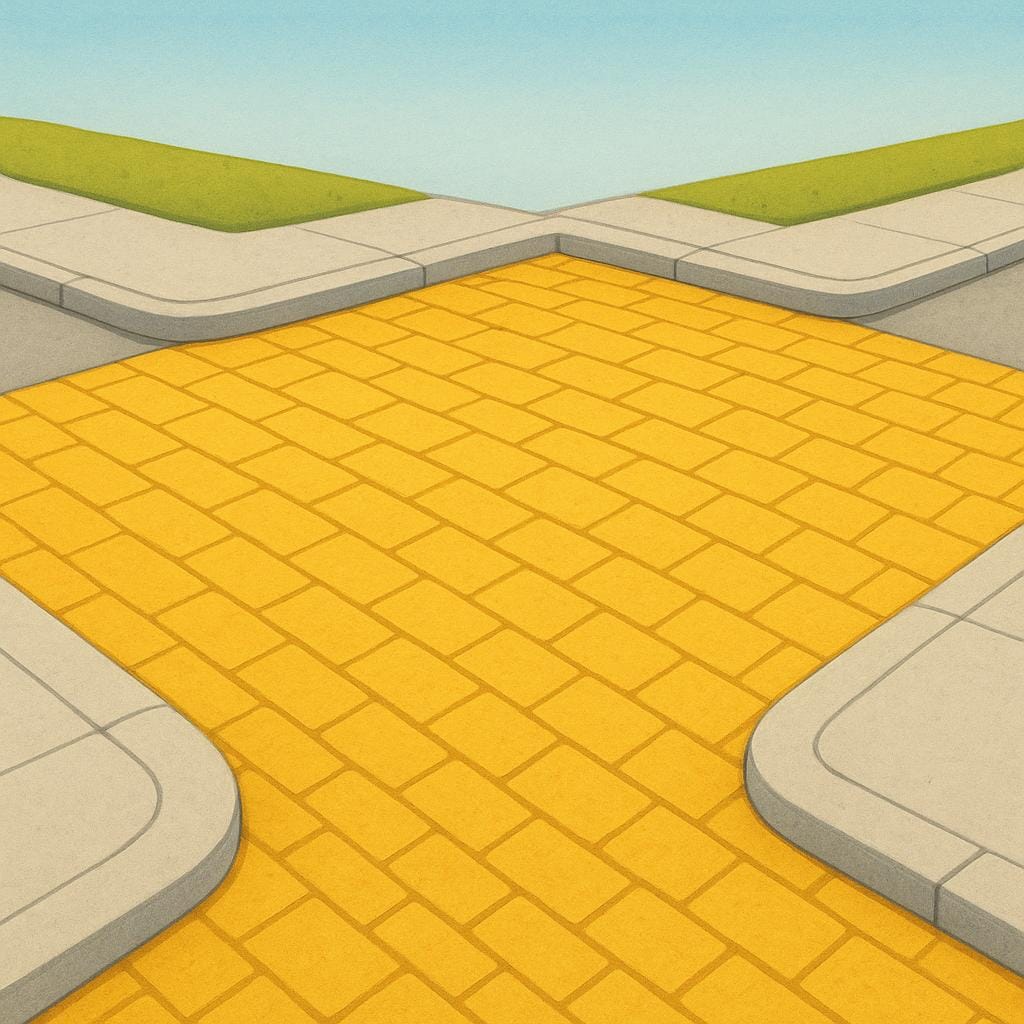
The most common Spanish word for “corner” is “esquina” — use 'esquina' for the corner of a street, a room, or the outside corner of an object.



esquina
ess-KEE-nahesˈkina
Examples
La tienda está justo en la esquina.
The shop is right on the corner.
La farmacia está en la esquina de la calle principal.
The pharmacy is on the corner of the main street.
Tuvimos que doblar la esquina para ver el mural.
We had to turn the corner to see the mural.
Se me dobló la esquina de la página del libro.
The corner of the book page got folded.
Feminine Noun
Esquina is always feminine, so you must use 'la' or 'una' before it: 'la esquina'.
Esquina vs. Rincón
Mistake: “Using 'rincón' when talking about a street corner.”
Correction: Use 'esquina' for outside corners (streets) and 'rincón' for inside corners or cozy, hidden corners (of a room).
rincón
Examples
Me gusta leer en mi rincón favorito del sofá.
I like to read in my favorite corner of the sofa.
ángulo
Examples
El arquitecto dibujó un ángulo de 90 grados.
The architect drew a 90-degree angle.
canto
KAN-tohˈkanto

Examples
Ten cuidado de no golpearte con el canto de la mesa.
Be careful not to hit yourself on the edge of the table.
El libro cayó y golpeó el canto de la mesa.
The book fell and hit the edge of the table.
Puso la moneda de canto para hacerla girar.
He put the coin on its edge to spin it.
Edge vs. Corner
Mistake: “Using 'esquina' for the edge of a flat object.”
Correction: 'Esquina' usually means a street corner or the corner where two walls meet. Use 'canto' or 'borde' for the thin side of a book, table, or coin.
atrapar
a-tra-para.tɾaˈpaɾ

Examples
El reportero intentó atrapar al político con preguntas incisivas.
The reporter tried to corner the politician with incisive questions.
Los periodistas intentaron atrapar al político con una pregunta difícil.
The journalists tried to corner the politician with a difficult question.
La policía atrapó al ladrón justo cuando intentaba escapar.
The police trapped the thief just as he was trying to escape.
Lo atrapamos en una contradicción, ¡así supimos que mentía!
We caught him out in a contradiction, that's how we knew he was lying!
rabo
rah-bohˈra.βo

Examples
No puedo comer la manzana si tiene el rabo.
I can't eat the apple if it has the stem.
No te comas el rabo de la manzana.
Don't eat the apple stem.
Le quité el rabo a las cerezas antes de lavarlas.
I took the stems off the cherries before washing them.
Lo miró por el rabo del ojo para que no se diera cuenta.
She looked at him out of the corner of her eye so he wouldn't notice.
Specific Plant Parts
Use 'rabo' for the part where you pick up a cherry or an apple. For the main trunk of a flower, 'tallo' is more accurate.
Esquina vs. Rincón
Related Translations
Learn Spanish with Inklingo
Interactive stories, personalized learning, and more.