How to Say "edge" in Spanish
The most common Spanish word for “edge” is “borde” — use 'borde' for the physical outer limit or boundary of something, like a pool, a cliff, or a table.



borde
BOAR-dehˈboɾ.ðe
Examples
Ten cuidado de no caerte del borde de la piscina.
Be careful not to fall off the edge of the pool.
El borde del plato estaba decorado con oro.
The rim of the plate was decorated with gold.
Estábamos al borde de la desesperación.
We were on the verge of desperation.
Masculine Noun Rule
'Borde' is always a masculine noun, so you must use 'el' or 'un' before it.
Confusing 'Borde' and 'Esquina'
Mistake: “Using 'borde' when you mean 'corner' (esquina).”
Correction: Use 'borde' for the length of an edge, and 'esquina' for where two edges meet.
orilla
oh-REE-yahoˈɾiʝa
Examples
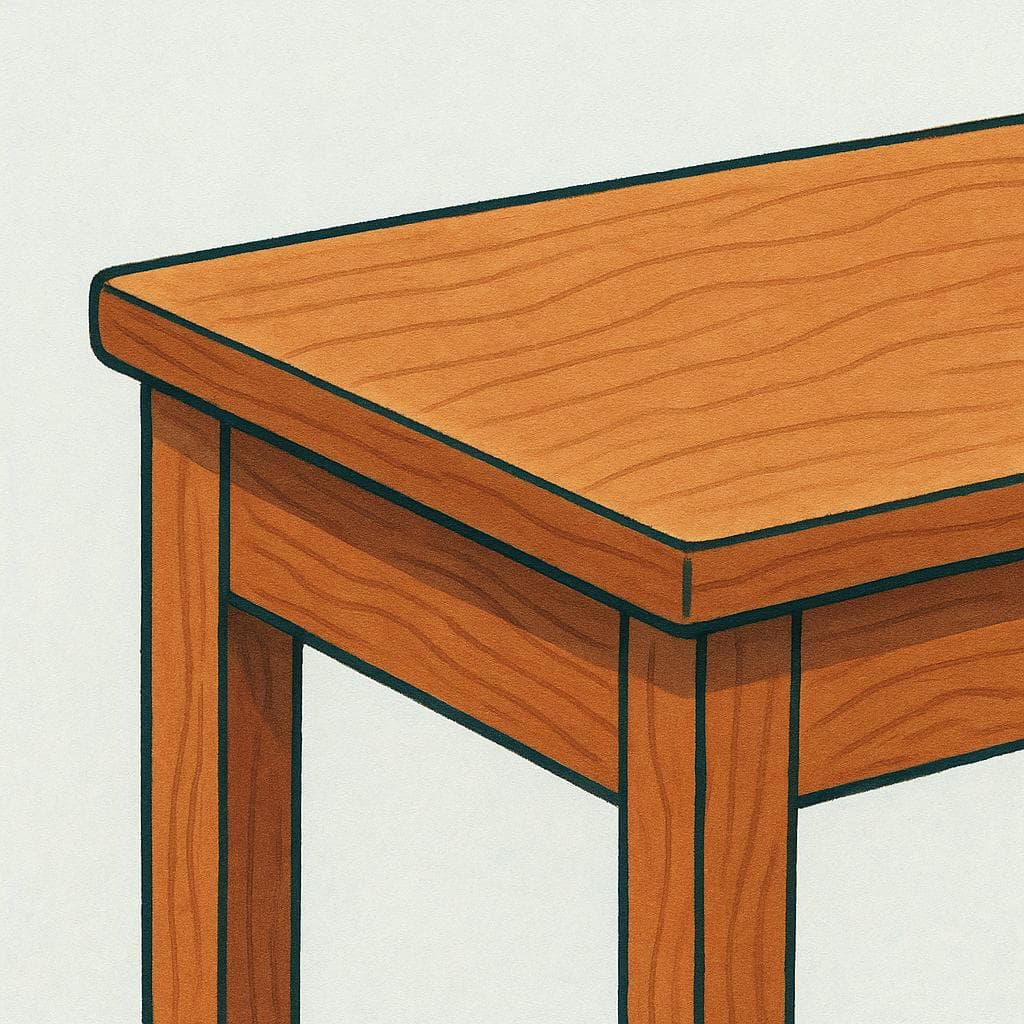
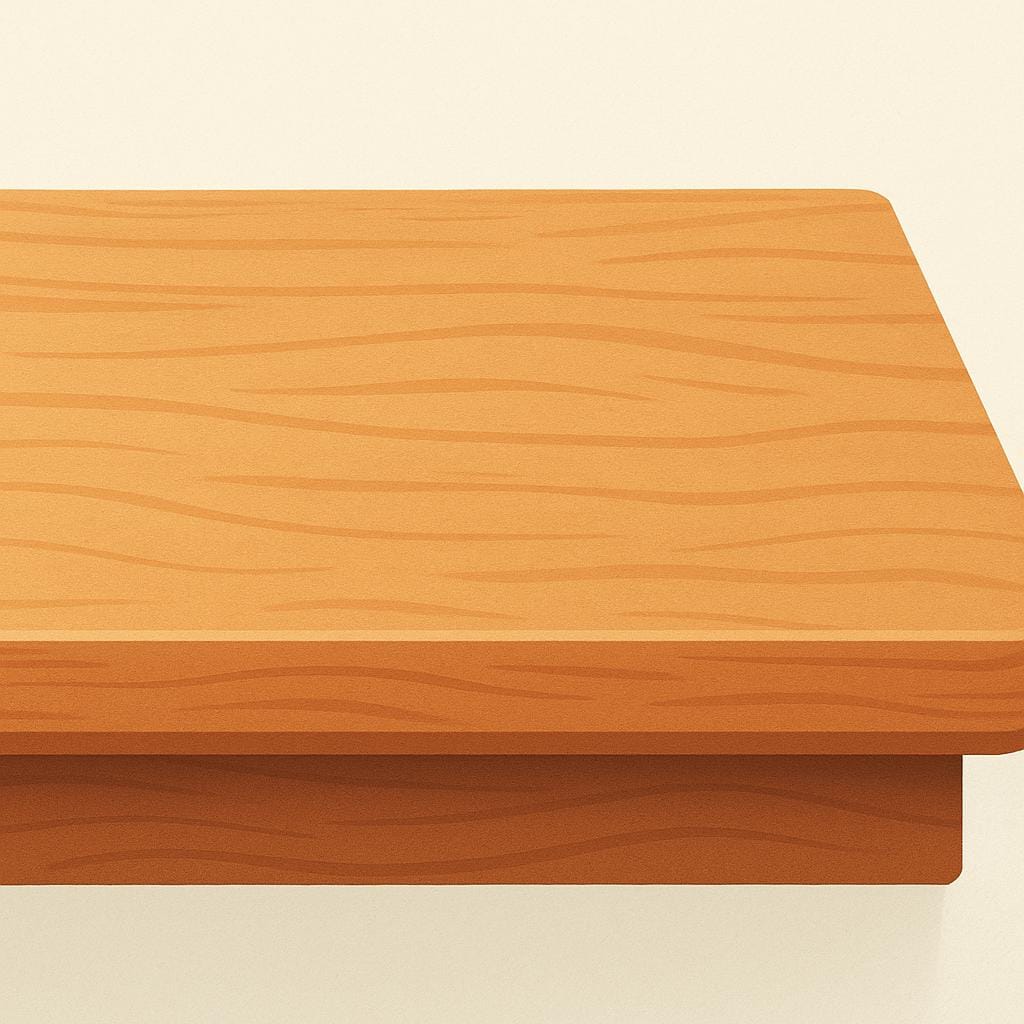
Ten cuidado, el plato está justo en la orilla de la mesa.
Be careful, the plate is right on the edge of the table.
Vivimos en la orilla de la ciudad, cerca del campo.
We live on the border/outskirts of the city, near the countryside.
Figurative Use
Just like in English, 'orilla' can be used figuratively to mean being close to a major change or emotion (e.g., 'on the edge of success').
extremo
eks-TREH-moheksˈtɾemo
Examples
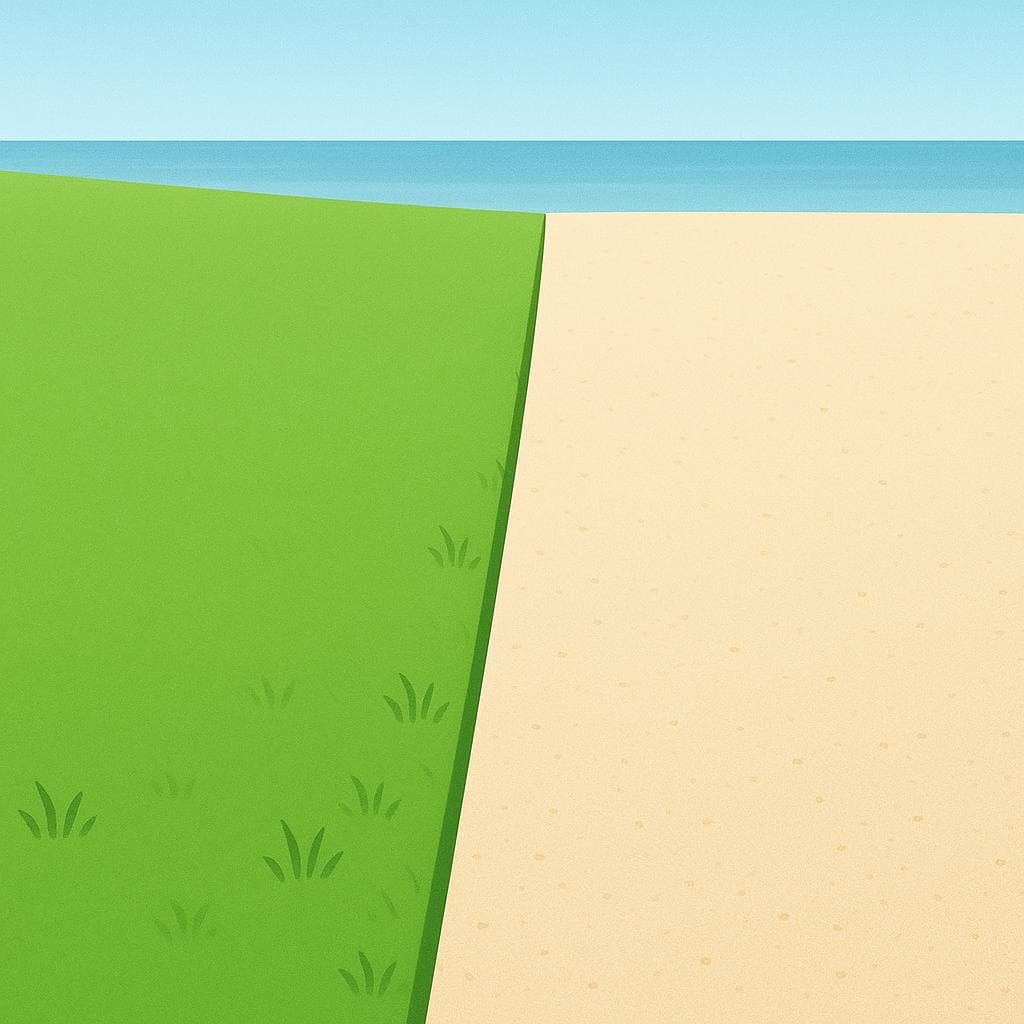
Llegamos al extremo de la playa.
We arrived at the end/edge of the beach.
Él siempre lleva las cosas al extremo.
He always takes things to the extreme (or limits).
Asegura el extremo libre de la cuerda.
Secure the free end of the rope.
Using 'Extremo' as a Noun
When used as a noun, 'extremo' (masculine) refers to a specific point or boundary, often physical. If referring to a body part, use 'extremidad' (limb/extremity, feminine).
canto
KAN-tohˈkanto

Examples
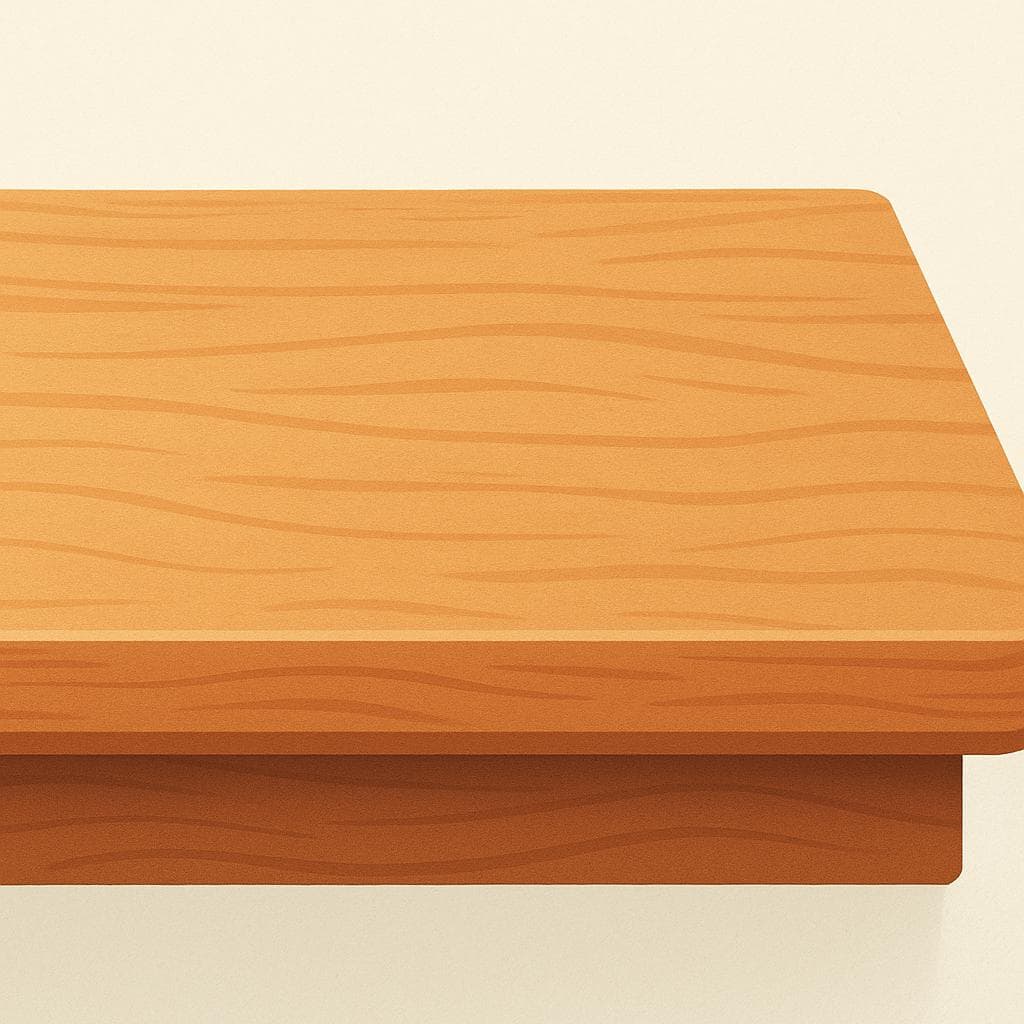
El libro cayó y golpeó el canto de la mesa.
The book fell and hit the edge of the table.
Puso la moneda de canto para hacerla girar.
He put the coin on its edge to spin it.
Edge vs. Corner
Mistake: “Using 'esquina' for the edge of a flat object.”
Correction: 'Esquina' usually means a street corner or the corner where two walls meet. Use 'canto' or 'borde' for the thin side of a book, table, or coin.
filo
FEE-lohˈfi.lo
Examples
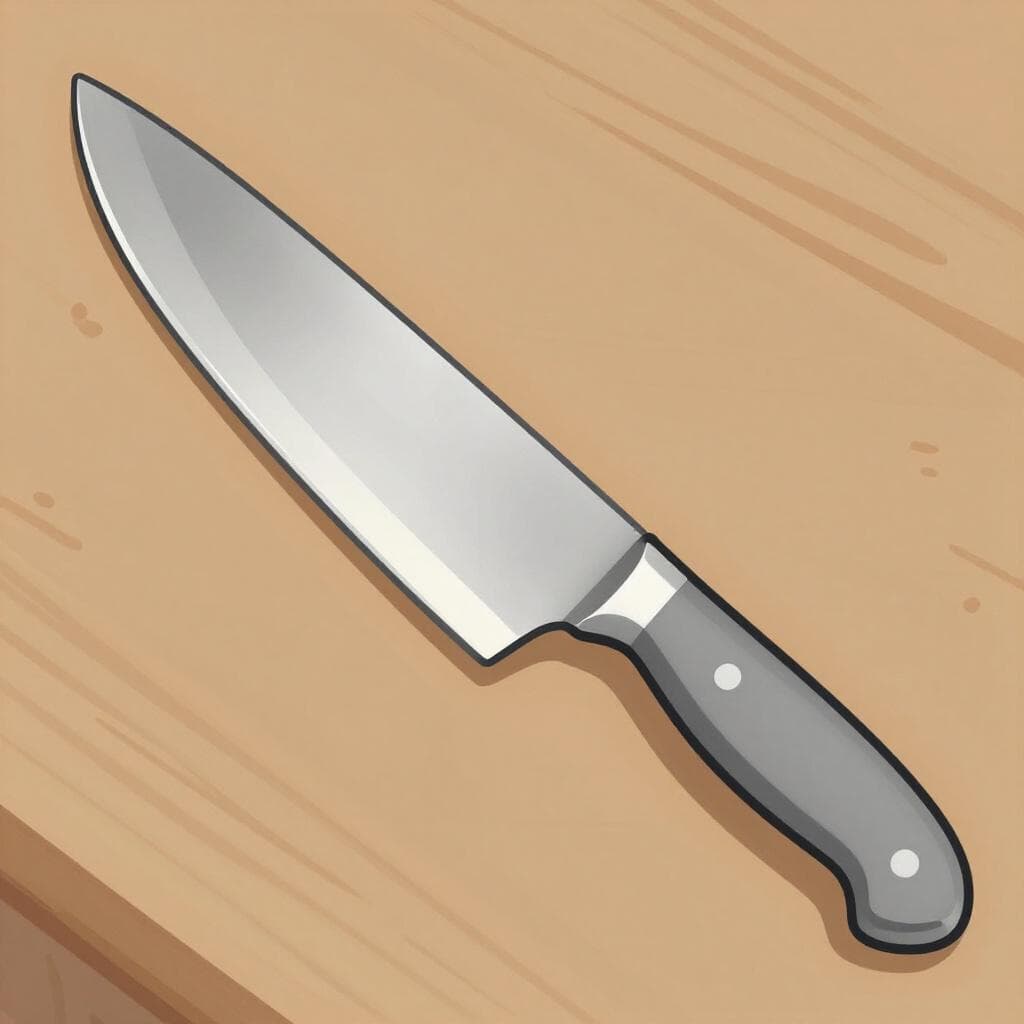
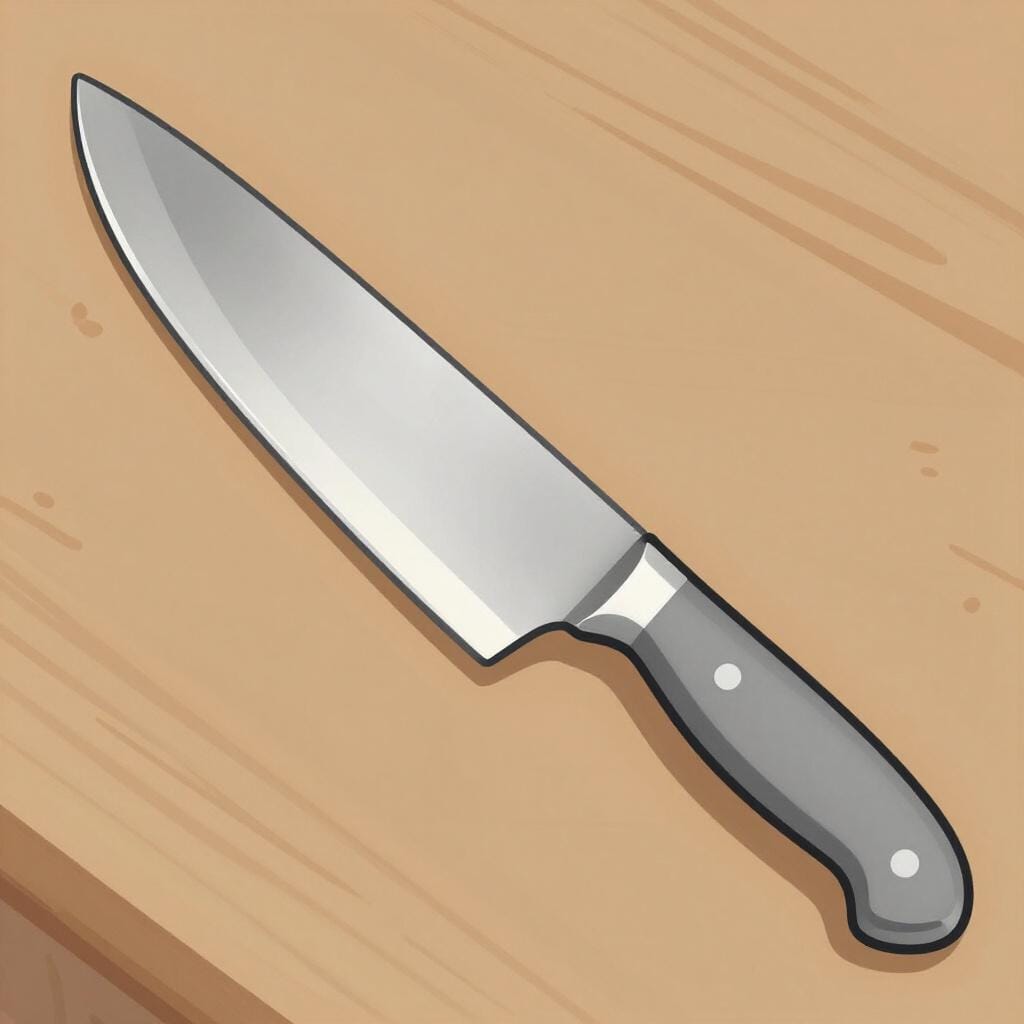
Ten cuidado, el cuchillo tiene mucho filo.
Be careful, the knife has a very sharp edge.
Le saqué filo a las tijeras porque no cortaban bien.
I sharpened the scissors because they weren't cutting well.
La espada perdió su filo después de la batalla.
The sword lost its edge after the battle.
Using 'tener' with 'filo'
In Spanish, we say a knife 'has edge' (tiene filo) rather than saying it 'is sharp' (es afilado), though both are possible. 'Tiene filo' is the most natural way to describe it in a kitchen.
The preposition 'al'
When using 'filo' to mean the 'brink' of time, always use 'al filo de' (at the edge of). Example: 'Al filo de la medianoche' (Right at/around midnight).
Filo vs. Afilado
Mistake: “El cuchillo está filo.”
Correction: El cuchillo tiene filo o está afilado.
límite
Examples
Esta valla marca el límite de nuestra propiedad.
This fence marks the boundary/edge of our property.
bordo
BOR-dohˈboɾ.ðo
Examples
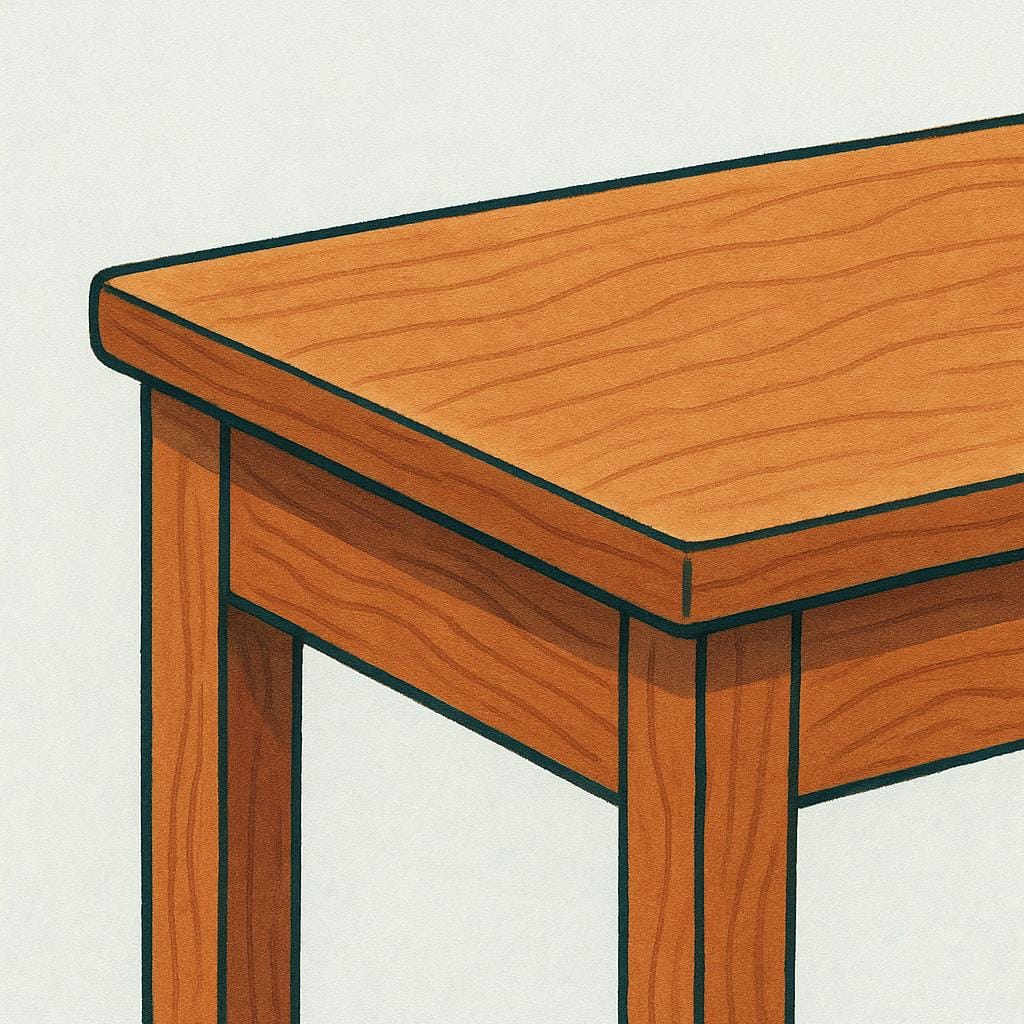
El carpintero lijó el bordo de la mesa para suavizarlo.
The carpenter sanded the edge of the table to smooth it.
Tuvimos que reforzar el bordo del pozo.
We had to reinforce the rim of the well.
punta
POON-tahˈpunta
Examples
La Punta Cana es un destino turístico muy famoso.
Punta Cana is a very famous tourist destination (referring to the cape/headland).
Nos encontramos en la punta de la calle.
We met at the end of the street.
Geographical Use
When referring to a geographical feature like a cape, 'punta' is often part of a proper noun (e.g., Punta del Este).
vera
VAY-rahˈbeɾa
Examples
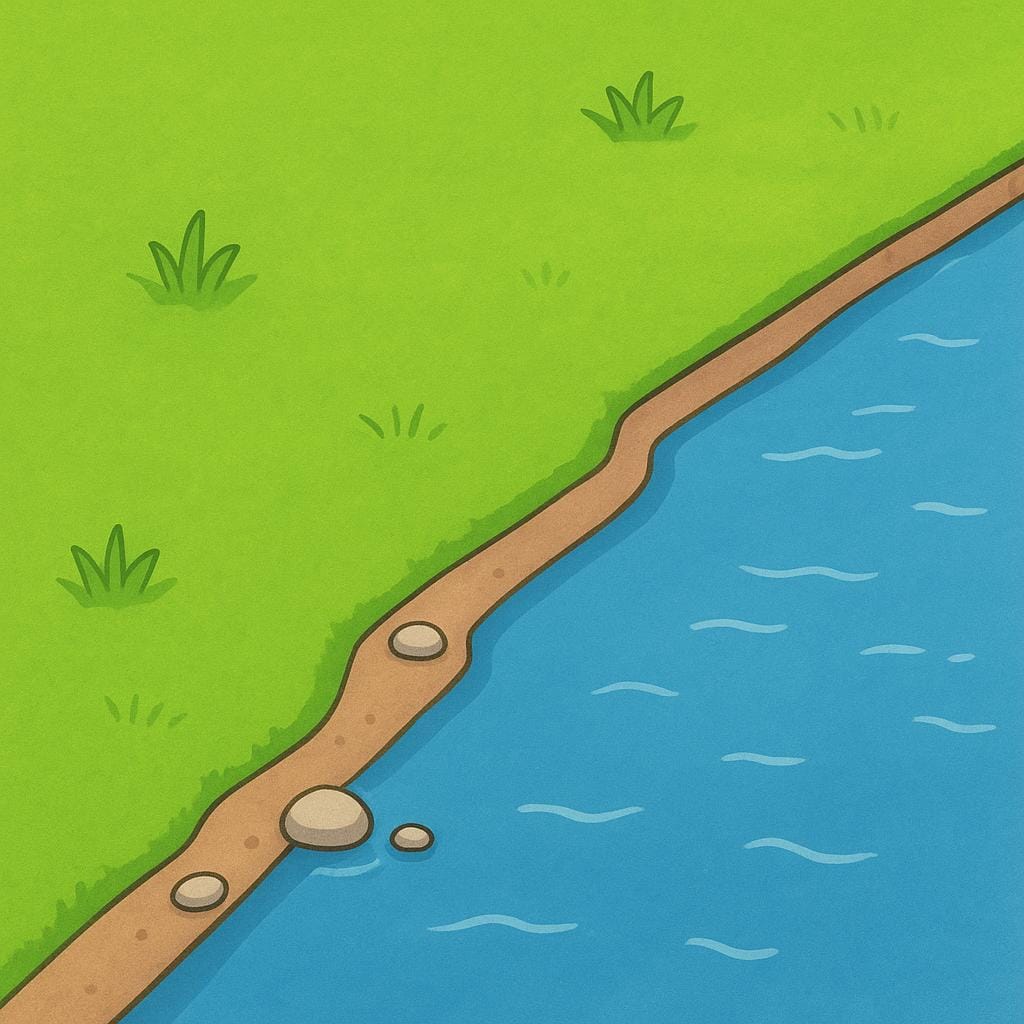
Caminamos por la vera del camino hasta encontrar el pueblo.
We walked along the edge of the road until we found the town.
El picnic fue a la vera del río, bajo un gran árbol.
The picnic was on the bank of the river, under a large tree.
Always Feminine
Remember to always use the feminine article 'la' with 'vera': 'la vera'.
Confusing with 'Verdad'
Mistake: “Using 'vera' when you mean 'truth' (verdad).”
Correction: 'Vera' refers to a physical edge; use 'verdad' for truth.
labio
lah-bee-ohˈla.βjo

Examples
Tengo los labios secos por el frío.
My lips are dry because of the cold.
Ella se pintó los labios de color rojo.
She painted her lips red.
El niño se mordió el labio inferior porque tenía miedo.
The boy bit his lower lip because he was scared.
Using 'The' instead of 'My'
In Spanish, we usually use words like 'el' or 'los' (the) instead of 'mi' (my) when talking about body parts. Instead of 'Mis labios están secos,' say 'Tengo los labios secos.'
Always Masculine
The word 'labio' is always masculine, even if it refers to a woman's lips. You will always say 'el labio' or 'los labios.'
Confusing 'labio' and 'boca'
Mistake: “Me duele el labio (when you mean your whole mouth).”
Correction: Me duele la boca. Use 'labio' specifically for the fleshy parts, and 'boca' for the entire mouth structure.
esquina
ess-KEE-nahesˈkina
Examples
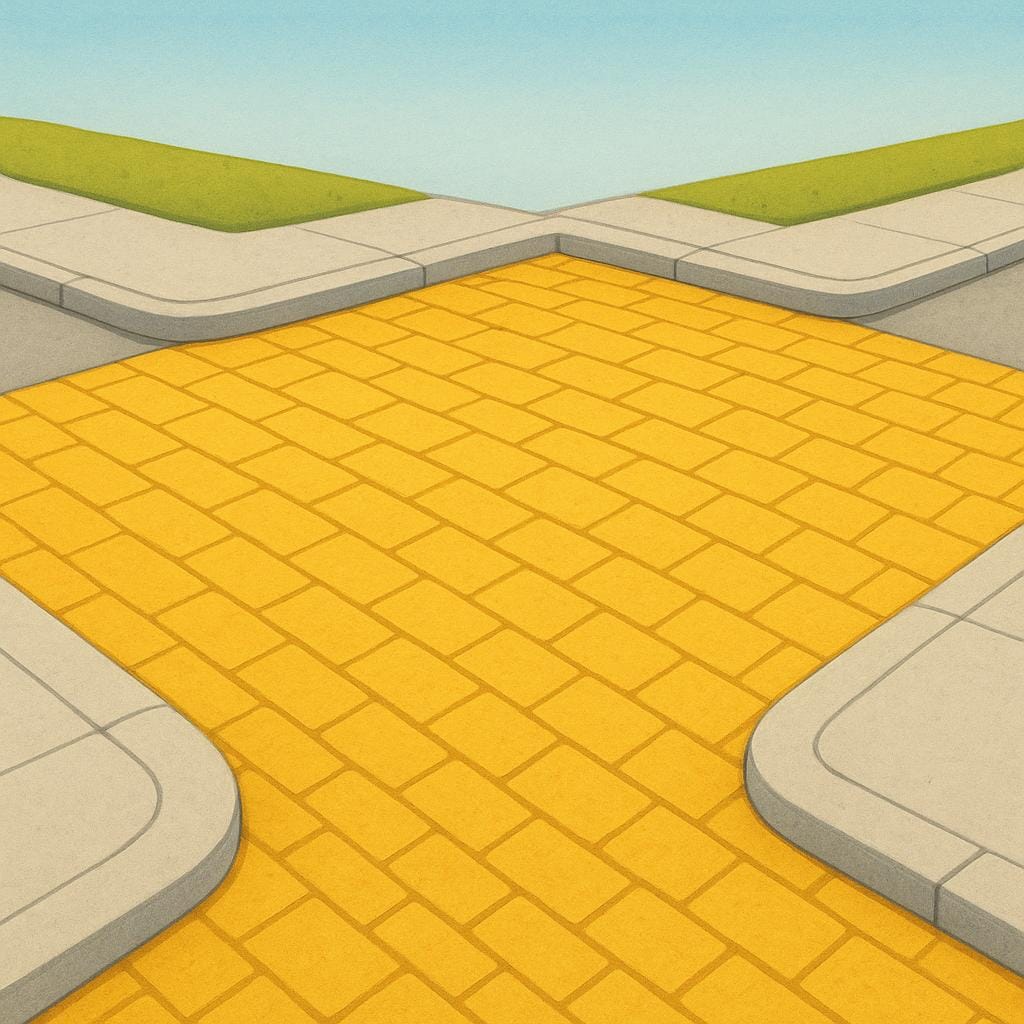
La farmacia está en la esquina de la calle principal.
The pharmacy is on the corner/edge of the main street.
Tuvimos que doblar la esquina para ver el mural.
We had to turn the corner to see the mural.
Se me dobló la esquina de la página del libro.
The corner of the book page got folded.
Feminine Noun
Esquina is always feminine, so you must use 'la' or 'una' before it: 'la esquina'.
Esquina vs. Rincón
Mistake: “Using 'rincón' when talking about a street corner.”
Correction: Use 'esquina' for outside corners (streets) and 'rincón' for inside corners or cozy, hidden corners (of a room).
Edge vs. Corner vs. Sharp Edge
Learn Spanish with Inklingo
Interactive stories, personalized learning, and more.