orilla
“orilla” means “shore” in Spanish. It has 2 different meanings depending on context:
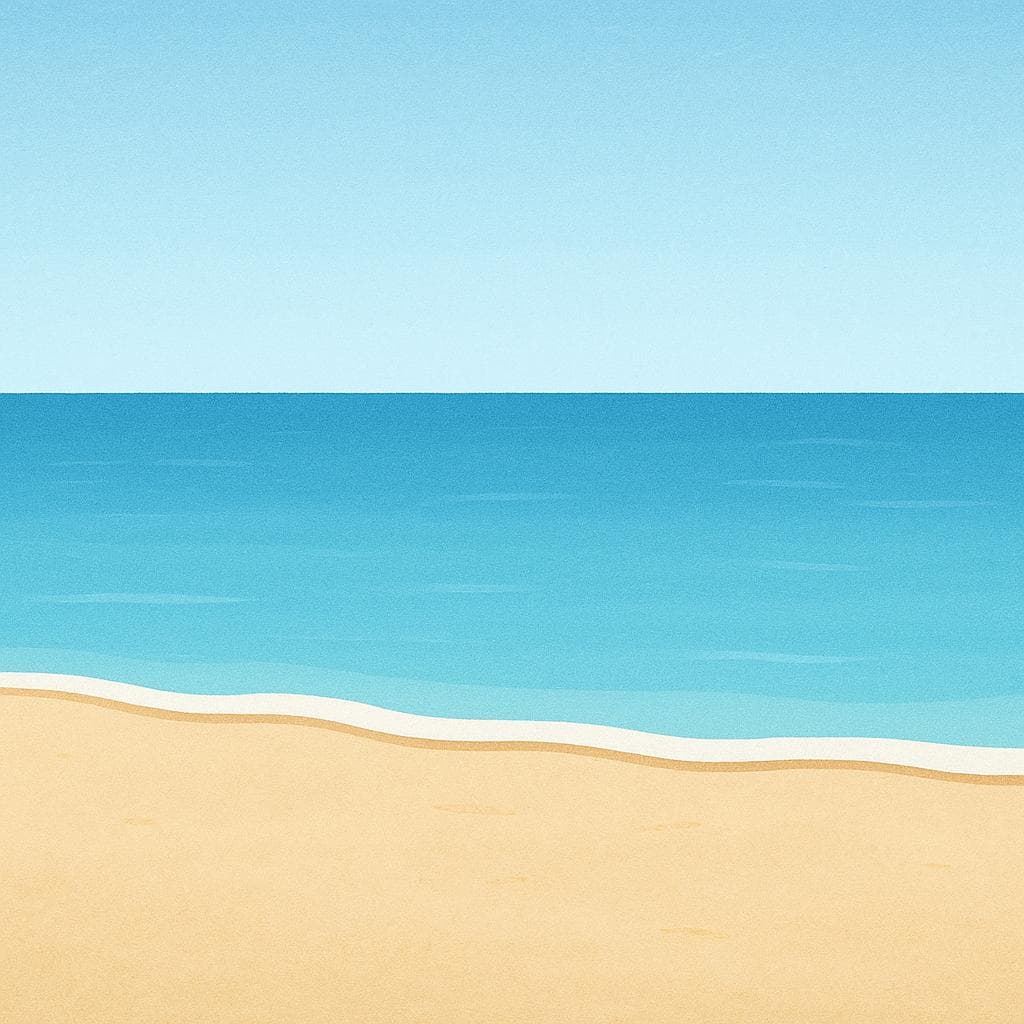
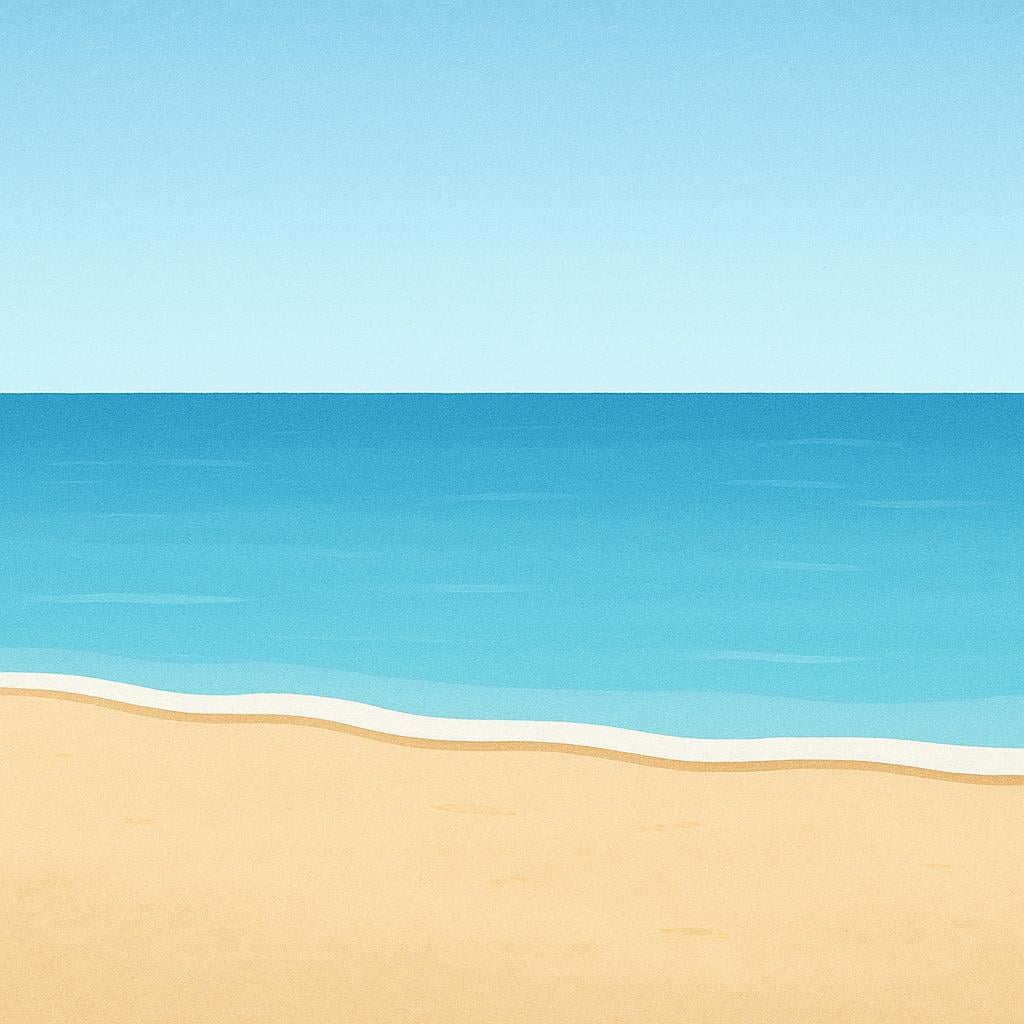
shore, bankAlso: waterside
📝 In Action
Nos sentamos en la orilla del mar a ver las olas.
A2We sat on the shore of the sea to watch the waves.
Los pescadores tienen sus redes en la orilla del río.
A2The fishermen have their nets on the bank of the river.
Word Connections
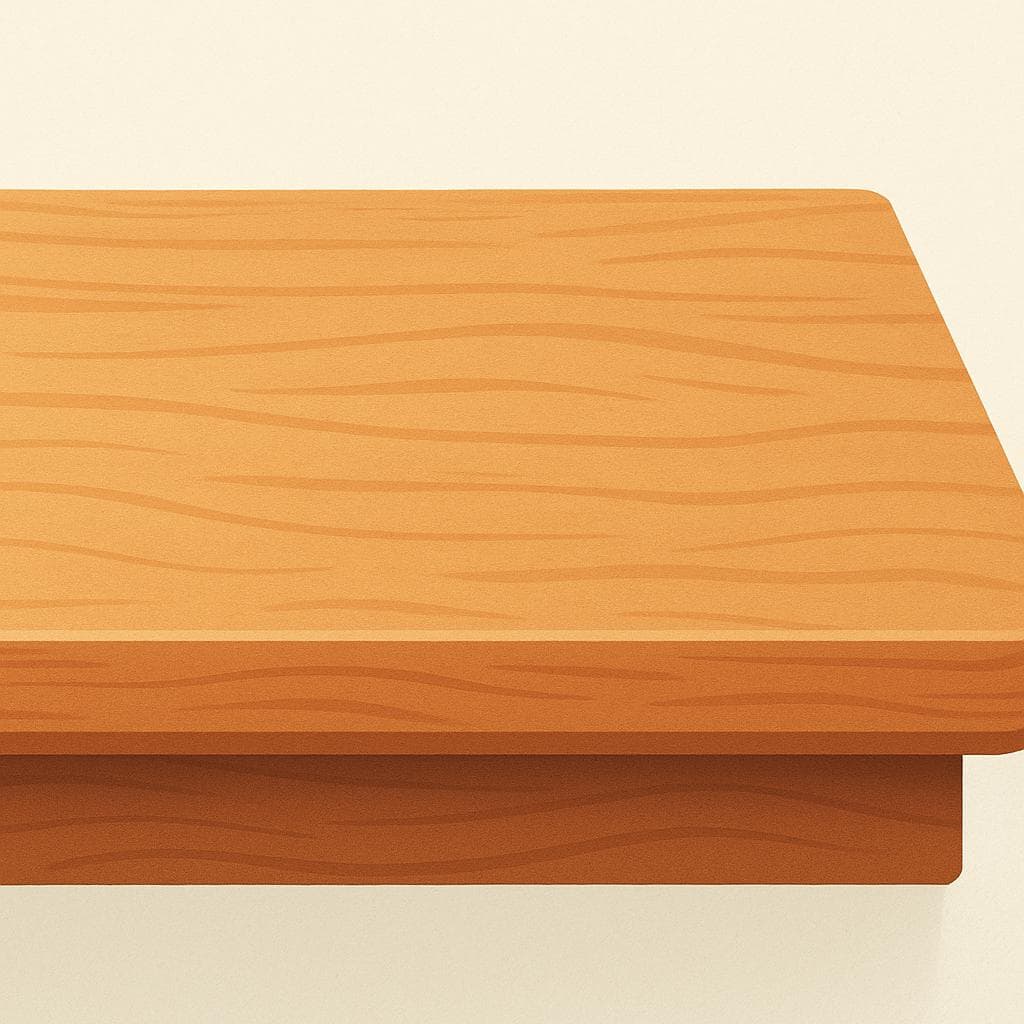
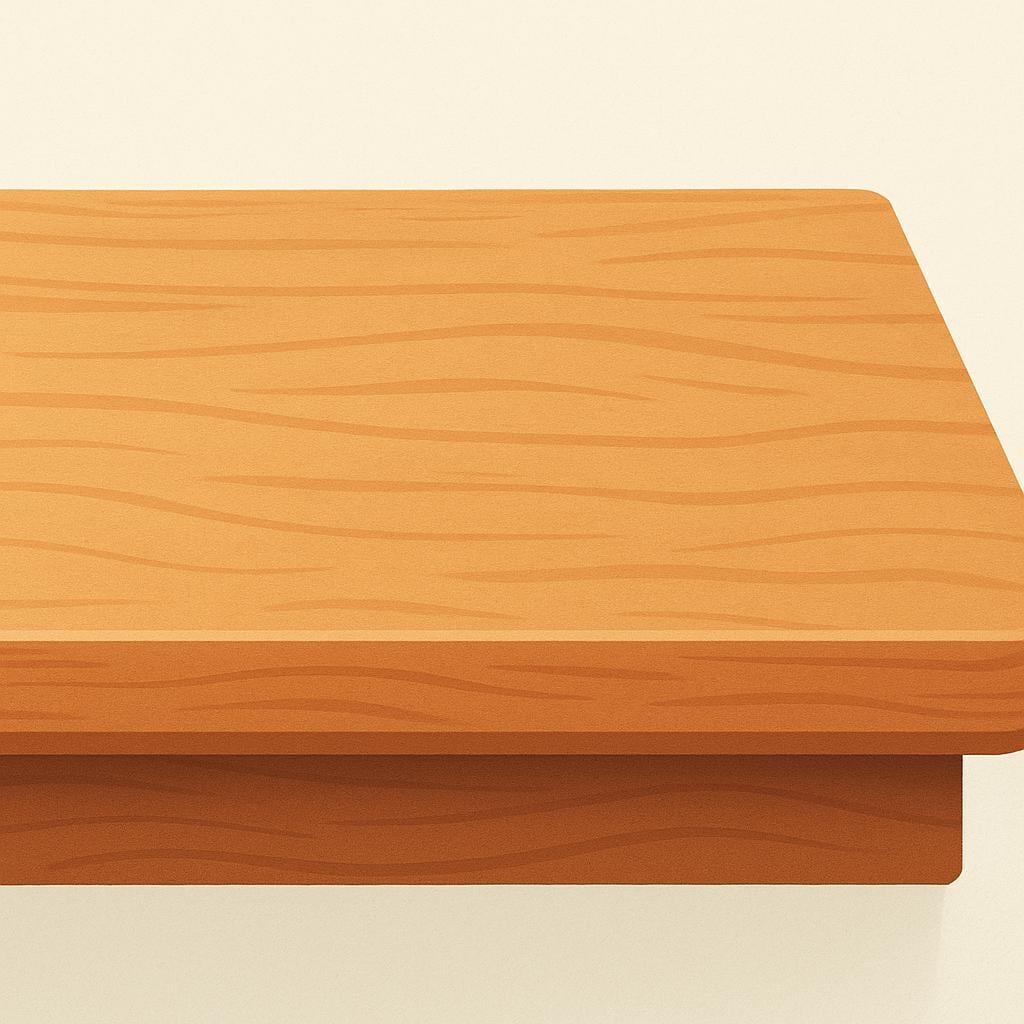
edge, borderAlso: verge
📝 In Action
Ten cuidado, el plato está justo en la orilla de la mesa.
B1Be careful, the plate is right on the edge of the table.
Vivimos en la orilla de la ciudad, cerca del campo.
B1We live on the border/outskirts of the city, near the countryside.
Word Connections
✏️ Quick Practice
Quick Quiz: orilla
Question 1 of 1
Which sentence uses 'orilla' in its meaning of 'edge of an object'?
📚 More Resources
👥 Word Family
📚 Etymology
The word comes from the Latin word *ora*, which meant 'edge' or 'border.' This original meaning expanded in Spanish to include the boundary where land meets water.
First recorded: Medieval Latin period
Cognates (Related words)
💡 Master Spanish
Take your Spanish to the next level. Read 200+ illustrated and narrated Spanish stories tailored to your level with the Inklingo app!
Frequently Asked Questions
How do I know if 'orilla' means 'shore' or 'edge'?
Look at the word it's paired with. If you see 'mar' (sea), 'río' (river), or 'lago' (lake), it means 'shore' or 'bank.' If you see 'mesa' (table), 'cama' (bed), or 'carretera' (road), it means 'edge' or 'side.'