How to Say "side" in Spanish
The most common Spanish word for “side” is “lado” — use 'lado' for the most general sense of a side, referring to an object, a place, or an aspect of a personality or situation.

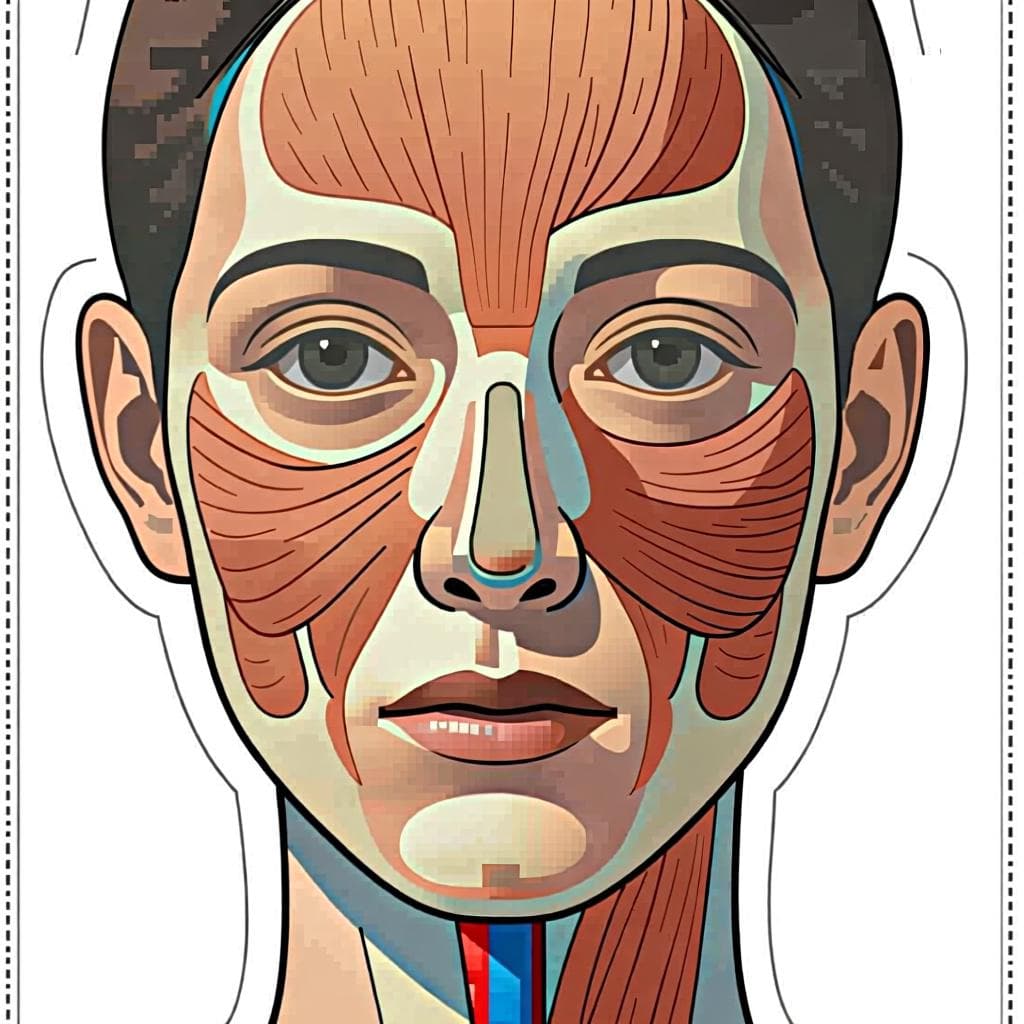

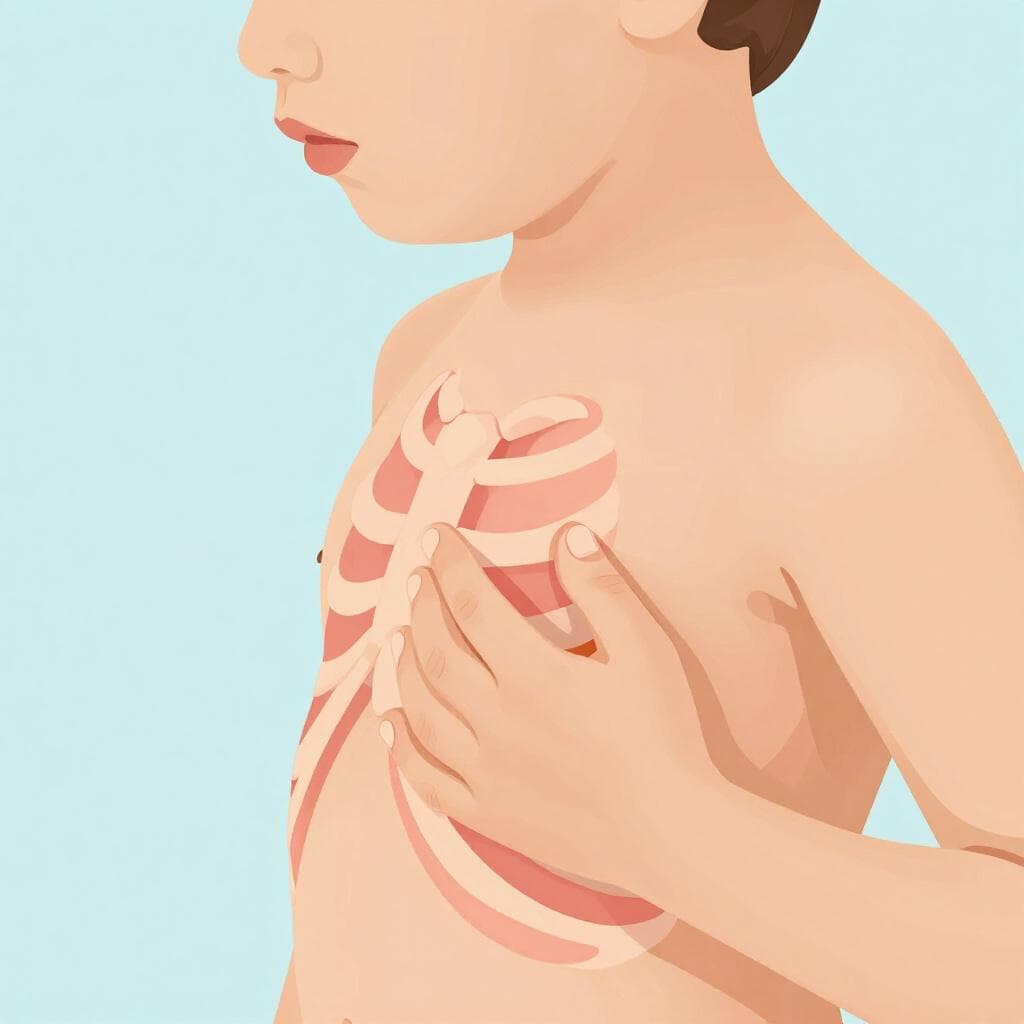


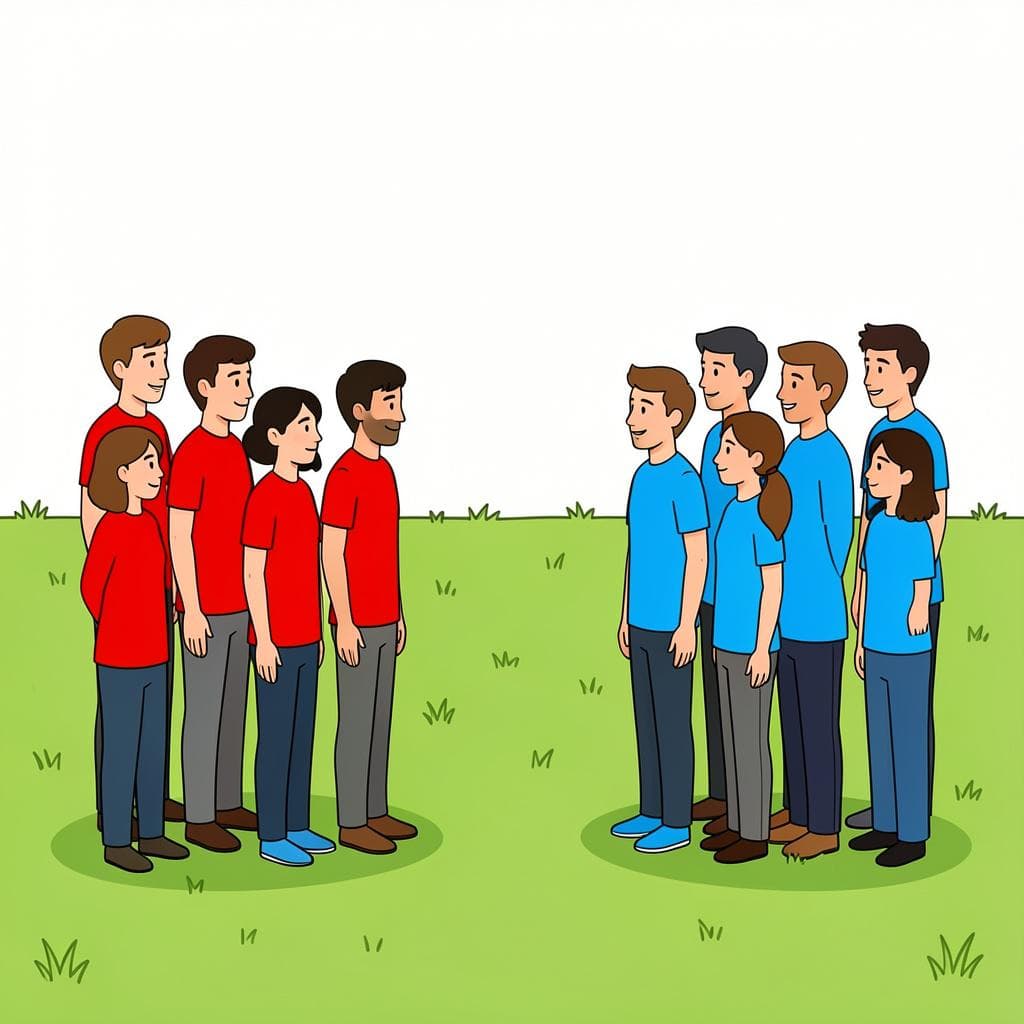







lado
la-dohˈla.ðo

Examples
El supermercado está al otro lado de la calle.
The supermarket is on the other side of the street.
Me duele el lado izquierdo del cuerpo.
The left side of my body hurts.
Escribe tu nombre en un lado del papel.
Write your name on one side of the paper.
Intenta ver el lado positivo de la situación.
Try to see the positive side of the situation.
Always Masculine
'Lado' is always a masculine word, so you'll always say 'el lado' or 'un lado', never 'la' or 'una'.
Using 'Lado' for Clothing
Mistake: “Me gusta esta lada de la camisa.”
Correction: Me gusta este lado de la camisa. Remember, 'lado' is always masculine, even when talking about something that is feminine, like 'la camisa'.
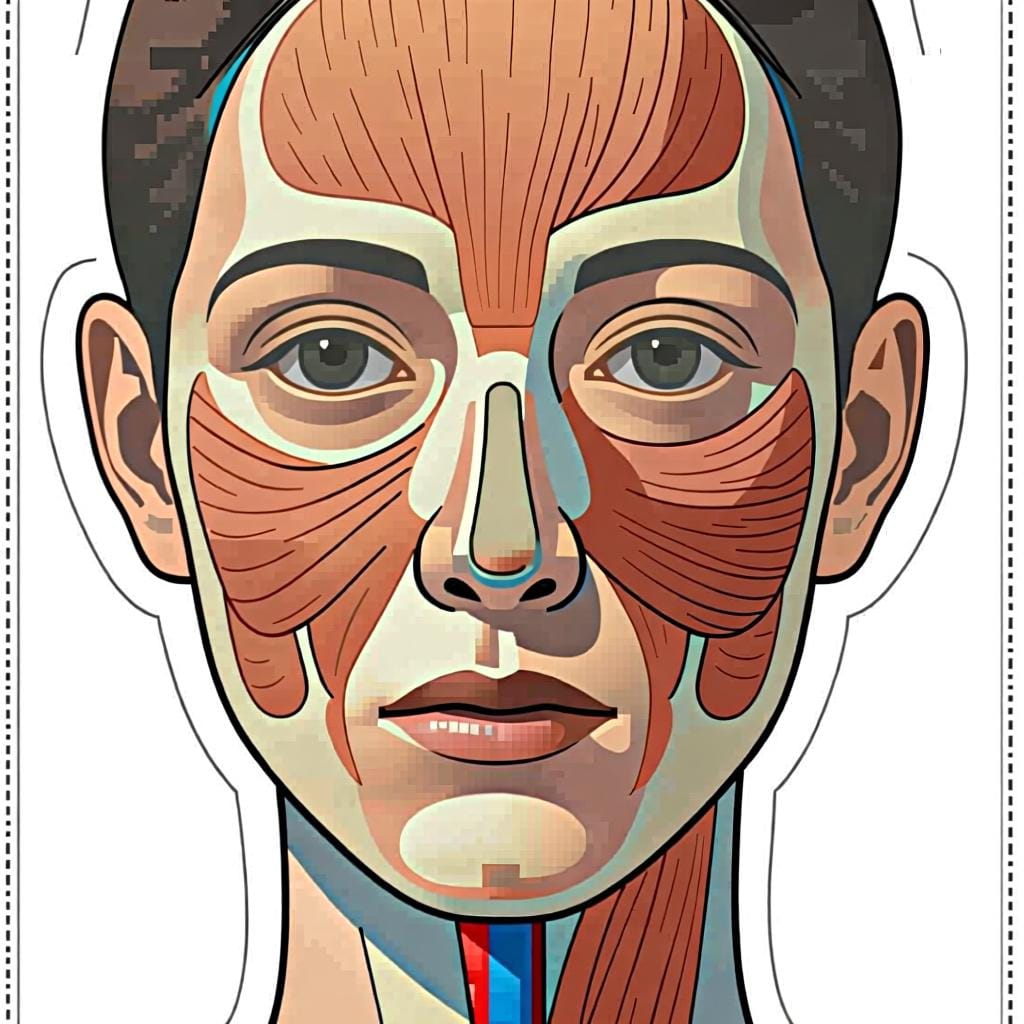
cara
kah-rahˈka.ɾa
Examples
Me lavo la cara todas las mañanas.
I wash my face every morning.
La moneda tiene dos caras: cara y cruz.
The coin has two sides: heads and tails.
Puso mala cara cuando le conté el problema.
He put on a sour face when I told him the problem.
'Cara' is a Feminine Word
Even though it doesn't end in '-o', 'cara' is a feminine word. So, you always use 'la' or 'una' with it. For example, 'la cara bonita' (the pretty face).
Describing Your Own Face
Mistake: “Incorrect: 'Tengo cara cansada.'”
Correction: Correct: 'Tengo la cara cansada.' When you're describing the state of your own body part, like your face, you usually need to include 'la' (the).
parte
PAR-tehˈpaɾte

Examples
La primera parte de la película fue un poco lenta.
The first part of the movie was a bit slow.
Quiero una parte del pastel de chocolate.
I want a piece of the chocolate cake.
Esa es mi parte favorita de la canción.
That's my favorite part of the song.
Always Feminine: 'la parte'
Even though it ends in '-e', this word is almost always feminine. Remember to use 'la', 'una', and adjectives that end in '-a'. For example, 'la parte más bonita' (the prettiest part).
Using 'el' instead of 'la'
Mistake: “Me gusta el parte de atrás del coche.”
Correction: Me gusta la parte de atrás del coche. Unless you mean 'official report', always use 'la' with this meaning.
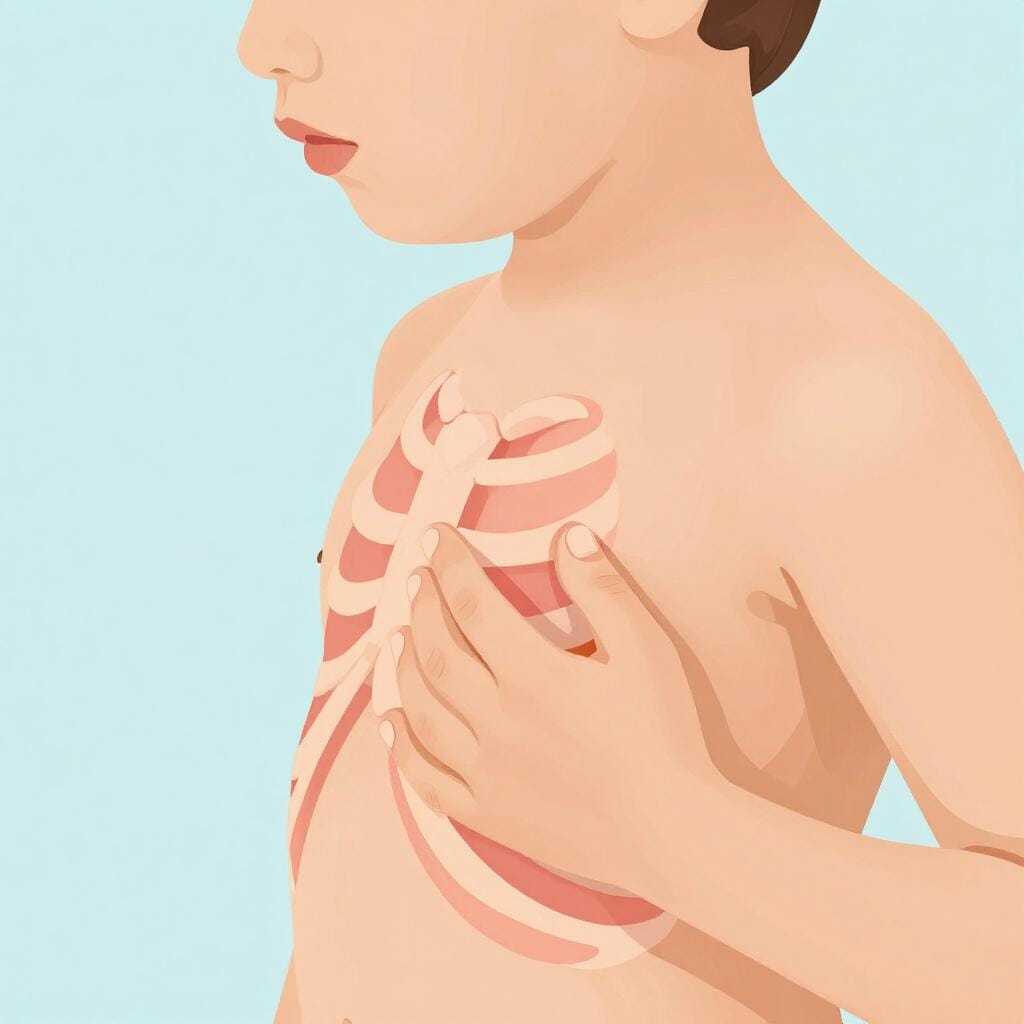
costado
kos-TAH-dohkosˈtaðo
Examples
Me duele el costado después de correr tanto.
My side hurts after running so much.
El pirata tenía un parche en el costado del barco.
The pirate had a patch on the side of the ship.
Ella heredó su talento artístico por el costado materno.
She inherited her artistic talent through her mother's side (maternal side).
Por el costado paterno, la familia es de origen italiano.
On the paternal side, the family is of Italian origin.
Use of the Definite Article
When talking about body parts, Spanish often uses 'el' or 'la' (the) instead of 'mi' or 'tu' (my or your), as in 'Me duele el costado' (My side hurts).
Using 'Por'
When talking about family lineage, use the preposition 'por' (by/through) to indicate which side of the family the trait or origin comes from: 'por el costado materno'.
Confusing Costado and Lado
Mistake: “Using 'lado' when referring specifically to the ribcage area or flank of a person/animal.”
Correction: 'Costado' is usually better for the physical side of the body, while 'lado' is for directions or general sides (like the left side of the room).
bordo
BOR-dohˈboɾ.ðo

Examples
Todos los pasajeros están a bordo del avión.
All the passengers are on board the plane.
El capitán miró por encima del bordo del barco.
The captain looked over the side of the boat.
La policía revisó la documentación a bordo del vehículo.
The police checked the documentation inside the vehicle.
The fixed phrase 'a bordo'
When talking about being 'on' a vehicle (ship, plane, train), Spanish uses the fixed phrase 'a bordo' (on board). Even though 'a' usually means 'to,' here it acts like 'on' or 'at'.
Using 'en' instead of 'a'
Mistake: “Estamos en bordo del barco.”
Correction: Estamos a bordo del barco. Always use 'a' with 'bordo' in this context.
ala
ah-lahˈala
Examples
El entrenador puso al jugador más rápido en el ala izquierda.
The coach put the fastest player on the left wing.
El partido político tiene una ala más conservadora.
The political party has a more conservative flank (or wing).
aspecto
as-PEK-tohasˈpekto

Examples
El aspecto económico de la crisis es el más preocupante.
The economic aspect of the crisis is the most worrying.
Hemos analizado todos los aspectos del plan de estudios.
We have analyzed all the aspects of the curriculum.
Este es un aspecto que no habíamos considerado antes.
This is one aspect we hadn't considered before.
Using with Prepositions
When discussing a specific view, use the preposition 'bajo' (under): 'Bajo el aspecto legal' (From the legal perspective).
bando
BAHN-dohˈbando
Examples
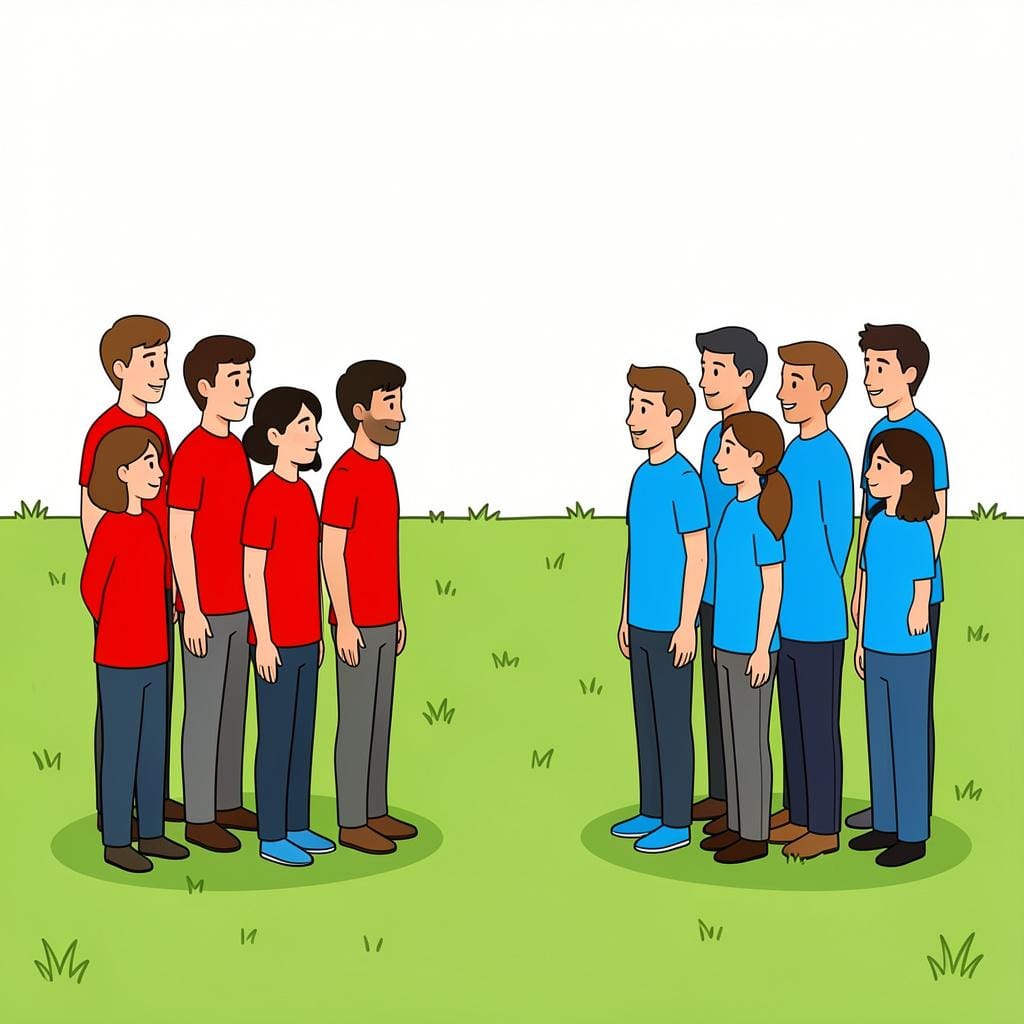
En la guerra civil, muchas familias se dividieron en bandos opuestos.
During the civil war, many families were divided into opposing sides.
No quiero elegir un bando en esta discusión.
I don't want to choose a side in this argument.
Los caballeros del bando del rey ganaron la batalla.
The knights on the king's side won the battle.
Always Masculine
Even though it ends in 'o', which is standard, remember that 'el bando' is used even if the people in that group are women. It refers to the group itself.
Bando vs. Banda
Mistake: “Using 'bando' to mean a music group.”
Correction: Use 'banda' for a music group or a gang. 'Bando' is strictly for sides in a division or conflict.
canto
KAN-tohˈkanto

Examples
El libro cayó y golpeó el canto de la mesa.
The book fell and hit the edge of the table.
Puso la moneda de canto para hacerla girar.
He put the coin on its edge to spin it.
Edge vs. Corner
Mistake: “Using 'esquina' for the edge of a flat object.”
Correction: 'Esquina' usually means a street corner or the corner where two walls meet. Use 'canto' or 'borde' for the thin side of a book, table, or coin.
faceta
fah-SEH-tahfaˈseta

Examples
Esta es una faceta de su vida que nadie conocía.
This is a facet of his life that nobody knew about.
Él tiene una faceta muy artística además de ser científico.
He has a very artistic side in addition to being a scientist.
Debemos analizar cada faceta del problema antes de decidir.
We must analyze every aspect of the problem before deciding.
Always Feminine
The word 'faceta' is always feminine ('la faceta'), even if you are describing a man's personality or a masculine object.
Using 'de' for connection
To describe whose side you are talking about, just use 'de' (of): 'la faceta de María' (Maria's side).
Faceta vs. Fase
Mistake: “Usar 'fase' para hablar de la personalidad.”
Correction: Use 'faceta' for a side of a person's character, and 'fase' for a stage in time (like the phases of the moon).
flanco
FLAHN-kohˈflaŋko

Examples
Subieron por el flanco norte de la montaña.
They went up the north side of the mountain.
El edificio tiene ventanas grandes en su flanco derecho.
The building has large windows on its right side.
Las flores crecen en los flancos del valle.
Flowers grow on the sides of the valley.
Masculine Noun
This word is always masculine, even if the 'side' refers to something feminine like 'la montaña' (the mountain).
Pluralization
Simply add an 's' to make it plural (los flancos) when talking about multiple sides.
Flanco vs. Lado
Mistake: “Using 'flanco' for everyday small objects.”
Correction: Use 'lado' for things like a phone or a table. Use 'flanco' for bigger things like mountains or large ships.
secundario
seh-koon-DAH-ryohsekunˈdaɾjo
Examples
Este jarabe no tiene efectos secundarios.
This syrup has no side effects.
Él es un personaje secundario en la novela.
He is a supporting character in the novel.
Ese es un problema secundario; primero resolvemos esto.
That is a secondary problem; let's solve this first.
Tomamos una carretera secundaria para evitar el tráfico.
We took a secondary road to avoid the traffic.
Matching the Gender
Remember to change the ending to 'secundaria' if the word it describes is feminine, like 'una calle secundaria'.
Where to Put It
This word almost always comes after the thing it is describing, like 'un efecto secundario' (a side effect).
Always Plural for Side Effects
When talking about medicine, we usually use the plural: 'efectos secundarios'.
Don't confuse with 'segundo'
Mistake: “Vivo en el secundario piso.”
Correction: Vivo en el segundo piso. Use 'segundo' for the order (1st, 2nd) and 'secundario' for the level of importance.
vera
VAY-rahˈbeɾa

Examples
Caminamos por la vera del camino hasta encontrar el pueblo.
We walked along the edge of the road until we found the town.
El picnic fue a la vera del río, bajo un gran árbol.
The picnic was on the bank of the river, under a large tree.
Always Feminine
Remember to always use the feminine article 'la' with 'vera': 'la vera'.
Confusing with 'Verdad'
Mistake: “Using 'vera' when you mean 'truth' (verdad).”
Correction: 'Vera' refers to a physical edge; use 'verdad' for truth.
faz
fath/ or /fassfaθ

Examples
Esa especie ha desaparecido de la faz de la tierra.
That species has disappeared from the face of the earth.
La moneda tiene una efigie en su faz principal.
The coin has an image on its main side.
Exploraron la faz del nuevo planeta con un robot.
They explored the surface of the new planet with a robot.
Describing Objects
When talking about paper or coins, 'faz' refers to the side you are looking at. 'Doble faz' is a common way to say 'double-sided' for printing.
versión
Examples
Cada testigo dio una versión diferente de lo que pasó.
Each witness gave a different version (account) of what happened.
vertiente
ber-tee-EN-tehbeɾˈtjente

Examples
Tenemos que analizar la vertiente económica de este nuevo contrato.
We have to analyze the economic aspect of this new contract.
El proyecto tiene una vertiente social muy importante.
The project has a very important social side to it.
Desde esta vertiente del problema, la solución parece más clara.
From this angle of the problem, the solution seems clearer.
Abstract Usage
In professional settings, use this word to sound more sophisticated than simply saying 'parte' (part) or 'lado' (side).
Pluralizing for Emphasis
Mistake: “el problema tiene muchas vertientes”
Correction: las vertientes. Ensure the article 'las' matches the plural feminine noun.
lateral
lah-teh-RAHLlateˈɾal

Examples
Por favor, usa la puerta lateral para entrar.
Please use the side door to enter.
El coche tiene un fuerte golpe lateral.
The car has a heavy impact on the side.
El médico analizó los efectos laterales del tratamiento.
The doctor analyzed the side effects of the treatment.
One Form for All
This word is 'gender-neutral,' meaning it stays exactly the same whether you are describing a masculine word (el coche lateral) or a feminine word (la puerta lateral).
Using 'Lado' as a Description
Mistake: “La puerta lado.”
Correction: La puerta lateral.
Lado vs. Cara vs. Bando
Learn Spanish with Inklingo
Interactive stories, personalized learning, and more.