How to Say "flank" in Spanish
The most common Spanish word for “flank” is “lado” — use 'lado' when referring to a general side, whether it's a physical location like a street or a more abstract side of a formation or an animal.



lado
la-dohˈla.ðo

Examples
El supermercado está al otro lado de la calle.
The supermarket is on the other side of the street.
Me duele el lado izquierdo del cuerpo.
The left side of my body hurts.
Escribe tu nombre en un lado del papel.
Write your name on one side of the paper.
Always Masculine
'Lado' is always a masculine word, so you'll always say 'el lado' or 'un lado', never 'la' or 'una'.
Using 'Lado' for Clothing
Mistake: “Me gusta esta lada de la camisa.”
Correction: Me gusta este lado de la camisa. Remember, 'lado' is always masculine, even when talking about something that is feminine, like 'la camisa'.
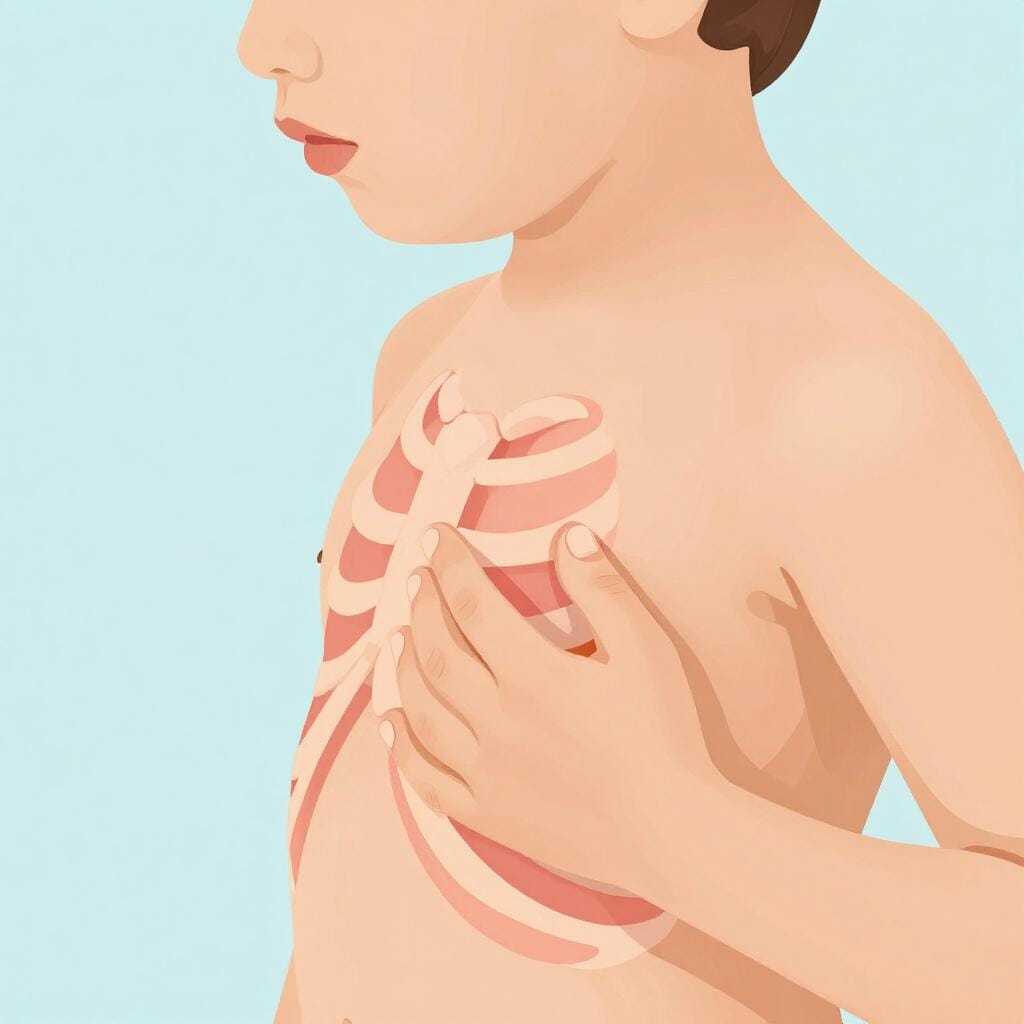
costado
kos-TAH-dohkosˈtaðo
Examples
Me duele el costado después de correr tanto.
My side hurts after running so much.
El pirata tenía un parche en el costado del barco.
The pirate had a patch on the side of the ship.
Use of the Definite Article
When talking about body parts, Spanish often uses 'el' or 'la' (the) instead of 'mi' or 'tu' (my or your), as in 'Me duele el costado' (My side hurts).
Confusing Costado and Lado
Mistake: “Using 'lado' when referring specifically to the ribcage area or flank of a person/animal.”
Correction: 'Costado' is usually better for the physical side of the body, while 'lado' is for directions or general sides (like the left side of the room).
flanco
FLAHN-kohˈflaŋko

Examples
El general ordenó atacar el flanco izquierdo del enemigo.
The general ordered an attack on the enemy's left flank.
Subieron por el flanco norte de la montaña.
They went up the north side of the mountain.
El edificio tiene ventanas grandes en su flanco derecho.
The building has large windows on its right side.
Las flores crecen en los flancos del valle.
Flowers grow on the sides of the valley.
Masculine Noun
This word is always masculine, even if the 'side' refers to something feminine like 'la montaña' (the mountain).
Pluralization
Simply add an 's' to make it plural (los flancos) when talking about multiple sides.
Prepositions with Flanco
We usually use 'por el' (by the/through the) to describe movement along a flank.
Flanco vs. Lado
Mistake: “Using 'flanco' for everyday small objects.”
Correction: Use 'lado' for things like a phone or a table. Use 'flanco' for bigger things like mountains or large ships.
ala
ah-lahˈala

Examples
El entrenador puso al jugador más rápido en el ala izquierda.
The coach put the fastest player on the left wing.
El partido político tiene una ala más conservadora.
The political party has a more conservative flank (or wing).
falda
FAHL-dahˈfalda

Examples
El pueblo se encuentra en la falda de la montaña, justo donde empieza la vegetación.
The town is located on the slope of the mountain, right where the vegetation begins.
Caminamos por la falda de la colina para evitar el pico.
We walked along the flank of the hill to avoid the peak.
Metaphorical Use
This meaning uses the idea of a skirt surrounding the body, applying it to the base of a mountain or hill, which 'surrounds' the peak.
Military vs. Geographical 'Flank'
Learn Spanish with Inklingo
Interactive stories, personalized learning, and more.