How to Say "angle" in Spanish
The most common Spanish word for “angle” is “ángulo” — use this for the geometric concept of an angle measured in degrees or radians, or a physical corner in geometry or physics.

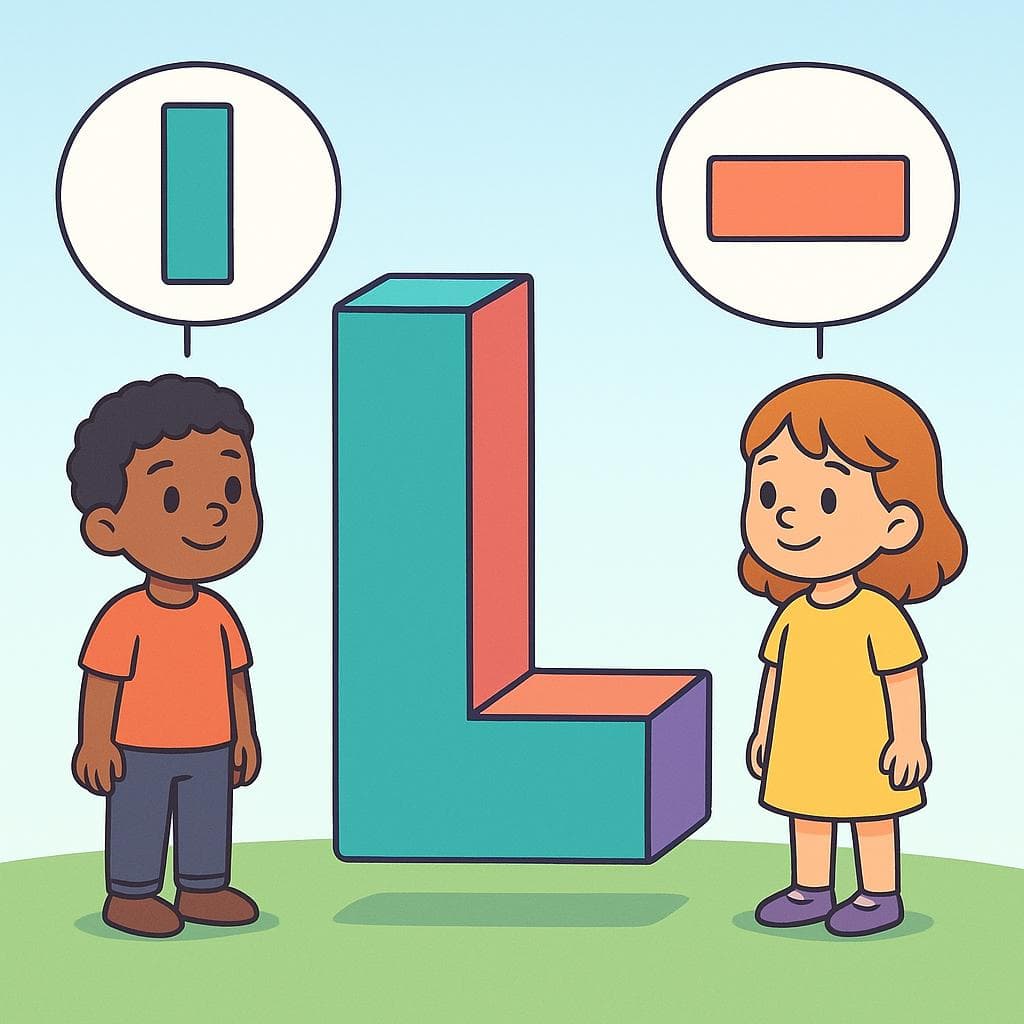

ángulo
Examples
El carpintero cortó la madera en un ángulo de 45 grados.
The carpenter cut the wood at a 45-degree angle.
esquina
ess-KEE-nahesˈkina

Examples
La farmacia está en la esquina de la calle principal.
The pharmacy is on the corner of the main street.
Tuvimos que doblar la esquina para ver el mural.
We had to turn the corner to see the mural.
Se me dobló la esquina de la página del libro.
The corner of the book page got folded.
Feminine Noun
Esquina is always feminine, so you must use 'la' or 'una' before it: 'la esquina'.
Esquina vs. Rincón
Mistake: “Using 'rincón' when talking about a street corner.”
Correction: Use 'esquina' for outside corners (streets) and 'rincón' for inside corners or cozy, hidden corners (of a room).
rincón
Examples
Mi perro siempre se esconde detrás del sofá en el rincón.
My dog always hides behind the sofa in the corner.
inclinación
Examples
La calle tiene una inclinación muy fuerte.
The street has a very steep slope.
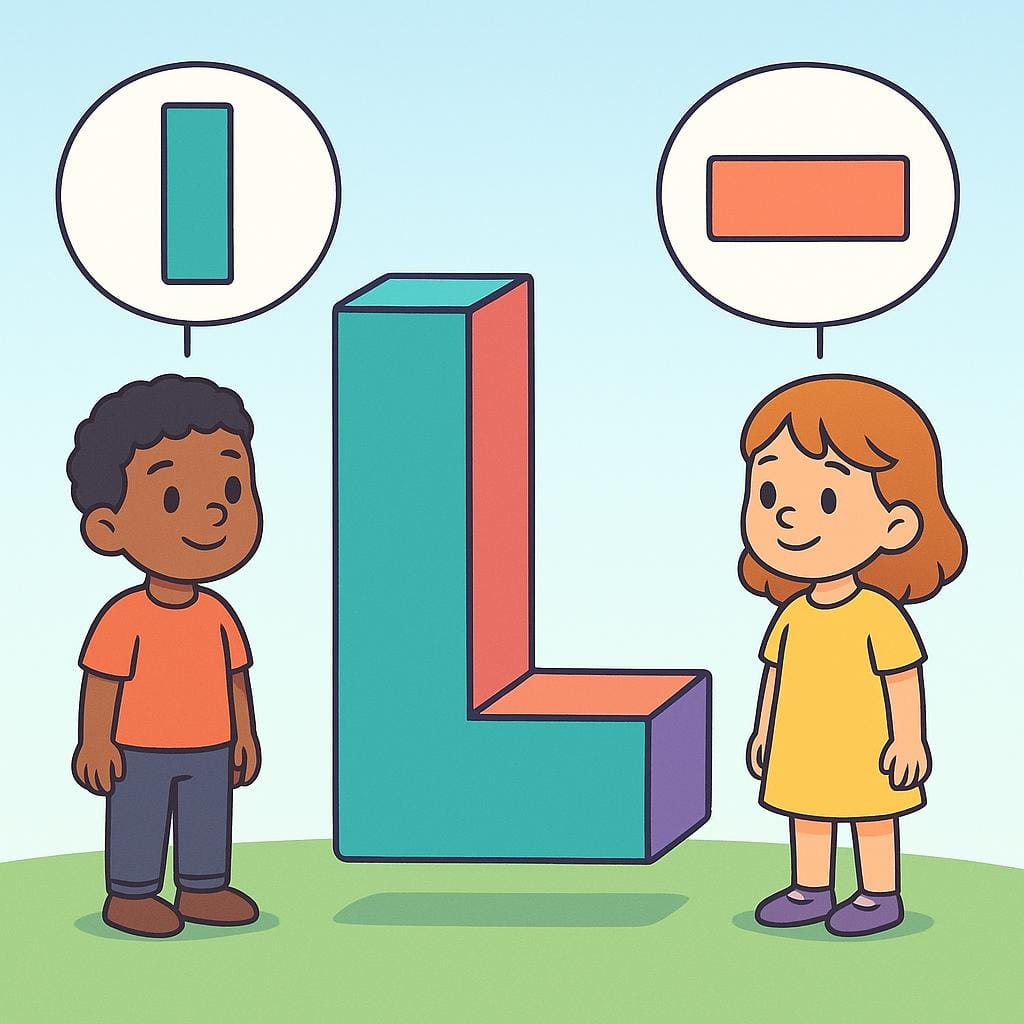
perspectiva
per-spek-TEE-vahpeɾspekˈtiβa
Examples
Necesitas cambiar tu perspectiva sobre el problema para encontrar una solución.
You need to change your perspective on the problem to find a solution.
Desde mi perspectiva, la nueva política es injusta.
From my viewpoint, the new policy is unfair.
Tiene una perspectiva muy optimista sobre el futuro de la empresa.
She has a very optimistic outlook on the future of the company.
Gender Check
Even though it ends in '-a', 'perspectiva' is a feminine noun, so you must always use 'la' or 'una' before it: 'la perspectiva'.
Mixing Prepositions
Mistake: “Por mi perspectiva, es mejor así.”
Correction: Desde mi perspectiva, es mejor así. (Use 'desde' [from] when expressing where your viewpoint originates.)
flanco
FLAHN-kohˈflaŋko

Examples
Ese argumento es su flanco débil.
That argument is his weak spot.
No dejaron ningún flanco abierto en su estrategia de ventas.
They didn't leave any weak spots open in their sales strategy.
Atacó el flanco más vulnerable de la teoría.
He attacked the most vulnerable part of the theory.
Figurative Usage
In Spanish, as in English, military terms are often used to describe arguments or business competition.
Physical Corners vs. Geometric Angles
Learn Spanish with Inklingo
Interactive stories, personalized learning, and more.