How to Say "bow" in Spanish
The most common Spanish word for “bow” is “lazo” — use 'lazo' when referring to a decorative knot, often used for gifts or on clothing.

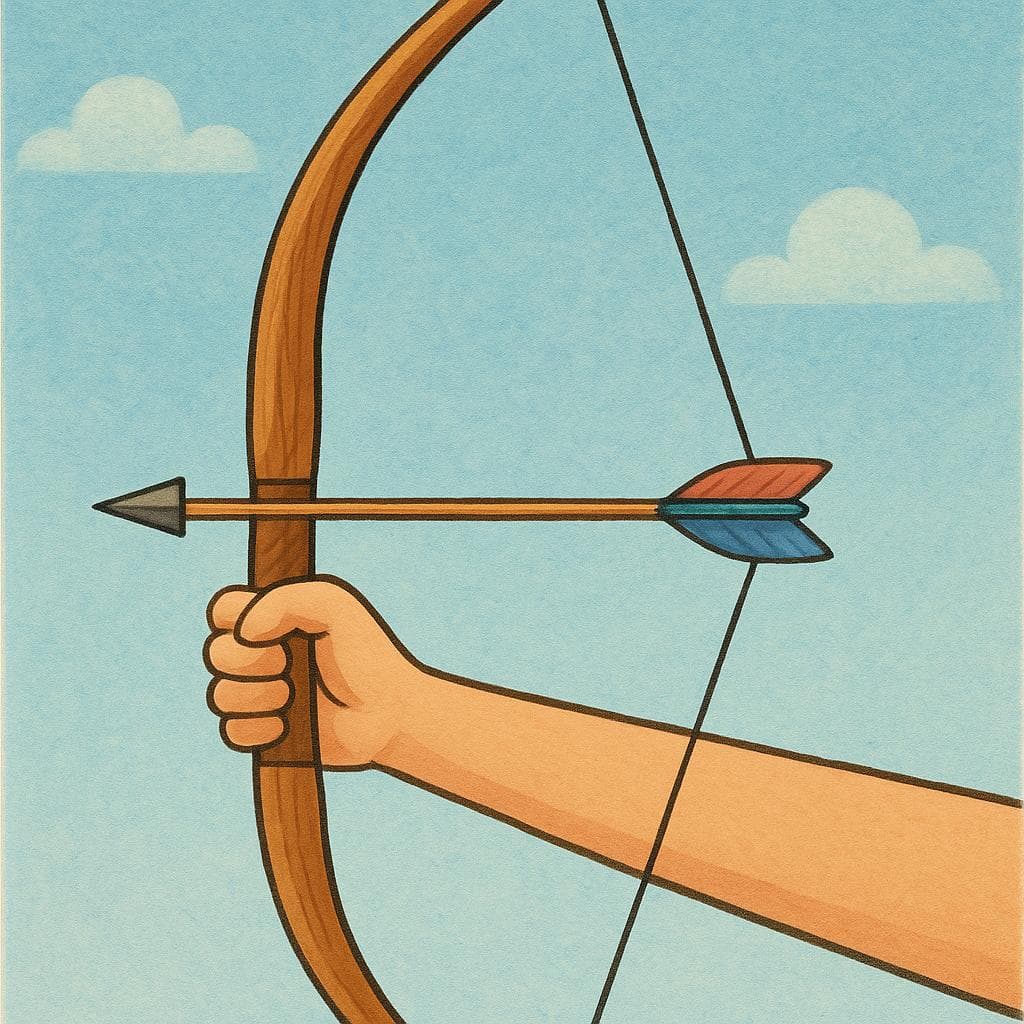


lazo
LAH-sohˈlaso

Examples
Ella ató un hermoso lazo en el paquete.
She tied a beautiful bow on the package.
Puse un lazo rojo en el regalo de cumpleaños.
I put a red bow on the birthday gift.
Ella siempre lleva un lazo en el pelo.
She always wears a ribbon in her hair.
Masculine Ending
Since it ends in -o, it uses masculine words like 'el' or 'un'.
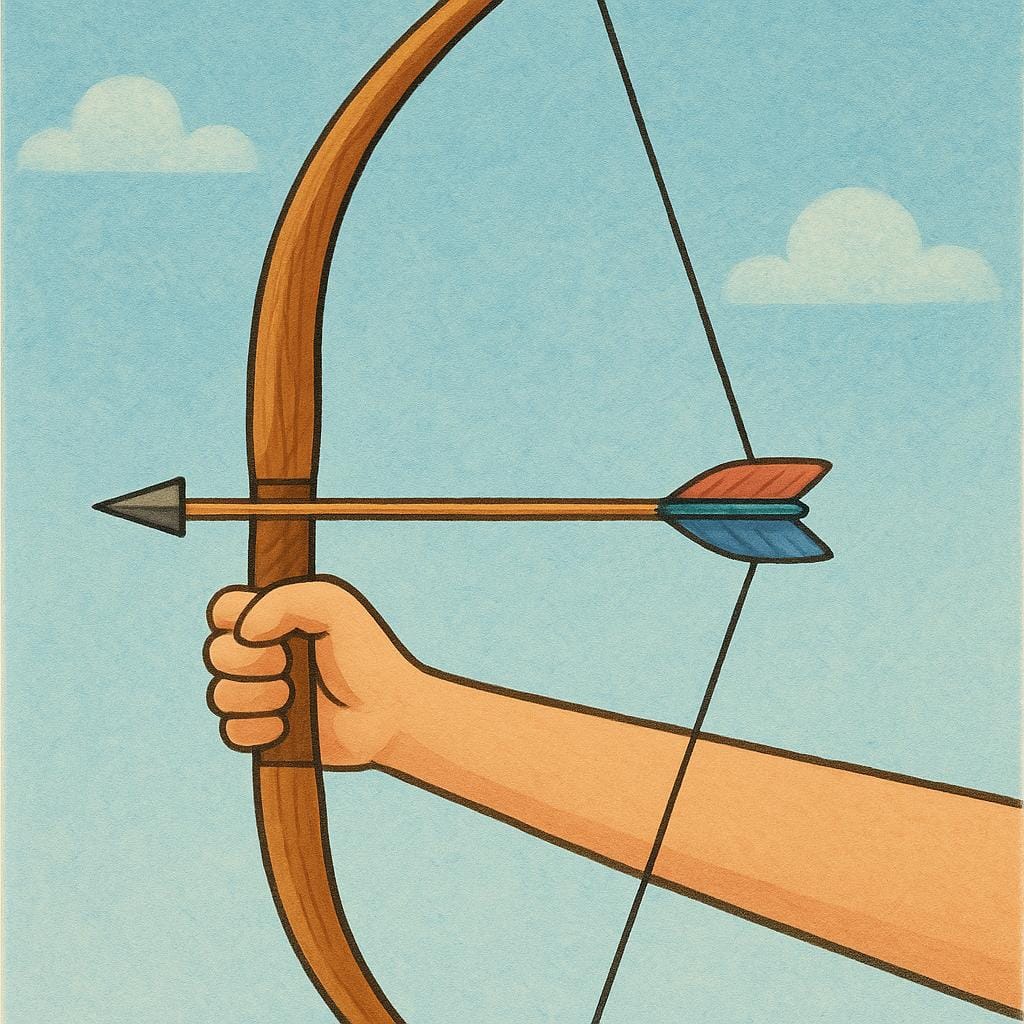
arco
AR-kohˈaɾko
Examples
El arquero disparó una flecha con su arco.
The archer shot an arrow with his bow.
El arquero tensó la cuerda del arco y disparó la flecha.
The archer tightened the bowstring and shot the arrow.
Necesito cambiar las cerdas del arco de mi violín.
I need to change the hairs on my violin bow.
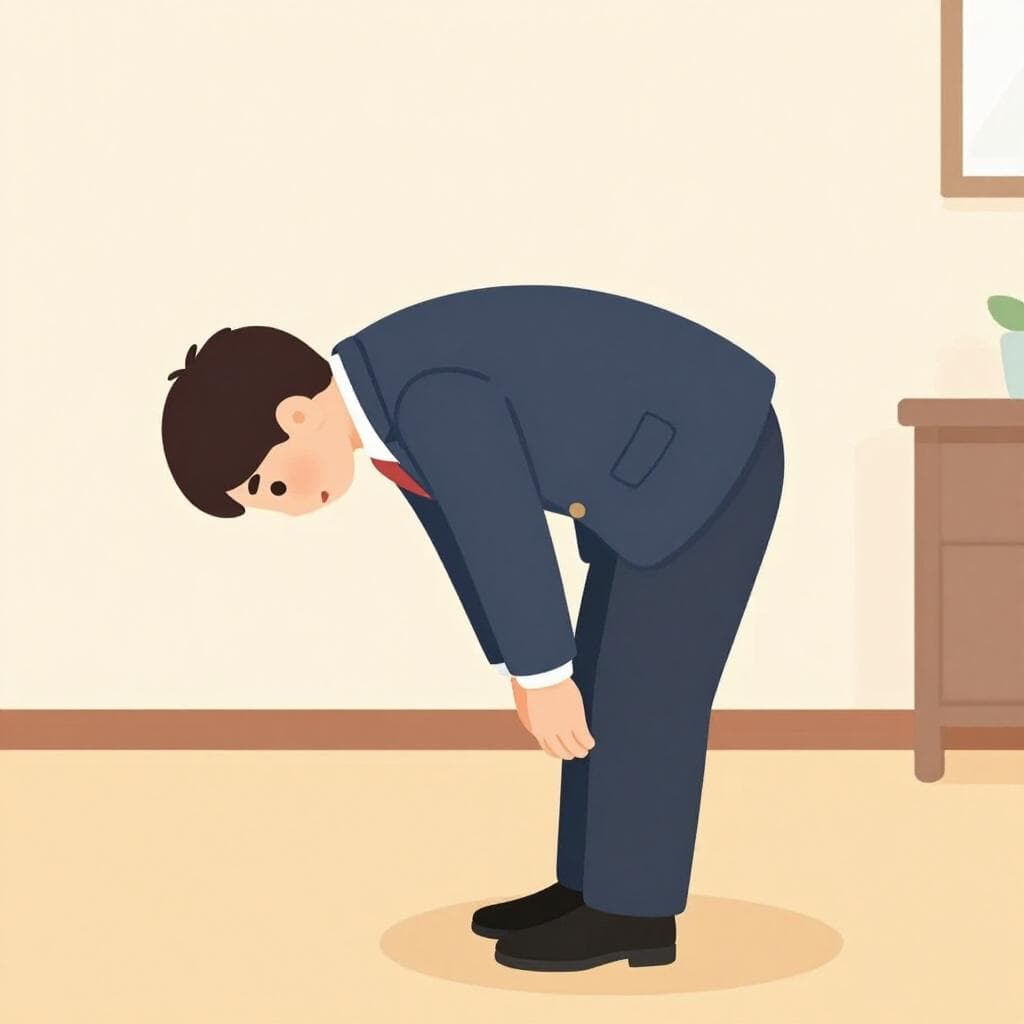
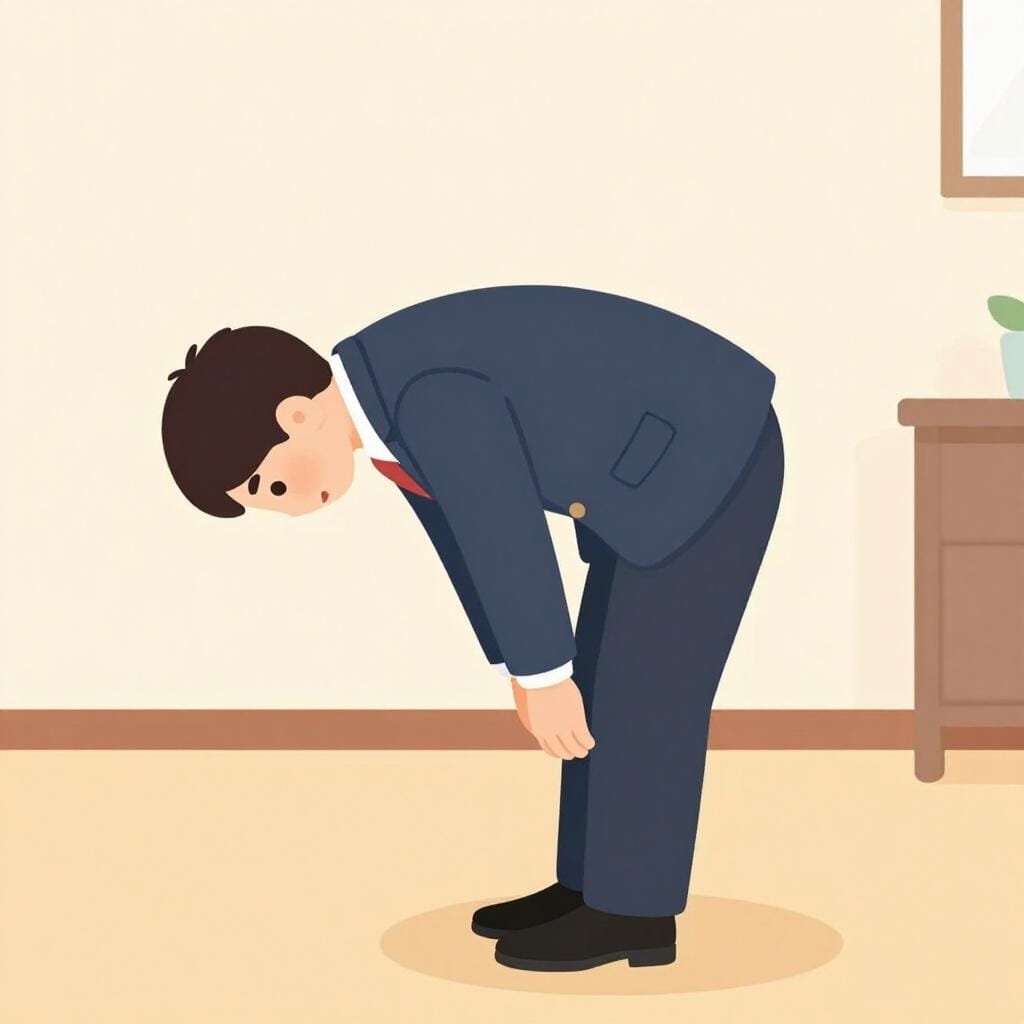
reverencia
reh-veh-REHN-syahreβeˈɾenθja
Examples
Los actores hicieron una reverencia al público.
The actors took a bow to the audience.
El actor hizo una reverencia profunda al final de la obra.
The actor took a deep bow at the end of the play.
Tratamos a nuestros abuelos con mucha reverencia.
We treat our grandparents with great reverence.
Ella hizo una pequeña reverencia ante la reina.
She did a small curtsy before the queen.
Identifying the gender
Since 'reverencia' ends in -a, it is almost always feminine. You should use 'la' or 'una' with it.
Using the word as an action
To say 'to bow' in Spanish, we don't usually use a single word. Instead, we say 'hacer una reverencia' (to make a bow).
Confusing 'respect' and 'reverence'
Mistake: “Using 'reverencia' for everyday polite respect.”
Correction: Use 'respeto' for general politeness. Use 'reverencia' only for extreme, deep, or formal honor.
proa
PRO-ahˈpɾo.a

Examples
El barco navegaba con la proa hacia el mar abierto.
The ship sailed with its bow towards the open sea.
El capitán se quedó parado en la proa mirando el horizonte.
The captain stood at the bow looking at the horizon.
Las olas golpeaban la proa del pequeño barco con fuerza.
The waves hit the bow of the small boat with force.
Después de muchos problemas, finalmente pusimos proa a nuestro destino.
After many problems, we finally headed toward our destination.
Always Feminine
'Proa' is a feminine noun. Even if it refers to a huge, powerful ship, you must always use feminine markers like 'la proa' or 'una proa'.
Used with 'a'
When using 'proa' to describe where you are heading, it is almost always followed by the word 'a' (to/towards), as in 'poner proa a Madrid'.
Don't confuse it with 'Popa'
Mistake: “Saying 'proa' when you mean the back of the boat.”
Correction: Use 'proa' for the front (the 'Pointy' bit) and 'popa' for the back.
inclinación
Examples
Hizo una ligera inclinación de cabeza en señal de acuerdo.
He made a slight bow of his head as a sign of agreement.
nariz
nah-REESnaˈɾis

Examples
El coche deportivo tenía una nariz aerodinámica.
The sports car had an aerodynamic nose.
El catador de vinos tiene una excelente nariz para identificar los aromas frutales.
The wine taster has an excellent nose for identifying the fruity aromas.
Asegúrate de que la nariz del barco apunte hacia el faro.
Make sure the bow (nose) of the boat points toward the lighthouse.
Figurative Use
In technical fields like sailing or tasting, 'nariz' is used just like 'nose' in English to mean the front point or the sense of smell itself.
Gesture vs. Ship Part
Learn Spanish with Inklingo
Interactive stories, personalized learning, and more.