flanco
“flanco” means “side” in Spanish. It has 3 different meanings depending on context:

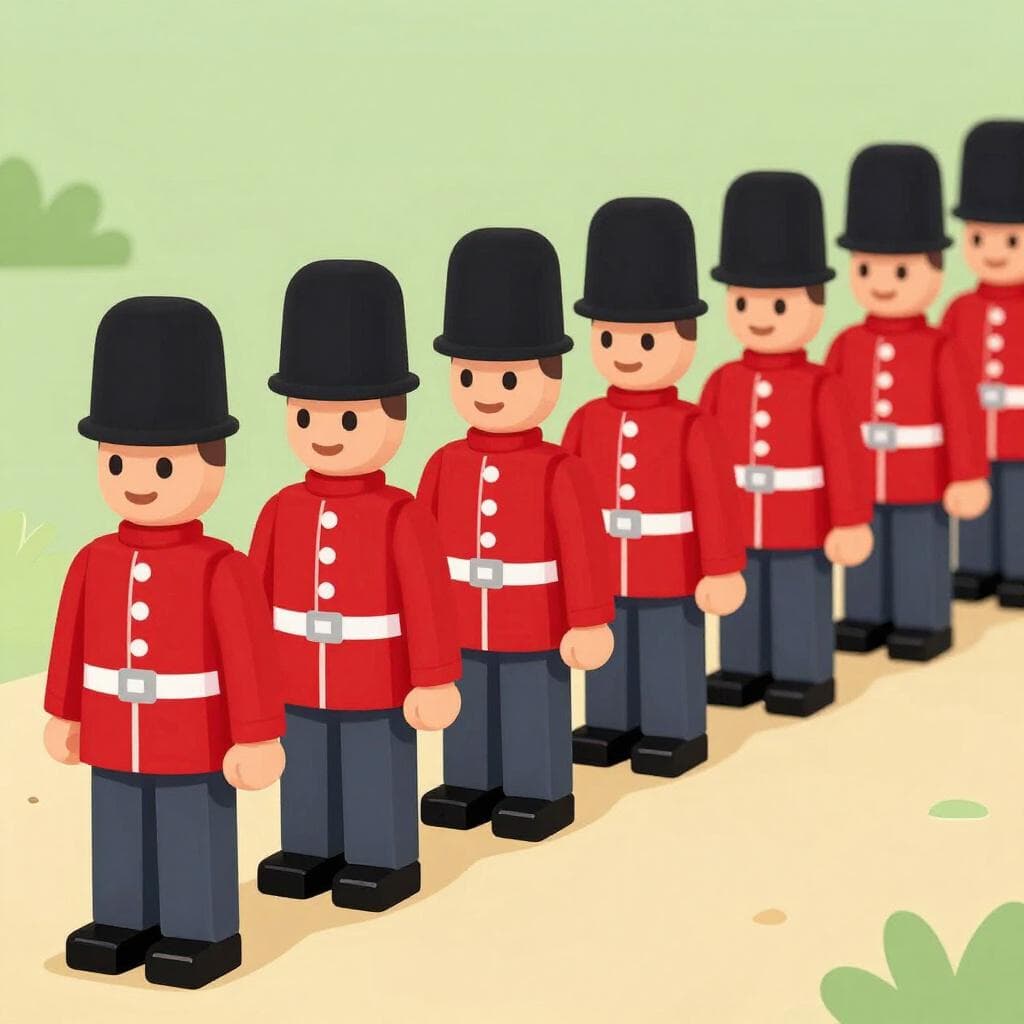

side, flankAlso: wing

📝 In Action
Subieron por el flanco norte de la montaña.
B1They went up the north side of the mountain.
El edificio tiene ventanas grandes en su flanco derecho.
B2The building has large windows on its right side.
Las flores crecen en los flancos del valle.
B2Flowers grow on the sides of the valley.
Word Connections
flankAlso: wing

📝 In Action
El general ordenó atacar el flanco izquierdo del enemigo.
B2The general ordered an attack on the enemy's left flank.
El extremo corre rápidamente por el flanco derecho.
B2The winger runs quickly down the right wing.
Debemos proteger nuestro flanco para no perder la posición.
C1We must protect our flank so we don't lose the position.
Word Connections
weak spotAlso: angle

📝 In Action
Ese argumento es su flanco débil.
C1That argument is his weak spot.
No dejaron ningún flanco abierto en su estrategia de ventas.
C1They didn't leave any weak spots open in their sales strategy.
Atacó el flanco más vulnerable de la teoría.
C2He attacked the most vulnerable part of the theory.
Word Connections
✏️ Quick Practice
Quick Quiz: flanco
Question 1 of 3
Which of these is the most likely meaning of 'el flanco de la montaña'?
📚 More Resources
👥 Word Family
📚 Etymology
From the Frankish word 'hlanka' which meant the side of the body or the hip. It entered Spanish through Old French 'flanc'.
First recorded: 13th century
Cognates (Related words)
💡 Master Spanish
Take your Spanish to the next level. Read 200+ illustrated and narrated Spanish stories tailored to your level with the Inklingo app!
Frequently Asked Questions
Can I use 'flanco' to talk about the side of my body?
While technically correct in a biological sense, it is much more natural to use 'el costado' for a human's side.
Is 'flanco' related to 'blanco' (white)?
No, they are different words. 'Flanco' comes from a word for 'side,' while 'blanco' comes from a word for 'bright/shining'.
Is this word used more in Spain or Latin America?
It is used equally across all Spanish-speaking countries, usually in formal or specific contexts like news, sports, or literature.