blanco
“blanco” means “white” in Spanish. It has 4 different meanings depending on context:
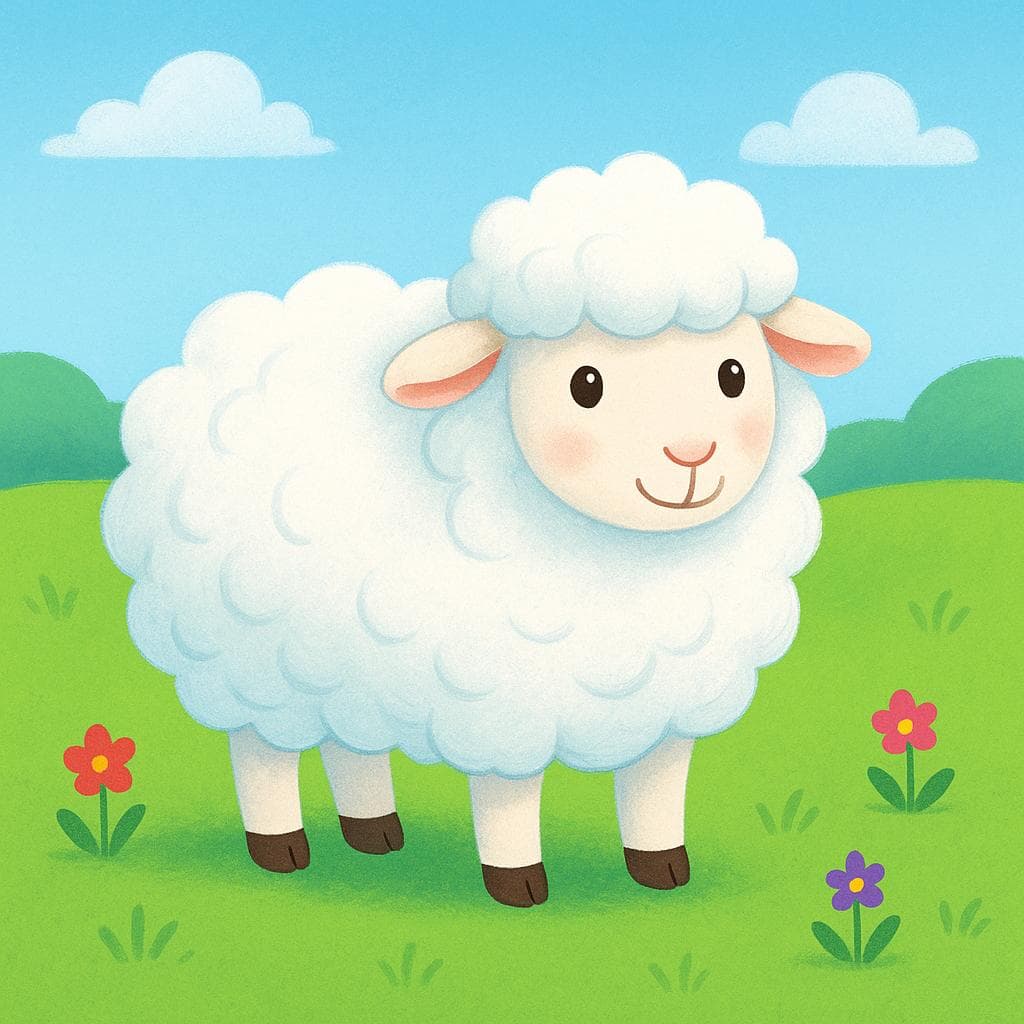



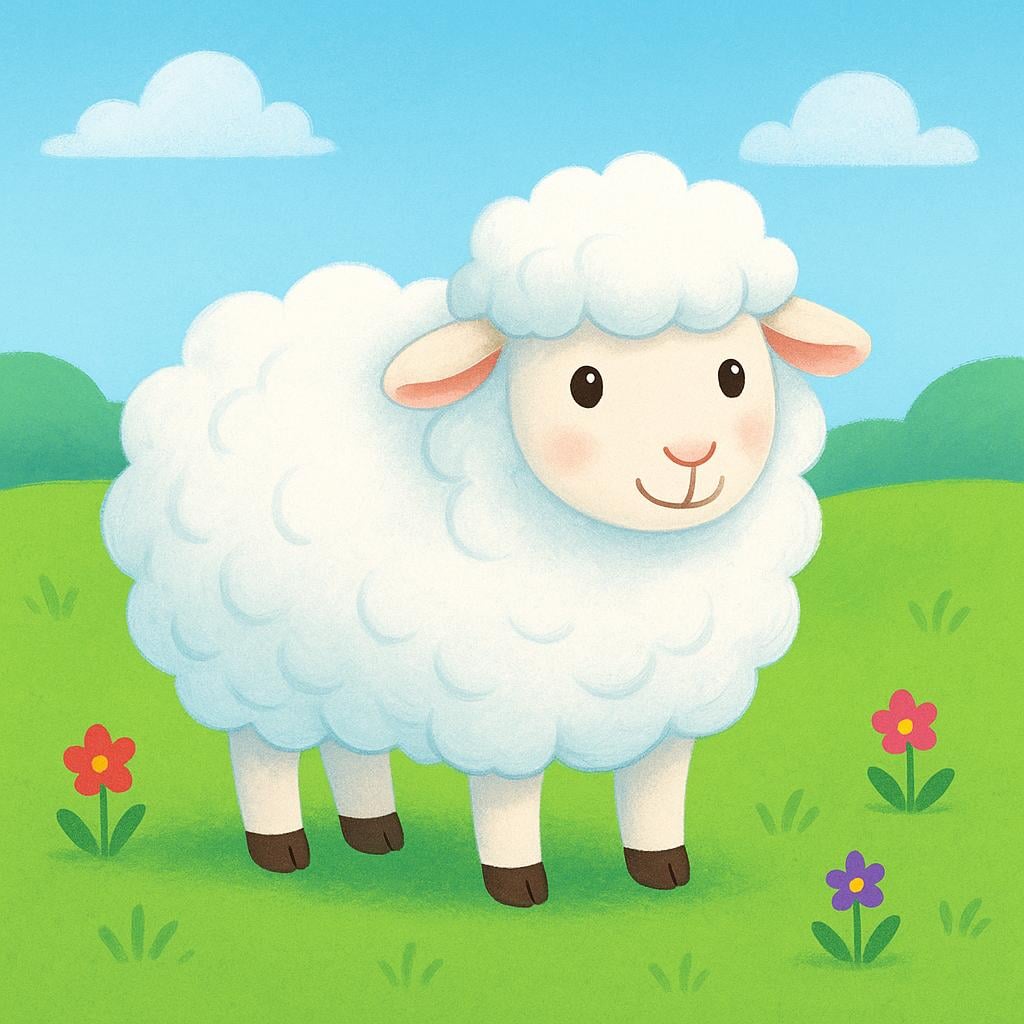
whiteAlso: pale, blank
📝 In Action
Mi camisa favorita es blanca.
A1My favorite shirt is white.
Las nubes son blancas y esponjosas.
A1The clouds are white and fluffy.
Se puso blanco del susto.
B1He turned pale with fright.
Word Connections
white

📝 In Action
El blanco es un color que simboliza la paz.
A2White is a color that symbolizes peace.
Para la pared, prefiero el blanco al gris.
A2For the wall, I prefer white over gray.
Word Connections
targetAlso: bullseye, objective

📝 In Action
El arquero le dio al blanco.
B1The archer hit the target.
Los turistas son un blanco fácil para los estafadores.
B2Tourists are an easy target for scammers.
Nuestro blanco principal es aumentar las ventas.
B2Our main objective is to increase sales.
Word Connections
blankAlso: blank space

📝 In Action
Por favor, escribe tu nombre en el blanco.
B1Please, write your name in the blank.
Me quedé en blanco durante el examen.
B1My mind went blank during the exam.

Vocabulary Collections
Translate to Spanish
🗣️ Practice in a Tongue Twister
✏️ Quick Practice
Quick Quiz: blanco
Question 1 of 2
In the sentence 'Durante el discurso, el político se quedó en blanco', what does 'blanco' refer to?
📚 More Resources
👥 Word Family
📚 Etymology
Comes from the old Frankish (a Germanic language) word '*blank*', which meant 'shining' or 'gleaming'. It replaced the Latin word for white, 'albus', in everyday Spanish speech.
First recorded: Around the 10th century
Cognates (Related words)
💡 Master Spanish
Take your Spanish to the next level. Read 200+ illustrated and narrated Spanish stories tailored to your level with the Inklingo app!
Frequently Asked Questions
Why does 'blanco' change to 'blanca', 'blancos', or 'blancas'?
In Spanish, words that describe things (adjectives) have to 'agree' or 'match' the thing they are describing in two ways: gender (masculine/feminine) and number (singular/plural). 'Blanco' is the basic form used for singular, masculine things. You change it to 'blanca' for feminine things, and add an 's' for plural things.
What's the difference between 'ser blanco' and 'estar blanco'?
Great question! 'Ser blanco' usually describes a permanent or characteristic quality, like 'La nieve es blanca' (Snow is white). 'Estar blanco' describes a temporary state, often for a person's complexion. If someone looks sick or scared, you'd say 'Estás muy blanco' (You look very pale).