diana
“diana” means “bullseye” in Spanish. It has 2 different meanings depending on context:

bullseye, targetAlso: mark

📝 In Action
El arquero apuntó y golpeó la diana con su primera flecha.
B1The archer aimed and hit the bullseye with his first arrow.
Si quieres ganar en los dardos, tienes que dar en la diana.
A2If you want to win at darts, you have to hit the target (bullseye).
Su propuesta dio en la diana; fue exactamente lo que el jefe quería.
B2His proposal hit the mark; it was exactly what the boss wanted.
Word Connections
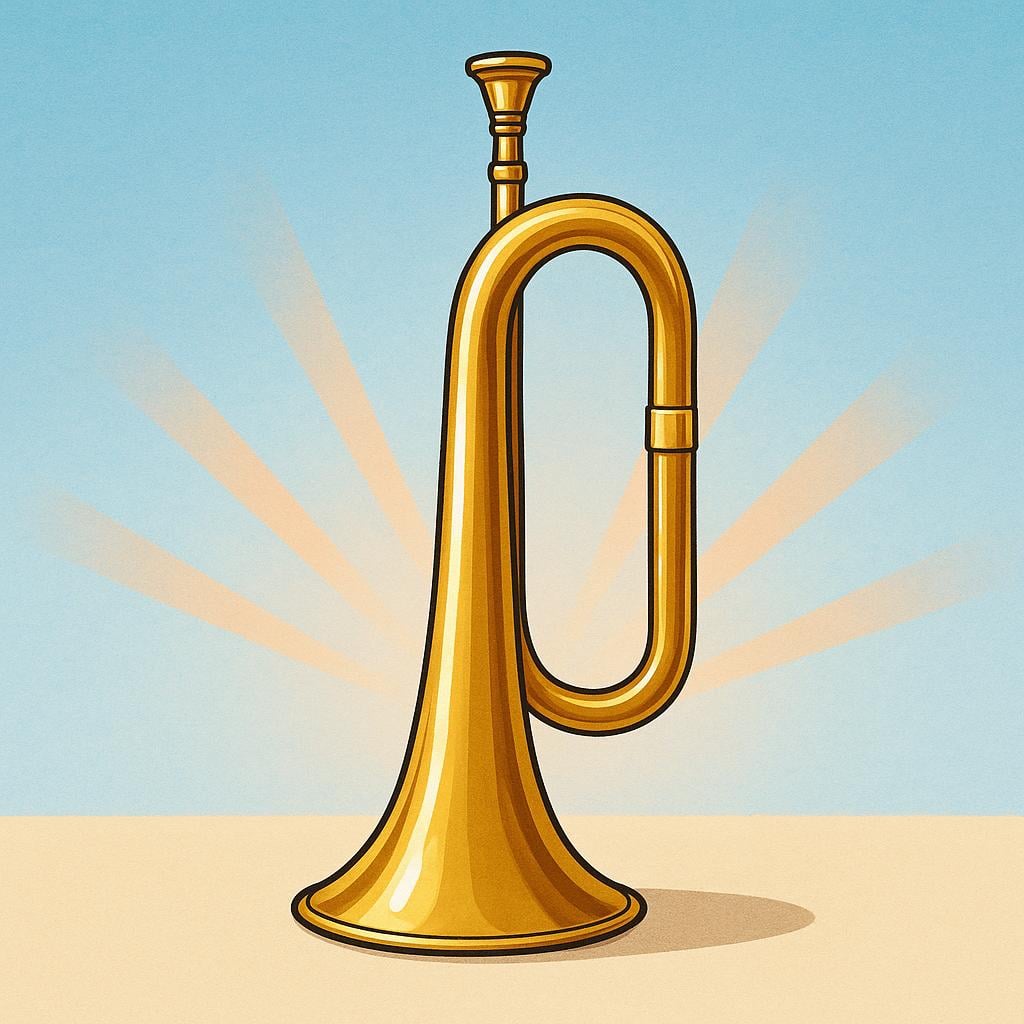
reveilleAlso: wake-up call
📝 In Action
La diana sonó a las seis de la mañana en el campamento.
B2Reveille (the wake-up call) sounded at six in the morning at the camp.
Odio el sonido de la diana, me asusta cada día.
C1I hate the sound of the bugle call; it startles me every day.
Word Connections
Translate to Spanish
Words that translate to "diana" in Spanish:
✏️ Quick Practice
Quick Quiz: diana
Question 1 of 2
Which sentence uses 'diana' to mean a successful solution or perfect outcome?
📚 More Resources
👥 Word Family
🎵 Rhymes
📚 Etymology
The word comes from the Latin name 'Diana,' the Roman goddess of the hunt, the moon, and nature. Since she was associated with hunting and aiming, her name was adopted for the target (the bullseye). The military wake-up call is also traditionally associated with the goddess of the morning light.
First recorded: Medieval Spanish
Cognates (Related words)
💡 Master Spanish
Take your Spanish to the next level. Read 200+ illustrated and narrated Spanish stories tailored to your level with the Inklingo app!
Frequently Asked Questions
Is 'diana' related to the female name Diana?
Yes, the common noun 'diana' (target/bugle call) comes directly from the proper name of the Roman goddess Diana. When used as a common noun, it is written in lowercase.
How can I tell if 'diana' means 'target' or 'reveille'?
Look at the surrounding words. If you see verbs like 'apuntar' (to aim) or 'lanzar' (to throw), it means target. If you see verbs like 'sonar' (to sound) or 'tocar' (to play) and a time of day, it means the wake-up call.