How to Say "outlook" in Spanish
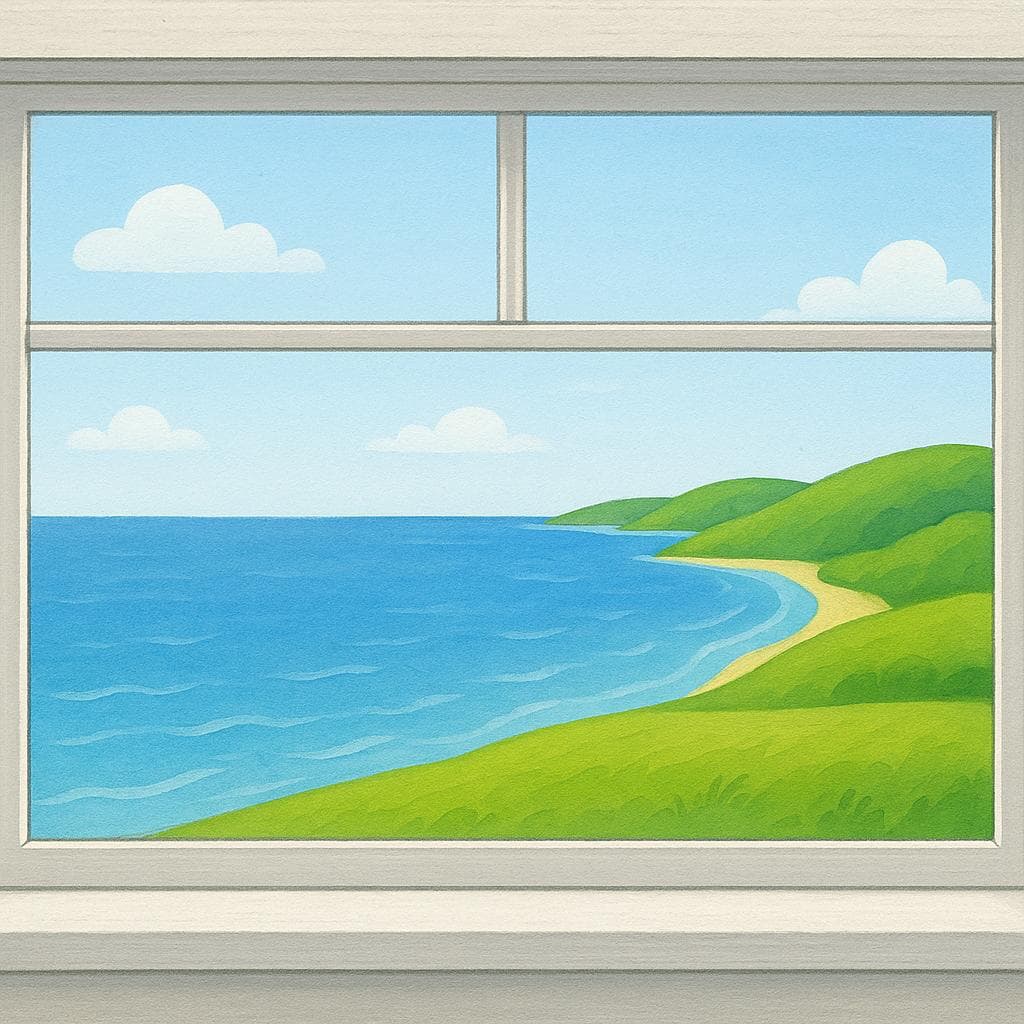
The most common Spanish word for “outlook” is “panorama” — use 'panorama' when referring to the future prospects of a situation, especially in economic or general terms, or for a physical view from a high place.

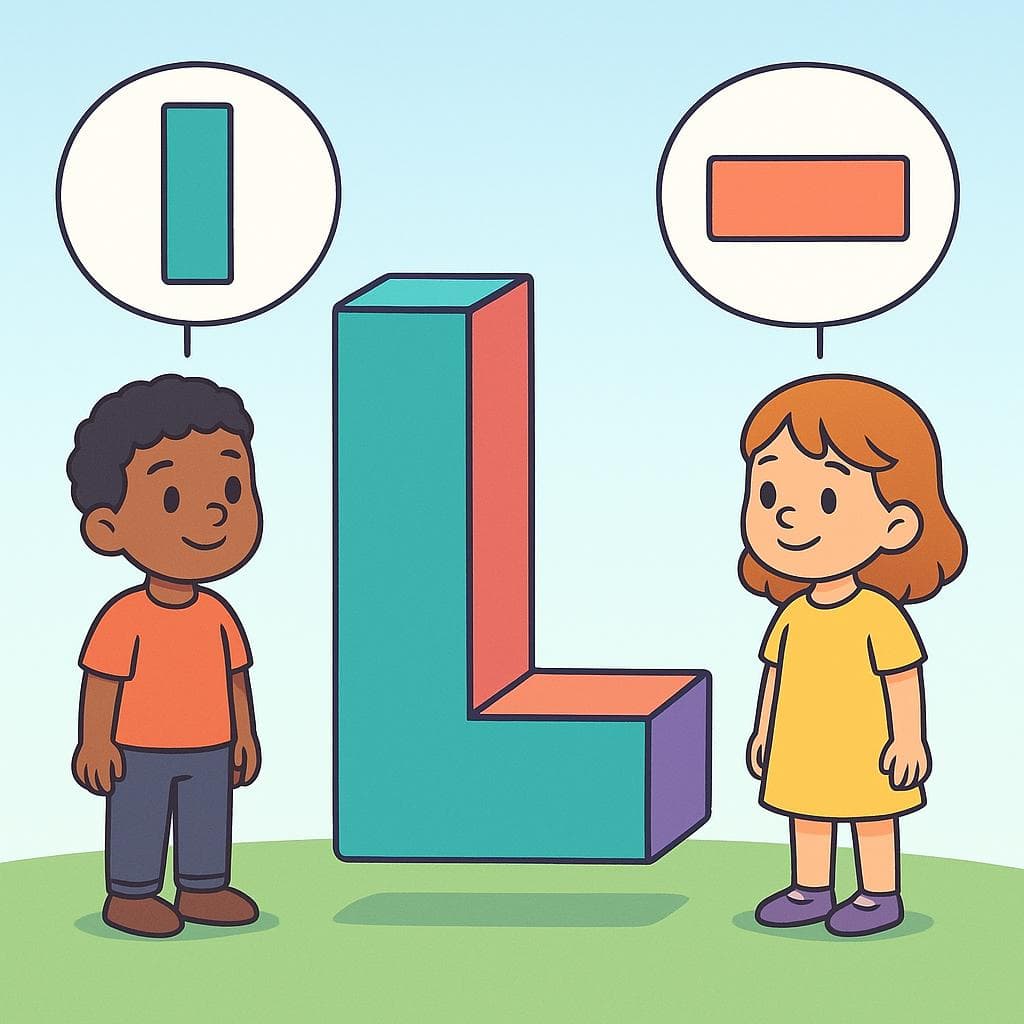



panorama
pah-noh-RAH-mahpanoˈɾama

Examples
El panorama económico está mejorando poco a poco.
The economic situation is improving bit by bit.
Desde la cima de la montaña, el panorama es impresionante.
From the top of the mountain, the panorama is impressive.
Me encanta el panorama urbano de esta ciudad por la noche.
I love the urban landscape of this city at night.
La ventana ofrece un panorama completo del valle.
The window offers a full view of the valley.
The Masculine 'a' Rule
Even though it ends in 'a,' this word is masculine. You must say 'el panorama' or 'un panorama.'
Abstract Usage
When used figuratively, it functions just like the word 'outlook' or 'situation' in English.
Gender Error
Mistake: “La panorama es bonita.”
Correction: El panorama es bonito. Words ending in -ma that come from Greek are almost always masculine.
Avoid 'Contexto' for Outlook
Mistake: “El contexto económico para el futuro es bueno.”
Correction: El panorama económico para el futuro es bueno. Use 'panorama' when talking about future prospects or a broad overview.
perspectiva
per-spek-TEE-vahpeɾspekˈtiβa
Examples
Necesitas cambiar tu perspectiva sobre el problema para encontrar una solución.
You need to change your perspective on the problem to find a solution.
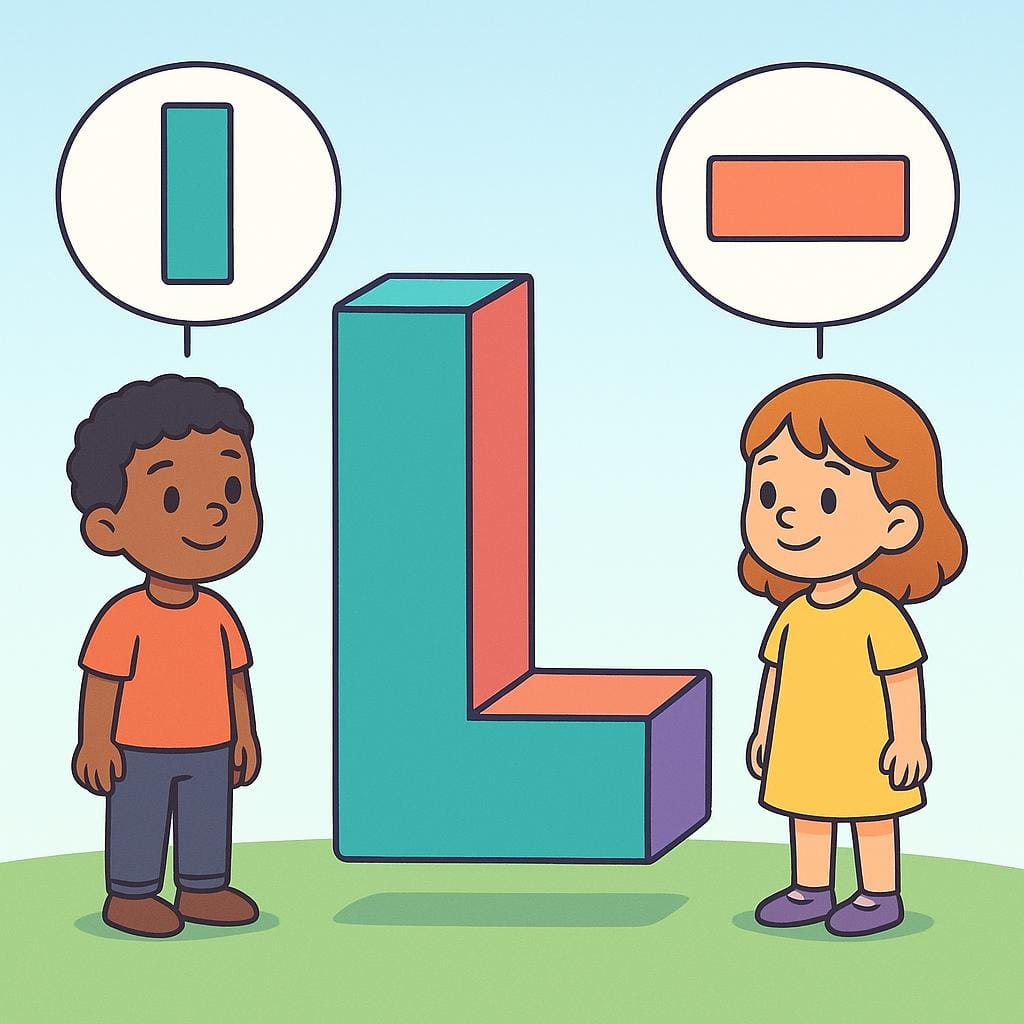
Desde mi perspectiva, la nueva política es injusta.
From my viewpoint, the new policy is unfair.
Tiene una perspectiva muy optimista sobre el futuro de la empresa.
She has a very optimistic outlook on the future of the company.
Gender Check
Even though it ends in '-a', 'perspectiva' is a feminine noun, so you must always use 'la' or 'una' before it: 'la perspectiva'.
Mixing Prepositions
Mistake: “Por mi perspectiva, es mejor así.”
Correction: Desde mi perspectiva, es mejor así. (Use 'desde' [from] when expressing where your viewpoint originates.)
visión
Examples
Tenemos una visión muy diferente del futuro.
We have a very different perspective on the future.
mentalidad
men-tah-lee-dahdmentaliˈdað

Examples
Ella tiene una mentalidad muy positiva ante los problemas.
She has a very positive mindset when facing problems.
Para ser un gran deportista, hace falta una mentalidad de hierro.
To be a great athlete, you need a mindset of iron (a very strong mindset).
Es difícil cambiar la mentalidad de toda una sociedad.
It is difficult to change the mentality of an entire society.
The '-dad' Gender Rule
Almost all Spanish words that end in '-dad' are feminine. This means you should always use 'la' or 'una' with mentalidad.
Mind vs. Mindset
While 'mente' refers to the physical or spiritual 'mind' itself, 'mentalidad' refers to the specific way someone thinks or their attitude.
Gender Agreement
Mistake: “Él tiene un mentalidad abierta.”
Correction: Él tiene una mentalidad abierta.
porvenir
por-be-neerpoɾβeˈniɾ

Examples
Ella estudia medicina pensando en su porvenir.
She is studying medicine thinking about her future.
Nadie sabe qué nos depara el porvenir.
Nobody knows what the future holds for us.
Ese joven tiene un porvenir brillante en la música.
That young man has a bright future/prospects in music.
Always Masculine
Even though it doesn't end in 'o', this word is always masculine. You should always use 'el' or 'un' with it.
Porvenir vs. Futuro
While they both mean 'future,' 'porvenir' is often used for personal success or a long-term outlook, while 'futuro' is more general.
Confusing it with 'Coming'
Mistake: “Using 'por venir' (two words) when you mean the noun.”
Correction: Use 'el porvenir' (one word) to mean 'the future'. Use 'por venir' (two words) to mean 'yet to come' or 'about to arrive'.
horizonte
oh-ree-SOHN-tehoɾiˈsonte

Examples
Aprender un nuevo idioma te ayuda a ampliar tus horizontes.
Learning a new language helps you broaden your horizons.
No vemos grandes cambios en el horizonte político.
We don't see big changes on the political horizon.
Using the Plural
When talking about life experiences or learning, we almost always use the plural 'horizontes'.
vista
BEES-tahˈbista
Examples
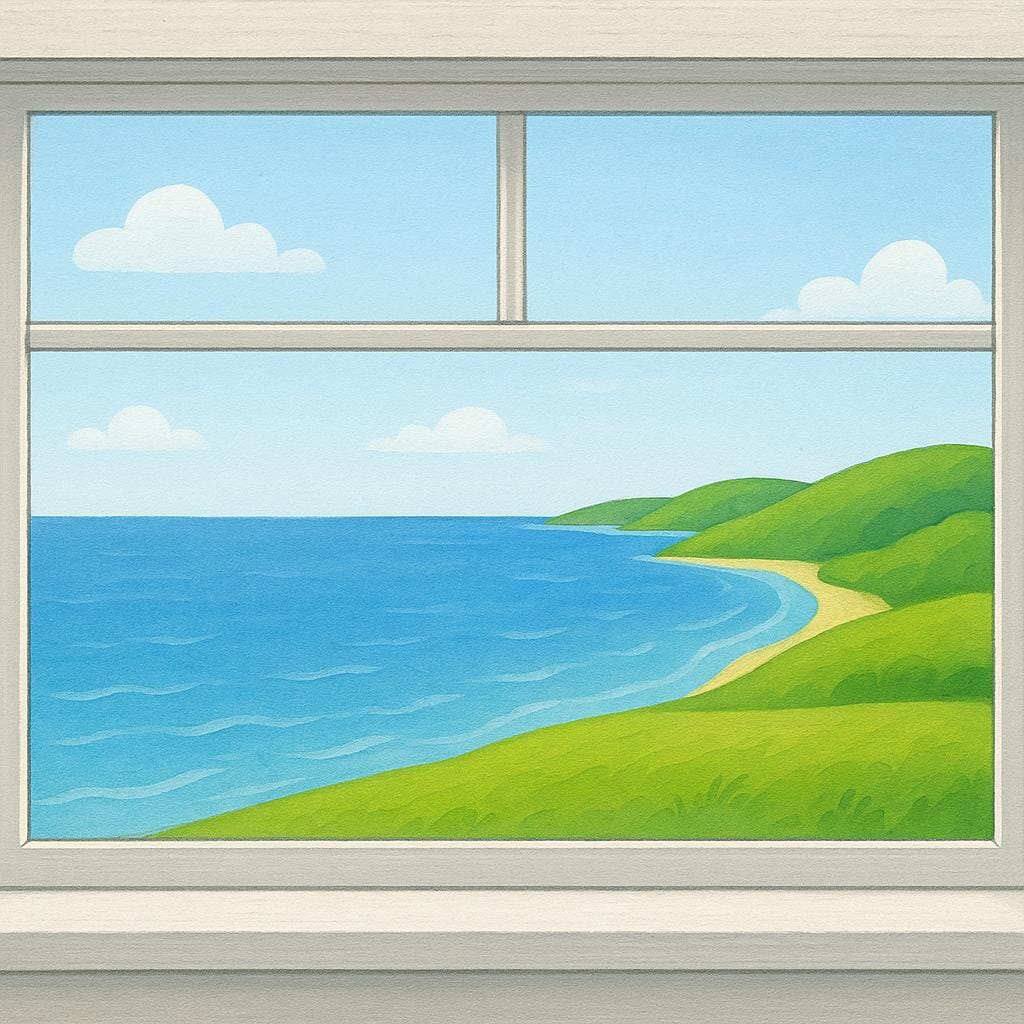
Quiero una habitación de hotel con vistas al mar.
I want a hotel room with a sea view.
La vista desde la cima de la montaña es espectacular.
The view from the top of the mountain is spectacular.
Este apartamento no tiene buenas vistas.
This apartment doesn't have good views.
Singular vs. Plural: 'vista' vs. 'vistas'
You can use the plural 'vistas' to talk about views, especially when booking hotels. 'Una habitación con vistas' (a room with views) is very common and sounds natural.
Outlook: 'Panorama' vs. 'Perspectiva'
Related Translations
Learn Spanish with Inklingo
Interactive stories, personalized learning, and more.