How to Say "sight" in Spanish
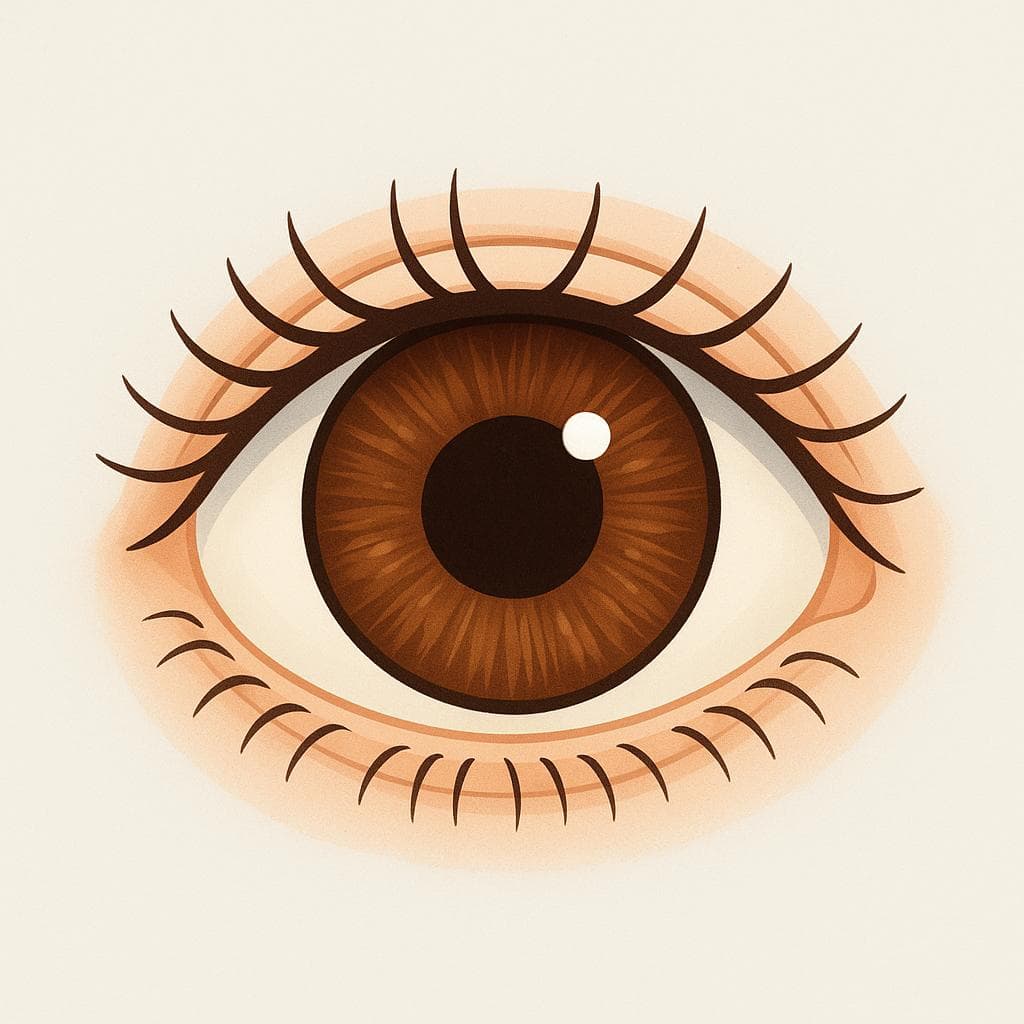
The most common Spanish word for “sight” is “vista” — use 'vista' when referring to the general sense of seeing or eyesight, or a view from a particular place.




vista
BEES-tahˈbista

Examples
Mi abuela tiene muy buena vista para su edad.
My grandmother has very good eyesight for her age.
El sentido de la vista es uno de los más importantes.
The sense of sight is one of the most important.
Después de la operación, recuperó la vista por completo.
After the operation, he completely recovered his sight.
Confusing 'vista' and 'visión'
Mistake: “Me gusta la visión desde mi balcón.”
Correction: Me gusta la vista desde mi balcón. Use 'vista' for a physical view. 'Visión' is more for an idea, a dream, or the general concept of sight.
ojo
OH-hohˈoxo
Examples
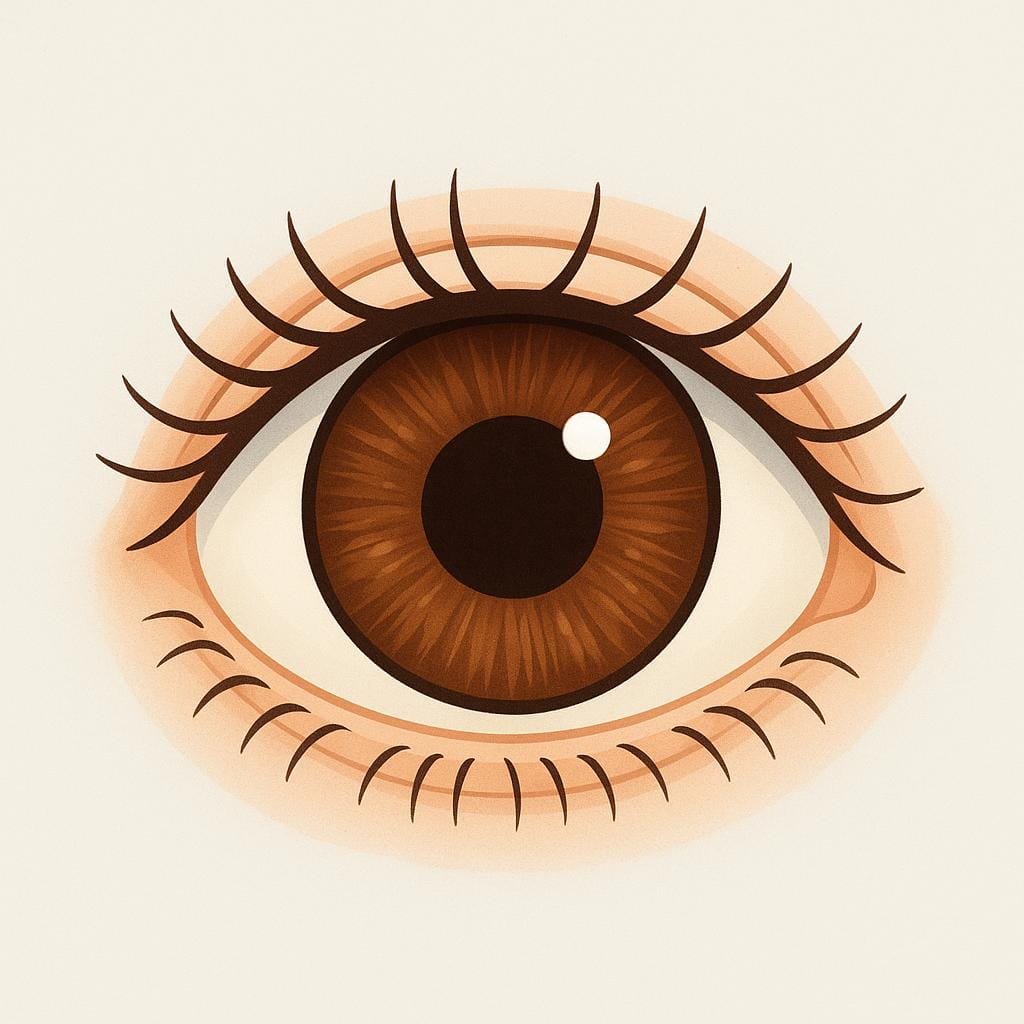
Tienes un ojo verde y el otro azul. ¡Qué peculiar!
You have one green eye and the other blue. How peculiar!
Me duele el ojo izquierdo después de leer tanto.
My left eye hurts after reading so much.
Masculine Noun
Even though many body parts are feminine (like 'la mano' or 'la cabeza'), 'ojo' is always masculine: 'el ojo' (the eye).
Using the definite article
Mistake: “Me duele mi ojo.”
Correction: Me duele el ojo. (Spanish often uses 'el' or 'la' instead of 'mi' or 'tu' when talking about body parts, especially with verbs like 'doler'.)
visión
Examples
Necesita un examen para comprobar su visión.
She needs an exam to check her sight.
espectáculo
Examples
¡No me hables así! No hagas un espectáculo en medio del restaurante.
Don't speak to me like that! Don't make a scene in the middle of the restaurant.
perspectiva
per-spek-TEE-vahpeɾspekˈtiβa

Examples
El dibujo carece de perspectiva; parece plano.
The drawing lacks perspective; it looks flat.
La perspectiva de la calle desde la colina es impresionante.
The view of the street from the hill is stunning.
Technical Use
When talking about drawing or painting, this word refers to the technique used to make flat objects look three-dimensional (the way parallel lines appear to meet).
mira
MEE-rahˈmi.ɾa

Examples
El cazador ajustó la mira de su rifle.
The hunter adjusted the sight of his rifle.
Tiene la mira puesta en ganar el campeonato.
He has his sights set on winning the championship.
Always Feminine: 'la mira'
When used as a noun, 'mira' is always a feminine word. You'll always see it with 'la' or 'una', like 'la mira' (the sight) or 'una mira telescópica' (a telescopic sight).
fenómeno
Examples
El fenómeno de El Niño afecta el clima global.
The El Niño phenomenon affects the global climate.
feto
FEH-tohˈfeto

Examples
Ese chico es un feto, pero es muy gracioso.
That guy is really ugly, but he's very funny.
¡Qué feto eres con ese peinado!
You look like a mess with that hairstyle!
Fixed Gender in Slang
When calling someone an 'ugly person' using this word, you almost always use the masculine 'un feto,' even if the person is female.
Use with Caution
Mistake: “Using this word in polite company.”
Correction: This is a very strong insult. Only use it with very close friends as a joke, or avoid it entirely to stay polite.
Sight vs. Vision vs. View
Related Translations
Learn Spanish with Inklingo
Interactive stories, personalized learning, and more.