How to Say "face" in Spanish
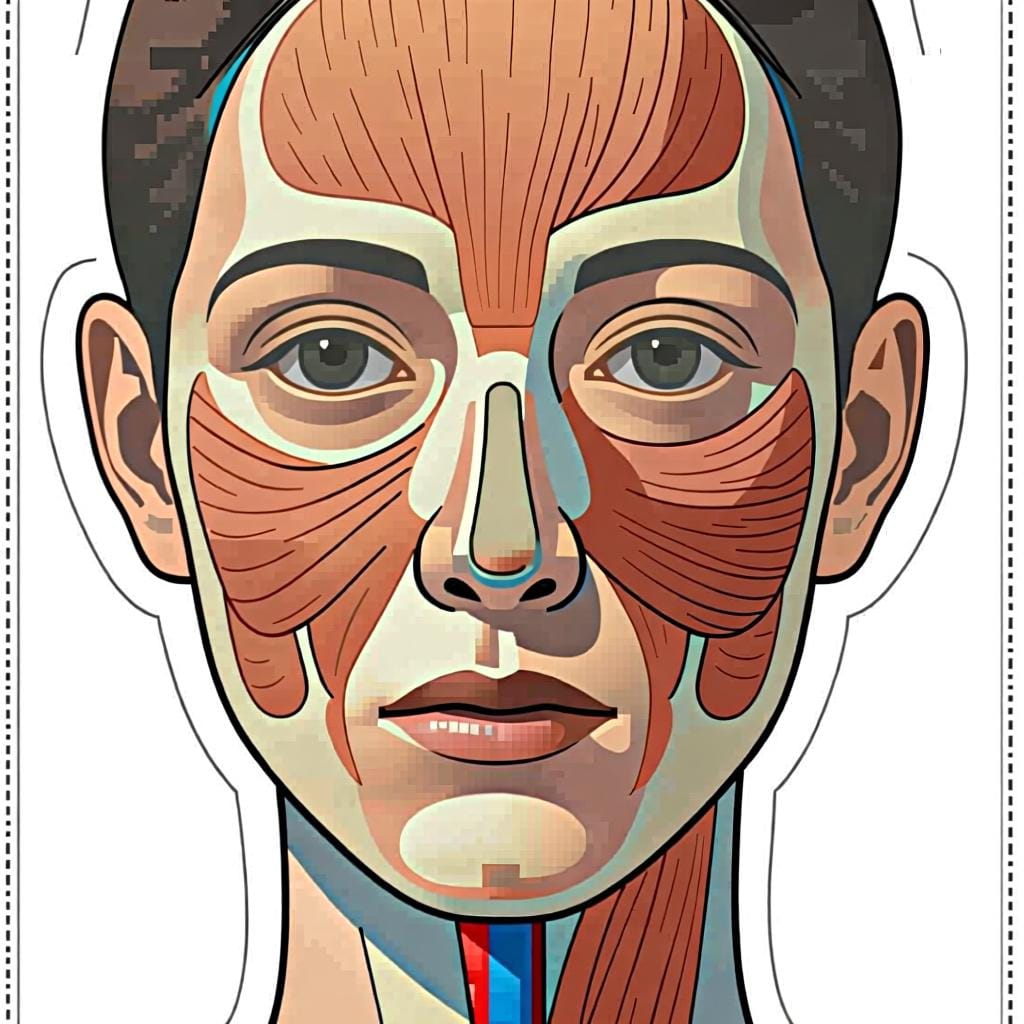
The most common Spanish word for “face” is “cara” — use this for the physical front part of a person's head, the most general and common translation for 'face'.
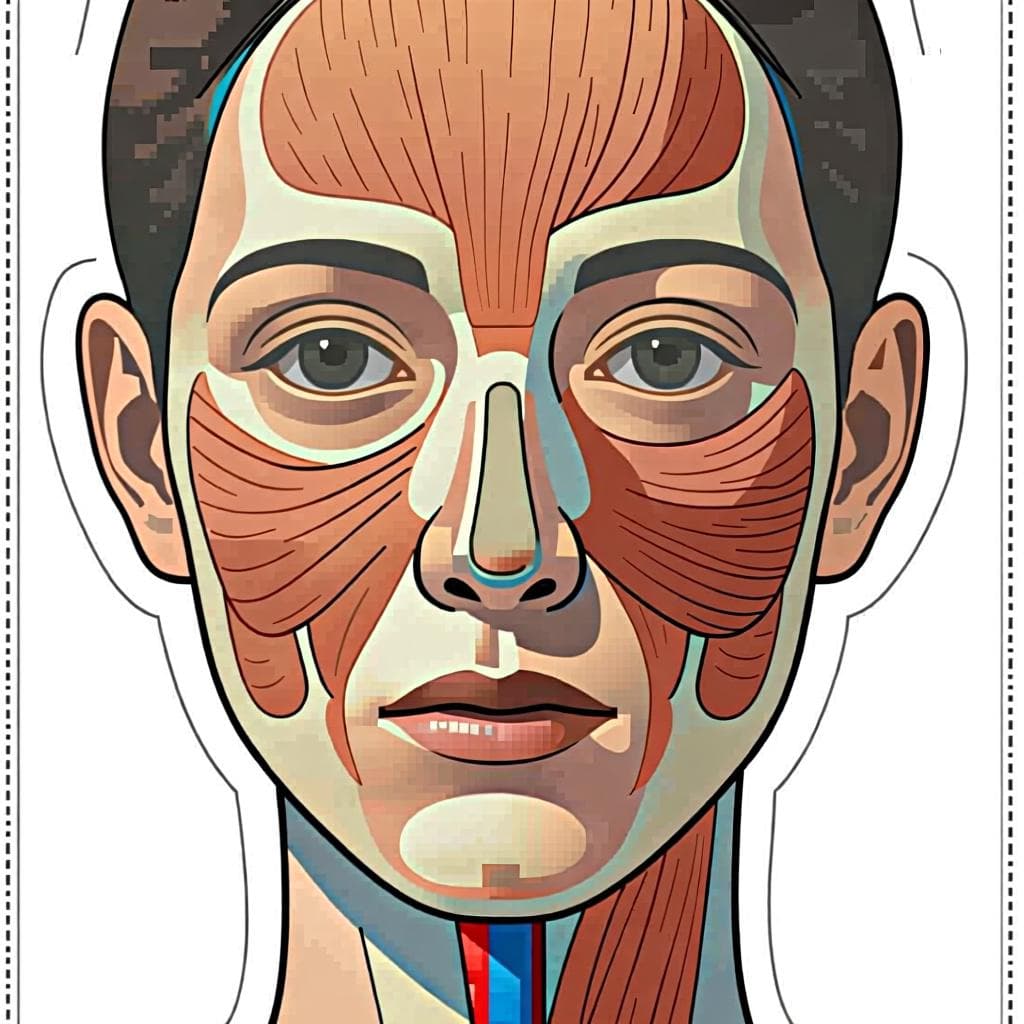




cara
kah-rahˈka.ɾa
Examples
Me lavo la cara todas las mañanas.
I wash my face every morning.
La moneda tiene dos caras: cara y cruz.
The coin has two sides: heads and tails.
Puso mala cara cuando le conté el problema.
He put on a sour face when I told him the problem.
'Cara' is a Feminine Word
Even though it doesn't end in '-o', 'cara' is a feminine word. So, you always use 'la' or 'una' with it. For example, 'la cara bonita' (the pretty face).
Describing Your Own Face
Mistake: “Incorrect: 'Tengo cara cansada.'”
Correction: Correct: 'Tengo la cara cansada.' When you're describing the state of your own body part, like your face, you usually need to include 'la' (the).
rostro
ROS-trohˈros.tɾo

Examples
Su rostro reflejaba una profunda tristeza.
His face reflected deep sadness.
La actriz era famosa por el rostro angelical que tenía.
The actress was famous for the angelic face she had.
El rostro de la ciudad ha cambiado mucho en los últimos años.
The face (aspect) of the city has changed a lot in recent years.
Masculine Noun Rule
Even though faces are universal, 'rostro' is always a masculine word, so it uses 'el' (el rostro) and masculine adjectives (un rostro bonito).
Confusing 'Rostro' and 'Cara'
Mistake: “Using 'rostro' in very casual, everyday conversation where 'cara' is more natural.”
Correction: While both mean 'face,' use 'cara' (e.g., 'Tienes algo en la cara') for simple references, and save 'rostro' for talking about expressions, beauty, or in formal writing.
lado
la-dohˈla.ðo
Examples
El supermercado está al otro lado de la calle.
The supermarket is on the other side of the street.
Me duele el lado izquierdo del cuerpo.
The left side of my body hurts.
Escribe tu nombre en un lado del papel.
Write your name on one side of the paper.
Always Masculine
'Lado' is always a masculine word, so you'll always say 'el lado' or 'un lado', never 'la' or 'una'.
Using 'Lado' for Clothing
Mistake: “Me gusta esta lada de la camisa.”
Correction: Me gusta este lado de la camisa. Remember, 'lado' is always masculine, even when talking about something that is feminine, like 'la camisa'.
superficie
soo-per-FEE-see-ehsu.peɾˈfi.θje

Examples
No toques la superficie del cristal, está caliente.
Don't touch the surface of the glass, it's hot.
El bote flotaba en la superficie del lago.
The boat floated on the surface of the lake.
La luna tiene una superficie rocosa y llena de cráteres.
The moon has a rocky surface full of craters.
Gender Alert
Even though it ends in '-ie,' 'superficie' is a feminine word. Always use 'la' or 'una' before it (la superficie).
Incorrect Gender
Mistake: “El superficie es liso.”
Correction: La superficie es lisa. (Remember it is feminine, 'la' and 'lisa' must match.)
haz
asas

Examples
Un haz de luz solar iluminó la habitación.
A beam of sunlight lit up the room.
Recogió un haz de espárragos en el mercado.
She picked up a bundle of asparagus at the market.
El enemigo agitaba un haz de flechas.
The enemy brandished a sheaf of arrows.
It's a Masculine Noun
Even though 'haz' ends in 'z', it's a masculine word. So, you say 'el haz' (the beam) or 'un haz' (a beam). Its plural form is 'los haces'.
Using the Wrong Gender
Mistake: “La haz de luz es bonita.”
Correction: El haz de luz es bonito. Remember to use 'el' with 'haz' and make any describing words (adjectives) masculine too.
oriente
oh-ree-EHN-tehoˈɾjen.te

Examples
Espero que me oriente para encontrar el museo.
I hope that he/she guides me to find the museum.
Oriente la antena hacia el sur.
Direct the antenna toward the south. (Formal command)
The '-AR' Subjunctive
Since orientar is an -AR verb, its present subjunctive forms (like oriente) use the opposite vowel ('E') compared to the indicative 'A' forms.
faz
fath/ or /fassfaθ

Examples
Su pálida faz reflejaba una profunda tristeza.
Her pale face reflected a deep sadness.
El poeta escribió versos a la bella faz de su amada.
The poet wrote verses to the beautiful face of his beloved.
Vimos la faz de la luna aparecer tras las nubes.
We saw the face of the moon appear behind the clouds.
Always Feminine
Even though it ends in 'z', this word is feminine. You must always use 'la' or 'una' with it (e.g., 'la faz').
The 'Z' to 'C' Change
When you want to talk about more than one (plural), the 'z' at the end changes to a 'c' before adding 'es'. So, one is 'faz' and two are 'faces'.
Using the wrong gender
Mistake: “el faz”
Correction: la faz
Using it in casual talk
Mistake: “Lávate la faz antes de salir.”
Correction: Lávate la cara antes de salir. (Using 'faz' sounds like you are acting in a Shakespeare play!)
Cara vs. Rostro
Learn Spanish with Inklingo
Interactive stories, personalized learning, and more.