How to Say "party" in Spanish
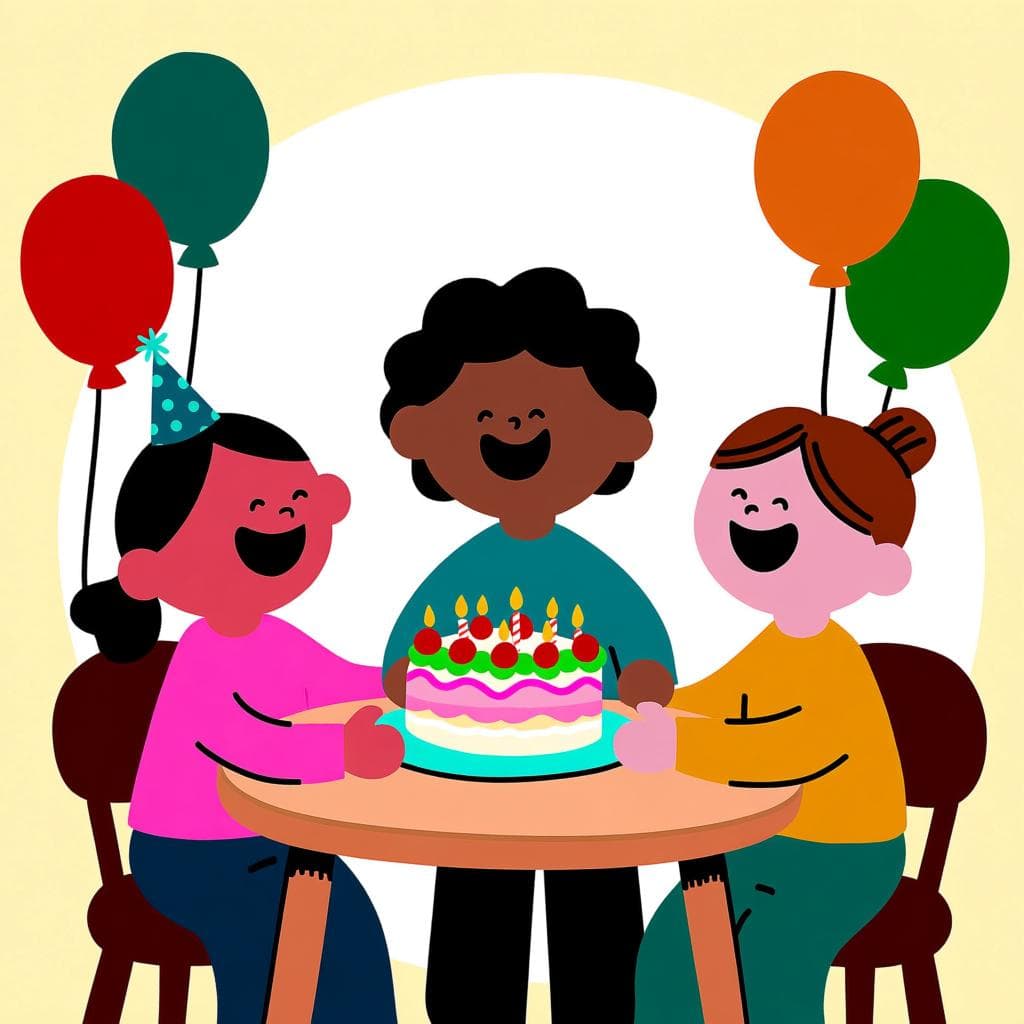
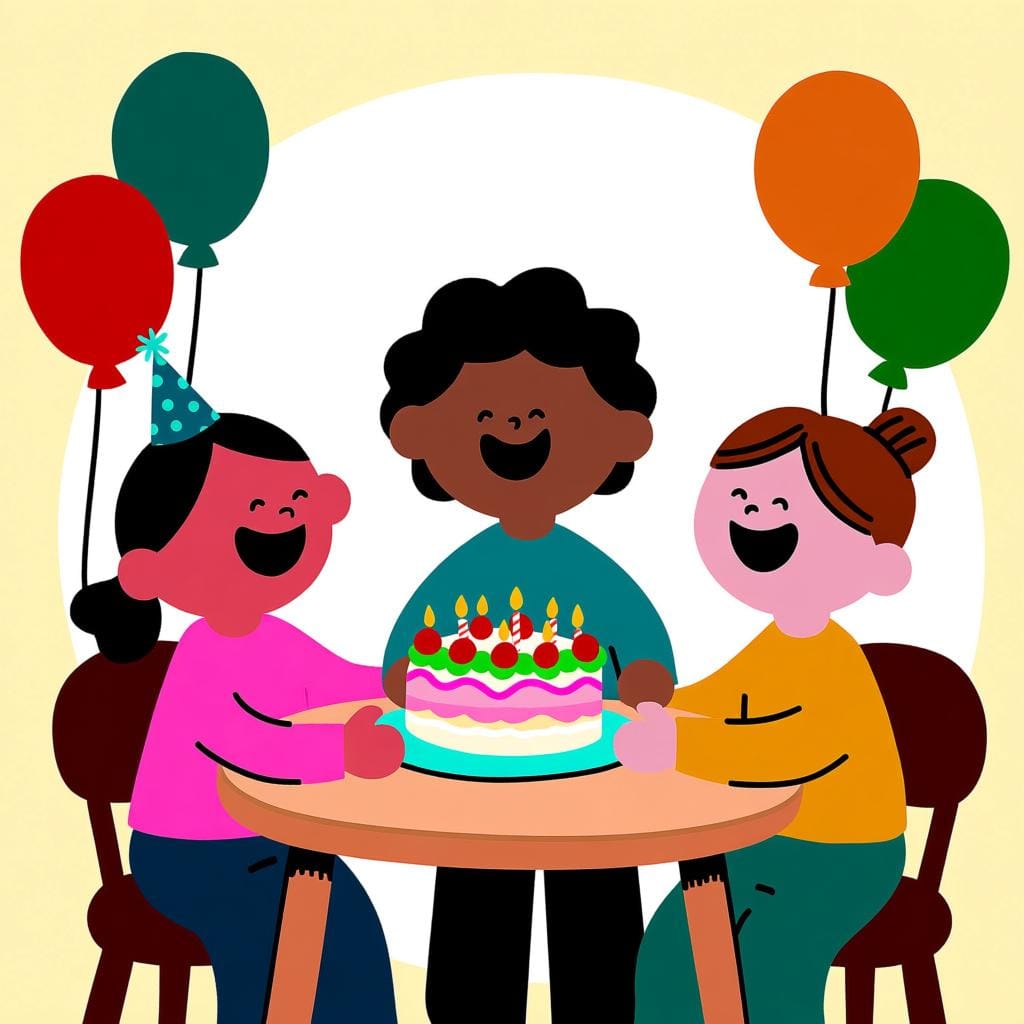
The most common Spanish word for “party” is “fiesta” — use 'fiesta' for a general social gathering or celebration, like a birthday party or a holiday event.






fiesta
fyes-tahˈfjesta
Examples
Mi hermano organiza una fiesta para su cumpleaños.
My brother is organizing a party for his birthday.
Fuimos a una fiesta en la playa anoche.
We went to a party on the beach last night.
Gracias por invitarme a la fiesta, ¡me divertí mucho!
Thanks for inviting me to the party, I had a lot of fun!
Feminine Nouns
In Spanish, nouns have a gender. 'Fiesta' ends in '-a', which is a big clue that it's a 'feminine' word. That's why you always say 'la fiesta' (the party) or 'una fiesta' (a party).
Don't Confuse 'Fiesta' with 'Partido'
Mistake: “Te invito a mi partido de cumpleaños.”
Correction: Te invito a mi fiesta de cumpleaños. (I invite you to my birthday party.) 'Partido' means a sports game or match, or a political party. For a celebration, you always want to use 'fiesta'.
celebración
Examples
La celebración de su cumpleaños fue espectacular.
The celebration for his birthday was spectacular.
baile
BAI-lehˈbai̯.le

Examples
Me encanta el baile flamenco.
I love flamenco dancing.
¿Vas a ir al baile de la escuela el viernes?
Are you going to the school dance on Friday?
Organizaron un baile de caridad para recaudar fondos.
They organized a charity ball to raise funds.
It's a Masculine Noun
Even though it ends in 'e', 'baile' is masculine. Always use 'el' or 'un' with it. For example, 'El baile fue divertido' (The dance was fun).
partido
par-TEE-dohpaɾˈti.ðo

Examples
Mi abuelo siempre vota por el mismo partido político.
My grandfather always votes for the same political party.
El líder del partido dio un discurso importante.
The leader of the party gave an important speech.
Not a Celebration!
Mistake: “Voy a un partido esta noche. (Meaning you're going to a celebration)”
Correction: Voy a una fiesta esta noche. Use `partido` only for sports or politics. A celebration or social get-together is a `fiesta`.
bola
boh-lahˈbo.la

Examples
¿Vamos a la bola este sábado en casa de Pedro?
Are we going to the party this Saturday at Pedro's house?
¡Qué buena bola se armó anoche!
What a great party/bash was put together last night!
bando
BAHN-dohˈbando

Examples
En la guerra civil, muchas familias se dividieron en bandos opuestos.
During the civil war, many families were divided into opposing sides.
No quiero elegir un bando en esta discusión.
I don't want to choose a side in this argument.
Los caballeros del bando del rey ganaron la batalla.
The knights on the king's side won the battle.
Always Masculine
Even though it ends in 'o', which is standard, remember that 'el bando' is used even if the people in that group are women. It refers to the group itself.
Bando vs. Banda
Mistake: “Using 'bando' to mean a music group.”
Correction: Use 'banda' for a music group or a gang. 'Bando' is strictly for sides in a division or conflict.
parte
PAR-tehˈpaɾte

Examples
La primera parte de la película fue un poco lenta.
The first part of the movie was a bit slow.
Quiero una parte del pastel de chocolate.
I want a piece of the chocolate cake.
Esa es mi parte favorita de la canción.
That's my favorite part of the song.
Always Feminine: 'la parte'
Even though it ends in '-e', this word is almost always feminine. Remember to use 'la', 'una', and adjectives that end in '-a'. For example, 'la parte más bonita' (the prettiest part).
Using 'el' instead of 'la'
Mistake: “Me gusta el parte de atrás del coche.”
Correction: Me gusta la parte de atrás del coche. Unless you mean 'official report', always use 'la' with this meaning.
implicado
eem-plee-KAH-dohimpliˈkaðo

Examples
El principal implicado fue arrestado esta mañana.
The main person involved was arrested this morning.
Hay tres implicados en el accidente de tráfico.
There are three people involved in the traffic accident.
El juez escuchó el testimonio del implicado.
The judge heard the testimony of the person involved.
From Description to Person
By adding 'el' or 'un' in front of 'implicado', you turn the description into a person (the one who is involved).
Keep it Formal
Mistake: “Using 'el implicado' in a casual conversation with friends.”
Correction: In casual settings, just say 'el chico' or 'la persona'. 'Implicado' as a noun sounds like a police report.
Fiesta vs. Partido
Related Translations
Learn Spanish with Inklingo
Interactive stories, personalized learning, and more.