How to Say "celebration" in Spanish
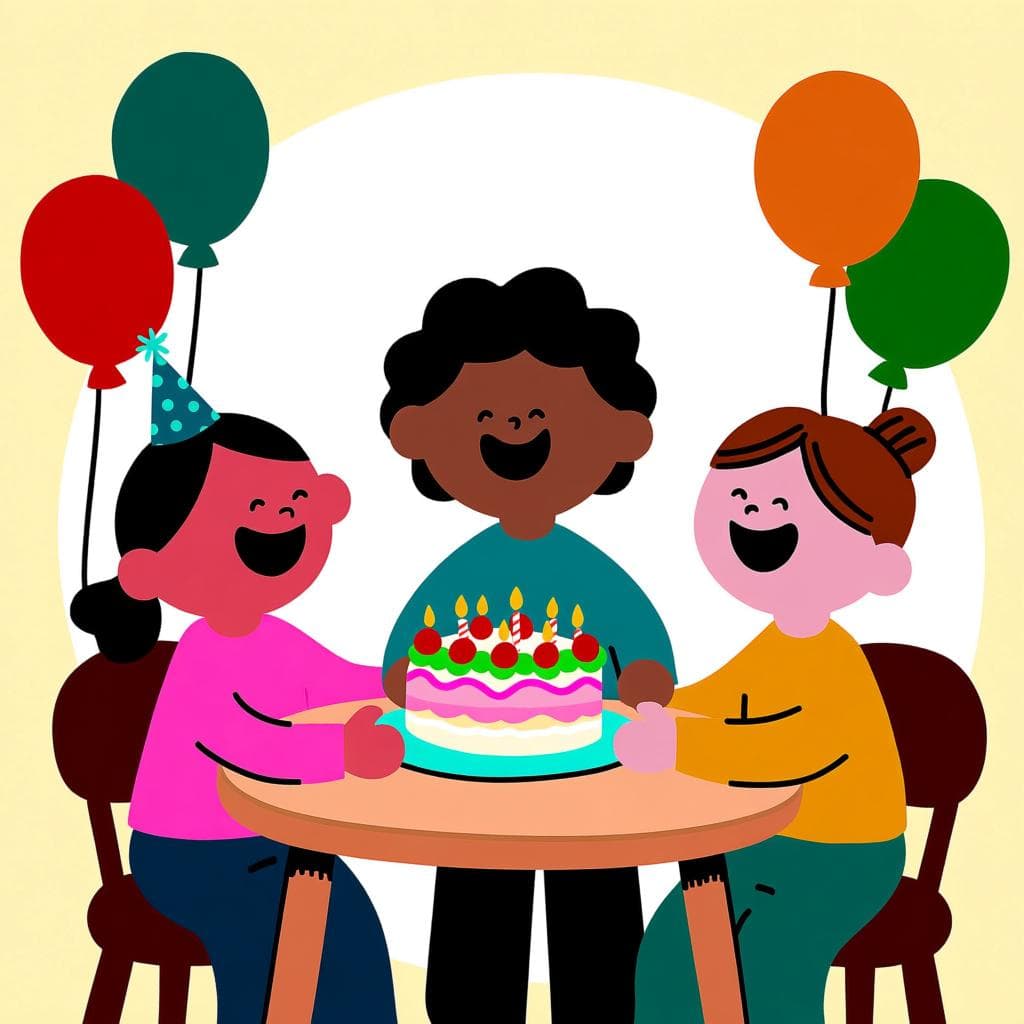
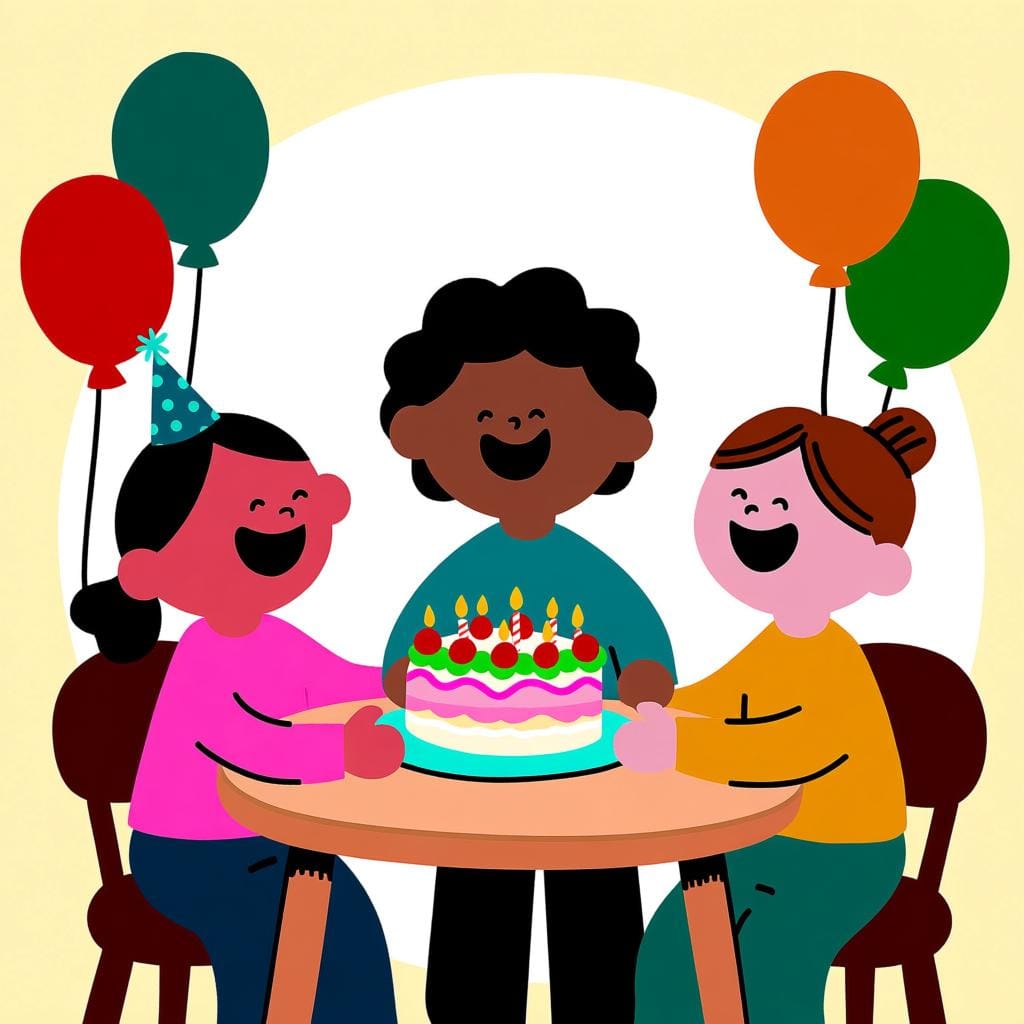
The most common Spanish word for “celebration” is “fiesta” — use 'fiesta' for a general party or gathering marking a special occasion, like a birthday or holiday. It's very common and informal.


fiesta
fyes-tahˈfjesta
Examples
Mi hermano organiza una fiesta para su cumpleaños.
My brother is organizing a party for his birthday.
Fuimos a una fiesta en la playa anoche.
We went to a party on the beach last night.
Gracias por invitarme a la fiesta, ¡me divertí mucho!
Thanks for inviting me to the party, I had a lot of fun!
Feminine Nouns
In Spanish, nouns have a gender. 'Fiesta' ends in '-a', which is a big clue that it's a 'feminine' word. That's why you always say 'la fiesta' (the party) or 'una fiesta' (a party).
Don't Confuse 'Fiesta' with 'Partido'
Mistake: “Te invito a mi partido de cumpleaños.”
Correction: Te invito a mi fiesta de cumpleaños. (I invite you to my birthday party.) 'Partido' means a sports game or match, or a political party. For a celebration, you always want to use 'fiesta'.
celebración
Examples
La celebración de su cumpleaños fue espectacular.
The celebration for his birthday was spectacular.
festival
fes-tee-VAHLfestiˈβal

Examples
El festival de cine de San Sebastián es muy famoso.
The San Sebastián film festival is very famous.
Este verano asistiremos al festival de música electrónica.
This summer we will attend the electronic music festival.
Hubo un festival gastronómico con comida de todo el mundo.
There was a food festival with cuisine from all over the world.
Masculine Noun Rule
Even though 'festival' ends in -al, it is always a masculine noun. Always use 'el' or 'un' before it (el festival, un festival).
Misusing Gender
Mistake: “Saying 'La festival' (The festival).”
Correction: The correct form is 'El festival' because the word is masculine.
festejo
fes-TEH-hofesˈtexo

Examples
El festejo de su cumpleaños duró hasta la madrugada.
The birthday celebration lasted until the early morning.
Los festejos populares incluyen música y baile en la plaza.
The public festivities include music and dancing in the square.
Asistimos a un festejo taurino en la plaza de toros.
We attended a bullfighting event at the bullring.
Festejo vs. Fiesta
While both mean 'party' or 'celebration,' 'festejo' often sounds a bit more formal or refers to the act of celebrating an event rather than just the party itself.
Always Masculine
Even if the celebration is for a woman, the word 'festejo' is always masculine: 'el festejo'.
Confusing with 'Festival'
Mistake: “El festejo de cine fue excelente.”
Correction: El festival de cine fue excelente. Use 'festival' for recurring arts/culture events, and 'festejo' for general celebrations.
Fiesta vs. Celebración
Related Translations
Learn Spanish with Inklingo
Interactive stories, personalized learning, and more.