How to Say "festival" in Spanish
The most common Spanish word for “festival” is “fiesta” — use 'fiesta' for public, often traditional or religious, celebrations that might have a strong community or historical element.
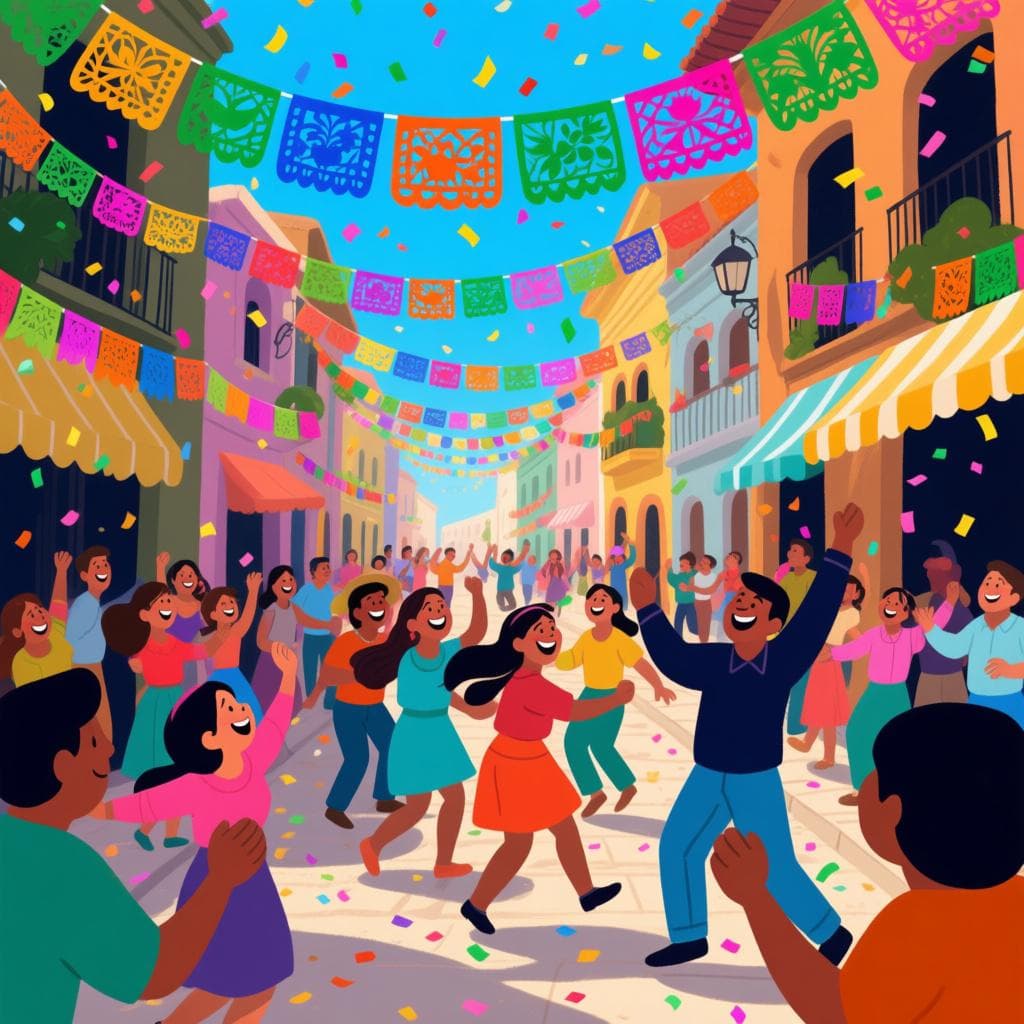
Use 'fiesta' for public, often traditional or religious, celebrations that might have a strong community or historical element.
Learn more →
Choose 'festival' for organized public events focused on specific cultural areas like music, film, or arts.
Learn more →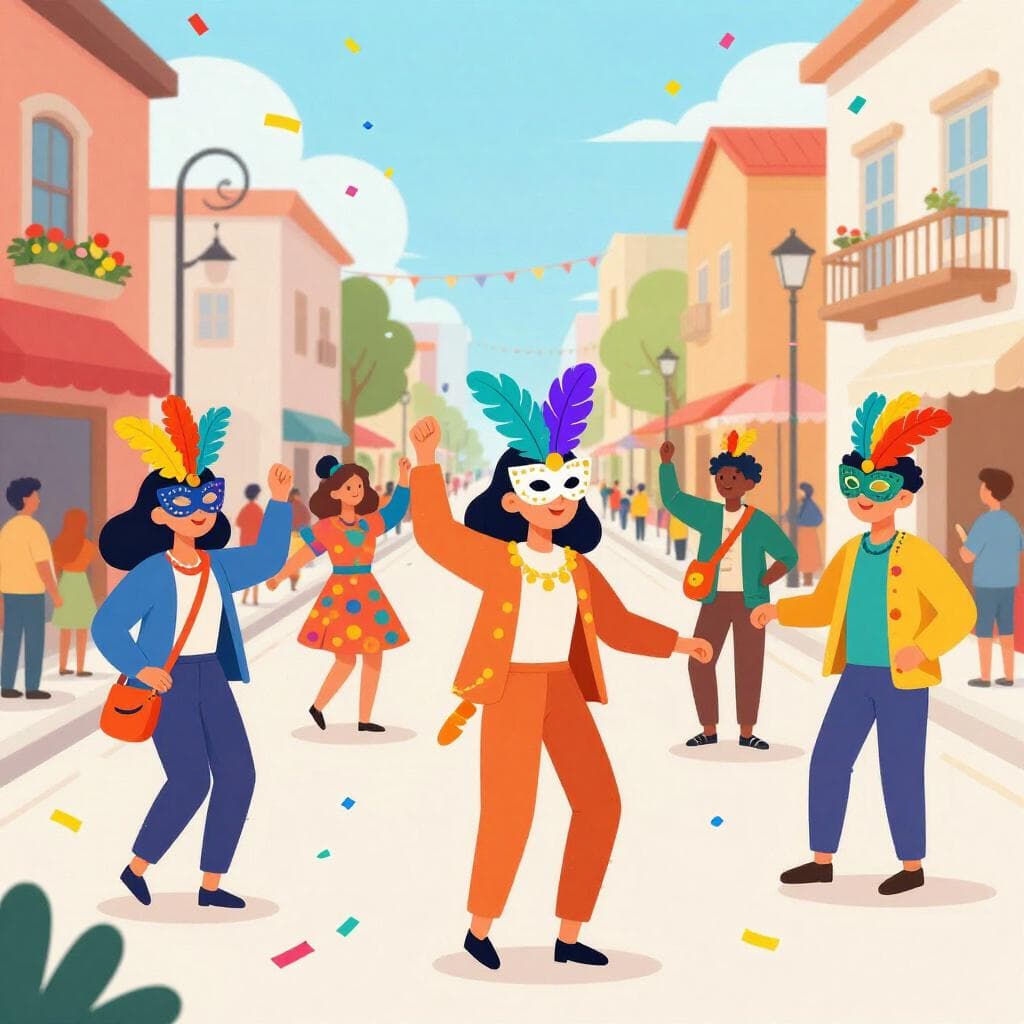
Use 'carnaval' specifically for large public celebrations characterized by parades, costumes, and often a lively, boisterous atmosphere.
Learn more →fyes-tahˈfjesta
Examples
La Fiesta de San Fermín en Pamplona es mundialmente famosa.
The Festival of San Fermín in Pamplona is world-famous.
El primero de mayo es fiesta en muchos países.
The first of May is a holiday in many countries.
Cada pueblo tiene su propia fiesta patronal para celebrar a su santo.
Each town has its own patron saint's festival to celebrate its saint.
fes-tee-VAHLfestiˈβal

Examples
El festival de cine de San Sebastián es muy famoso.
The San Sebastián film festival is very famous.
Este verano asistiremos al festival de música electrónica.
This summer we will attend the electronic music festival.
Hubo un festival gastronómico con comida de todo el mundo.
There was a food festival with cuisine from all over the world.
Masculine Noun Rule
Even though 'festival' ends in -al, it is always a masculine noun. Always use 'el' or 'un' before it (el festival, un festival).
Misusing Gender
Mistake: “Saying 'La festival' (The festival).”
Correction: The correct form is 'El festival' because the word is masculine.
kar-na-BALkaɾnaˈβal

Examples
El carnaval de Río de Janeiro es el más grande del mundo.
The Rio de Janeiro carnival is the biggest in the world.
Mucha gente usa máscaras y disfraces durante el carnaval.
Many people wear masks and costumes during the carnival.
Fuimos a Cádiz para ver los desfiles de carnaval.
We went to Cadiz to see the carnival parades.
Masculine Word Rule
This word is masculine, so you should always use 'el' or 'un'. A helpful pattern is that most Spanish words ending in 'l' are masculine.
Making it Plural
To talk about multiple carnivals, add '-es' to the end: 'los carnavales'.
The Gender Trap
Mistake: “Me gusta la carnaval.”
Correction: Me gusta el carnaval. Even though 'fiesta' (party) is feminine, 'carnaval' is a masculine word.
Fiesta vs. Festival
The most common confusion is between 'fiesta' and 'festival'. While 'festival' is often used for arts and culture events, 'fiesta' is a broader term that can encompass religious, traditional, or community gatherings, even if they also have cultural elements.
Related Translations
Learn Spanish with Inklingo
Interactive stories, personalized learning, and more.