How to Say "feast day" in Spanish
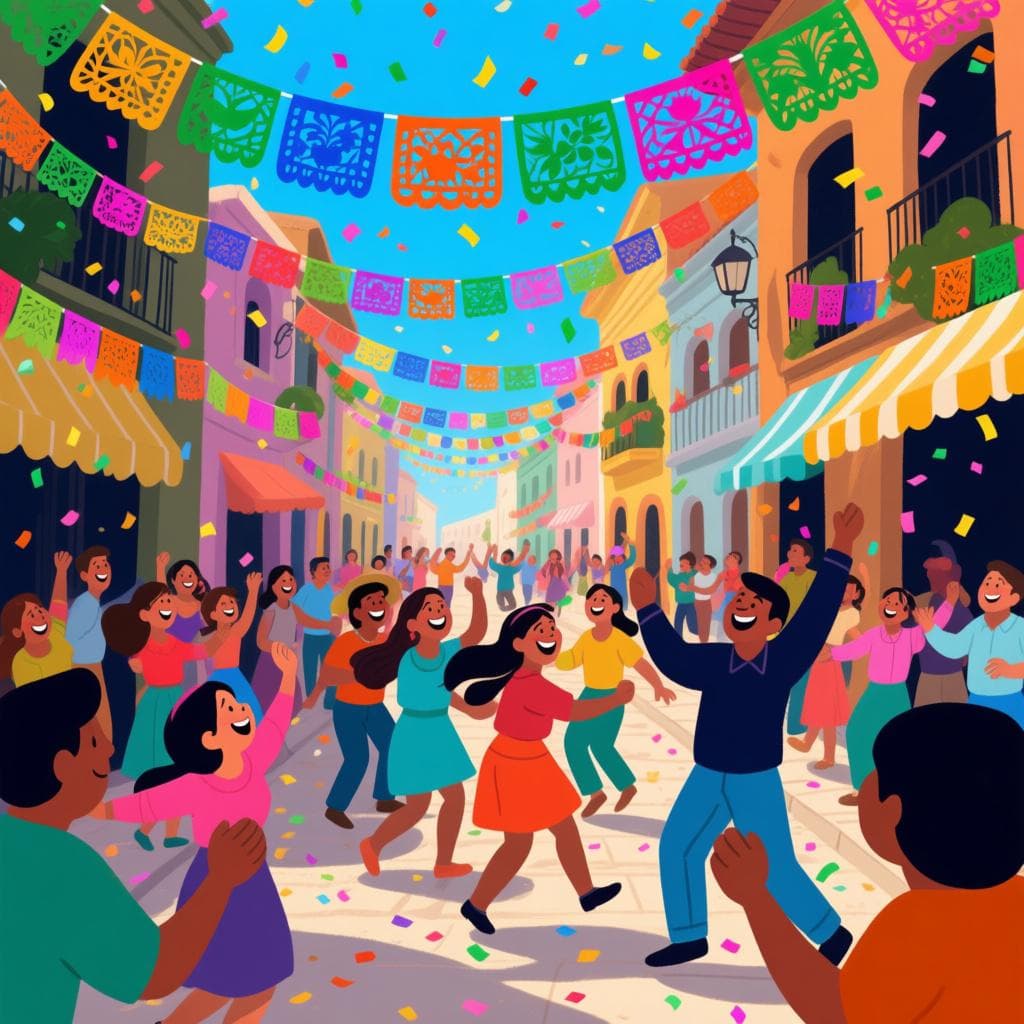
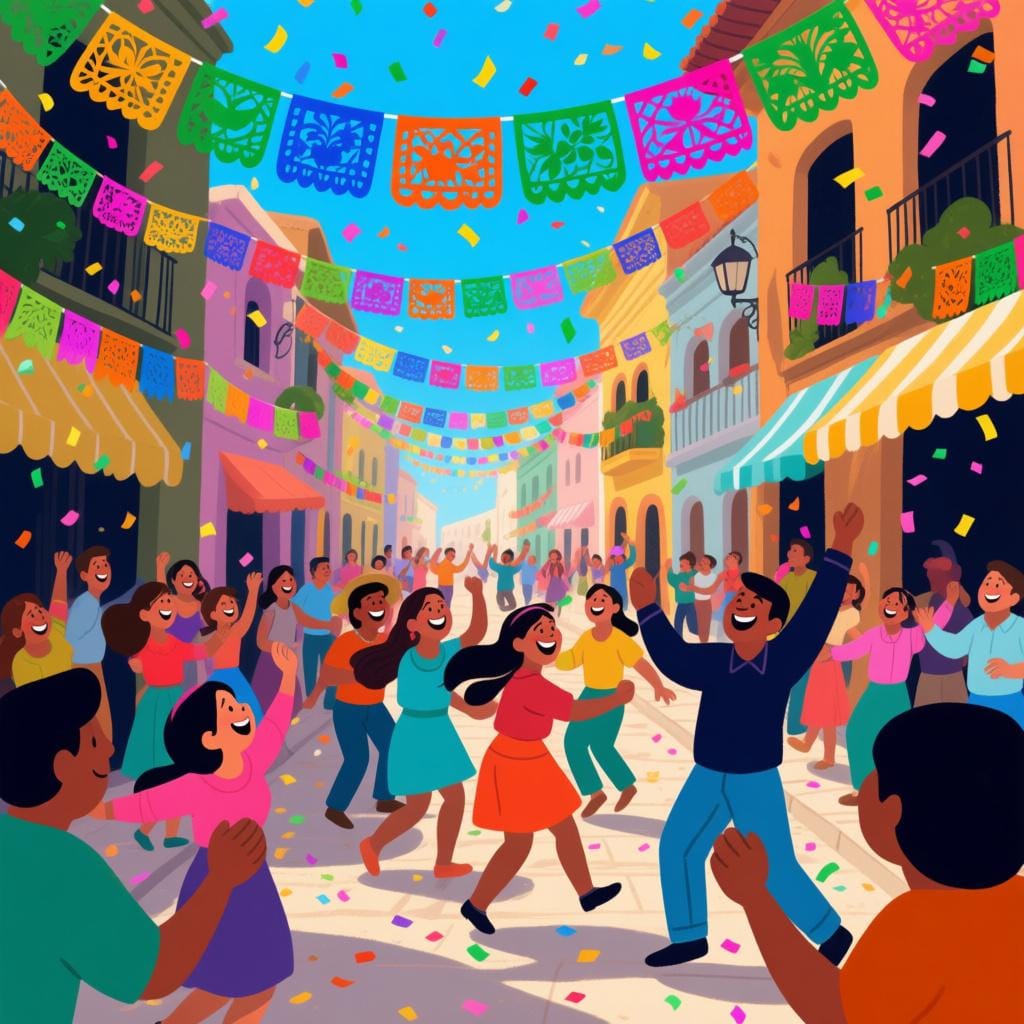
The most common Spanish word for “feast day” is “fiesta” — use 'fiesta' when referring to a specific day dedicated to a particular saint, often celebrated with public events or festivals.

fiesta
fyes-tahˈfjesta
Examples
La Fiesta de San Juan se celebra con hogueras.
The Feast Day of Saint John is celebrated with bonfires.
La Fiesta de San Fermín en Pamplona es mundialmente famosa.
The Festival of San Fermín in Pamplona is world-famous.
El primero de mayo es fiesta en muchos países.
The first of May is a holiday in many countries.
Cada pueblo tiene su propia fiesta patronal para celebrar a su santo.
Each town has its own patron saint's festival to celebrate its saint.
santo
sahn-tohˈsan.to

Examples
Hoy es mi santo, así que mi familia me felicitará.
Today is my saint's day, so my family will congratulate me.
Mi abuela siempre reza a su santo favorito.
My grandmother always prays to her favorite saint.
Hoy es mi santo, ¿me felicitas?
Today is my saint's day (name day), will you wish me well?
Los Reyes Magos también son conocidos como los Santos Reyes.
The Three Wise Men are also known as the Holy Kings (Saints).
Gender and Plural
The masculine form is 'el santo' (the saint) and the plural is 'los santos.' The feminine is 'la santa' and 'las santas.'
Confusing 'Santo' and 'Día de Reyes'
Mistake: “El 6 de enero es mi santo.”
Correction: The 6th of January is Día de Reyes. Only use 'mi santo' to refer to your personal name day, which is the day dedicated to the saint you are named after.
Fiesta vs. Santo
Related Translations
Learn Spanish with Inklingo
Interactive stories, personalized learning, and more.