How to Say "get-together" in Spanish
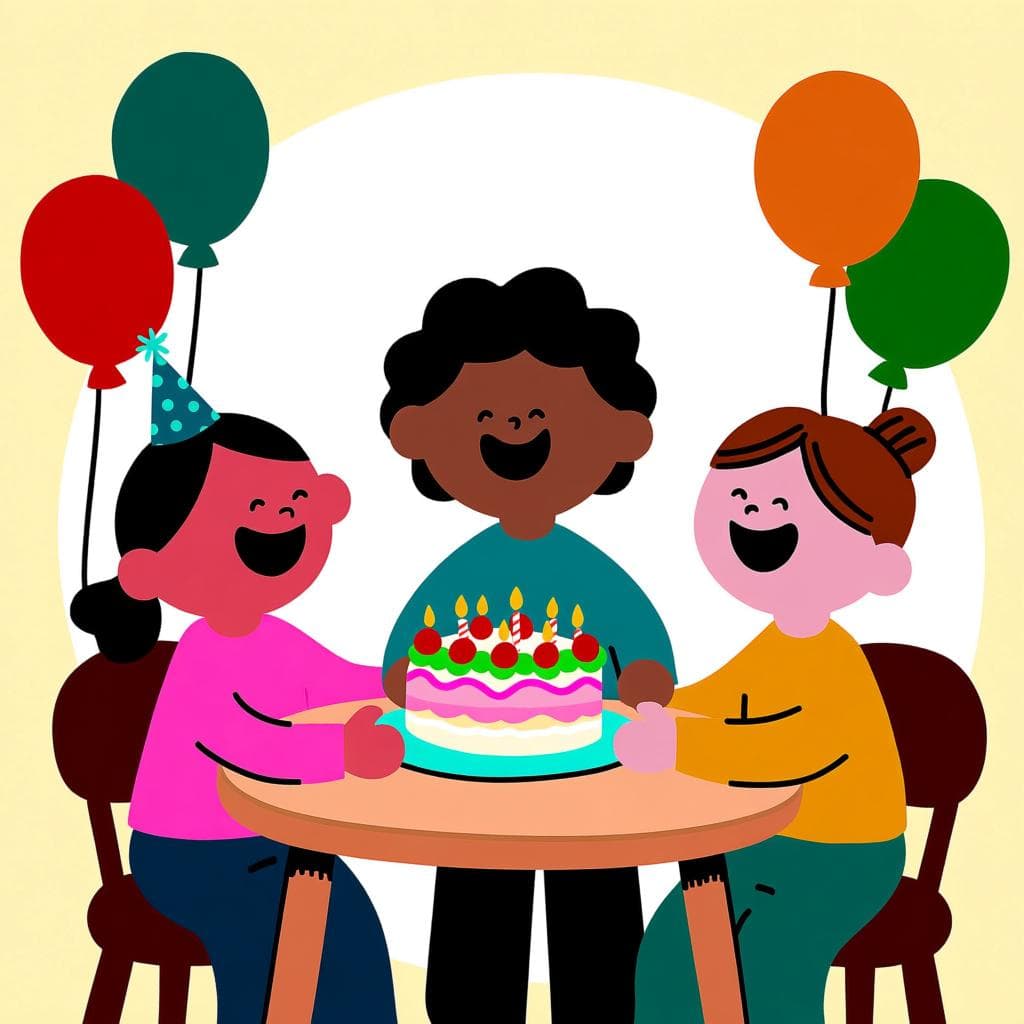
The most common Spanish word for “get-together” is “fiesta” — use 'fiesta' for a lively, celebratory get-together, often involving food, drinks, music, and dancing, similar to a party.
fiesta
fyes-tahˈfjesta
Examples
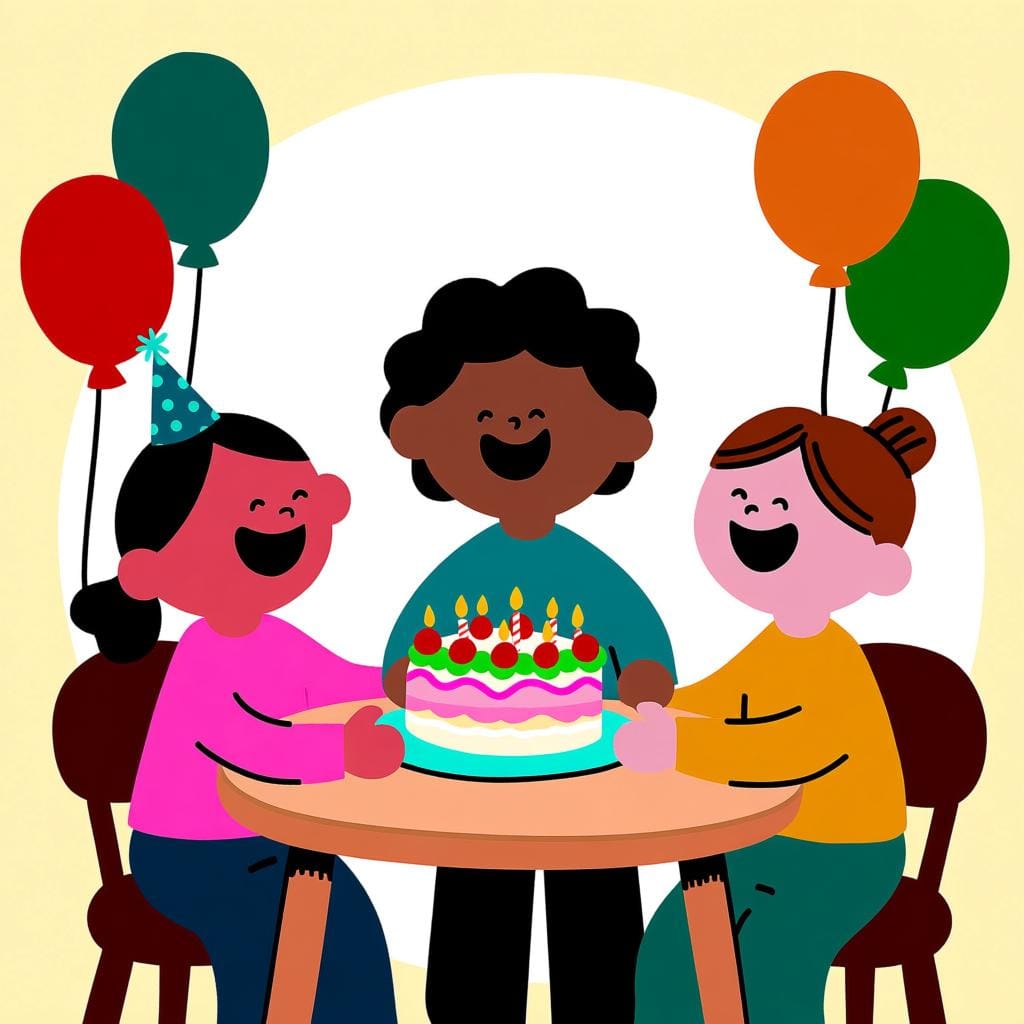
Mi hermano organiza una fiesta para su cumpleaños.
My brother is organizing a party for his birthday.
Fuimos a una fiesta en la playa anoche.
We went to a party on the beach last night.
Gracias por invitarme a la fiesta, ¡me divertí mucho!
Thanks for inviting me to the party, I had a lot of fun!
Feminine Nouns
In Spanish, nouns have a gender. 'Fiesta' ends in '-a', which is a big clue that it's a 'feminine' word. That's why you always say 'la fiesta' (the party) or 'una fiesta' (a party).
Don't Confuse 'Fiesta' with 'Partido'
Mistake: “Te invito a mi partido de cumpleaños.”
Correction: Te invito a mi fiesta de cumpleaños. (I invite you to my birthday party.) 'Partido' means a sports game or match, or a political party. For a celebration, you always want to use 'fiesta'.
reunión
Examples
Este fin de semana tenemos una reunión familiar en casa de mis abuelos.
This weekend we have a family reunion at my grandparents' house.
Fiesta vs. Reunión
Related Translations
Learn Spanish with Inklingo
Interactive stories, personalized learning, and more.