How to Say "end" in Spanish
The most common Spanish word for “end” is “fin” — use 'fin' for the most general sense of an ending, like the conclusion of a book, movie, or a period of time.







fin
feenˈfin

Examples
Este es el fin del libro.
This is the end of the book.
¿Qué haces este fin de semana?
What are you doing this weekend?
Al fin terminamos el proyecto.
At last, we finished the project.
Masculine Gender
'Fin' is a masculine noun, so you always say 'el fin' (the end) or 'un fin' (an end). This is true even in the very common phrase 'el fin de semana'.
'Fin' vs. 'Final'
Mistake: “Me gustó el fin de la película.”
Correction: Me gustó el final de la película. While 'fin' can mean 'end', when talking about the ending of a story, movie, or play, 'el final' is much more common. Think of 'fin' as the point in time something stops, and 'final' as the concluding part itself.
final
fee-NAHLfiˈnal

Examples
El final de la película fue muy triste.
The end of the movie was very sad.
Al final del día, estoy muy cansado.
At the end of the day, I am very tired.
No me gustó el final del libro.
I didn't like the book's ending.
Always Masculine: 'el final'
When 'final' means 'the end' or 'the ending', it's a masculine word. Always use 'el' or 'un' with it: 'el final de la calle' (the end of the street).
Mixing up Genders
Mistake: “Me gustó la final de la serie.”
Correction: Me gustó el final de la serie. The ending of a show or book is 'el final' (masculine).
punta
POON-tahˈpunta
Examples
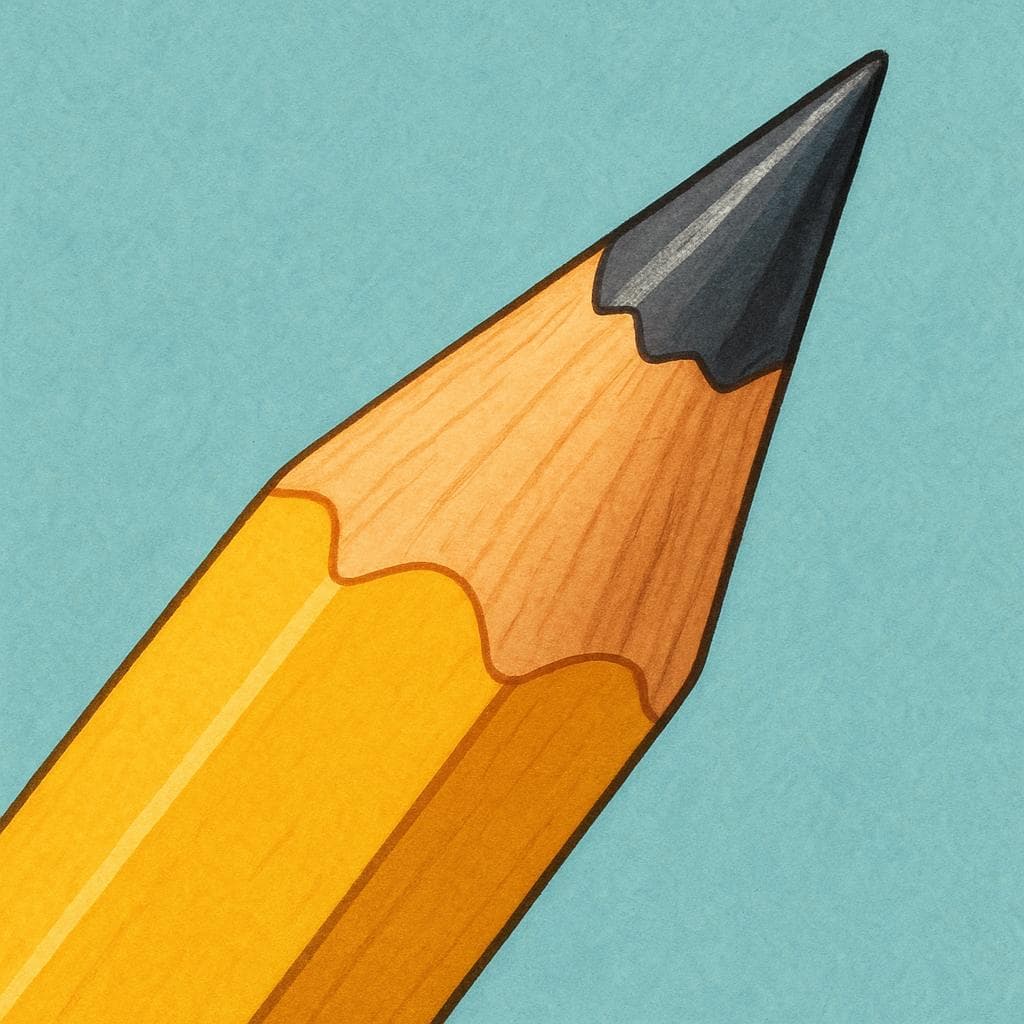
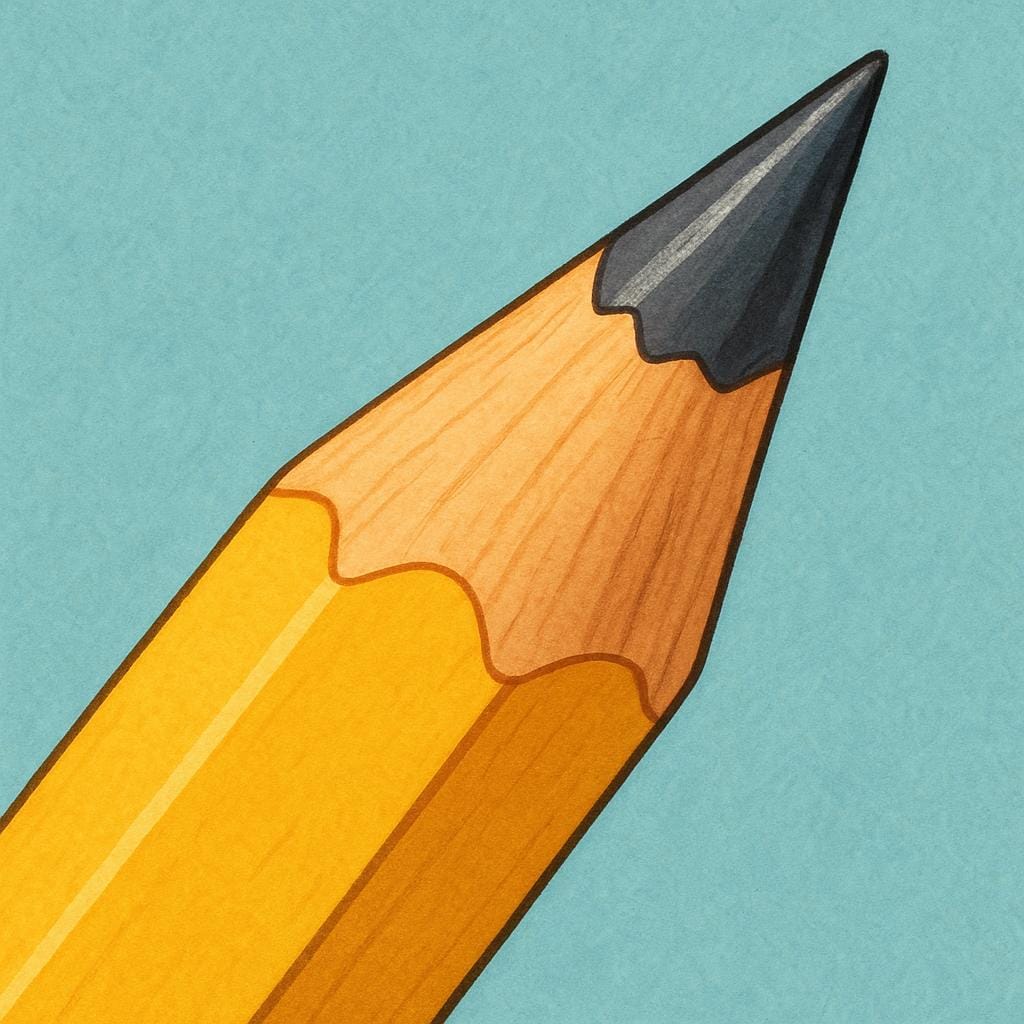
La punta del lápiz está rota.
The tip of the pencil is broken.
Me pinché el dedo con la punta de la aguja.
I pricked my finger with the point of the needle.
La Punta Cana es un destino turístico muy famoso.
Punta Cana is a very famous tourist destination (referring to the cape/headland).
Nos encontramos en la punta de la calle.
We met at the end of the street.
Gender Reminder
Remember that 'punta' is always feminine, so you must use 'la punta' or 'una punta'.
Geographical Use
When referring to a geographical feature like a cape, 'punta' is often part of a proper noun (e.g., Punta del Este).
cabo
KAH-bohˈkaβo
Examples
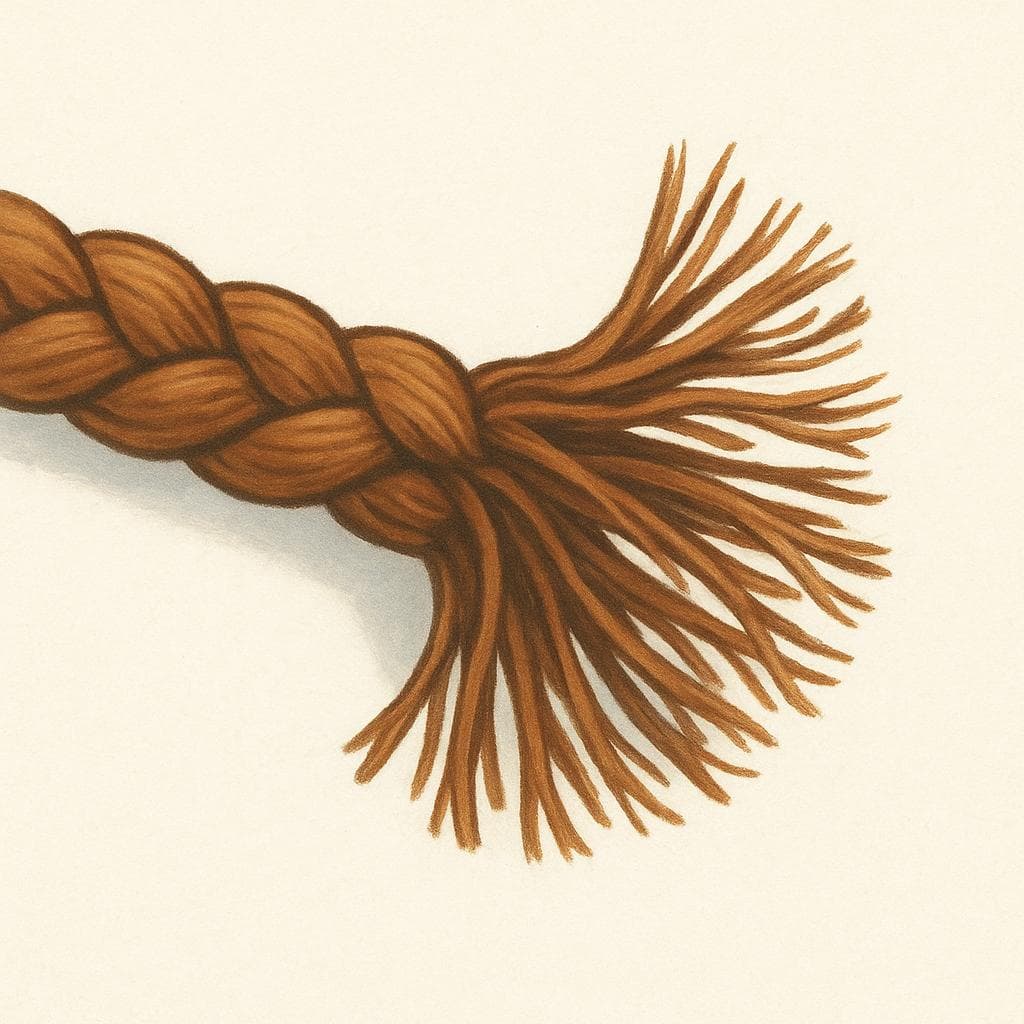
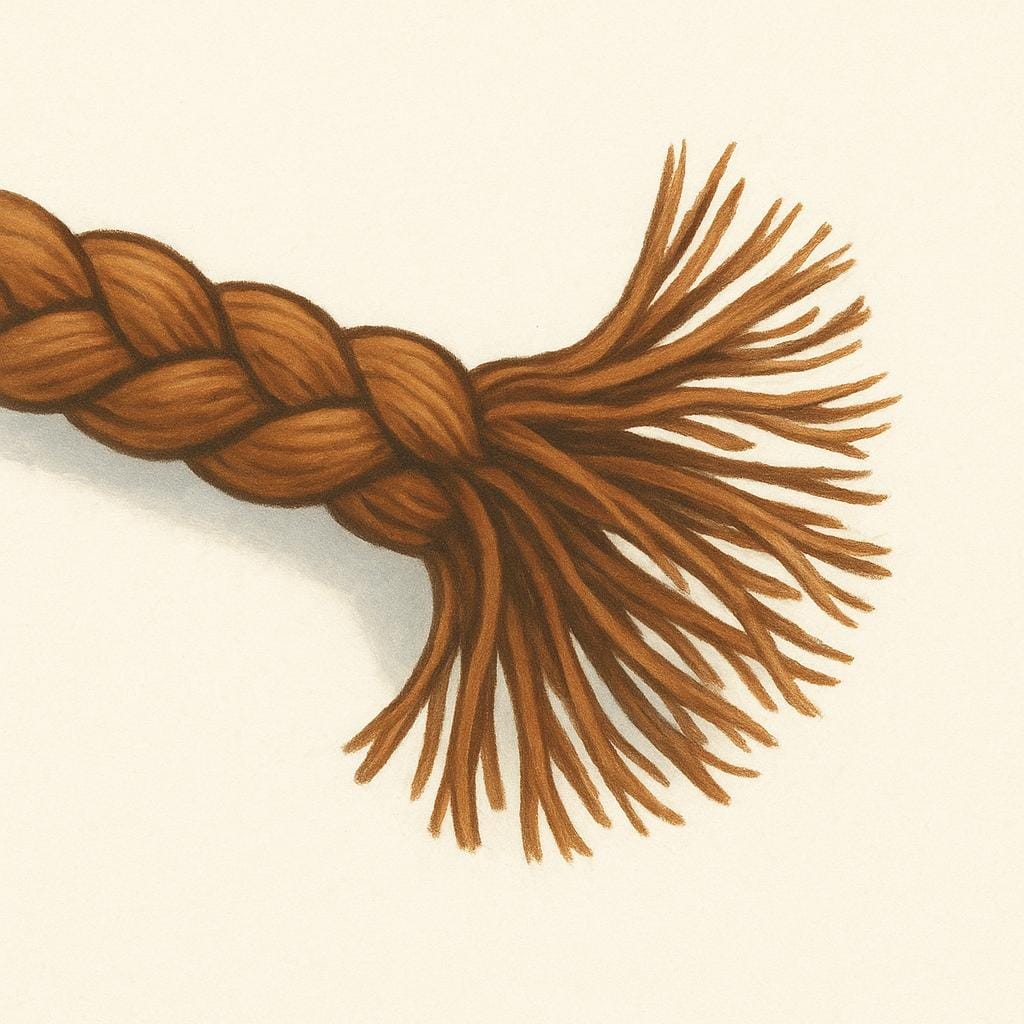
Por fin pudimos atar el cabo de la cuerda.
We were finally able to tie the end of the rope.
El cabo del martillo se rompió.
The handle of the hammer broke.
Al cabo de dos horas, llegaron a la cima.
After two hours, they reached the summit. (Meaning: 'At the end of two hours')
Using 'al cabo de'
Use this phrase followed by a period of time to mean 'after' or 'at the end of that time.' Example: 'Al cabo de un mes...' (After one month...).
Confusing 'cabo' and 'fin'
Mistake: “Using 'el fin' when you mean completing a task, like 'llevó a fin el proyecto.'”
Correction: Use the set phrase 'llevar a cabo' when talking about successfully executing a plan or project: 'Llevó a cabo el proyecto.' (He carried out the project.)
cierre
syair-reh'sjere
Examples
El cierre del museo es a las seis de la tarde.
The closing of the museum is at six in the evening.
Hubo una protesta por el cierre de la fábrica.
There was a protest about the closure of the factory.
El presidente dio el discurso de cierre de la conferencia.
The president gave the closing speech for the conference.
Action Noun
As a noun, 'cierre' describes the action of 'cerrar' (to close). Many Spanish nouns formed this way are masculine, even if they end in '-e'.
destino
des-TEE-nodesˈtino

Examples
Nuestro destino final es la playa.
Our final destination is the beach.
El paquete por fin llegó a su destino.
The package finally arrived at its destination.
El dinero tiene un destino específico: la educación de mis hijos.
The money has a specific purpose: my children's education.
Using 'con destino a'
This phrase is very common in travel announcements. For example, 'El tren con destino a Sevilla sale en cinco minutos' means 'The train bound for Seville leaves in five minutes'.
Destino vs. Dirección
Mistake: “Mi destino es Calle Sol, número 5.”
Correction: Mi dirección es Calle Sol, número 5. Use 'dirección' for a specific street address and 'destino' for the general city, place, or goal you're going to.
fondo
fon-dohˈfondo
Examples
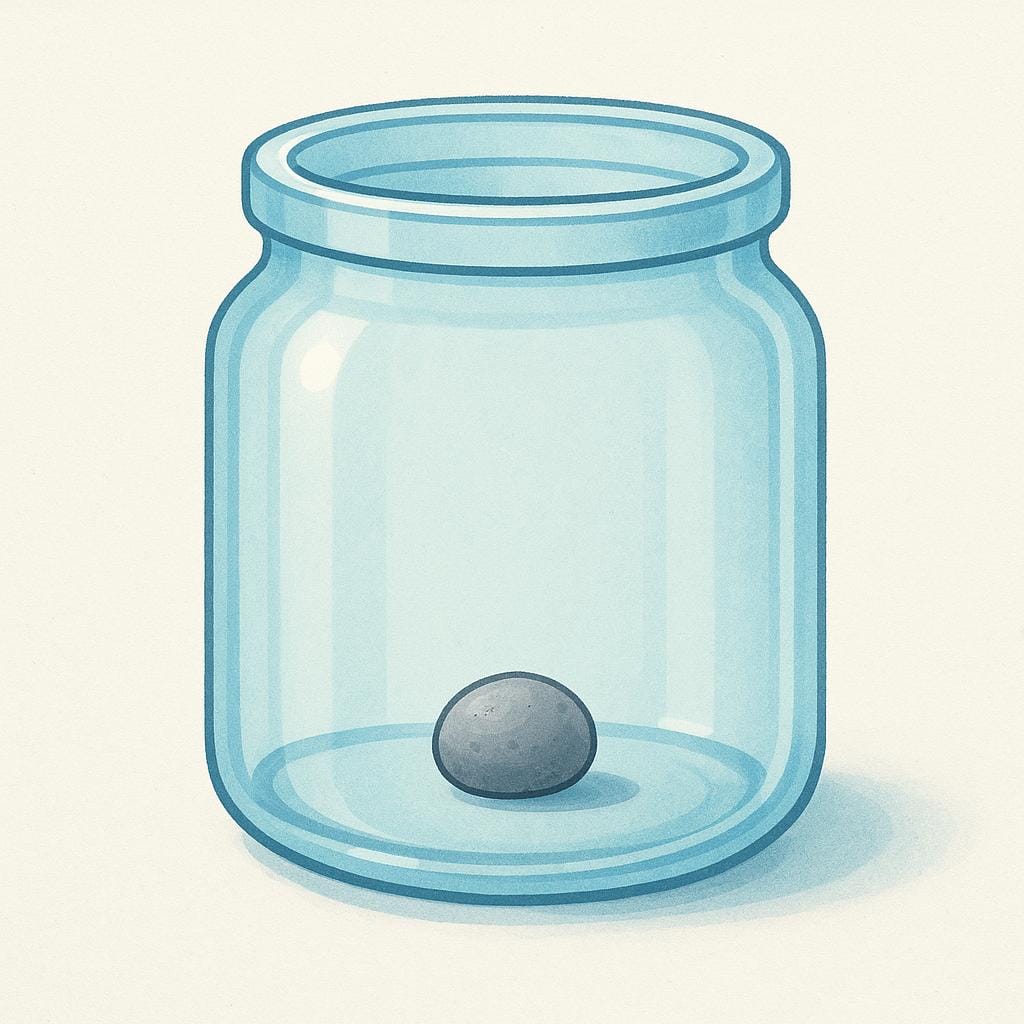
Las llaves están en el fondo de mi mochila.
The keys are at the bottom of my backpack.
El baño está al fondo del pasillo.
The bathroom is at the end of the hall.
Vimos peces de colores en el fondo del mar.
We saw colorful fish on the bottom of the sea.
'Fondo' vs. 'Hondo'
Mistake: “El mar es muy fondo.”
Correction: El mar es muy hondo. 'Fondo' is a noun (a thing: the bottom), while 'hondo' is an adjective (a description: deep).
Examples
El término del plazo para entregar el proyecto es el viernes.
The deadline for handing in the project is Friday.
terminés
tair-MEE-nessteɾˈmines

Examples
Quiero que termines tu cena.
I want you to finish your dinner.
Avísame cuando termines de trabajar.
Let me know when you finish working.
No creo que termines hoy.
I don't think you will finish today.
The 'E' Swap
For verbs ending in -ar, we swap the usual 'a' for an 'e' when expressing wishes, doubts, or future plans. That is why 'terminas' becomes 'termines'.
Future Timing
Use 'termines' after 'cuando' (when) if you are talking about something that hasn't happened yet, like 'Call me when you finish'.
Don't use the 'Fact' form for wishes
Mistake: “Quiero que terminas.”
Correction: Quiero que termines. Because 'wanting' something isn't a guaranteed fact, Spanish uses the special 'e' form for -ar verbs.
extremo
eks-TREH-moheksˈtɾemo

Examples
Llegamos al extremo de la playa.
We arrived at the end of the beach.
Él siempre lleva las cosas al extremo.
He always takes things to the extreme (or limits).
Asegura el extremo libre de la cuerda.
Secure the free end of the rope.
Using 'Extremo' as a Noun
When used as a noun, 'extremo' (masculine) refers to a specific point or boundary, often physical. If referring to a body part, use 'extremidad' (limb/extremity, feminine).
conclusión
Examples
Después de horas de debate, la conclusión fue que debíamos empezar de nuevo.
After hours of debate, the conclusion was that we should start over.
muerte
MWER-tehˈmweɾte
Examples
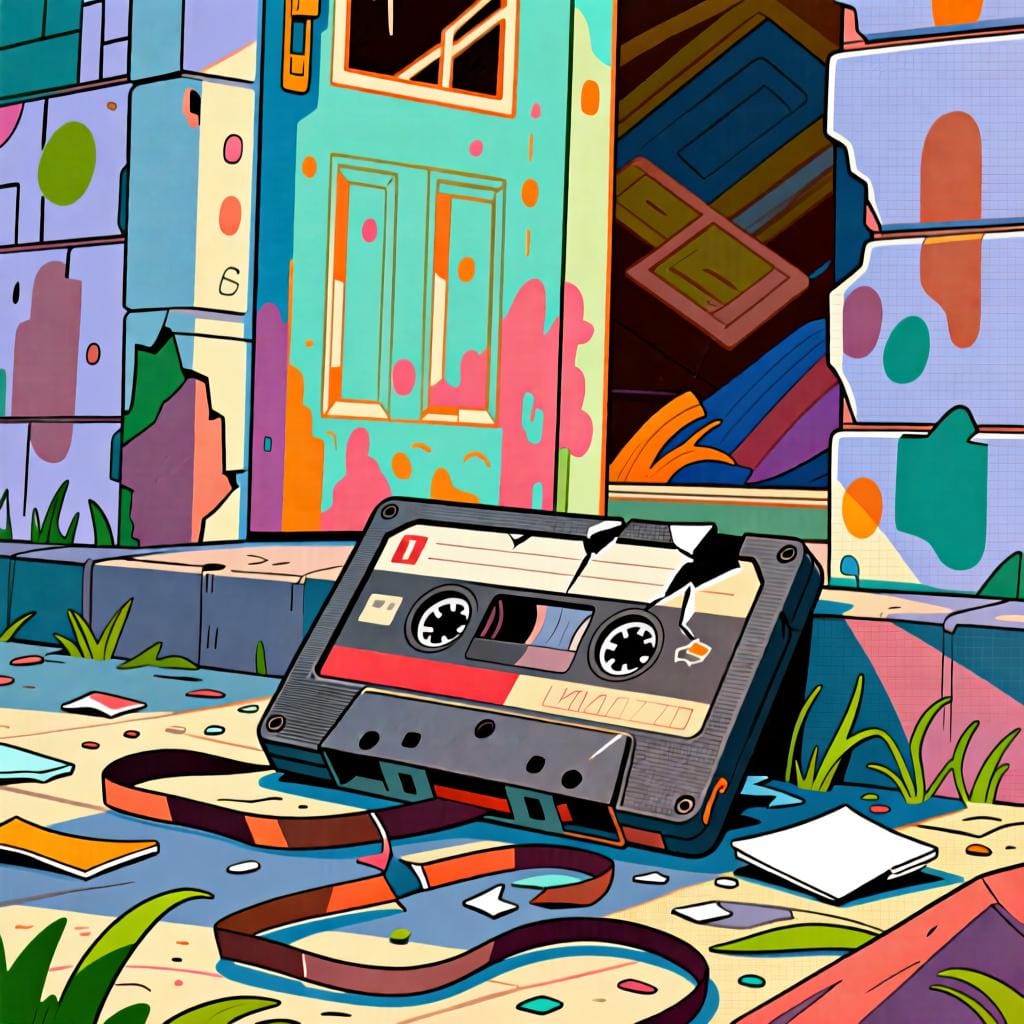
La llegada de internet fue la muerte del videoclub.
The arrival of the internet was the death of the video store.
¡Qué calor! Esto es la muerte.
It's so hot! This is a killer / This is torture.
Trabajar con él es la muerte; es muy exigente.
Working with him is a nightmare; he's very demanding.
extremidad
eks-treh-mee-DAHDekstɾemiˈdad

Examples
Ató la cuerda a la extremidad del poste.
He tied the rope to the end of the post.
Había una pequeña marca en la extremidad del dedo.
There was a small mark on the tip of the finger.
Caminamos hasta la extremidad de la isla.
We walked to the very end of the island.
Abstract vs. Physical
When referring to the 'end' of a movie or a story, use 'final.' Use 'extremidad' only for the physical tip or end of a solid object.
Fin vs. Final vs. Extremo
Learn Spanish with Inklingo
Interactive stories, personalized learning, and more.