How to Say "headland" in Spanish
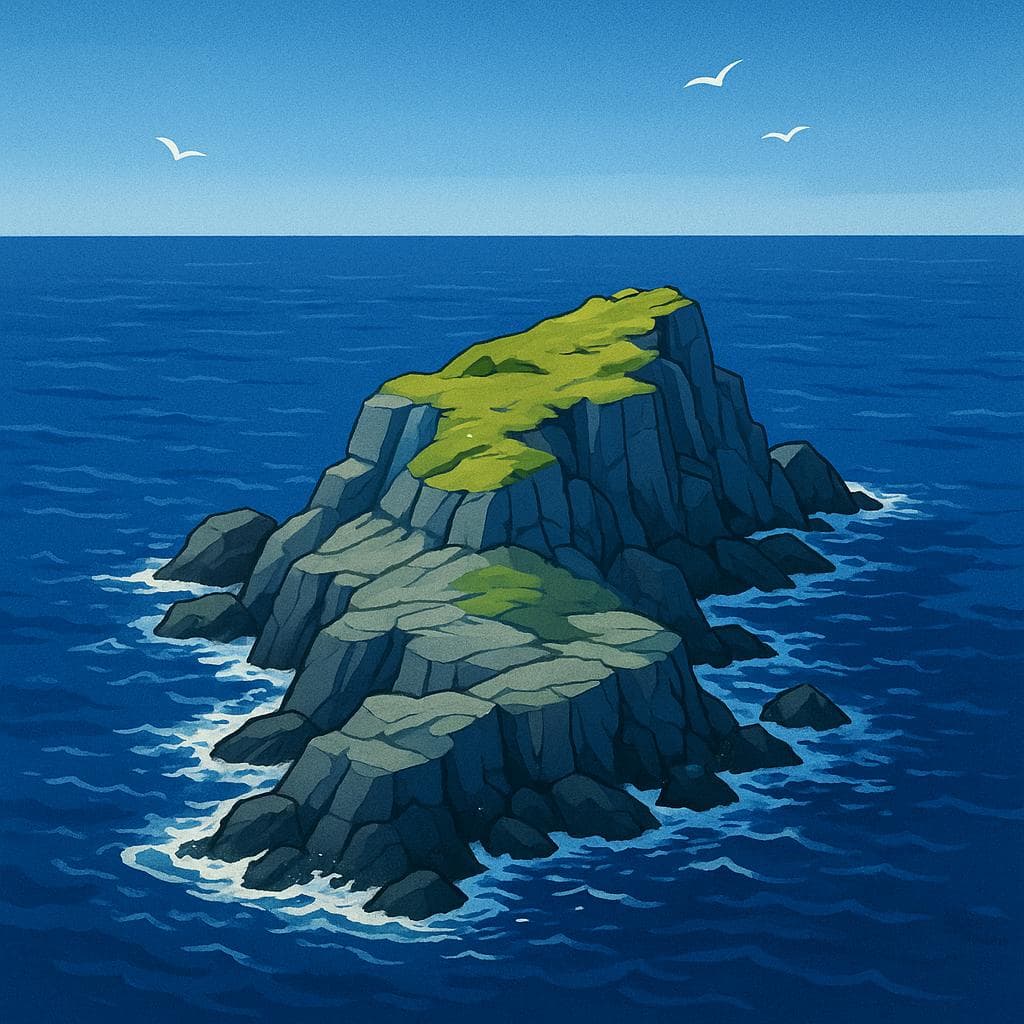
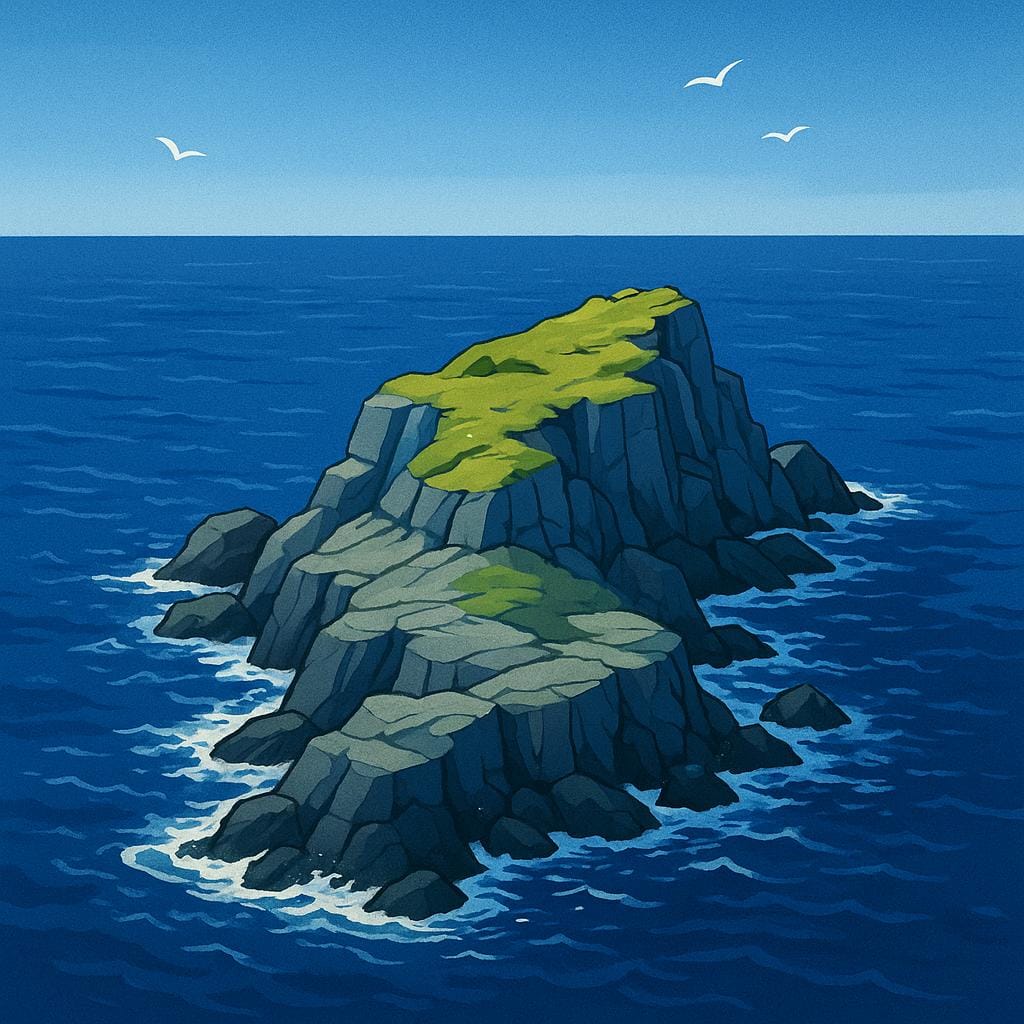
The most common Spanish word for “headland” is “cabo” — use 'cabo' for a large, prominent headland or cape, often a significant geographical landmark known for its size or historical importance.
cabo
KAH-bohˈkaβo
Examples
El cabo se adentra en el mar, ofreciendo vistas espectaculares.
The headland juts out into the sea, offering spectacular views.
El Cabo de Hornos es famoso por sus vientos fuertes.
Cape Horn is famous for its strong winds.
Desde aquí se puede ver el cabo en la distancia.
From here you can see the headland in the distance.
punta
POON-tahˈpunta
Examples
Caminamos hasta la punta para ver el atardecer.
We walked to the headland to watch the sunset.
La Punta Cana es un destino turístico muy famoso.
Punta Cana is a very famous tourist destination (referring to the cape/headland).
Nos encontramos en la punta de la calle.
We met at the end of the street.
Geographical Use
When referring to a geographical feature like a cape, 'punta' is often part of a proper noun (e.g., Punta del Este).
Cabo vs. Punta Size and Shape
Learn Spanish with Inklingo
Interactive stories, personalized learning, and more.