How to Say "height" in Spanish
The most common Spanish word for “height” is “altura” — use this for the physical measurement of something, like a mountain's altitude or an object's physical dimension.







altura
ahl-TOO-rahalˈtu.ɾa
Examples
La altura de la montaña es de 5000 metros.
The mountain's height (or altitude) is 5,000 meters.
¿Cuál es tu altura? Eres muy alto.
What is your height? You are very tall.
El avión volaba a gran altura.
The plane was flying at great altitude.
Always Feminine
Since 'altura' ends in '-a' and uses 'la', remember it is always treated as a feminine word.
Mixing Altitude and Depth
Mistake: “Usar 'altura' para hablar de cuán profundo es un agujero.”
Correction: Use 'profundidad' (depth) for things going down, and 'altura' for things going up.
estatura
eh-stah-TOO-rahestaˈtuɾa
Examples
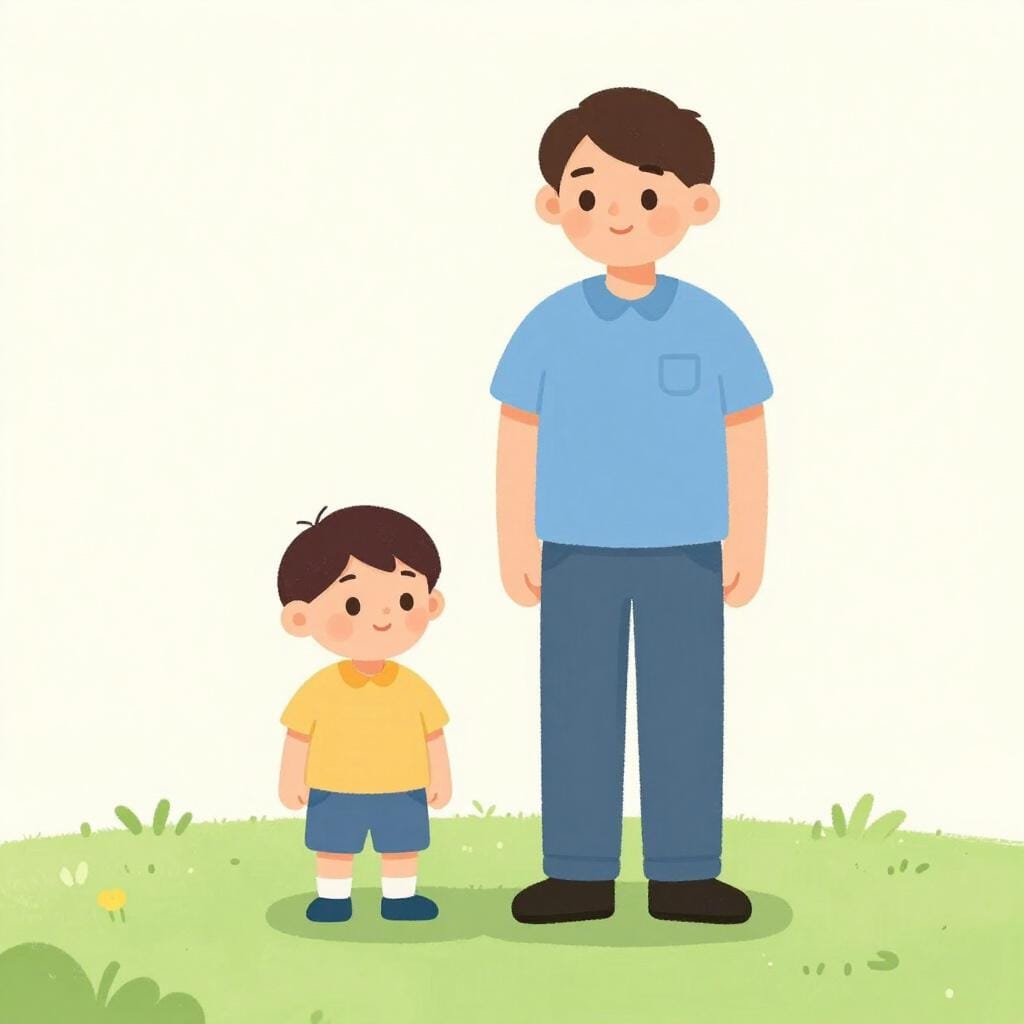
Mi hermano tiene una estatura media.
My brother is of average height.
¿Cuál es tu estatura en centímetros?
What is your height in centimeters?
Es un deportista de gran estatura moral.
He is an athlete of great moral stature.
Always Feminine
Even if you are describing a man, the word 'estatura' is always feminine. You must use 'la' and feminine adjectives like 'baja' or 'alta'.
Describing Height
To talk about someone's height, use the verb 'tener' (to have). For example: 'Él tiene una estatura baja' (He is short).
Confusing 'estatura' with 'alto'
Mistake: “Su alto es un metro ochenta.”
Correction: Su estatura es de un metro ochenta.
elevación
Examples
La ciudad se encuentra a una elevación de mil metros sobre el nivel del mar.
The city is at an elevation of one thousand meters above sea level.
talla
TAH-yahˈtaʎa
Examples
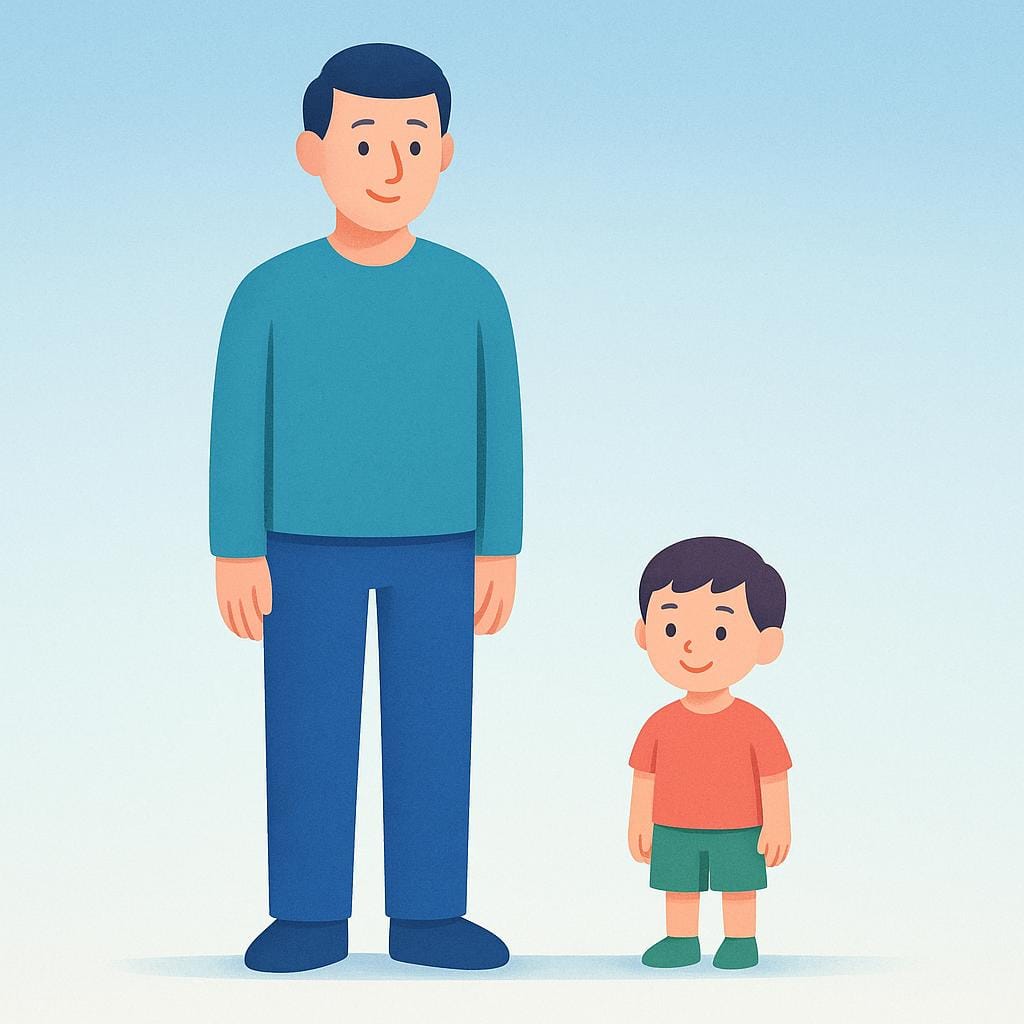
Es un jugador de alta talla, mide casi dos metros.
He is a tall player; he measures almost two meters.
Mi hermana es de talla mediana, ni muy alta ni muy baja.
My sister is of medium height, neither very tall nor very short.
Using 'Ser de'
To describe a person's general height or stature, you usually use the structure 'ser de + talla' (e.g., 'Ella es de talla pequeña').
alto
al-tohˈalto
Examples
Hicimos un alto en el camino para comer.
We made a stop on the way to eat.
La policía le dio el alto al coche.
The police ordered the car to halt.
En la carretera, hay una señal de alto.
On the road, there is a stop sign.
auge
OW-hehˈawxe

Examples
El auge del turismo ha ayudado a la economía local.
The tourism boom has helped the local economy.
La red social está en pleno auge ahora mismo.
The social network is at its peak right now.
El imperio alcanzó su máximo auge en el siglo segundo.
The empire reached its highest peak in the second century.
It's always masculine
Even though it ends in 'e', 'auge' is a masculine noun. Always use 'el' or 'un' with it.
Using 'en auge'
This is a very common phrase used to describe things that are currently fashionable or growing fast, similar to saying something is 'booming' in English.
Confusing 'auge' with 'alto'
Mistake: “Esa montaña es muy auge.”
Correction: Esa montaña es muy alta. 'Auge' describes success or growth over time, not physical height.
punta
POON-tahˈpunta

Examples
El tráfico es terrible en hora punta.
Traffic is terrible during rush hour.
Los precios están en punta durante el verano.
Prices are at their peak during the summer.
The 'Rush Hour' Phrase
When talking about rush hour, Spanish uses the phrase 'hora punta' (literally 'point hour'), which is the most common use of this meaning.
alteza
ahl-TAY-sahalˈte.sa

Examples
La alteza del campanario dominaba el horizonte del pueblo.
The height of the bell tower dominated the town's horizon.
Se reconocía la alteza de su espíritu y de sus principios éticos.
The loftiness of his spirit and his ethical principles was recognized.
Interchangeability
In most cases where you mean physical height, you should use the much more common word 'altura' instead of 'alteza'.
cima
SEE-mahˈθi.ma

Examples
Ganar el premio fue la cima de su carrera como escritor.
Winning the award was the pinnacle of his career as a writer.
En ese momento, la empresa estaba en la cima de su poder.
At that moment, the company was at the height of its power.
Figurative Prepositions
When used figuratively, 'cima' almost always needs the preposition 'de' (of) to connect it to the thing being peaked (e.g., 'la cima de la fama' — the height of fame).
cumbre
KOOM-brehˈkumbɾe

Examples
Esta sinfonía es la cumbre de su genio musical.
This symphony is the pinnacle of his musical genius.
Llegó a la cumbre de su carrera a los cuarenta años.
She reached the height of her career at age forty.
El Renacimiento fue una de las cumbres de la cultura europea.
The Renaissance was one of the pinnacles of European culture.
eminencia
eh-mee-NEN-syahemiˈnensja

Examples
Desde la eminencia del cerro se podía ver todo el valle.
From the height of the hill, one could see the whole valley.
Physical Height vs. Peak Achievement
Learn Spanish with Inklingo
Interactive stories, personalized learning, and more.