How to Say "stature" in Spanish
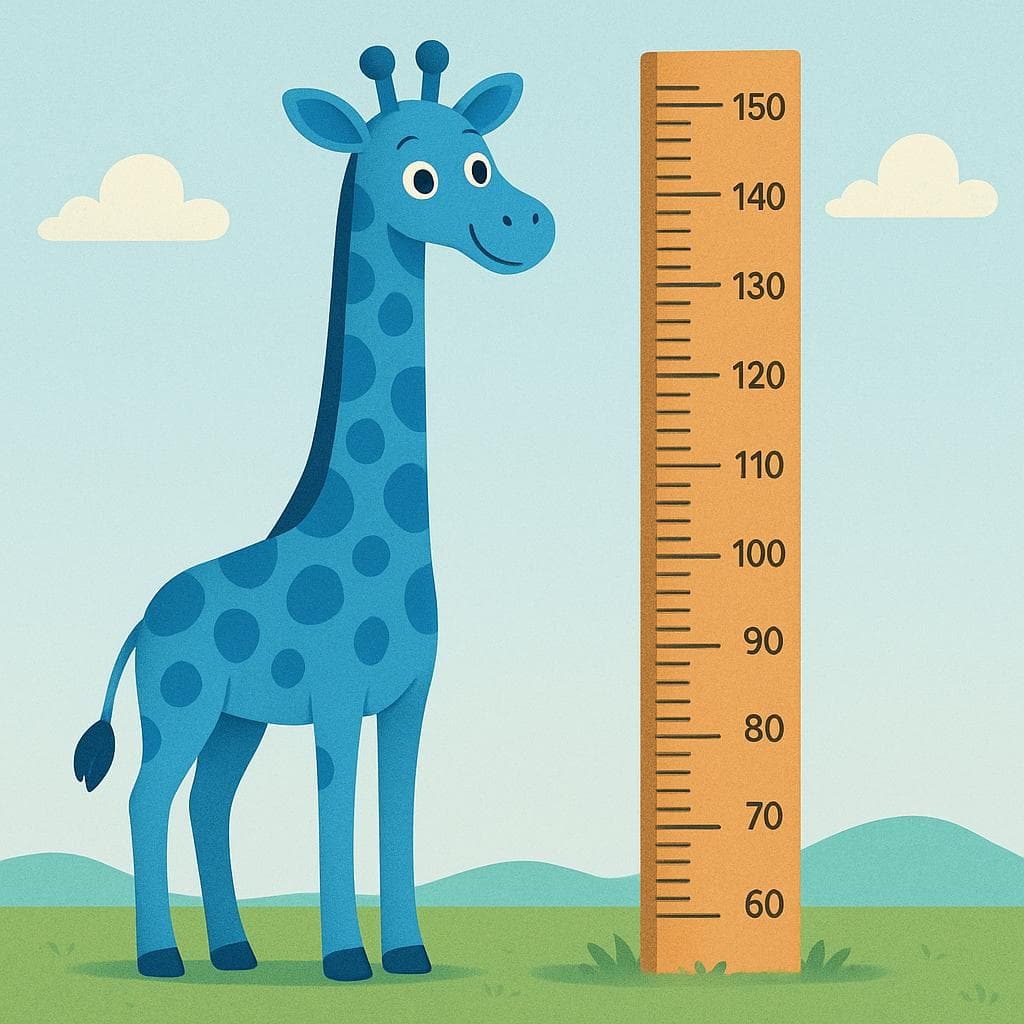
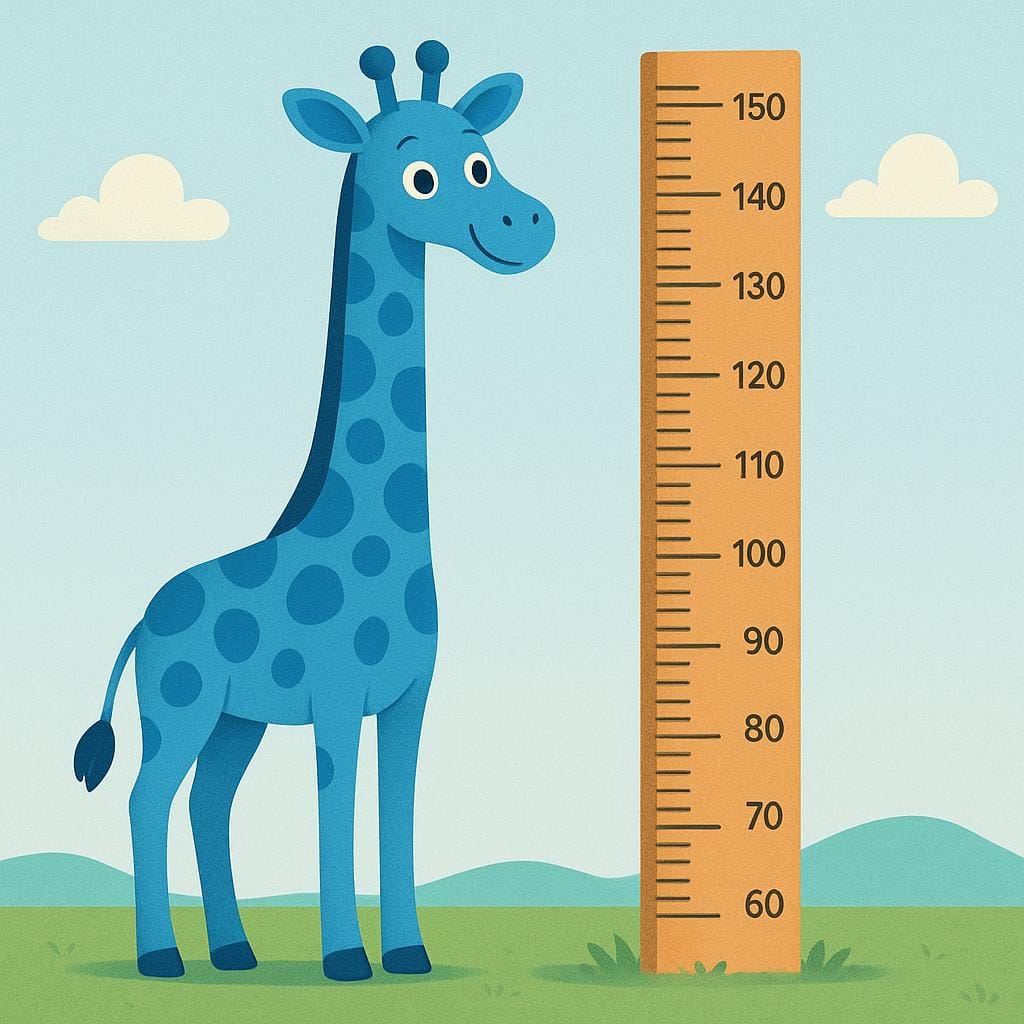
The most common Spanish word for “stature” is “altura” — use 'altura' when referring to the physical height or altitude of objects, places, or, less commonly, people.


altura
ahl-TOO-rahalˈtu.ɾa
Examples
La altura de la montaña es de 5000 metros.
The mountain's height (or altitude) is 5,000 meters.
¿Cuál es tu altura? Eres muy alto.
What is your height? You are very tall.
El avión volaba a gran altura.
The plane was flying at great altitude.
Esperamos que estés a la altura del desafío.
We hope you are up to the standard of the challenge (or, up to the task).
Always Feminine
Since 'altura' ends in '-a' and uses 'la', remember it is always treated as a feminine word.
Idiomatic Use
When talking about quality, 'altura' is almost always paired with the verb 'estar' (to be) in the phrase 'estar a la altura de' (to be up to the standard of).
Mixing Altitude and Depth
Mistake: “Usar 'altura' para hablar de cuán profundo es un agujero.”
Correction: Use 'profundidad' (depth) for things going down, and 'altura' for things going up.
estatura
eh-stah-TOO-rahestaˈtuɾa
Examples
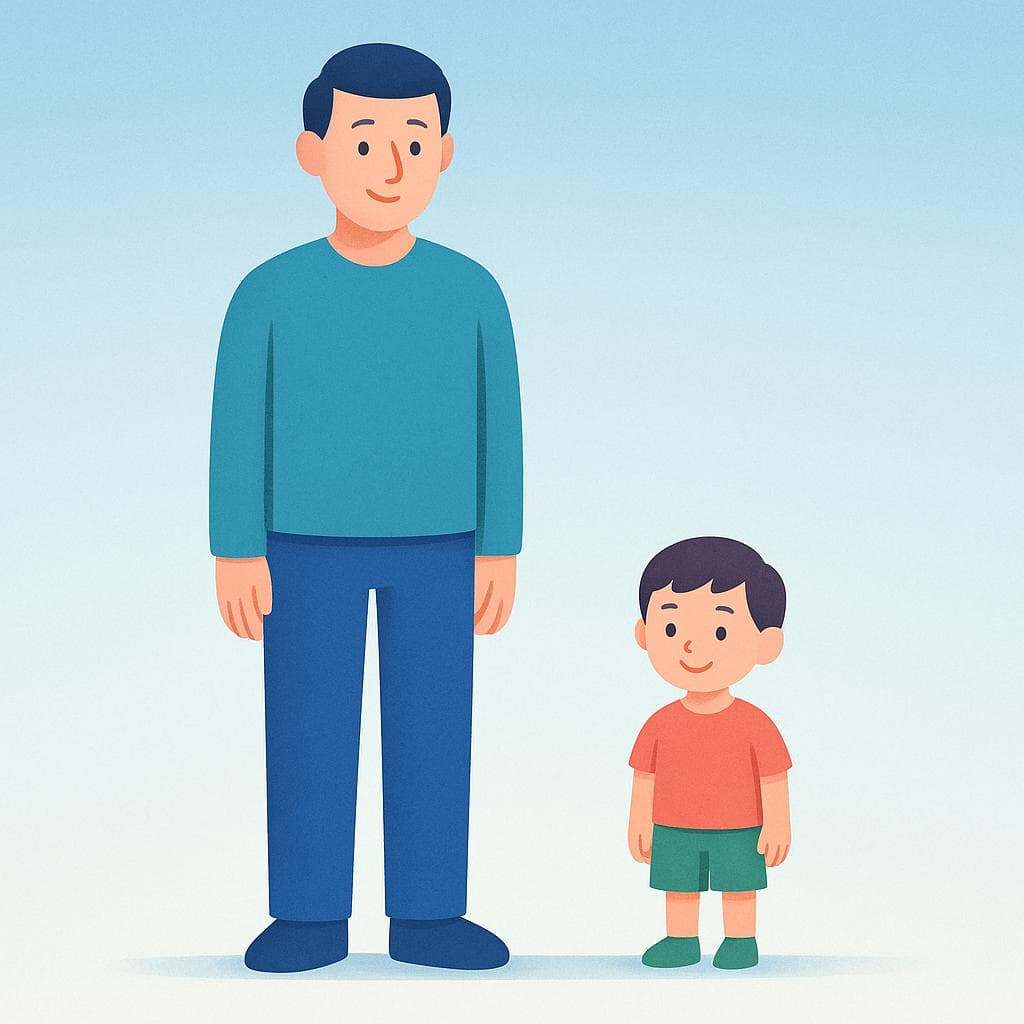
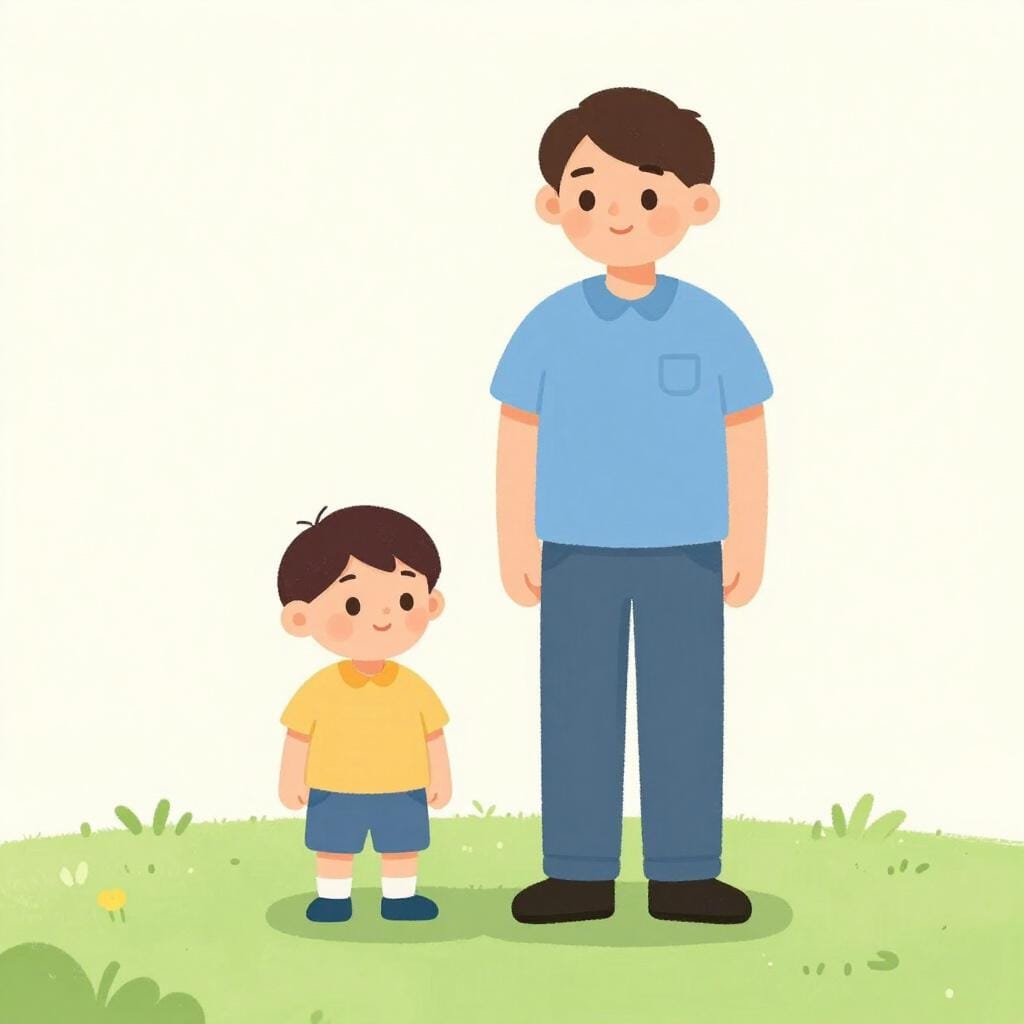
Mi hermano tiene una estatura media.
My brother is of average height.
¿Cuál es tu estatura en centímetros?
What is your height in centimeters?
Es un deportista de gran estatura moral.
He is an athlete of great moral stature.
Always Feminine
Even if you are describing a man, the word 'estatura' is always feminine. You must use 'la' and feminine adjectives like 'baja' or 'alta'.
Describing Height
To talk about someone's height, use the verb 'tener' (to have). For example: 'Él tiene una estatura baja' (He is short).
Confusing 'estatura' with 'alto'
Mistake: “Su alto es un metro ochenta.”
Correction: Su estatura es de un metro ochenta.
talla
TAH-yahˈtaʎa
Examples
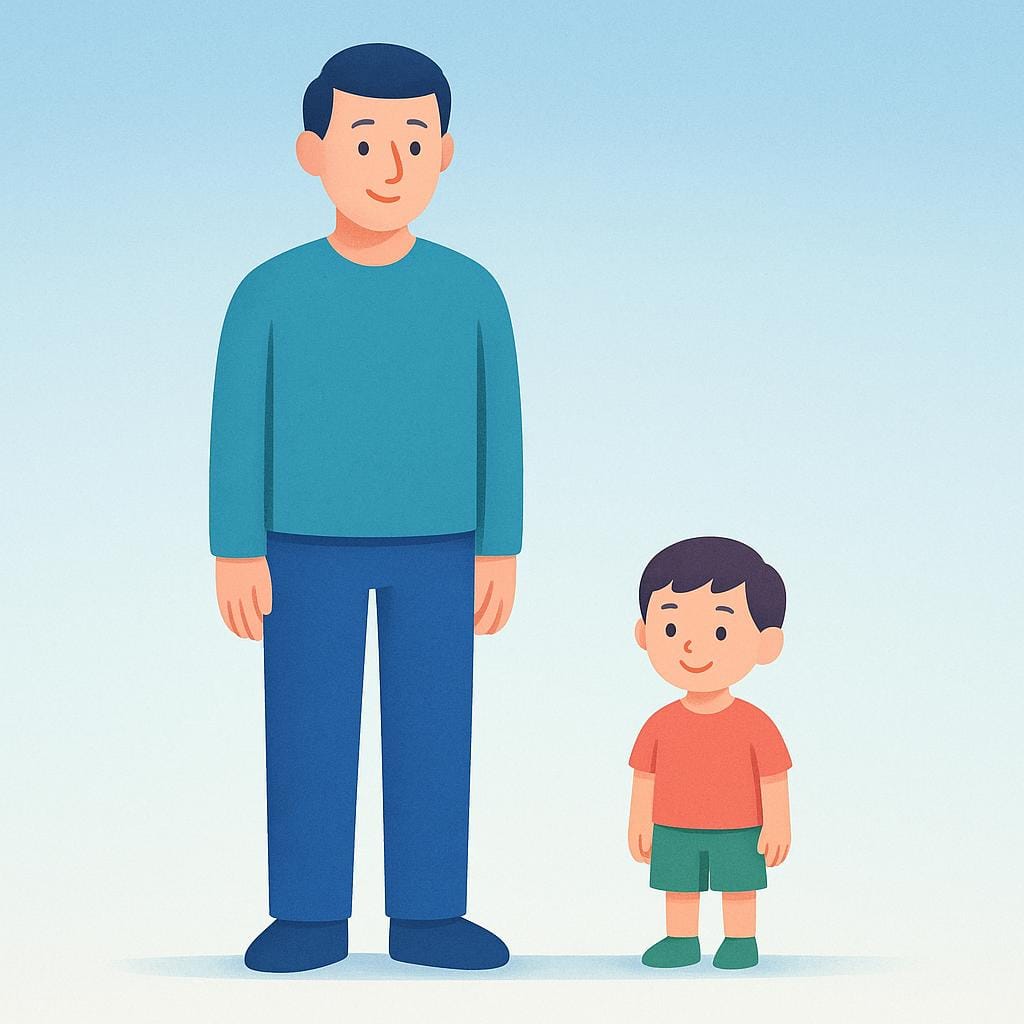
Es un jugador de alta talla, mide casi dos metros.
He is a tall player; he measures almost two meters.
Mi hermana es de talla mediana, ni muy alta ni muy baja.
My sister is of medium height, neither very tall nor very short.
Es un artista de talla internacional, conocido en todo el mundo.
He is an artist of international caliber, known worldwide.
El equipo necesita un delantero de la talla de Messi.
The team needs a forward of the stature (or quality) of Messi.
Using 'Ser de'
To describe a person's general height or stature, you usually use the structure 'ser de + talla' (e.g., 'Ella es de talla pequeña').
Figurative Use
This is a figurative extension of the meaning 'height' or 'size.' If someone is of 'gran talla,' it means they are highly important or skilled, as if they are 'tall' in the field.
altura
ahl-TOO-rahalˈtu.ɾa
Examples
Esperamos que estés a la altura del desafío.
We hope you are up to the standard of the challenge (or, up to the task).
La altura de la montaña es de 5000 metros.
The mountain's height (or altitude) is 5,000 meters.
¿Cuál es tu altura? Eres muy alto.
What is your height? You are very tall.
El avión volaba a gran altura.
The plane was flying at great altitude.
Always Feminine
Since 'altura' ends in '-a' and uses 'la', remember it is always treated as a feminine word.
Idiomatic Use
When talking about quality, 'altura' is almost always paired with the verb 'estar' (to be) in the phrase 'estar a la altura de' (to be up to the standard of).
Mixing Altitude and Depth
Mistake: “Usar 'altura' para hablar de cuán profundo es un agujero.”
Correction: Use 'profundidad' (depth) for things going down, and 'altura' for things going up.
calibre
kah-LEE-braykaˈli.βɾe

Examples
Necesitamos contratar a un profesional de alto calibre para liderar el equipo.
We need to hire a professional of high caliber (high quality) to lead the team.
La crisis fue de un calibre que nadie había anticipado.
The crisis was of a magnitude that no one had anticipated.
Figurative Use
When used figuratively, 'calibre' usually follows 'de' (of) to describe the quality or level of a person or situation.
Confusing Quality and Size
Mistake: “Usar 'calibre grande' para decir 'great quality'.”
Correction: Use 'alto calibre' or 'gran calibre' when talking about quality, not 'calibre grande' (which sounds like physical size).
talla
TAH-yahˈtaʎa
Examples
Es un artista de talla internacional, conocido en todo el mundo.
He is an artist of international caliber, known worldwide.
Es un jugador de alta talla, mide casi dos metros.
He is a tall player; he measures almost two meters.
Mi hermana es de talla mediana, ni muy alta ni muy baja.
My sister is of medium height, neither very tall nor very short.
El equipo necesita un delantero de la talla de Messi.
The team needs a forward of the stature (or quality) of Messi.
Using 'Ser de'
To describe a person's general height or stature, you usually use the structure 'ser de + talla' (e.g., 'Ella es de talla pequeña').
Figurative Use
This is a figurative extension of the meaning 'height' or 'size.' If someone is of 'gran talla,' it means they are highly important or skilled, as if they are 'tall' in the field.
Physical Height vs. Figurative Importance
Learn Spanish with Inklingo
Interactive stories, personalized learning, and more.