How to Say "altitude" in Spanish
The most common Spanish word for “altitude” is “altitud” — use 'altitud' when referring specifically to the distance above sea level, often in a geographical or scientific context.

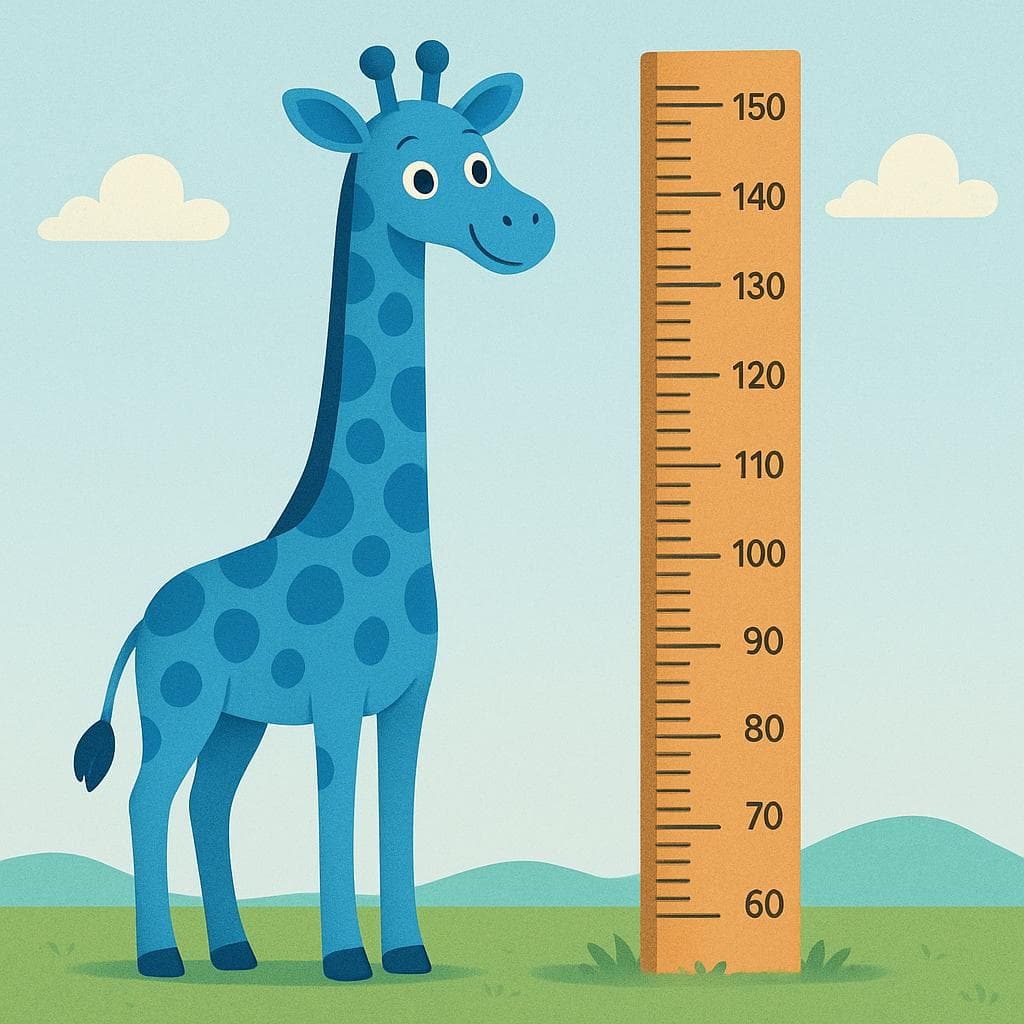
altitud
al-tee-toodaltiˈtuð

Examples
La altitud de la ciudad de México es muy alta.
The altitude of Mexico City is very high.
Muchos escaladores sufren por la altitud en el Everest.
Many climbers suffer because of the altitude on Everest.
El piloto anunció que volaríamos a una altitud constante.
The pilot announced that we would fly at a constant altitude.
The '-tud' Ending
Spanish words that end in '-tud' are almost always feminine. This means you should always use 'la' (la altitud) or 'una' (una altitud).
Altitud vs. Altura
Use 'altitud' when talking about height above sea level. Use 'altura' when talking about how tall a person is or how high a ceiling is.
Confusing height with altitude
Mistake: “Mi hermano tiene una gran altitud.”
Correction: Mi hermano es muy alto (or has a 'gran altura'). Use 'altitud' for mountains and planes, not people.
altura
ahl-TOO-rahalˈtu.ɾa
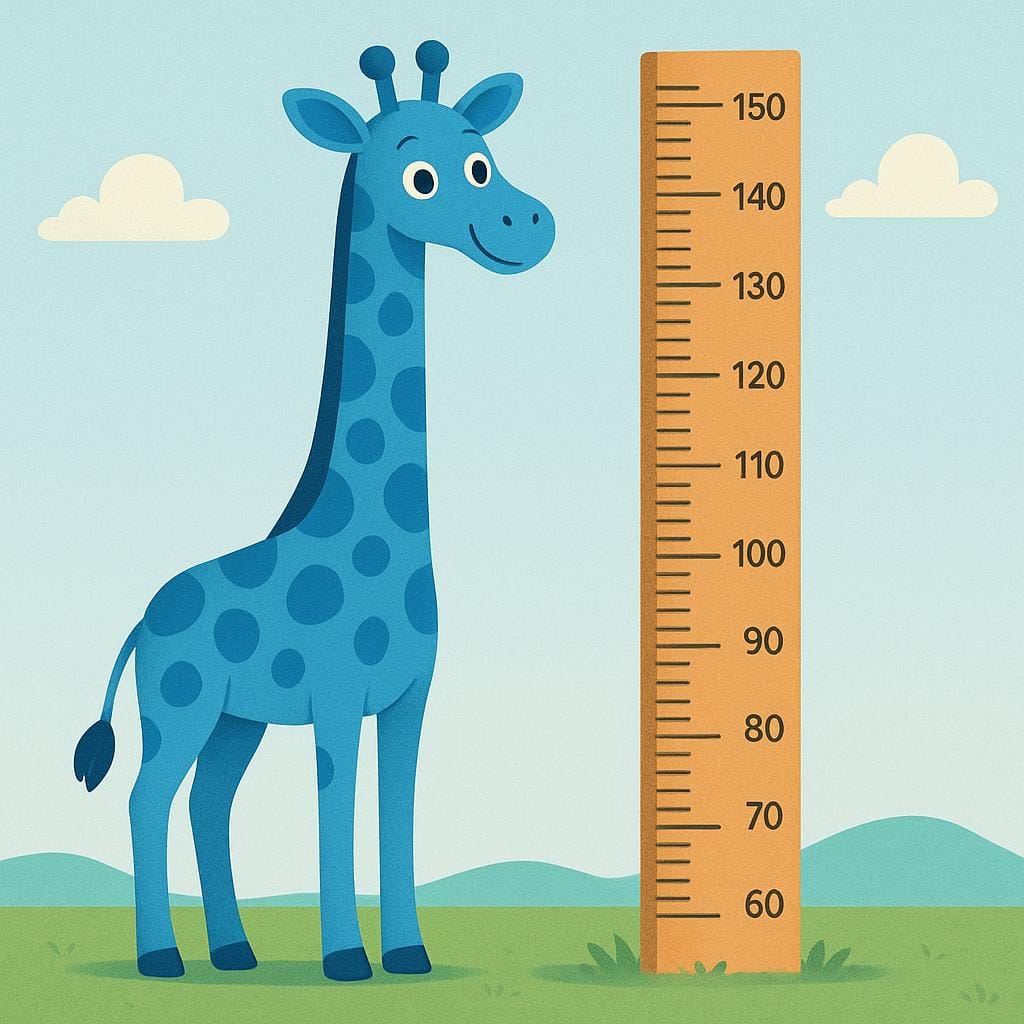
Examples
La altura de la montaña es de 5000 metros.
The mountain's height (or altitude) is 5,000 meters.
¿Cuál es tu altura? Eres muy alto.
What is your height? You are very tall.
El avión volaba a gran altura.
The plane was flying at great altitude.
Always Feminine
Since 'altura' ends in '-a' and uses 'la', remember it is always treated as a feminine word.
Mixing Altitude and Depth
Mistake: “Usar 'altura' para hablar de cuán profundo es un agujero.”
Correction: Use 'profundidad' (depth) for things going down, and 'altura' for things going up.
Choosing between 'altitud' and 'altura'
Learn Spanish with Inklingo
Interactive stories, personalized learning, and more.