How to Say "level" in Spanish
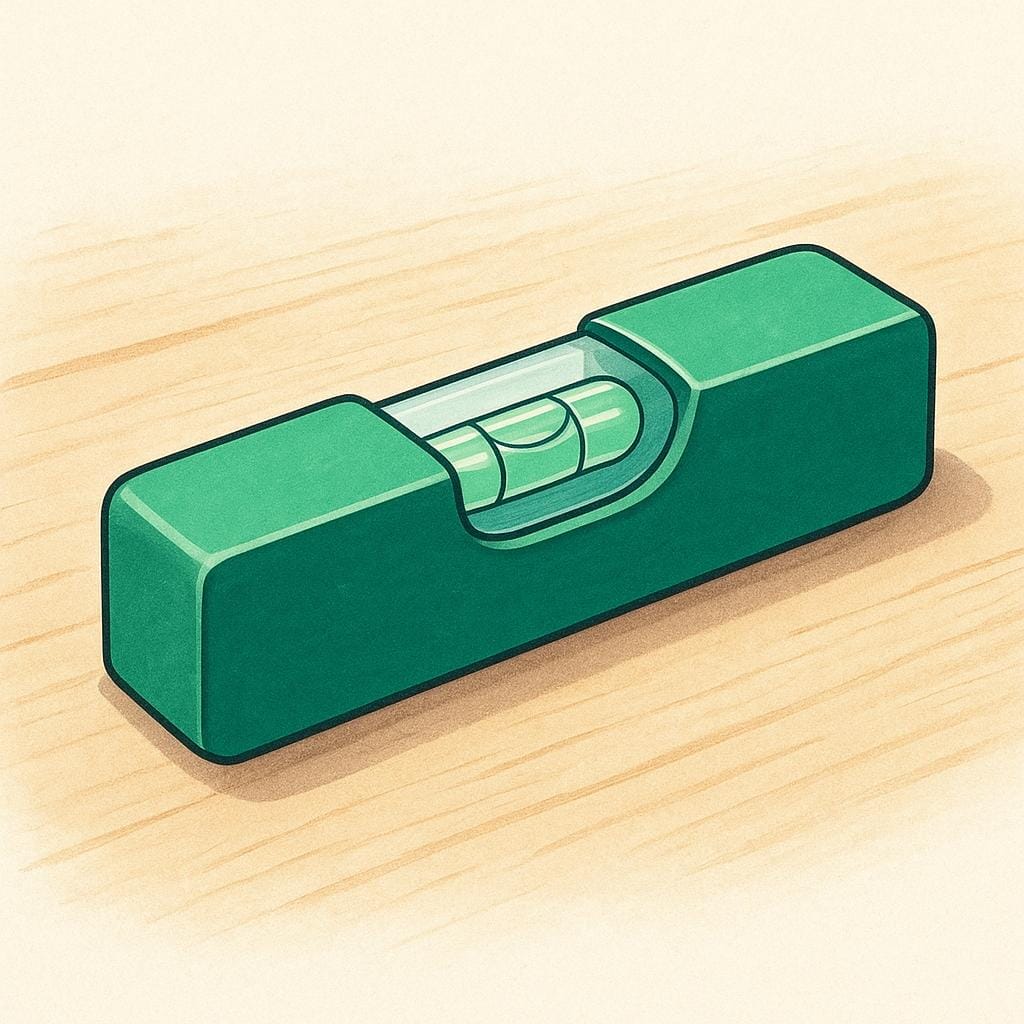
The most common Spanish word for “level” is “nivel” — use 'nivel' when referring to a general height, position, or standard, like the water level or a skill level.
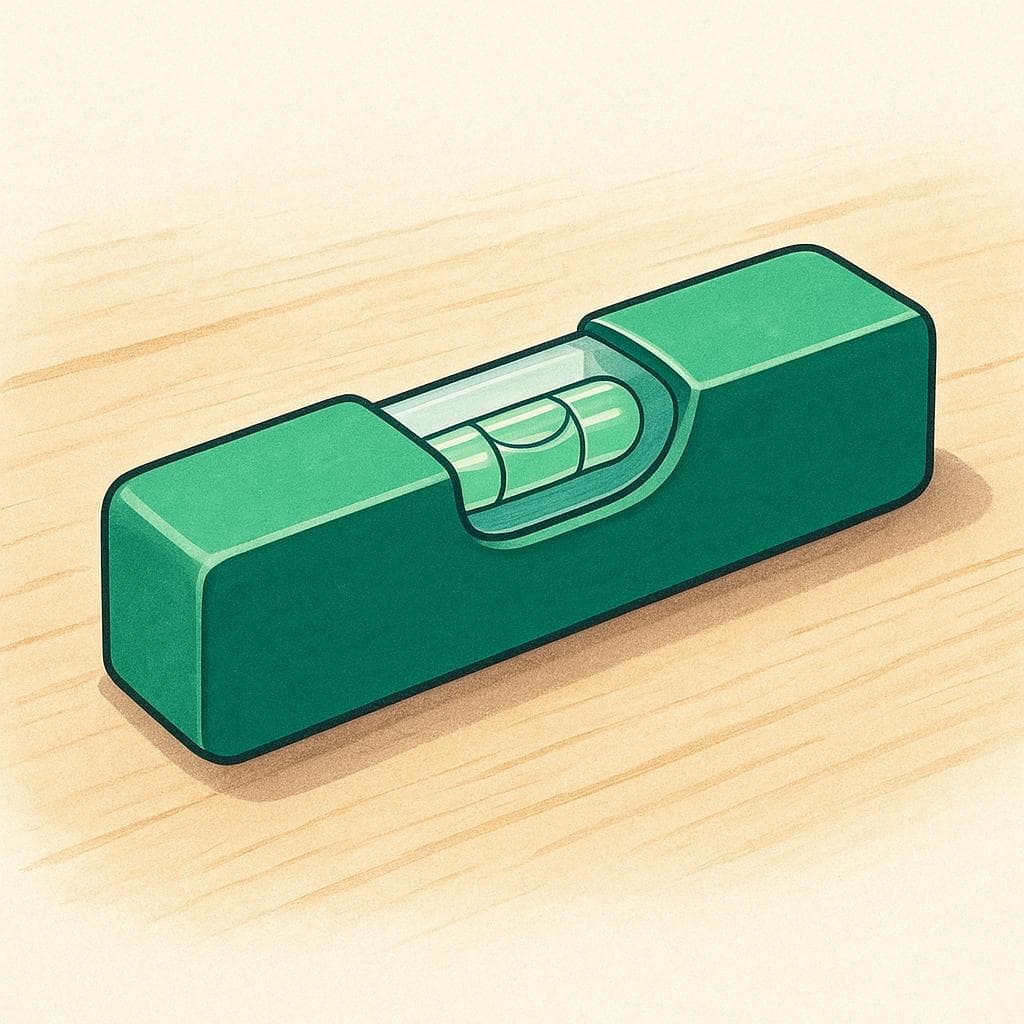









nivel
nee-VELniˈβel
Examples
El nivel del agua está subiendo muy rápido.
The water level is rising very fast.
Para este trabajo, necesitas un nivel de inglés muy alto.
For this job, you need a very high level of English.
¡Por fin pasé al siguiente nivel del videojuego!
I finally passed to the next level of the video game!
Always Masculine: 'el nivel'
Even though it ends in '-l', 'nivel' is a masculine word. Always say 'el nivel' (the level) or 'un nivel' (a level).
Floors in a Building: 'Nivel' vs. 'Piso'
Mistake: “Vivo en el tercer nivel.”
Correction: Vivo en el tercer piso. 'Piso' is the standard word for the floor or story of a building where people live or work. 'Nivel' is more for parking garages or general layers.
altura
ahl-TOO-rahalˈtu.ɾa

Examples
A esta altura del partido, ya no podemos ganar.
At this point/stage of the game, we can no longer win.
El coche se detuvo a la altura del semáforo.
The car stopped level with (or opposite) the traffic light.
Positional Use
When you use 'a la altura de' (at the height of), it describes something being directly across from or on the same plane as another object.
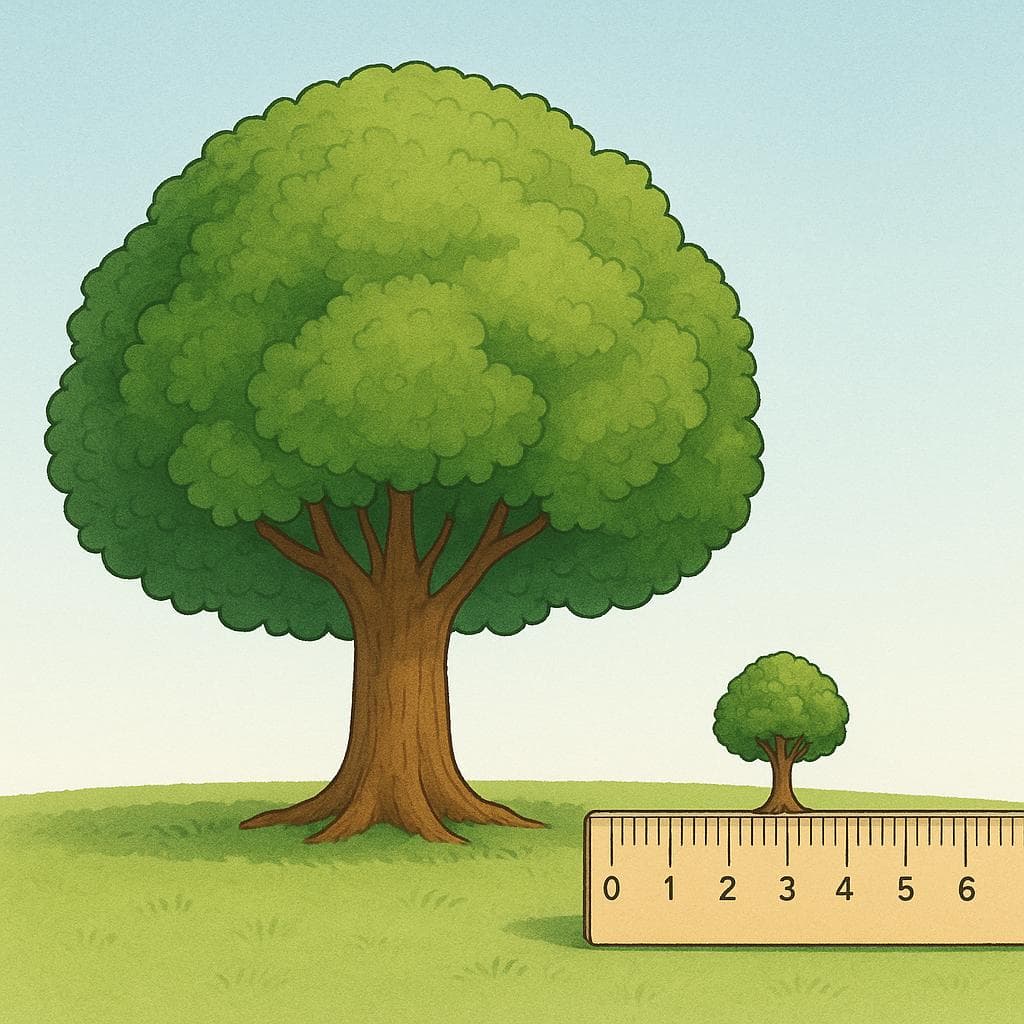
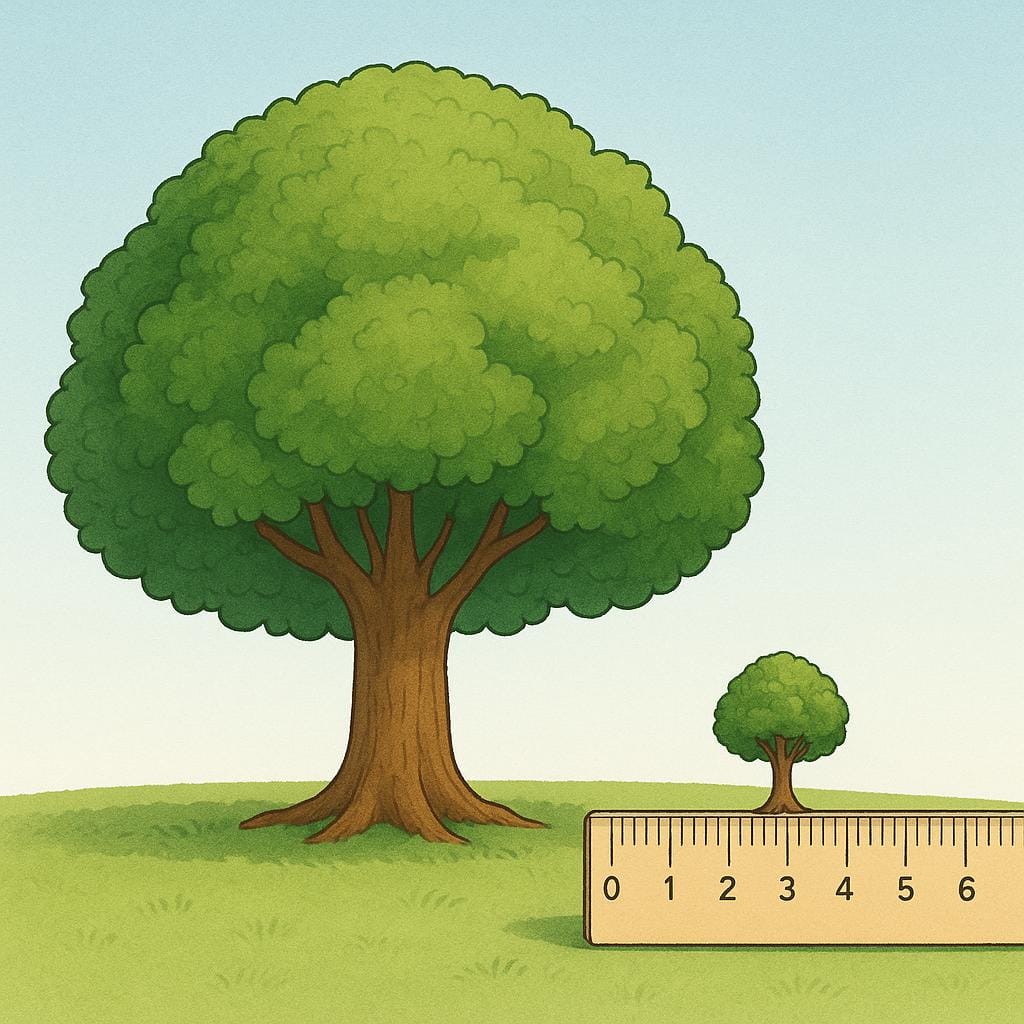
escala
es-KAH-lahesˈka.la
Examples
La escala del mapa es de uno a diez mil.
The scale of the map is one to ten thousand.
Necesitamos medir la temperatura en la escala Celsius.
We need to measure the temperature on the Celsius scale.
Always Feminine
Remember that 'escala' is always a feminine noun, so you must use 'la escala' or 'una escala' before it.
estándar
ehs-TAHN-daresˈtandaɾ

Examples
Debemos mantener un alto estándar de calidad en el servicio.
We must maintain a high standard of quality in the service.
La empresa revisa constantemente sus estándares de producción.
The company constantly reviews its production standards.
El estándar de vida en la capital es muy caro.
The standard of living in the capital is very expensive.
Gender Tip
Even though it ends in 'r' (like many feminine nouns borrowed from English), 'estándar' is masculine. Always use 'el' or 'un' with it.
Using the wrong article
Mistake: “La estándar de calidad.”
Correction: El estándar de calidad. Remember it's masculine!
llano
yah-noˈʝano

Examples
El terreno es muy llano y perfecto para construir.
The land is very flat and perfect for building.
Me gusta su lenguaje llano porque todos lo entienden.
I like his simple language because everyone understands him.
A pesar de su fama, sigue siendo un hombre llano.
Despite his fame, he is still a down-to-earth man.
Changing for Gender
Since this is an adjective, remember to change the ending to 'llana' if the person or thing you are describing is feminine (e.g., 'una superficie llana').
Word Stress Category
In Spanish grammar lessons, you will hear about 'palabras llanas'. These are words where you put the emphasis on the second-to-last syllable, like 'casa' or 'perro'.
Llano vs. Plano
Mistake: “Using 'llano' for a map or a 2D floor plan.”
Correction: Use 'plano' for maps or diagrams. Use 'llano' for physical ground or personality.
plano
plah-nohˈplano

Examples
Necesitamos una superficie completamente plana para construir la pared.
We need a completely flat surface to build the wall.
La carretera es muy plana aquí; no hay colinas.
The road is very level here; there are no hills.
Gender Agreement
As an adjective, 'plano' must match the noun it describes. Use 'plano' for masculine nouns (el muro plano) and 'plana' for feminine nouns (la tabla plana).
escalón
es-ka-LONeskaˈlon

Examples
Este ascenso es un gran escalón en mi carrera.
This promotion is a big step in my career.
Estamos en el último escalón de la negociación.
We are at the final stage of the negotiation.
Aún le falta un escalón para llegar a la cima del éxito.
He is still one level away from reaching the top of success.
Figurative Masculine
Even when used figuratively for abstract ideas like 'success' or 'career,' the word remains masculine: 'un escalón'.
grado
GRAH-dohˈɡɾa.ðo

Examples
Tenemos que evaluar el grado de riesgo antes de invertir.
We have to evaluate the level of risk before investing.
El conflicto ha alcanzado un alto grado de complejidad.
The conflict has reached a high degree of complexity.
Abstract Use
This meaning is often followed by 'de' plus an abstract concept (e.g., 'grado de dificultad,' 'grado de madurez').
calibre
kah-LEE-braykaˈli.βɾe

Examples
Necesitamos contratar a un profesional de alto calibre para liderar el equipo.
We need to hire a professional of high caliber (high quality) to lead the team.
La crisis fue de un calibre que nadie había anticipado.
The crisis was of a magnitude that no one had anticipated.
Figurative Use
When used figuratively, 'calibre' usually follows 'de' (of) to describe the quality or level of a person or situation.
Confusing Quality and Size
Mistake: “Usar 'calibre grande' para decir 'great quality'.”
Correction: Use 'alto calibre' or 'gran calibre' when talking about quality, not 'calibre grande' (which sounds like physical size).
talla
TAH-yahˈtaʎa

Examples
Es un artista de talla internacional, conocido en todo el mundo.
He is an artist of international caliber, known worldwide.
El equipo necesita un delantero de la talla de Messi.
The team needs a forward of the stature (or quality) of Messi.
Figurative Use
This is a figurative extension of the meaning 'height' or 'size.' If someone is of 'gran talla,' it means they are highly important or skilled, as if they are 'tall' in the field.
instancia
een-STAHN-syahinsˈtan.sja

Examples
El caso se resolverá en primera instancia.
The case will be resolved in the first instance (the first level of court).
Elevaremos la queja a las altas instancias del gobierno.
We will take the complaint to the high levels of the government.
No podemos intervenir en esta instancia del proceso.
We cannot intervene at this stage of the process.
Prepositions with Stages
When talking about legal stages, we usually use the preposition 'en' (e.g., 'en primera instancia').
Nivel vs. Llano/Plano
Related Translations
Learn Spanish with Inklingo
Interactive stories, personalized learning, and more.