altura
“altura” means “height” in Spanish. It has 3 different meanings depending on context:
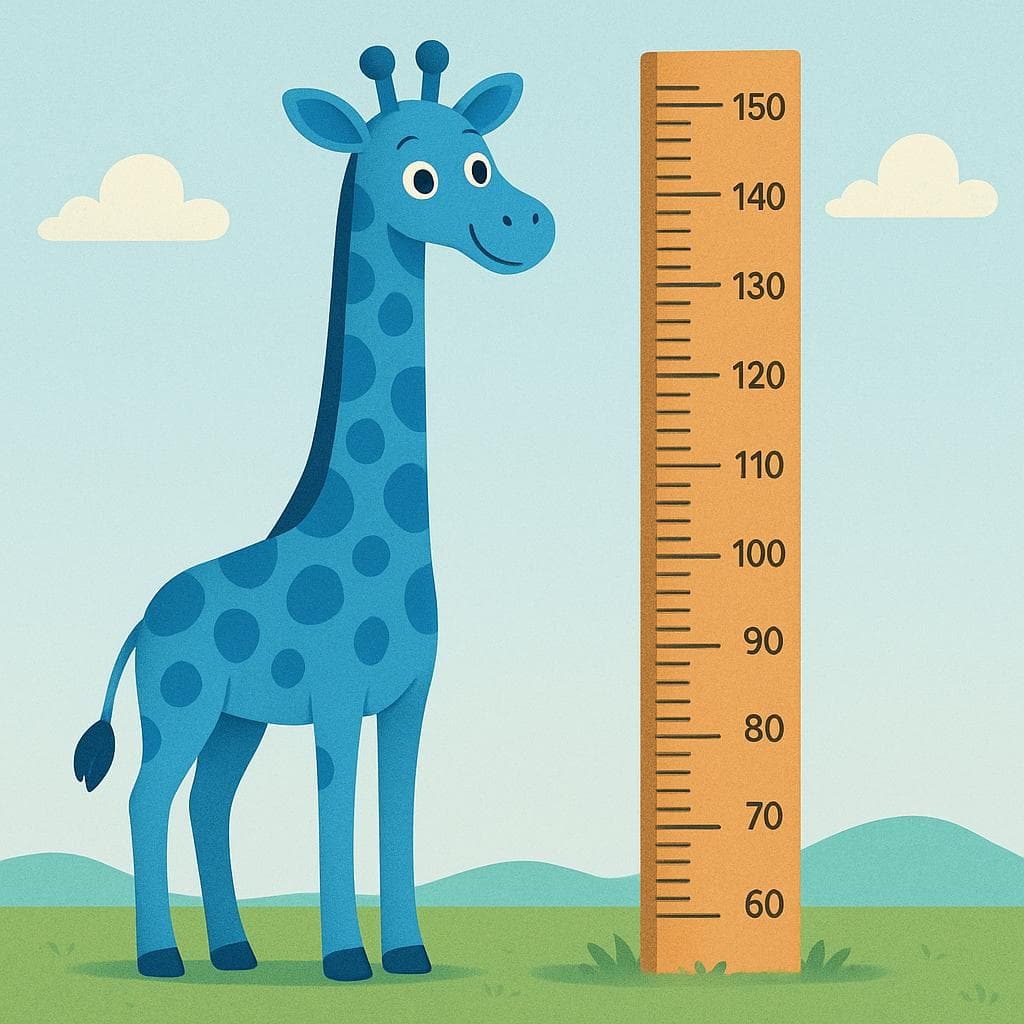


height, altitudeAlso: stature

📝 In Action
La altura de la montaña es de 5000 metros.
A1The mountain's height (or altitude) is 5,000 meters.
¿Cuál es tu altura? Eres muy alto.
A2What is your height? You are very tall.
El avión volaba a gran altura.
A1The plane was flying at great altitude.
Word Connections
level, pointAlso: opposite

📝 In Action
A esta altura del partido, ya no podemos ganar.
B1At this point/stage of the game, we can no longer win.
El coche se detuvo a la altura del semáforo.
B2The car stopped level with (or opposite) the traffic light.
Word Connections
standard, statureAlso: caliber

📝 In Action
Esperamos que estés a la altura del desafío.
B2We hope you are up to the standard of the challenge (or, up to the task).
El restaurante tiene una cocina de gran altura.
C1The restaurant has cuisine of high standard/quality.
Word Connections
Translate to Spanish
✏️ Quick Practice
Quick Quiz: altura
Question 1 of 1
Which sentence uses 'altura' in the figurative sense of 'being up to a standard'?
📚 More Resources
📚 Etymology
The word comes directly from the Latin word *altūra*, which itself is based on *altus*, meaning 'high' or 'deep.' This explains why 'altura' refers to both how high something is (height) and also how high its quality is (standard).
First recorded: Around the 13th century in Spanish.
Cognates (Related words)
💡 Master Spanish
Take your Spanish to the next level. Read 200+ illustrated and narrated Spanish stories tailored to your level with the Inklingo app!
Frequently Asked Questions
Is there a difference between 'altura' and 'estatura'?
Yes, but it's subtle! 'Altura' is the general word for height (of a building, a mountain, or a person). 'Estatura' is used specifically and almost exclusively for the height of a human or animal (stature). Both are correct when talking about people, but 'altura' is more versatile.
How do I say 'at this point in time' using 'altura'?
You would use the phrase 'a esta altura'. For example: 'A esta altura del mes, ya gasté todo mi dinero' (At this point in the month, I already spent all my money).