etapa
“etapa” means “stage” in Spanish. It has 2 different meanings depending on context:
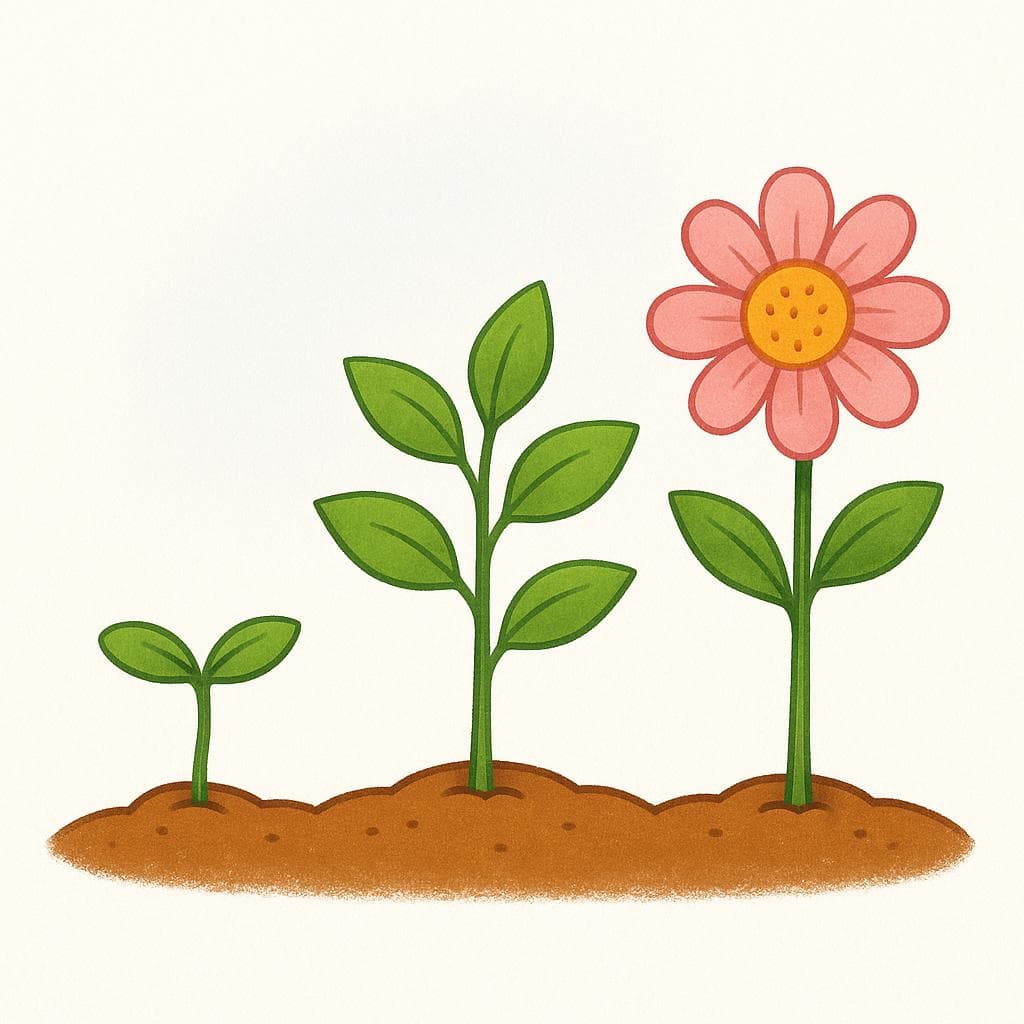

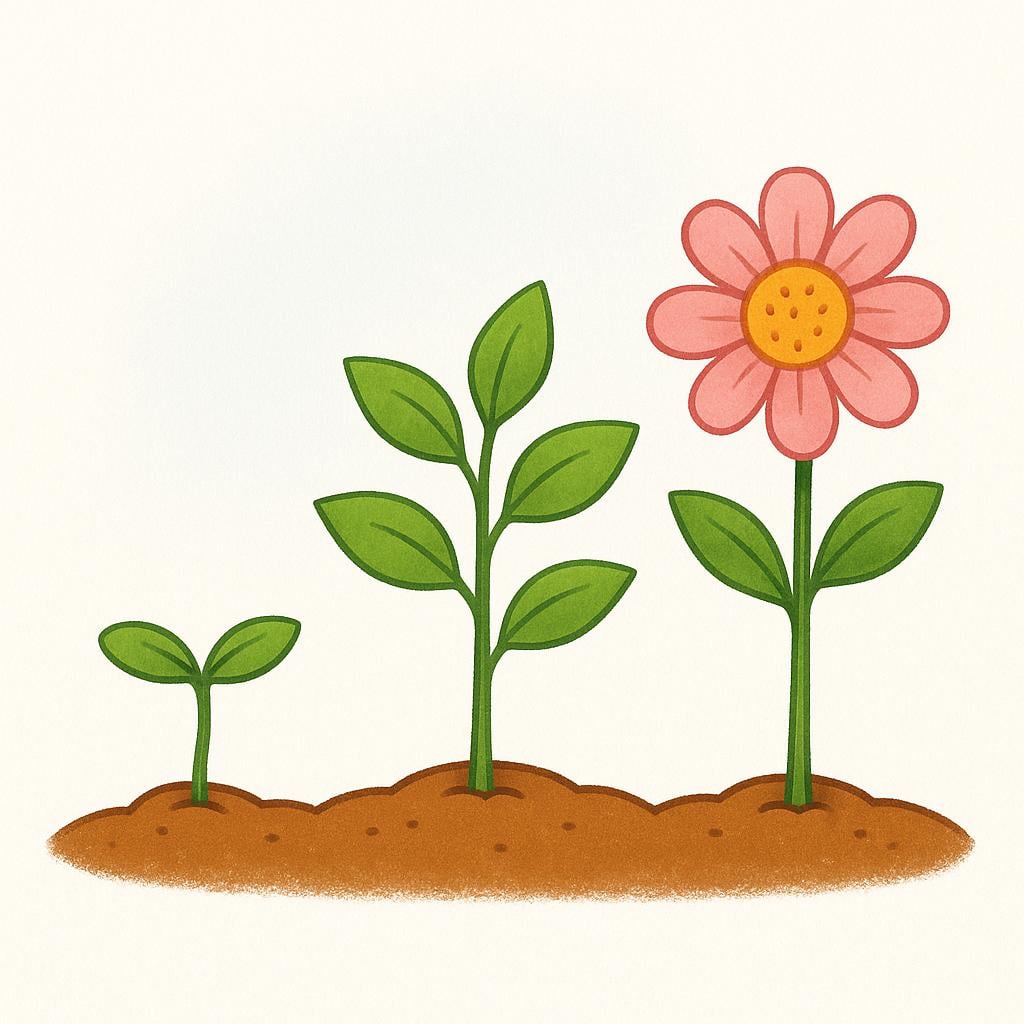
stage, phaseAlso: period
📝 In Action
Mi abuela dice que la vejez es una etapa muy tranquila.
A2My grandmother says that old age is a very peaceful stage.
Estamos en la etapa final de la construcción de la casa.
B1We are in the final phase of the house construction.
La niñez es una etapa de mucho aprendizaje.
A1Childhood is a period of great learning.
Word Connections
stage, legAlso: lap

📝 In Action
El ciclista ganó la etapa de montaña hoy por solo diez segundos.
B1The cyclist won the mountain stage today by only ten seconds.
La segunda etapa del viaje nos lleva a través del desierto.
B2The second leg of the trip takes us across the desert.
Word Connections
🔀 Commonly Confused With
Translate to Spanish
✏️ Quick Practice
Quick Quiz: etapa
Question 1 of 1
Which sentence uses 'etapa' to describe a life period, not a race segment?
📚 More Resources
📚 Etymology
The word 'etapa' is related to the idea of stopping or resting. It comes from an old French word, *étape*, which originally meant a resting place for troops or travelers, often marked by a post. The meaning evolved from 'the place' to 'the distance or time between resting places,' giving us the modern sense of a distinct phase or segment.
First recorded: Medieval period (via French)
Cognates (Related words)
💡 Master Spanish
Take your Spanish to the next level. Read 200+ illustrated and narrated Spanish stories tailored to your level with the Inklingo app!
Frequently Asked Questions
Is 'etapa' related to the word 'tapa' (the appetizer)?
No, despite sounding similar and sharing the root 'tap-,' they have different origins. 'Etapa' comes from the French word for a resting place, while 'tapa' (the appetizer or lid) comes from the verb 'tapar' (to cover).
¿Cómo se dice 'new chapter' en español?
You can say 'una nueva etapa' or 'un nuevo capítulo.' 'Etapa' often feels more natural when talking about a new phase in life or a project.