
Paso vs Etapa
Paso = one small action. Etapa = a whole phase or period.
paso
A single, distinct action or movement, often part of a sequence.
PAH-sohetapa
A longer period of time, phase, or distinct section of a process or life.
eh-TAH-pahQuick Rule
Paso = one small action. Etapa = a whole phase or period.
Think: un paso is one footstep; una etapa is an entire era or a leg of a journey.
Comparison Table
| Context | paso | etapa | Why? |
|---|---|---|---|
| Project Management | El siguiente paso es contactar a los proveedores. | La etapa de diseño durará tres semanas. | Paso is one specific task. Etapa is a whole phase of the project, like 'Design' or 'Testing'. |
| Personal Growth | Admitir el problema fue el primer paso. | La universidad fue una etapa inolvidable de mi vida. | Paso is a single, crucial action. Etapa is a longer period of time, like your university years. |
| Following Instructions | Sigue los pasos en orden. | La etapa de montaje requiere mucha atención. | Use paso for individual instructions. Use etapa for a whole section of the process, like 'Assembly'. |
When to Use "paso / etapa"
paso
A single, distinct action or movement, often part of a sequence.
PAH-soh
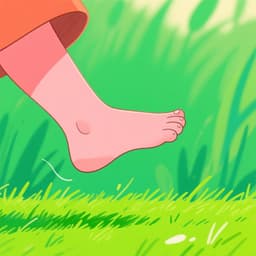
A physical step
Con cada paso, se acercaba más a la cima.
With each step, he got closer to the summit.
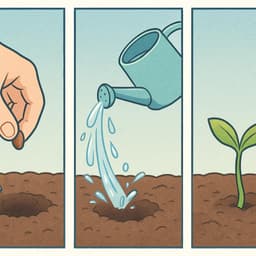
A step in instructions
El siguiente paso es añadir la harina.
The next step is to add the flour.
A move towards a goal
Firmar el contrato fue un paso importante para la empresa.
Signing the contract was an important step for the company.
A pass or passage
Hay que dar paso a la ambulancia.
You have to give way to the ambulance.
etapa
A longer period of time, phase, or distinct section of a process or life.
eh-TAH-pah
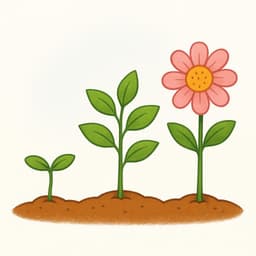
A period of life
La infancia es una etapa muy feliz.
Childhood is a very happy stage.
A phase of a project
Hemos terminado la primera etapa del proyecto.
We have finished the first phase of the project.
A leg of a journey or race
La etapa de montaña del Tour de Francia es la más dura.
The mountain stage of the Tour de France is the toughest.
A period in history
El Renacimiento fue una etapa de gran innovación.
The Renaissance was a period of great innovation.
Contrast Examples
With "paso":
El primer paso es dibujar los planos.
The first step is to draw the blueprints.
With "etapa":
La primera etapa es la construcción de los cimientos.
The first stage is the construction of the foundation.
The Difference: A 'paso' is a single task. An 'etapa' is a whole phase of the project that contains many 'pasos'. Drawing the plans is a paso within the 'planning' etapa.
With "paso":
Hablar con un nativo por primera vez fue un gran paso para mí.
Speaking with a native for the first time was a big step for me.
With "etapa":
Mi etapa de principiante fue frustrante pero necesaria.
My beginner stage was frustrating but necessary.
The Difference: 'Paso' highlights a specific milestone or achievement. 'Etapa' describes the entire period you spent at a certain level (beginner, intermediate, etc.).
Common Mistakes
La adolescencia es un paso importante.
La adolescencia es una etapa importante.
Life periods (childhood, adolescence, adulthood) are long phases, so you must use 'etapa'.
El primer etapa de la receta es cortar las cebollas.
El primer paso de la receta es cortar las cebollas.
A recipe is made of many small, individual actions. Each one is a 'paso'. An 'etapa' might be 'preparación' (preparation), which includes many pasos.
Quick Practice
Quick Quiz: Paso vs Etapa
Question 1 of 2
My university years were a very important ___ in my life.
Related Grammar
Want to understand the grammar behind this pair? Explore these lessons for a deep dive:
Key Words
Tags
Build the instinct, not just the rule
Rules help you get it right; context makes it automatic. Read 200+ illustrated and narrated Spanish stories to see confusing pairs chosen correctly — over and over — until you stop thinking about it.
Frequently Asked Questions
Can 'fase' be used instead of 'etapa'?
Yes, very often! 'Fase' and 'etapa' are very close synonyms, especially in project management ('la fase de diseño' / 'la etapa de diseño'). 'Etapa' is more common for life periods and journeys, while 'fase' can also refer to phases of the moon or cycles.
Is 'paso' always a small thing?
Not necessarily. It refers to a single action, but that action can be very significant. For example, 'Casarse fue un gran paso' (Getting married was a big step). It's big in importance, but it's still a single event, not a long period of time like 'etapa'.