fase
“fase” means “phase” in Spanish. It has 2 different meanings depending on context:
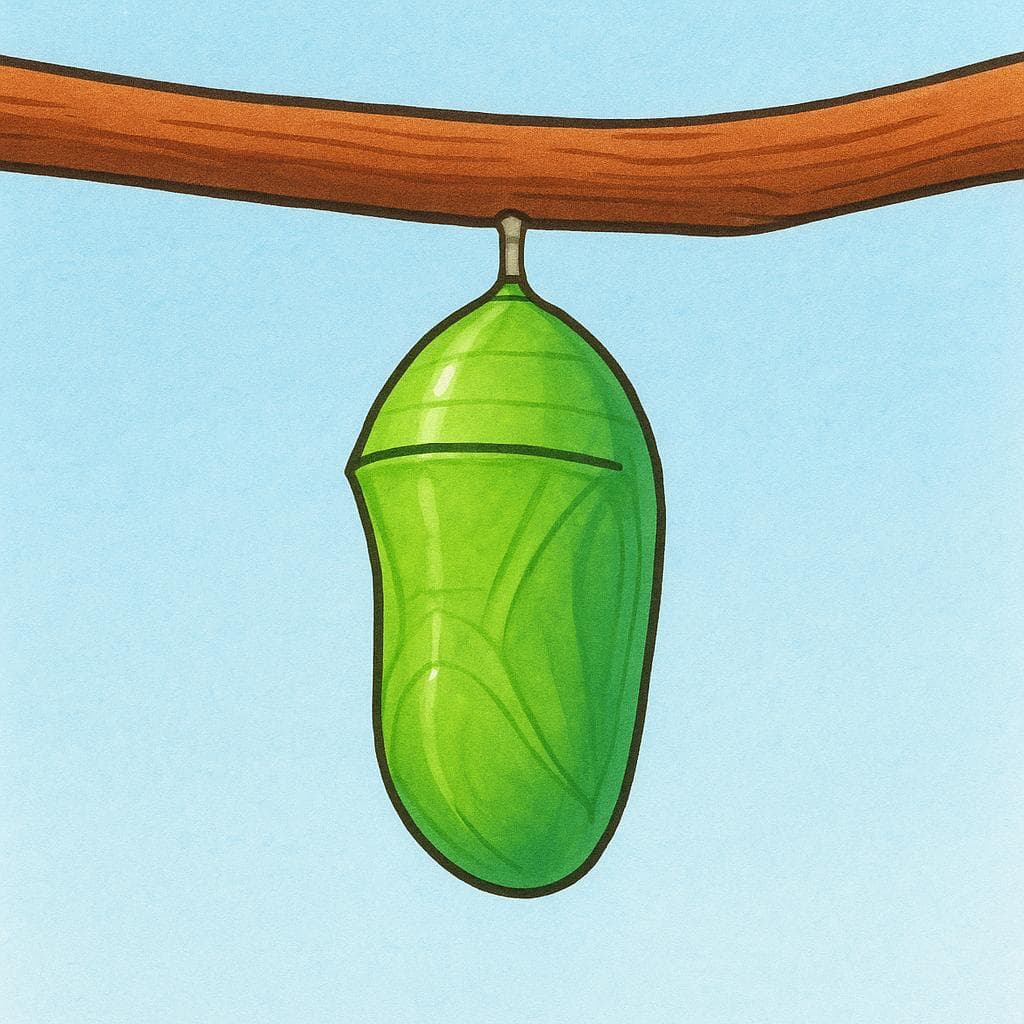

phase, stageAlso: period
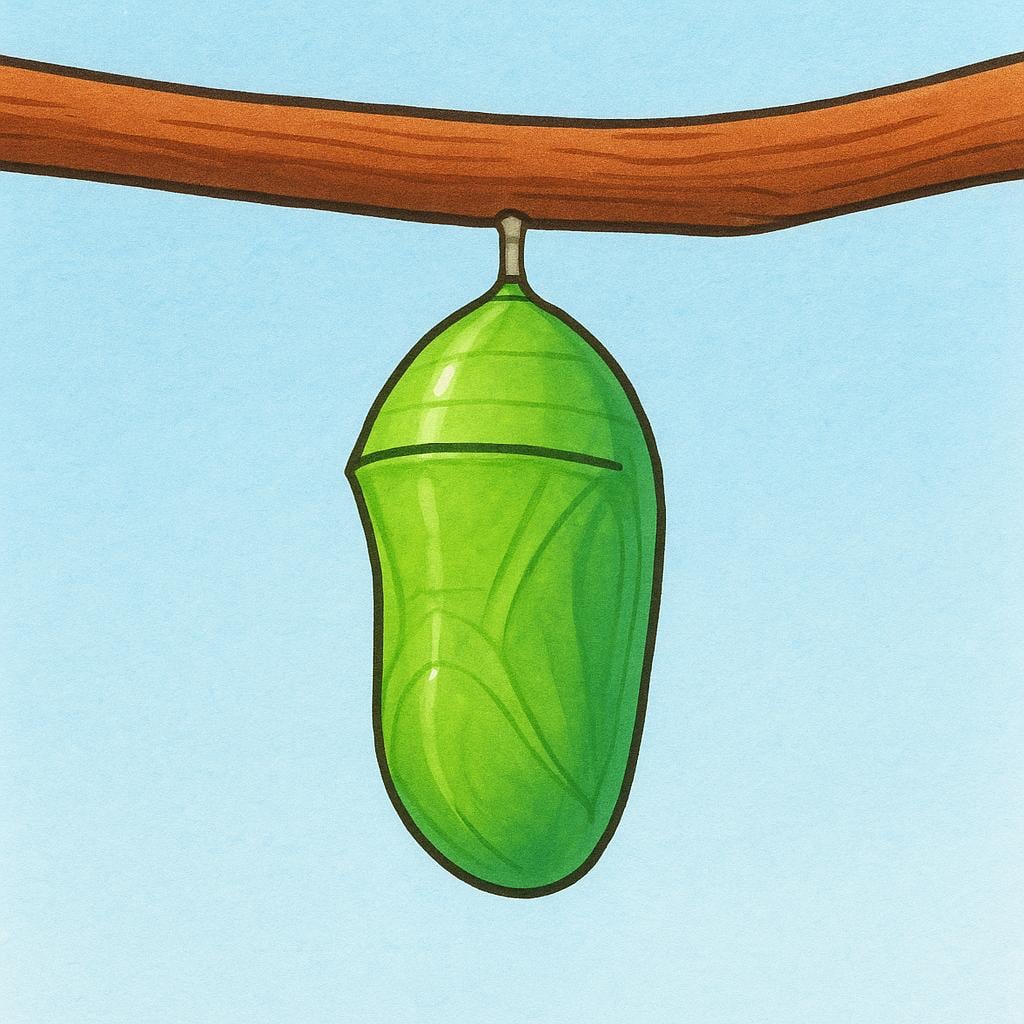
📝 In Action
Estamos en la fase de diseño del nuevo edificio.
B1We are in the design phase of the new building.
La luna está en su fase de cuarto creciente.
A2The moon is in its waxing quarter phase.
Después de esta fase de prueba, lanzaremos el producto.
B1After this testing stage, we will launch the product.
Word Connections
phaseAlso: state

📝 In Action
El hielo es la fase sólida del agua.
B2Ice is the solid phase of water.
Necesitamos revisar la fase eléctrica para asegurar la conexión.
C1We need to check the electrical phase to secure the connection.
Word Connections
✏️ Quick Practice
Quick Quiz: fase
Question 1 of 1
Which sentence correctly uses 'fase'?
📚 More Resources
👥 Word Family
📚 Etymology
Comes from the Greek word *phásis*, which meant 'appearance' or 'manifestation,' particularly referring to the different appearances (stages) of the moon.
First recorded: Medieval Latin
Cognates (Related words)
💡 Master Spanish
Take your Spanish to the next level. Read 200+ illustrated and narrated Spanish stories tailored to your level with the Inklingo app!
Frequently Asked Questions
Why is 'fase' feminine when many words ending in '-e' are masculine?
This is a great observation! 'Fase' is one of several Spanish nouns that come directly from ancient Greek, and these words often keep their original feminine gender, even though they break the general Spanish rule (like 'la crisis' or 'la tesis').