How to Say "leg" in Spanish
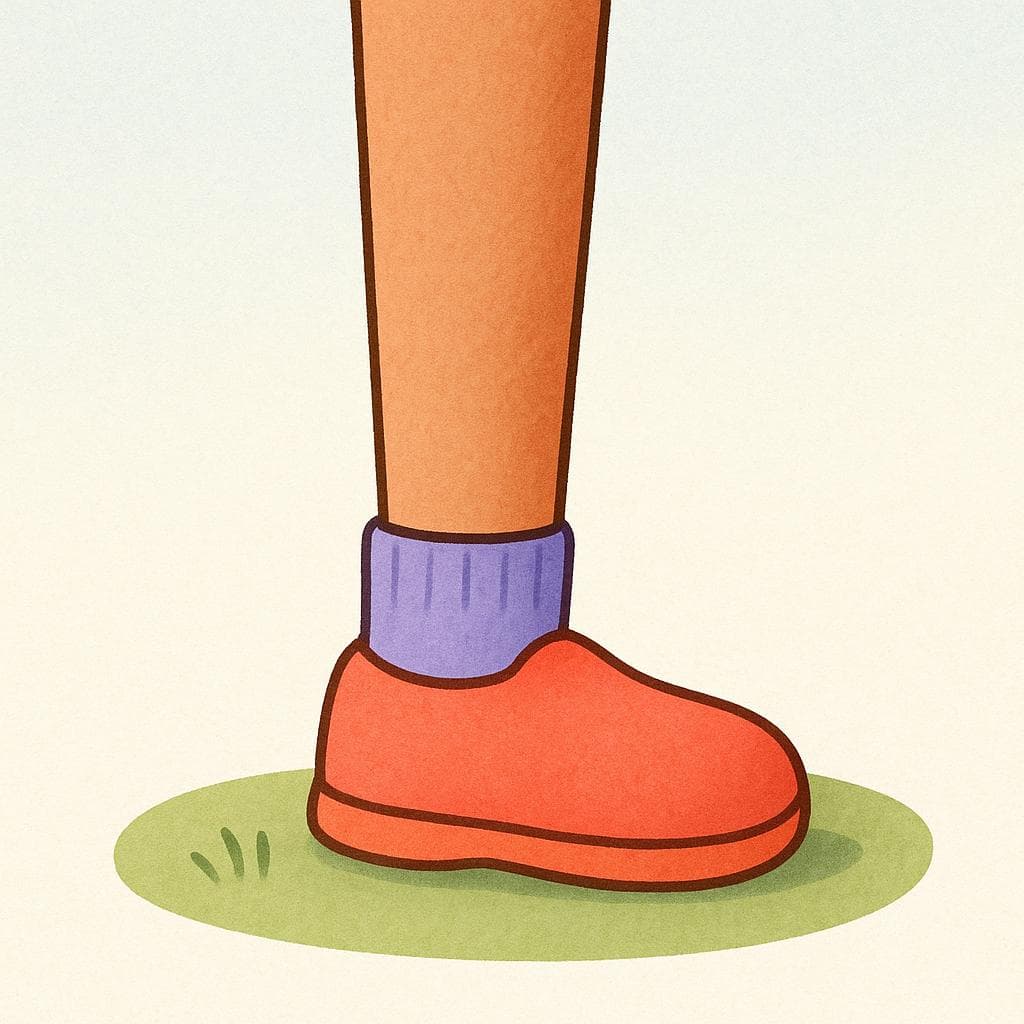
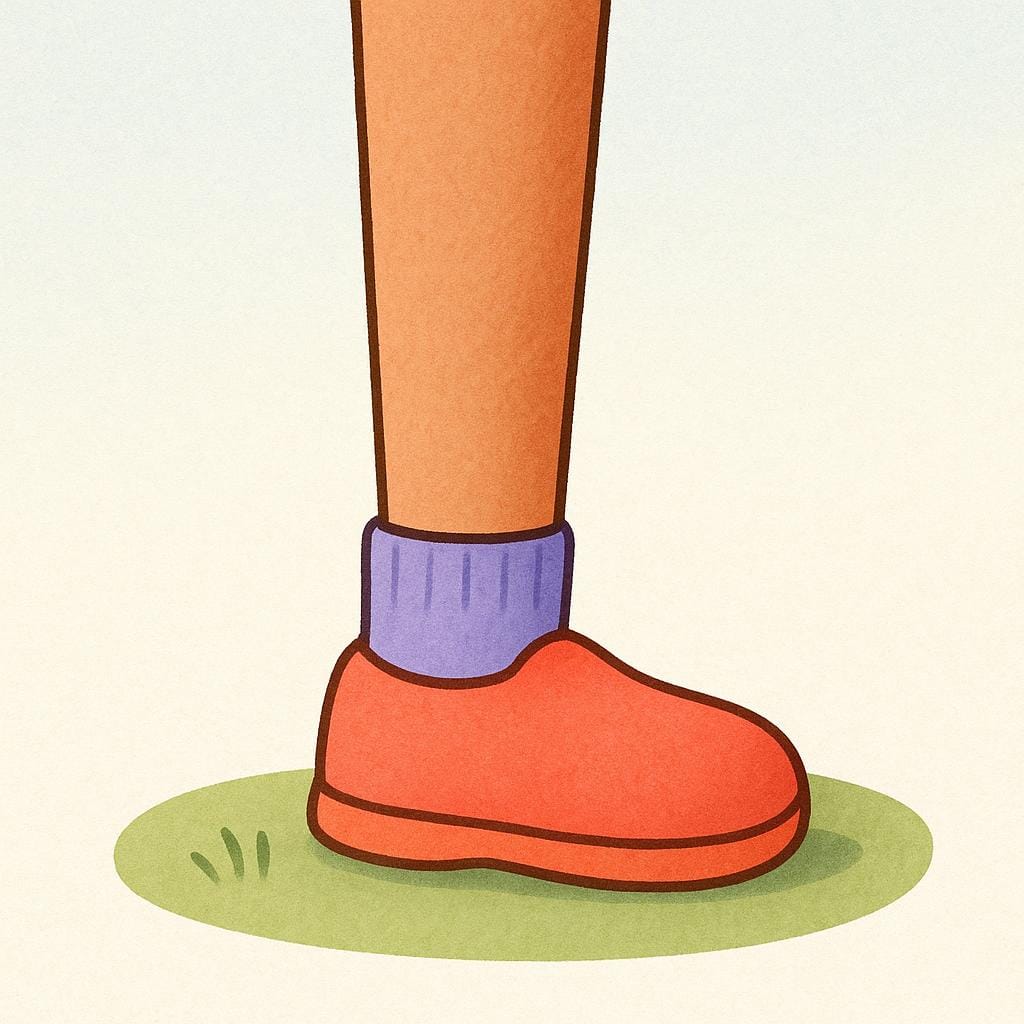
The most common Spanish word for “leg” is “pierna” — use 'pierna' for the human body part or a large cut of meat like lamb or pork.




pierna
pee-EHR-nahˈpjeɾna
Examples
Me caí y ahora me duele la pierna derecha.
I fell and now my right leg hurts.
Ella corre muy rápido porque tiene piernas fuertes.
She runs very fast because she has strong legs.
Vamos a estirar las piernas antes de seguir conduciendo.
Let's stretch our legs before continuing to drive.
Para la cena de Navidad, compramos una pierna de cordero.
For Christmas dinner, we bought a leg of lamb.
Using Articles with Body Parts
Unlike English, Spanish usually uses definite articles (la, el, las, los) instead of possessive adjectives (mi, tu) when talking about body parts, especially when the subject of the sentence makes the possession clear. Example: 'Me duele la pierna' (My leg hurts).
Parts of Food
When used for food, 'pierna' almost always refers to a large cut that is structurally similar to a leg, particularly for poultry, ham, or large roasting meats.
Using 'Mi' Instead of 'La'
Mistake: “Me duele mi pierna.”
Correction: Me duele la pierna.
pata
pa-taˈpata

Examples
El gato estiró la pata y empezó a ronronear.
The cat stretched its paw and started to purr.
Necesitamos arreglar la pata rota de la mesa antes de cenar.
We need to fix the broken leg of the table before dinner.
Gender Rule
Even though 'pata' refers to a limb, it always uses feminine articles (la pata, una pata).
Confusing with 'Pierna'
Mistake: “Using 'pata' for a human leg.”
Correction: Use 'pierna' for human legs. 'Pata' is only for animals and furniture.
tramo
TRAH-mohˈtɾamo

Examples
Este tramo de la carretera tiene muchas curvas.
This stretch of the highway has many curves.
Estamos en el tramo final del viaje.
We are on the final leg of the trip.
Han cerrado un tramo del río por contaminación.
They have closed a section of the river due to pollution.
Using 'de' with tramo
To specify what kind of stretch you are talking about, just add 'de' followed by the object, like 'tramo de camino' (stretch of path).
Tramo vs. Camino
Mistake: “Using 'tramo' to mean the whole road.”
Correction: Use 'tramo' for a specific part of the road, and 'camino' or 'carretera' for the entire thing.
etapa
eh-TAH-paheˈtapa

Examples
El ciclista ganó la etapa de montaña hoy por solo diez segundos.
The cyclist won the mountain stage today by only ten seconds.
La segunda etapa del viaje nos lleva a través del desierto.
The second leg of the trip takes us across the desert.
Sports Vocabulary
In professional cycling (like the Tour de France), 'etapa' is the standard word for one day's segment of the race.
pie
pyeh'pje

Examples
Acampamos al pie de la montaña.
We camped at the foot/base of the mountain.
Hay una nota importante al pie de la página.
There's an important note at the bottom of the page.
El pie de esta lámpara es de madera.
The base of this lamp is made of wood.
Body Part vs. Journey Section
Learn Spanish with Inklingo
Interactive stories, personalized learning, and more.