How to Say "build" in Spanish
The most common Spanish word for “build” is “construir” — use 'construir' when referring to the act of physically erecting or creating a structure, like a house, bridge, or machine.
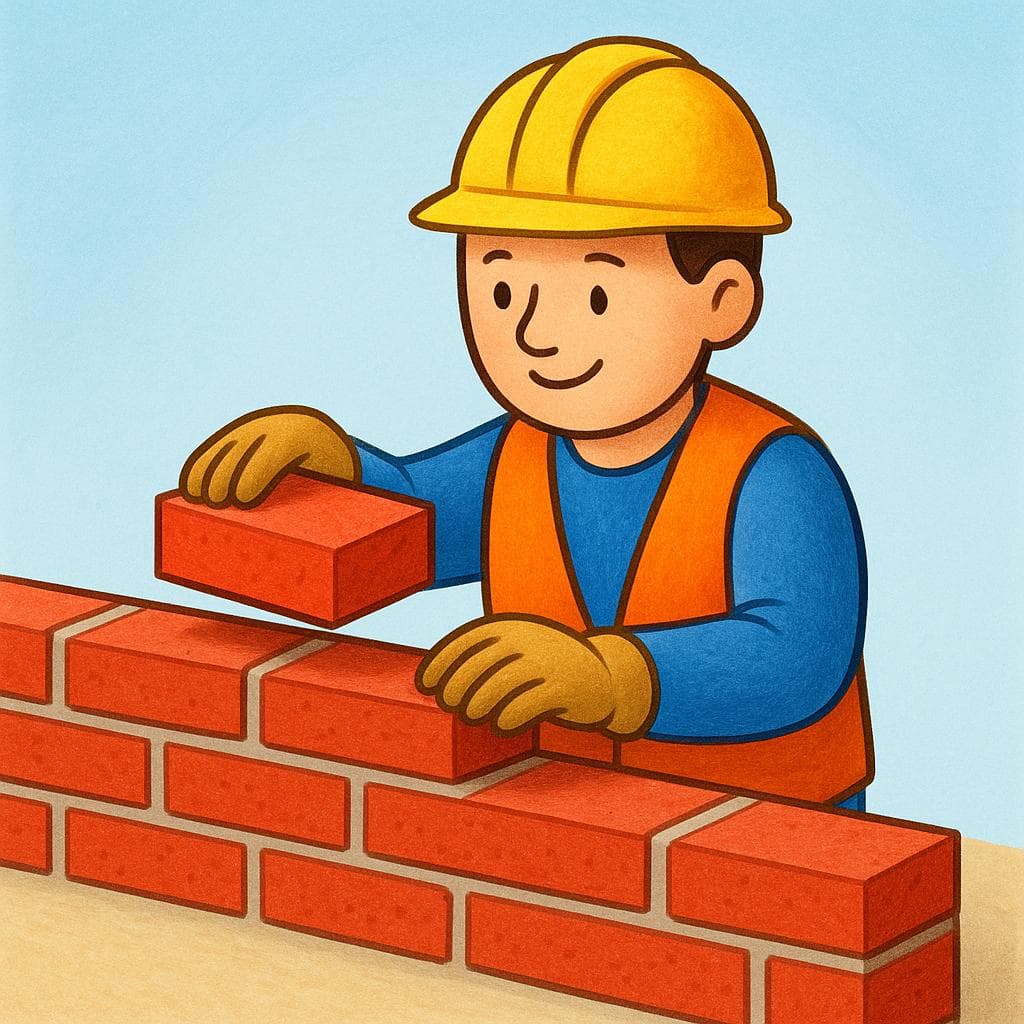
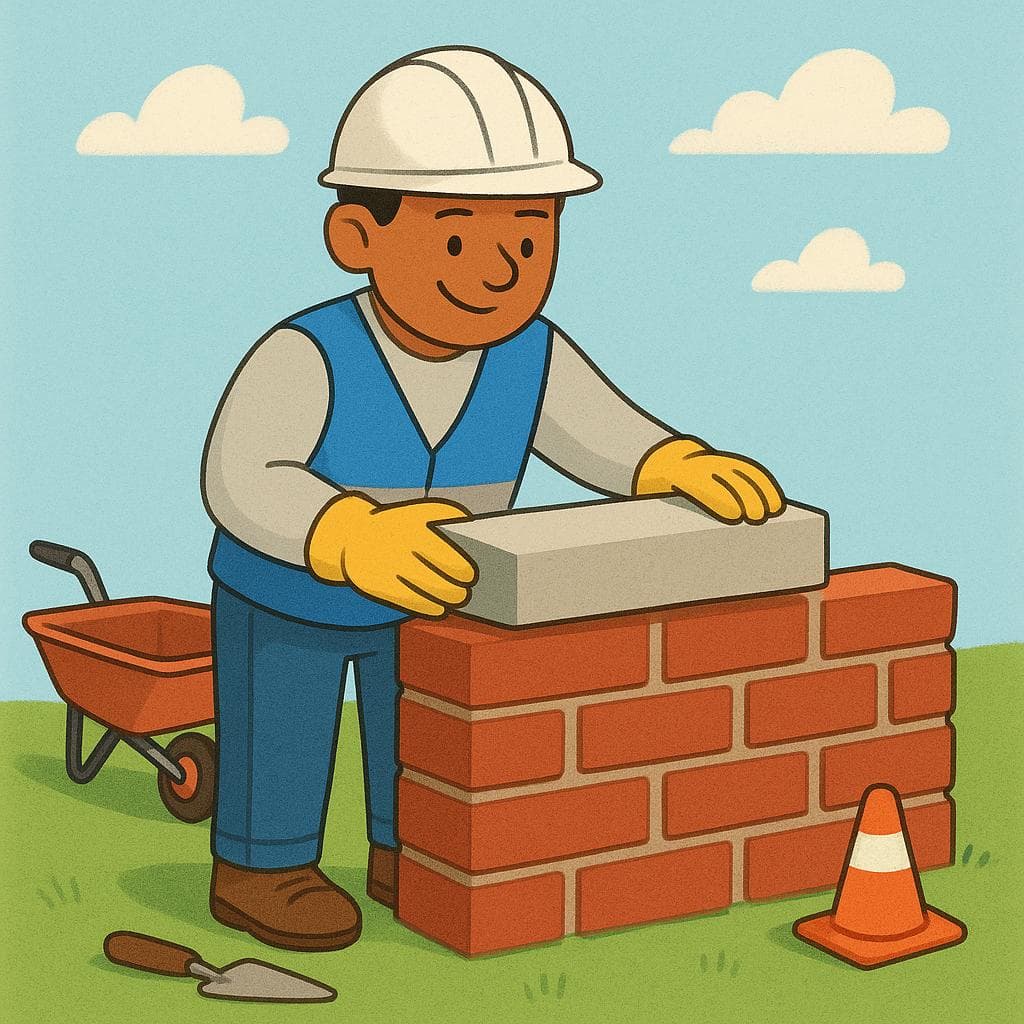

construir
kohn-stroo-EERkon.stɾuˈiɾ
Examples
Los ingenieros van a construir un nuevo puente sobre el río.
The engineers are going to build a new bridge over the river.
Están construyendo un nuevo hospital en el centro.
They are building a new hospital downtown.
Mi abuelo construyó esta casa con sus propias manos.
My grandfather built this house with his own hands.
The 'Y' Irregularity
In most forms where the stress falls on the stem, the 'i' changes to 'y' (i.e., construyo, construye). This happens because the 'i' is between two vowels (e.g., constru-i-endo) or at the end of a syllable, creating a 'y' sound.
Missing the 'Y' sound
Mistake: “Using *construio* instead of *construyo*.”
Correction: Remember the 'y' sound in the *yo* form: *construyo*. This pattern is common in '-uir' verbs like *huir* (to flee) and *incluir* (to include).
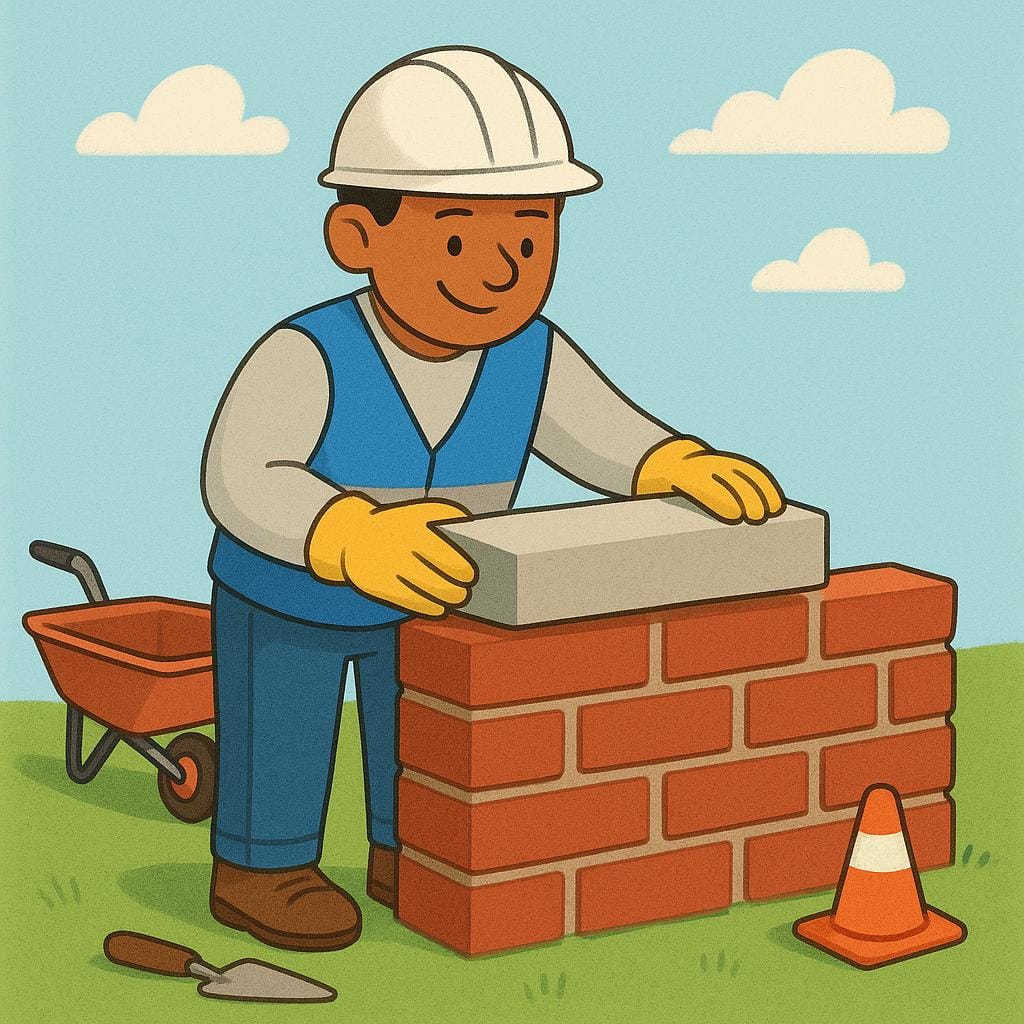
levantar
leh-vahn-tarleβanˈtaɾ
Examples
Se levantó un monumento en honor a los héroes de la guerra.
A monument was built in honor of the war heroes.
Los obreros levantaron el nuevo edificio en solo seis meses.
The workers built the new building in only six months.
El gobierno necesita levantar más fondos para el proyecto social.
The government needs to raise more funds for the social project.
El director decidió levantar la prohibición de usar móviles.
The director decided to lift (abolish) the ban on using cell phones.
Figurative Use
This meaning extends the idea of 'lifting' something physical to 'lifting' a structure, a sum of money, or a restriction.
formación
Examples
El geólogo estudió la formación de las montañas.
The geologist studied the formation of the mountains.
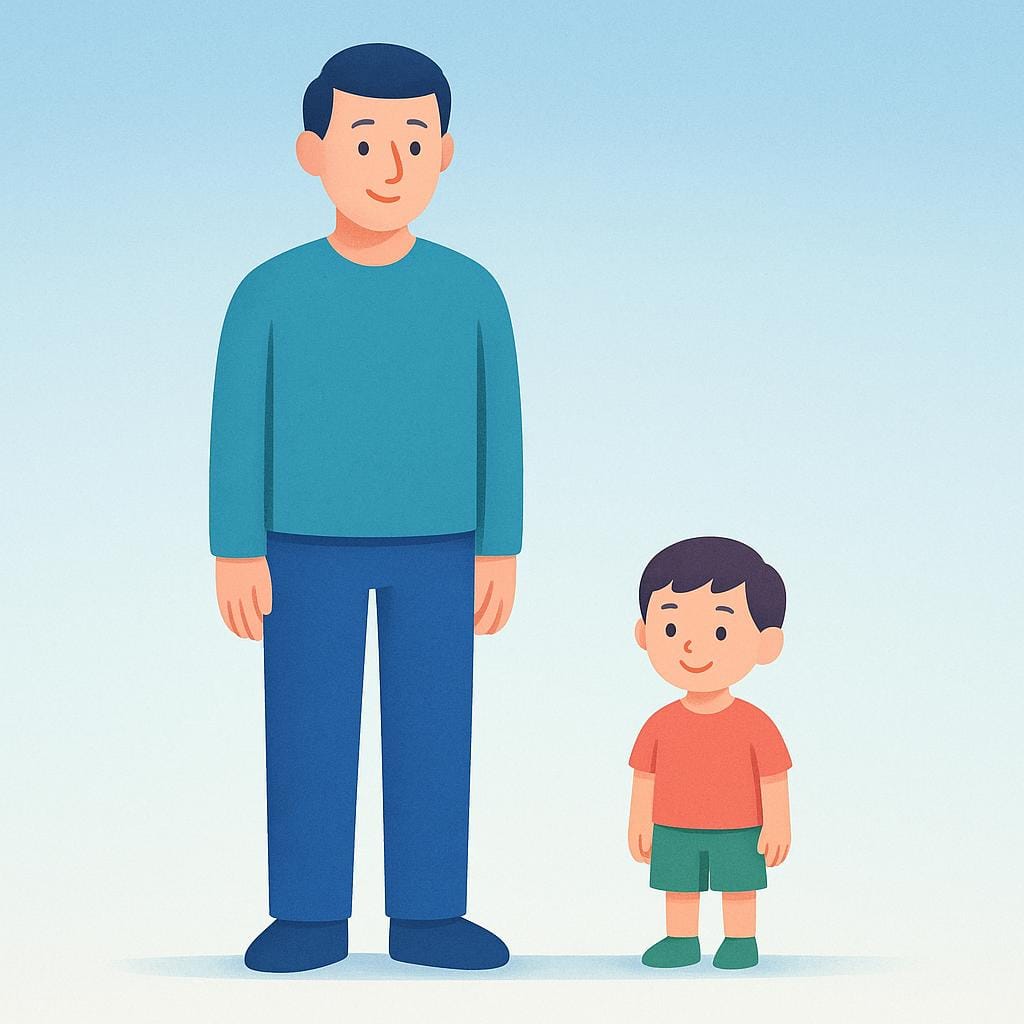
talla
TAH-yahˈtaʎa
Examples
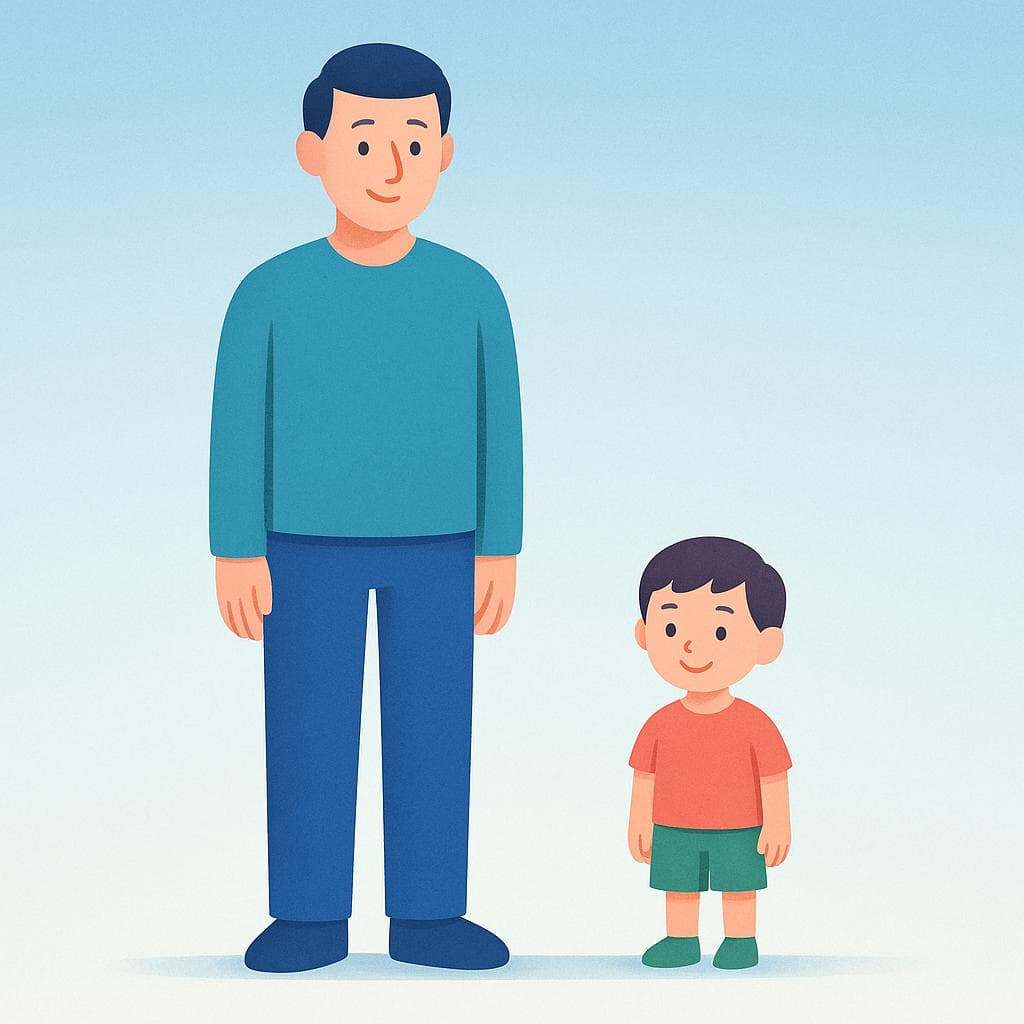
Es un atleta de gran talla que destaca en el baloncesto.
He is a tall athlete who stands out in basketball.
Es un jugador de alta talla, mide casi dos metros.
He is a tall player; he measures almost two meters.
Mi hermana es de talla mediana, ni muy alta ni muy baja.
My sister is of medium height, neither very tall nor very short.
Using 'Ser de'
To describe a person's general height or stature, you usually use the structure 'ser de + talla' (e.g., 'Ella es de talla pequeña').
anatomía
Examples
La anatomía humana es fascinante para los estudiantes de medicina.
Human anatomy is fascinating for medical students.
levanten
leh-BAHN-tehnleˈβanten

Examples
¡Levanten la vista y admiren el cielo estrellado!
Build (raise) your eyes and admire the starry sky!
Por favor, levanten la mano si tienen una pregunta.
Please, raise your hand if you have a question.
Quiero que levanten sus juguetes antes de salir.
I want you all to pick up your toys before going out.
Espero que ellos levanten el muro pronto.
I hope they build the wall soon.
Two Roles for 'Levanten'
This word works as a direct command for a group ('Levanten las manos!') and also in sentences where you express a wish ('Espero que levanten las cajas').
Addressing Groups
Use 'levanten' when talking to two or more people. In Latin America, this is used for any group; in Spain, it's the polite/formal way to address a group.
Levantan vs. Levanten
Mistake: “Using 'levantan' for a command.”
Correction: Say '¡Levanten!' for a command. 'Levantan' (with an 'a') is just a statement of fact, like 'they are lifting right now.'
Construir vs. Levantar for Physical Structures
Related Translations
Learn Spanish with Inklingo
Interactive stories, personalized learning, and more.