levanten
“levanten” means “raise” in Spanish (as in 'raise your hands' or 'raise your voices').
raise, lift
Also: stand up, build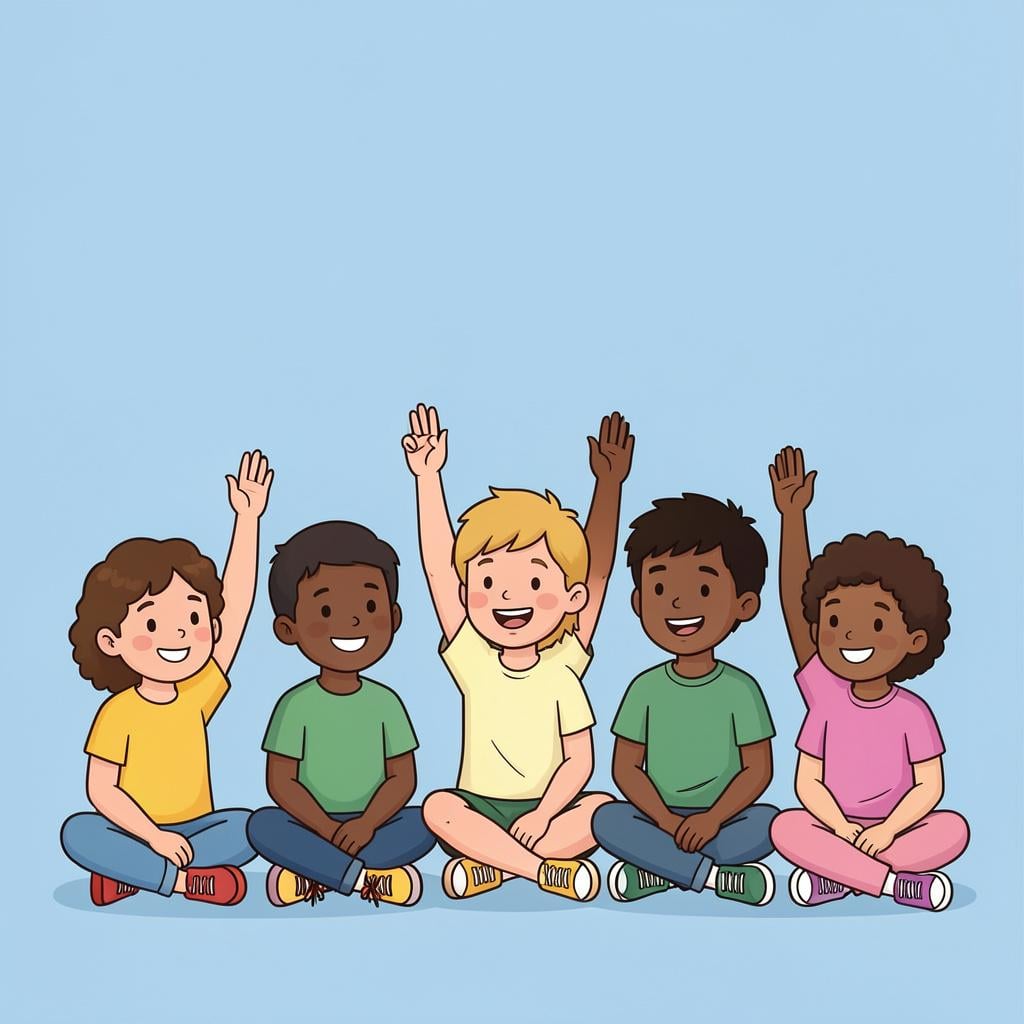
📝 In Action
Por favor, levanten la mano si tienen una pregunta.
A1Please, raise your hand if you have a question.
Quiero que levanten sus juguetes antes de salir.
A2I want you all to pick up your toys before going out.
Espero que ellos levanten el muro pronto.
B1I hope they build the wall soon.
Subjunctive
Imperfect Subjunctive
Present Subjunctive
Indicative
Preterite
Imperfect
Present
✏️ Quick Practice
Quick Quiz: levanten
Question 1 of 1
If you want a group of students to raise their hands, you should say:
📚 More Resources
👥 Word Family▼
📚 Etymology▼
From the Latin 'levare,' which means to make light. Since light things are easy to lift, the word evolved to mean the act of lifting itself.
First recorded: 12th century
Cognates (Related words)
💡 Master Spanish
Take your Spanish to the next level. Read 200+ illustrated and narrated Spanish stories tailored to your level with the Inklingo app!
Frequently Asked Questions
Does 'levanten' always mean a command?
Not always! While it is often a command (¡Levanten!), it is also used after phrases like 'Quiero que...' (I want that...) or 'Espero que...' (I hope that...) to show a wish or request.
How is it different from 'levantan'?
'Levantan' is a simple statement of fact (They are lifting). 'Levanten' is used for commands, requests, or hypothetical situations.