How to Say "lift" in Spanish
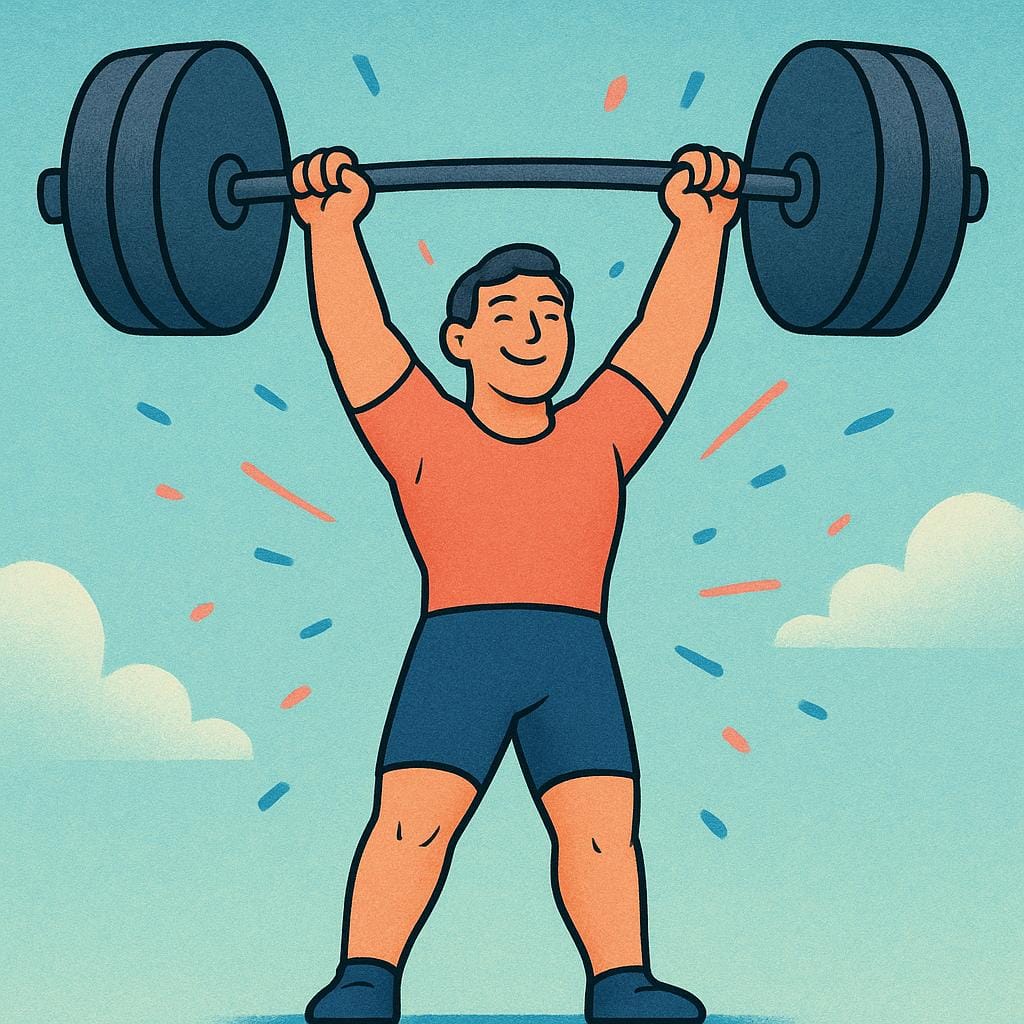
The most common Spanish word for “lift” is “levantar” — use this when describing the physical act of raising something or someone, like lifting a box or raising your hand.
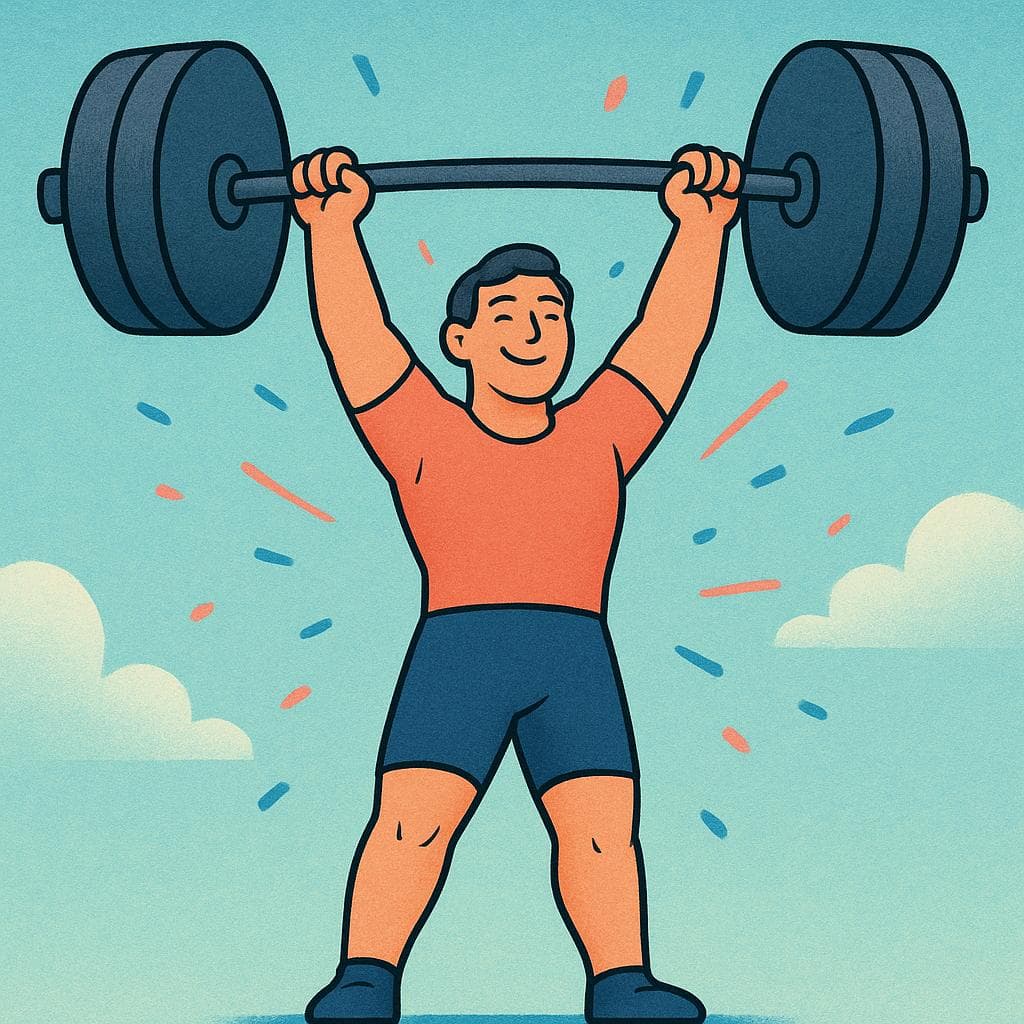



levantar
leh-vahn-tarleβanˈtaɾ
Examples
Por favor, levanta la mano si tienes una pregunta.
Please, raise your hand if you have a question.
El niño no pudo levantar la pesada caja de juguetes.
The boy couldn't lift the heavy toy box.
Levantamos la bandera al amanecer.
We raised the flag at dawn.
Direct Object Needed
When used this way, 'levantar' needs a thing or person to receive the action: 'Levanto el libro' (I lift the book).
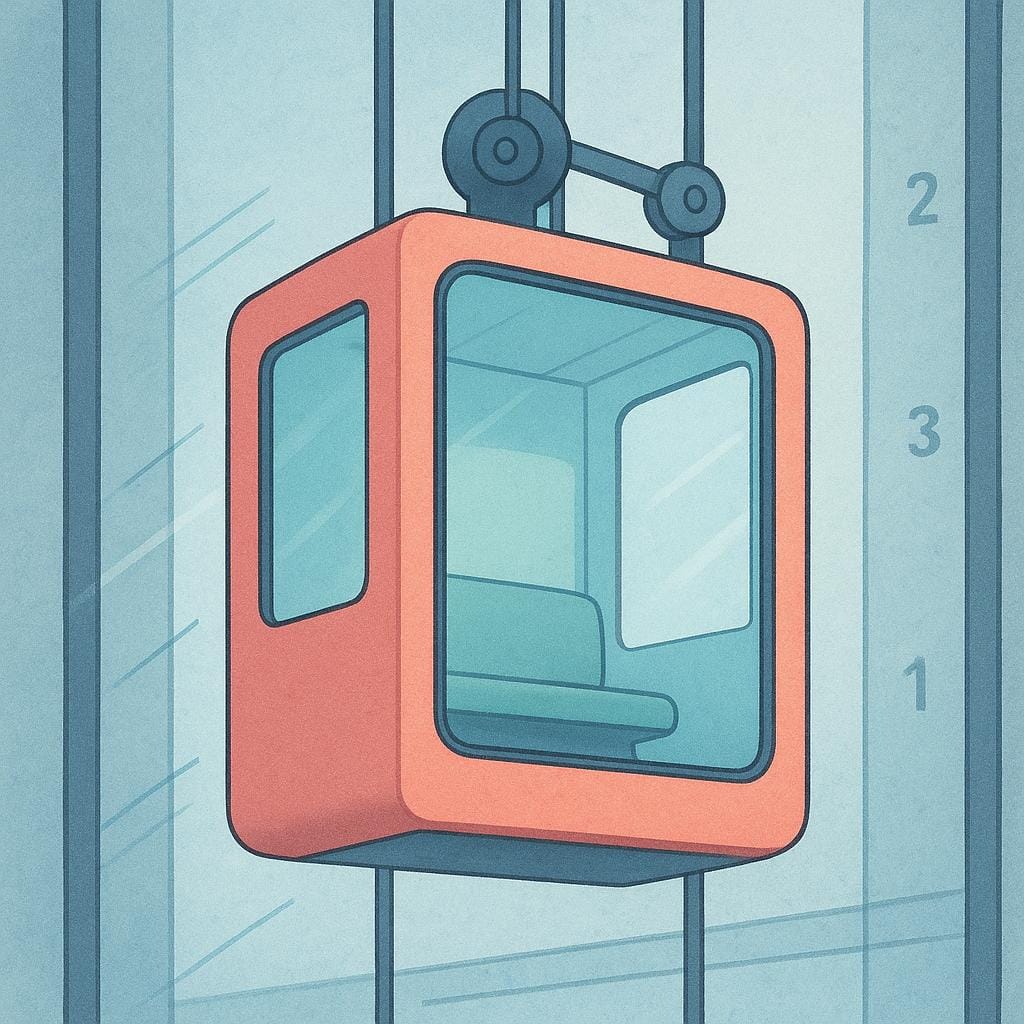
ascensor
ahs-sen-SOREa.senˈsoɾ
Examples
El ascensor está averiado; tendremos que usar las escaleras.
The elevator is broken; we will have to use the stairs.
¿Dónde está el ascensor para subir al quinto piso?
Where is the lift to go up to the fifth floor?
Prefiero subir por el ascensor porque llevo mucho peso.
I prefer to go up by the elevator because I am carrying a lot of weight.
Masculine Noun Rule
Remember that 'ascensor' is always masculine, so you must use the masculine article 'el' (the) or 'un' (a/an) before it: 'el ascensor' or 'un ascensor'.
Confusing 'Ascensor' and 'Escalera'
Mistake: “Using 'ascensor' when you mean 'stairs.'”
Correction: The moving machine is 'el ascensor' (elevator). The fixed steps are 'la escalera' (stairs).
elevador
eh-leh-bah-DOReleβaˈðor

Examples
El elevador está al final del pasillo.
The elevator is at the end of the hallway.
No use el elevador en caso de incendio.
Do not use the elevator in case of fire.
Este edificio es antiguo y no tiene un elevador moderno.
This building is old and doesn't have a modern lift.
Masculine Word
This word is masculine, so you should always use 'el' or 'un' with it (e.g., el elevador).
Regional Choice
While 'elevador' is the standard word in Mexico and parts of Latin America, 'ascensor' is the preferred word in Spain.
The 'h' sound
Mistake: “Pronouncing it like 'elevator' with an English 'v'.”
Correction: In Spanish, the 'v' sounds exactly like a soft 'b'. Say /eh-leh-bah-DOR/.
alza
AHL-sahˈalθa

Examples
El alza de los precios de la gasolina preocupa a los conductores.
The rise in gas prices worries drivers.
Las acciones de la empresa están en alza esta semana.
The company's stocks are on the rise this week.
El zapatero le puso un alza en el zapato derecho para corregir su postura.
The shoemaker put a lift in his right shoe to correct his posture.
The 'El' vs 'La' Mystery
Even though 'alza' is a feminine word, we say 'el alza' instead of 'la alza'. This happens because the word starts with a stressed 'A' sound. Using 'el' prevents the two 'A' sounds from crashing together. However, if you make it plural, it goes back to normal: 'las alzas'.
Adjectives Still Stay Feminine
Even though we use 'el' before the word, any describing words (adjectives) must still be feminine. You would say 'el alza repentina' (the sudden rise), not 'el alza repentino'.
Using 'La' in Singular
Mistake: “La alza de precios es inevitable.”
Correction: El alza de precios es inevitable. Use 'el' for singular feminine words starting with a stressed 'A'.
levanten
leh-BAHN-tehnleˈβanten

Examples
Por favor, levanten la mano si tienen una pregunta.
Please, raise your hand if you have a question.
Quiero que levanten sus juguetes antes de salir.
I want you all to pick up your toys before going out.
Espero que ellos levanten el muro pronto.
I hope they build the wall soon.
Two Roles for 'Levanten'
This word works as a direct command for a group ('Levanten las manos!') and also in sentences where you express a wish ('Espero que levanten las cajas').
Addressing Groups
Use 'levanten' when talking to two or more people. In Latin America, this is used for any group; in Spain, it's the polite/formal way to address a group.
Levantan vs. Levanten
Mistake: “Using 'levantan' for a command.”
Correction: Say '¡Levanten!' for a command. 'Levantan' (with an 'a') is just a statement of fact, like 'they are lifting right now.'
Elevator vs. Verb 'to lift'
Related Translations
Learn Spanish with Inklingo
Interactive stories, personalized learning, and more.