How to Say "elevator" in Spanish
The most common Spanish word for “elevator” is “ascensor” — use 'ascensor' when referring to the general mechanism for vertical transport in buildings, such as in an office or apartment building.
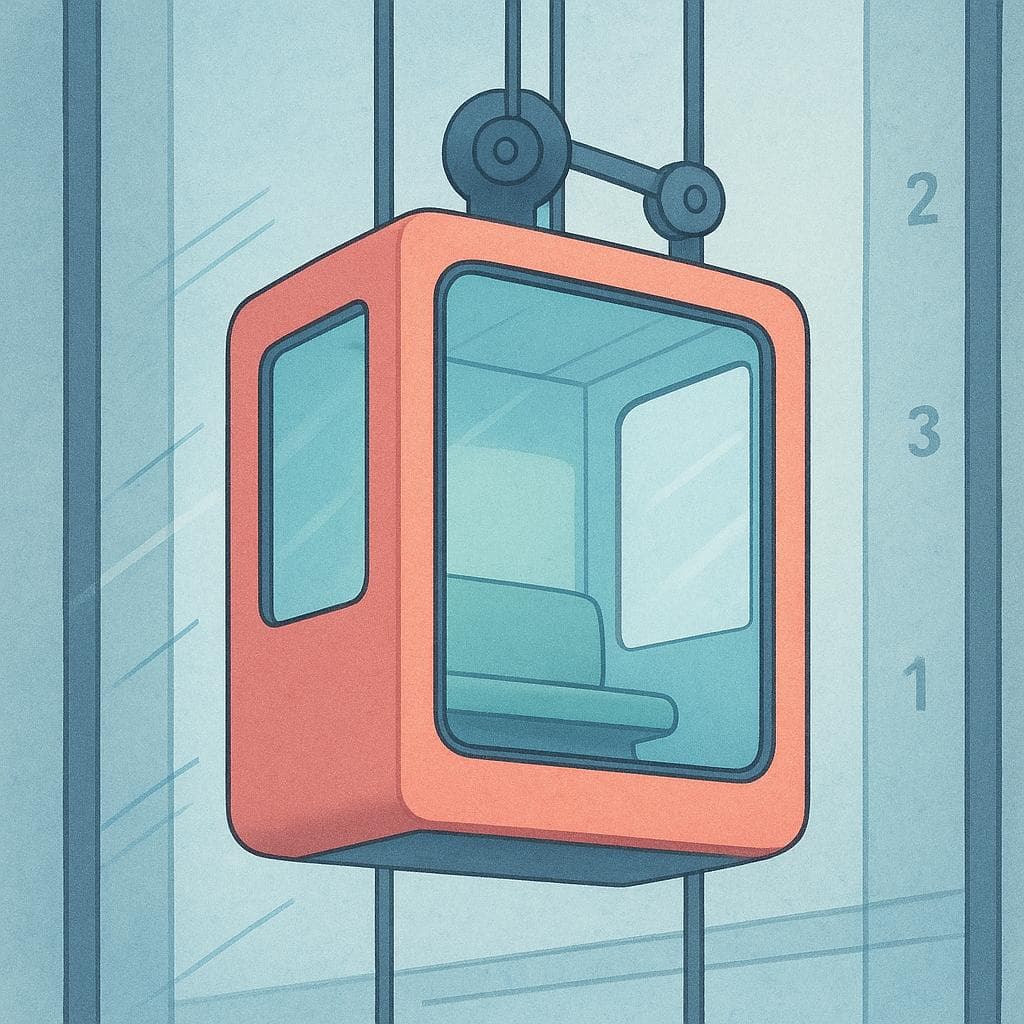
ascensor
ahs-sen-SOREa.senˈsoɾ
Examples
El ascensor está averiado; tendremos que usar las escaleras.
The elevator is broken; we will have to use the stairs.
¿Dónde está el ascensor para subir al quinto piso?
Where is the lift to go up to the fifth floor?
Prefiero subir por el ascensor porque llevo mucho peso.
I prefer to go up by the elevator because I am carrying a lot of weight.
Masculine Noun Rule
Remember that 'ascensor' is always masculine, so you must use the masculine article 'el' (the) or 'un' (a/an) before it: 'el ascensor' or 'un ascensor'.
Confusing 'Ascensor' and 'Escalera'
Mistake: “Using 'ascensor' when you mean 'stairs.'”
Correction: The moving machine is 'el ascensor' (elevator). The fixed steps are 'la escalera' (stairs).
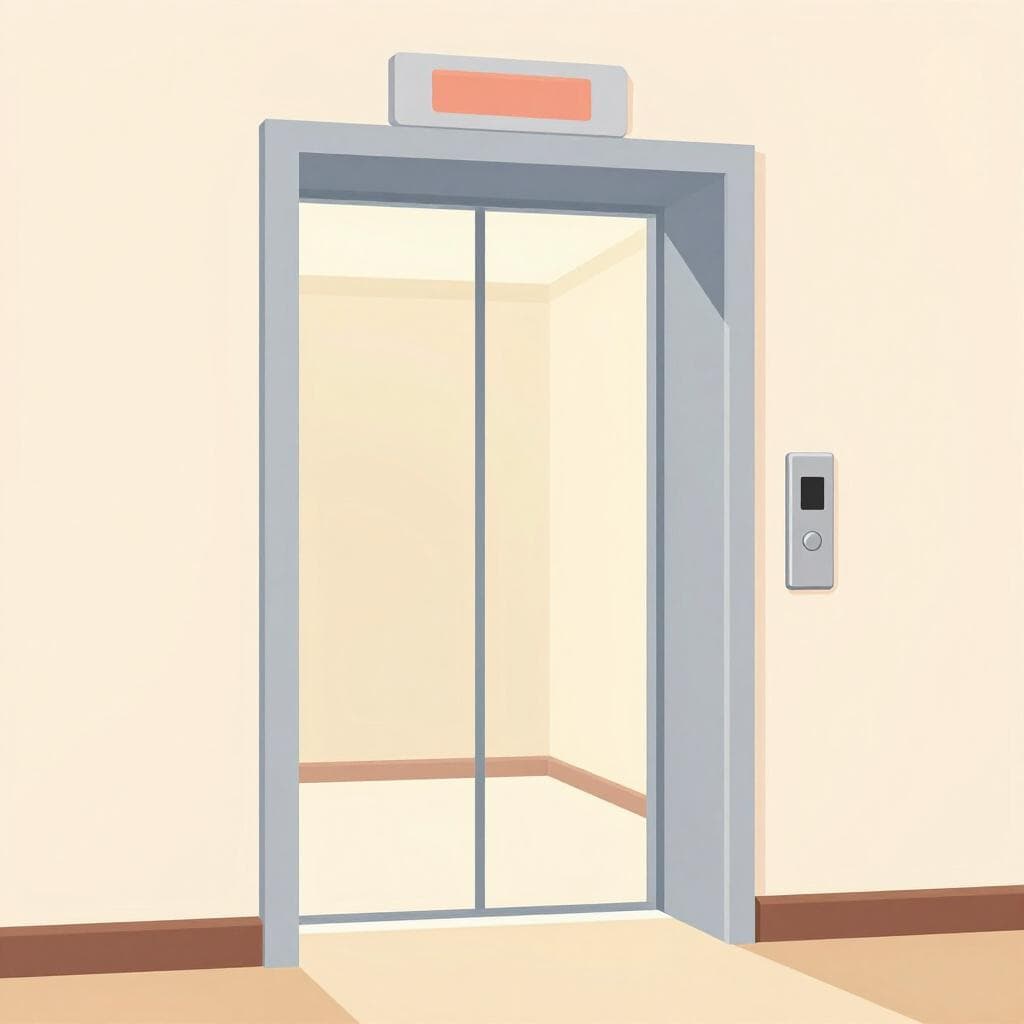
elevador
eh-leh-bah-DOReleβaˈðor
Examples
El elevador está al final del pasillo.
The elevator is at the end of the hallway.
No use el elevador en caso de incendio.
Do not use the elevator in case of fire.
Este edificio es antiguo y no tiene un elevador moderno.
This building is old and doesn't have a modern lift.
Masculine Word
This word is masculine, so you should always use 'el' or 'un' with it (e.g., el elevador).
Regional Choice
While 'elevador' is the standard word in Mexico and parts of Latin America, 'ascensor' is the preferred word in Spain.
The 'h' sound
Mistake: “Pronouncing it like 'elevator' with an English 'v'.”
Correction: In Spanish, the 'v' sounds exactly like a soft 'b'. Say /eh-leh-bah-DOR/.
Ascensor vs. Elevador
Related Translations
Learn Spanish with Inklingo
Interactive stories, personalized learning, and more.