elevador
“elevador” means “elevator” in Spanish. It has 2 different meanings depending on context:
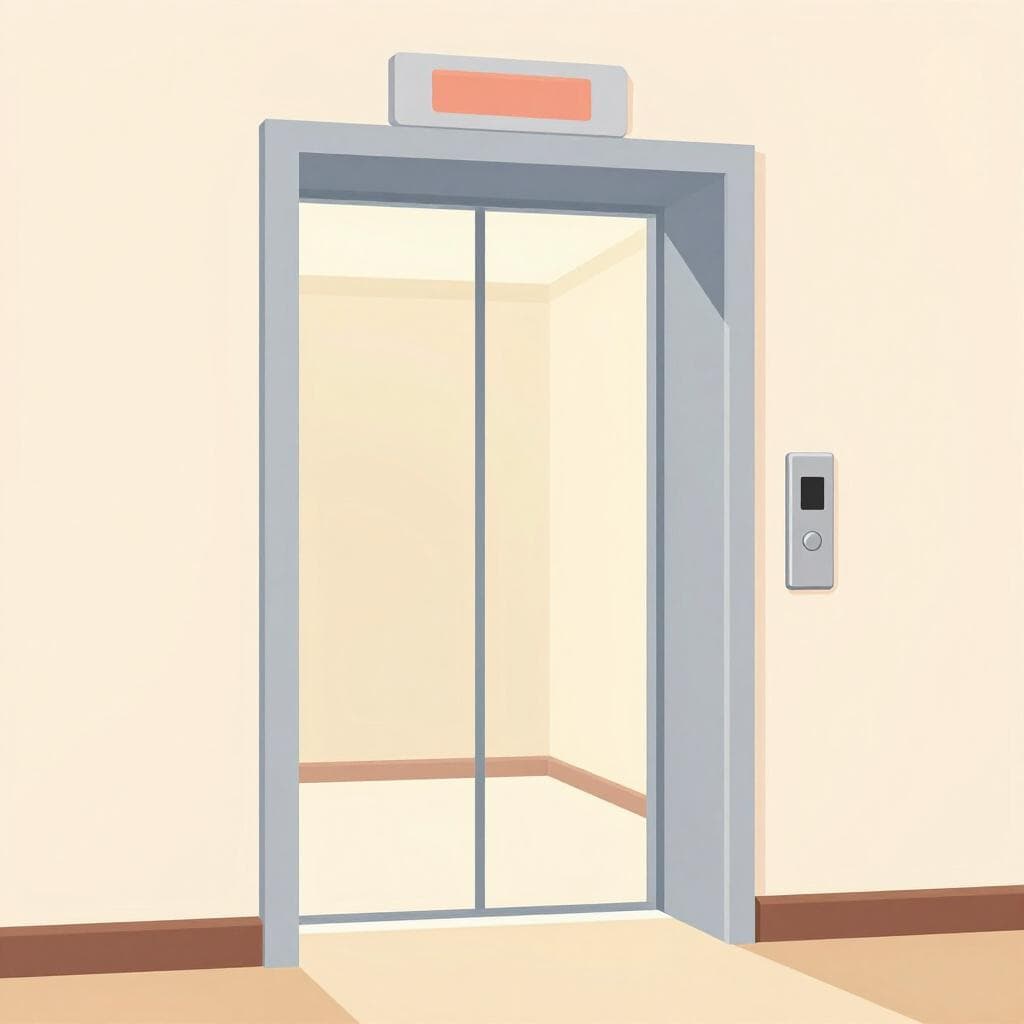
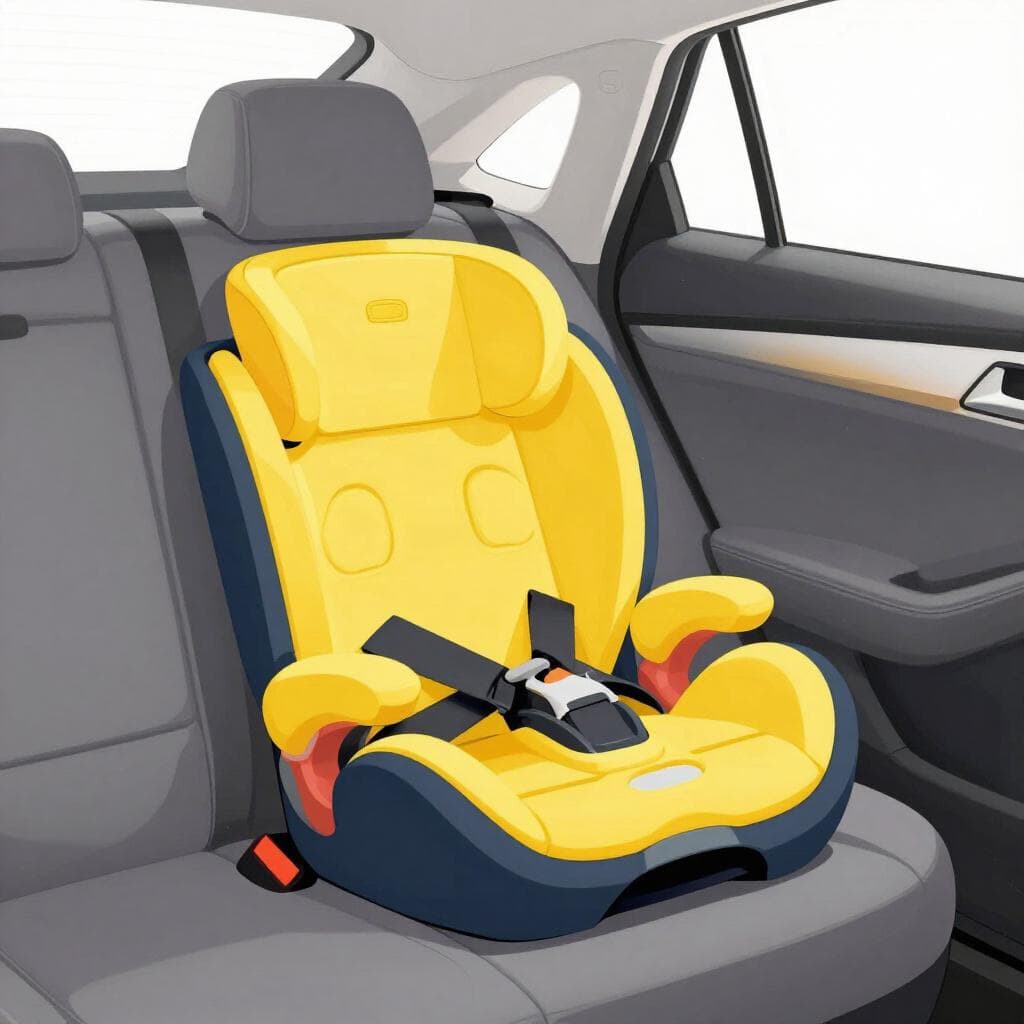
elevator
Also: lift, hoist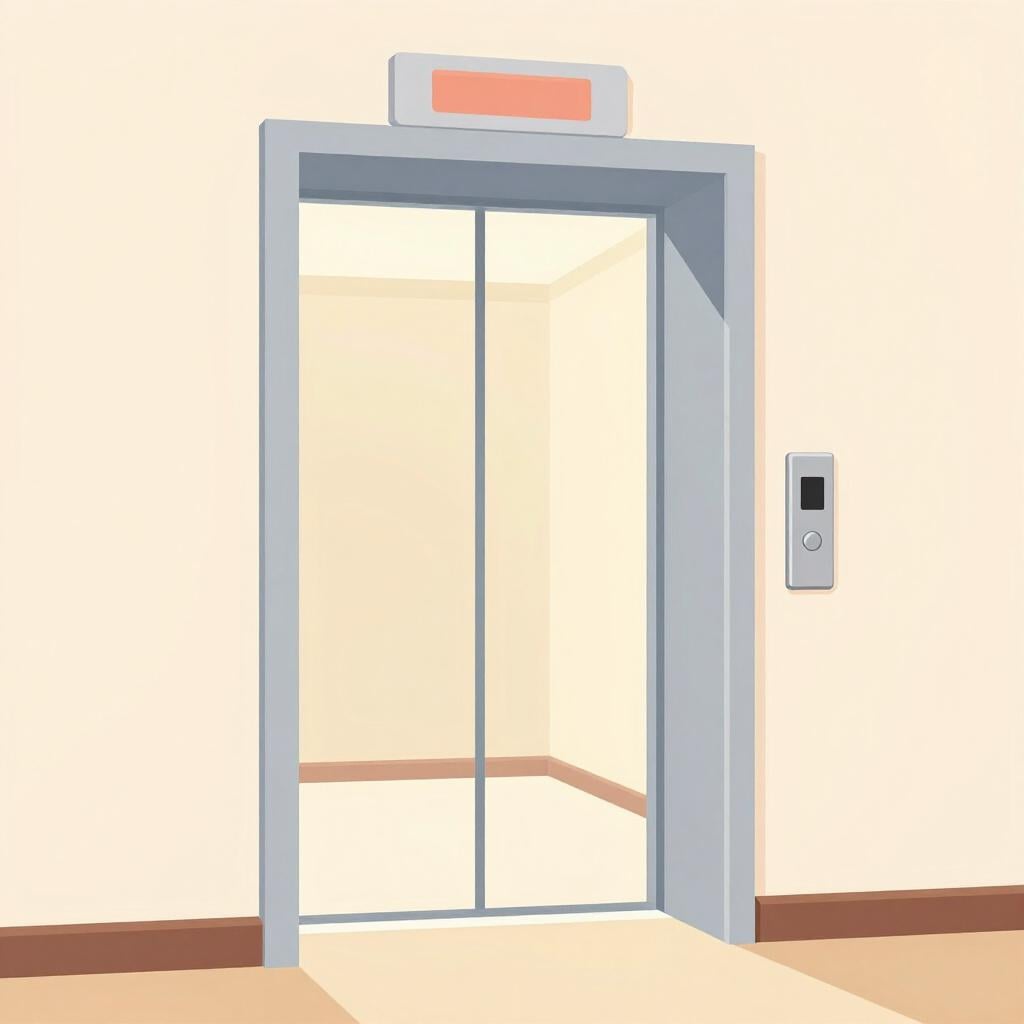
📝 In Action
El elevador está al final del pasillo.
A1The elevator is at the end of the hallway.
No use el elevador en caso de incendio.
A2Do not use the elevator in case of fire.
Este edificio es antiguo y no tiene un elevador moderno.
B1This building is old and doesn't have a modern lift.
booster seat
Also: jack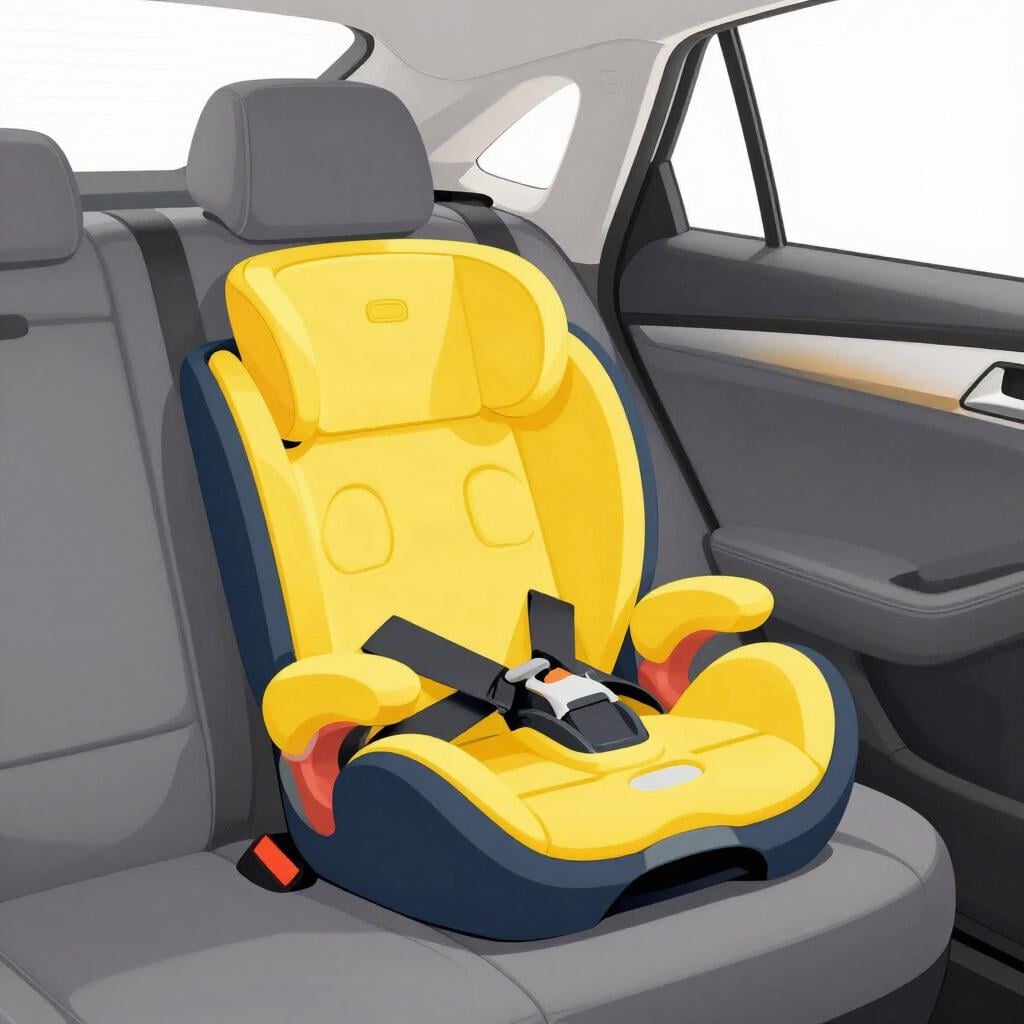
📝 In Action
El niño todavía necesita un elevador para viajar en el coche.
B1The child still needs a booster seat to travel in the car.
Usamos un elevador hidráulico para levantar el coche.
B2We used a hydraulic jack to lift the car.
Translate to Spanish
✏️ Quick Practice
Quick Quiz: elevador
Question 1 of 3
If you are in Madrid, Spain, what word are you MORE likely to hear for an elevator?
📚 More Resources
👥 Word Family▼
🎵 Rhymes▼
📚 Etymology▼
From the Latin verb 'elevare', which means 'to lift up'. It shares the same root as the English word 'elevator'.
First recorded: 19th century (in its modern mechanical sense)
Cognates (Related words)
💡 Master Spanish
Take your Spanish to the next level. Read 200+ illustrated and narrated Spanish stories tailored to your level with the Inklingo app!
Frequently Asked Questions
Can I use 'elevador' and 'ascensor' interchangeably?
Yes, they mean the same thing. However, 'elevador' is more common in Mexico, while 'ascensor' is the go-to word in Spain and Argentina.
Is it 'el' or 'la' elevador?
It is always 'el elevador' because the word is masculine.
Does 'elevador' only refer to the machine in buildings?
Mostly, yes, but it can also refer to any mechanical lifting device, like a car jack or a platform used in construction.