How to Say "erect" in Spanish
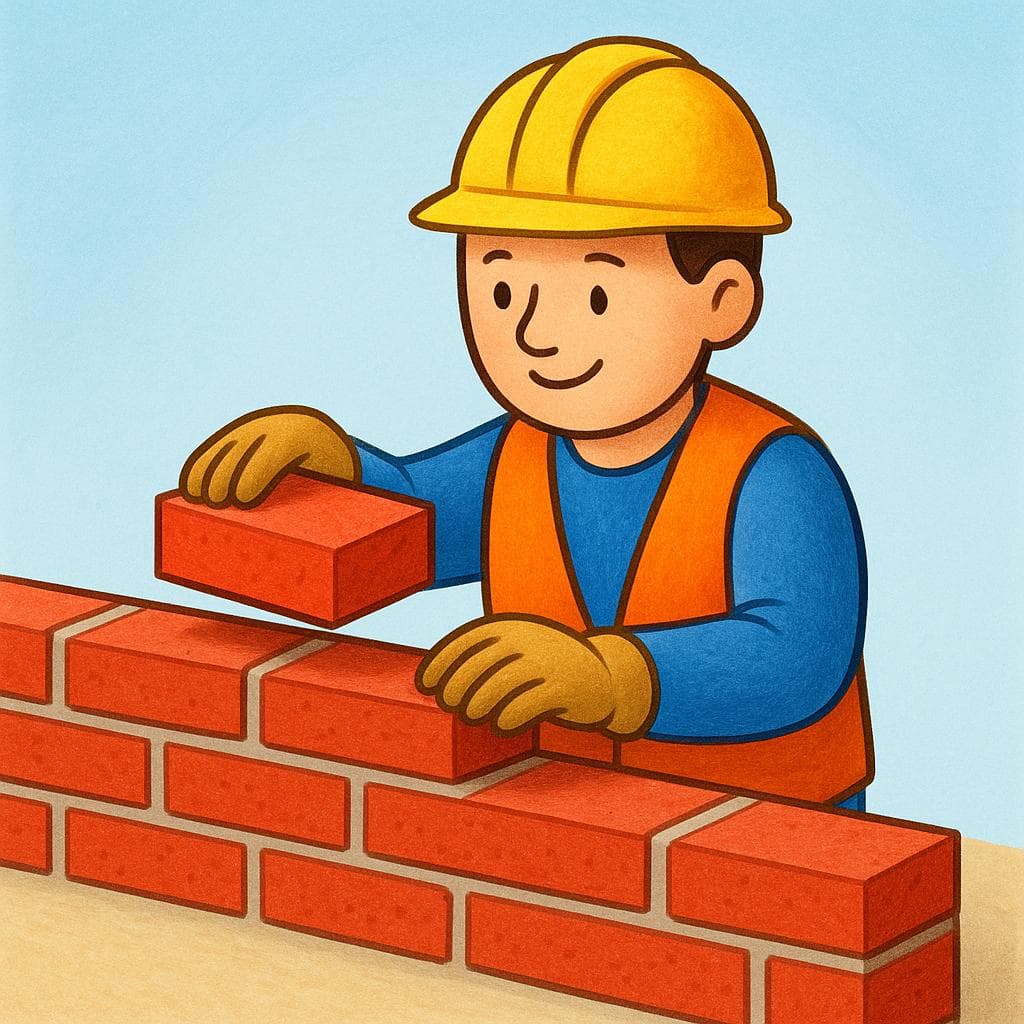
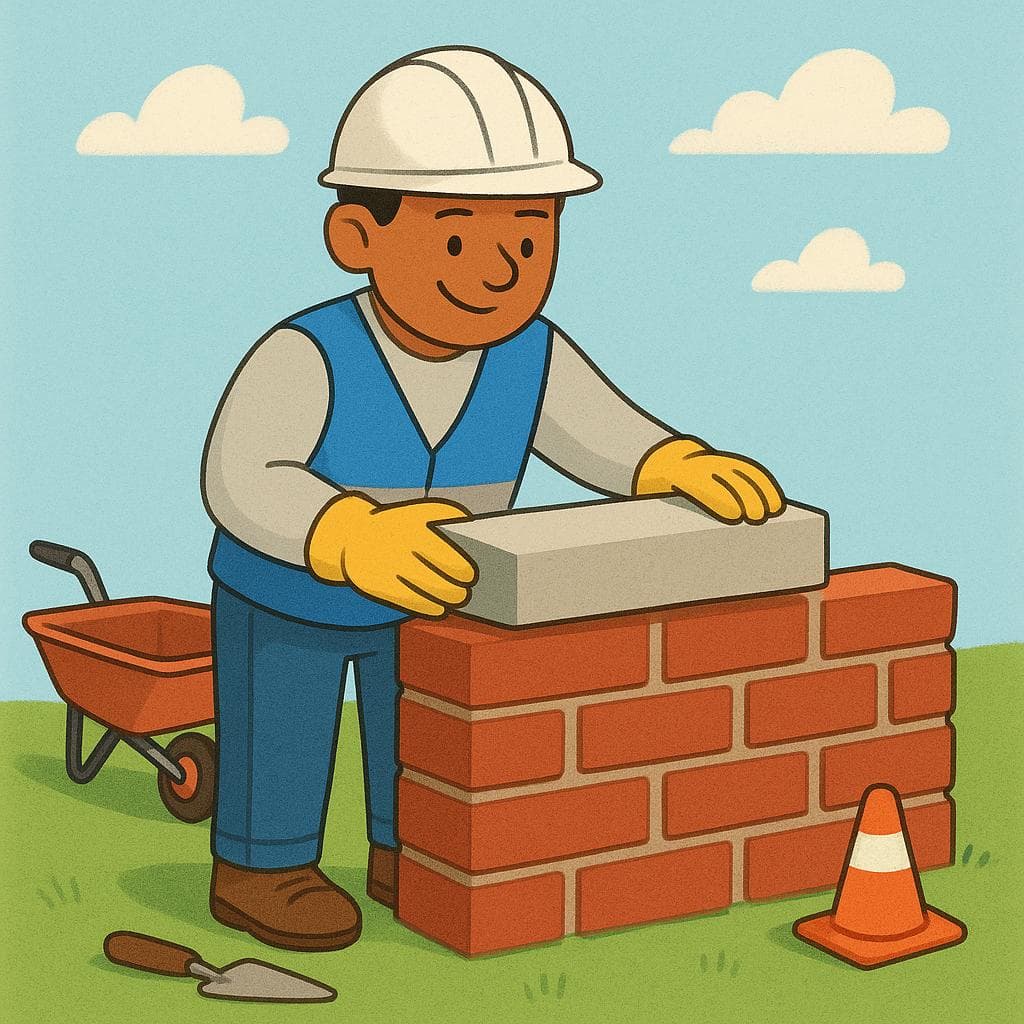
The most common Spanish word for “erect” is “construir” — use 'construir' when referring to the act of building or fabricating a large structure like a building or a monument.

construir
kohn-stroo-EERkon.stɾuˈiɾ
Examples
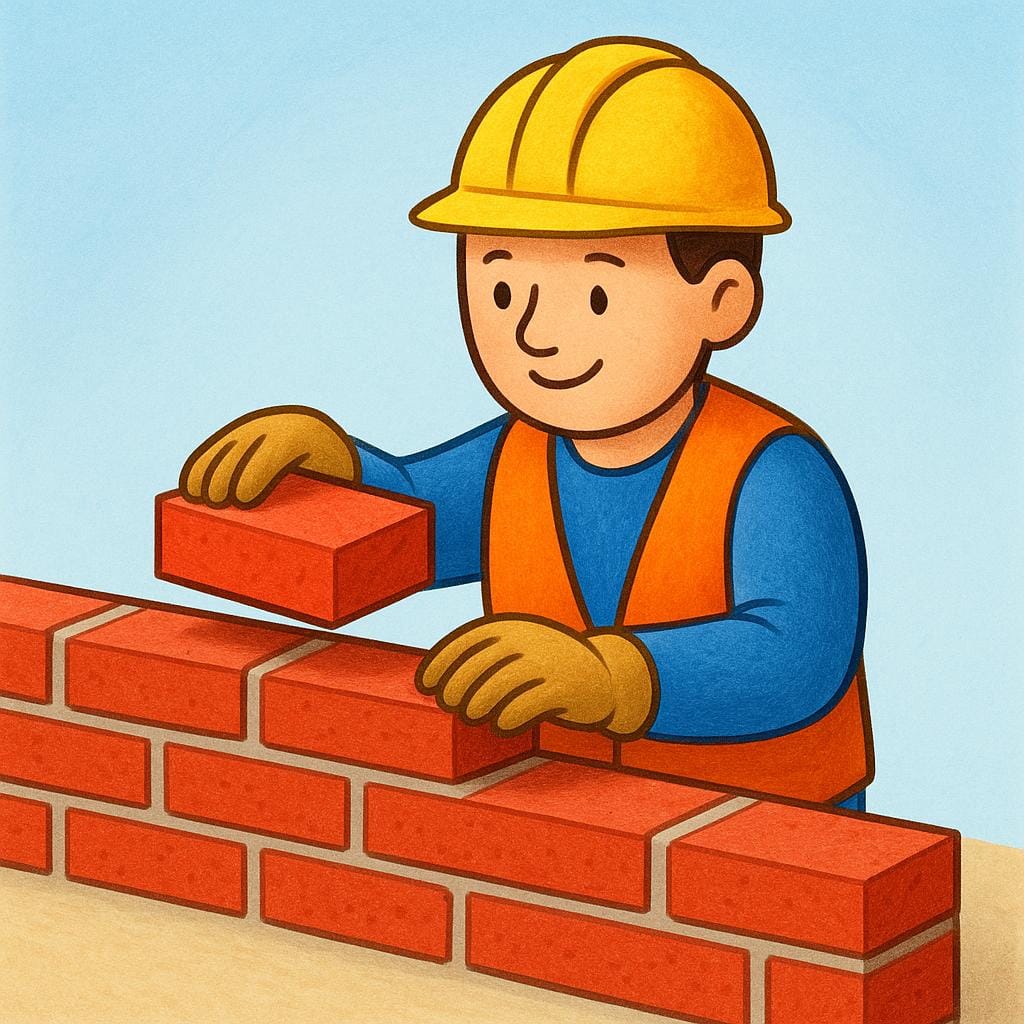
Están construyendo un nuevo hospital en el centro.
They are building a new hospital downtown.
Mi abuelo construyó esta casa con sus propias manos.
My grandfather built this house with his own hands.
The 'Y' Irregularity
In most forms where the stress falls on the stem, the 'i' changes to 'y' (i.e., construyo, construye). This happens because the 'i' is between two vowels (e.g., constru-i-endo) or at the end of a syllable, creating a 'y' sound.
Missing the 'Y' sound
Mistake: “Using *construio* instead of *construyo*.”
Correction: Remember the 'y' sound in the *yo* form: *construyo*. This pattern is common in '-uir' verbs like *huir* (to flee) and *incluir* (to include).
levantar
leh-vahn-tarleβanˈtaɾ
Examples
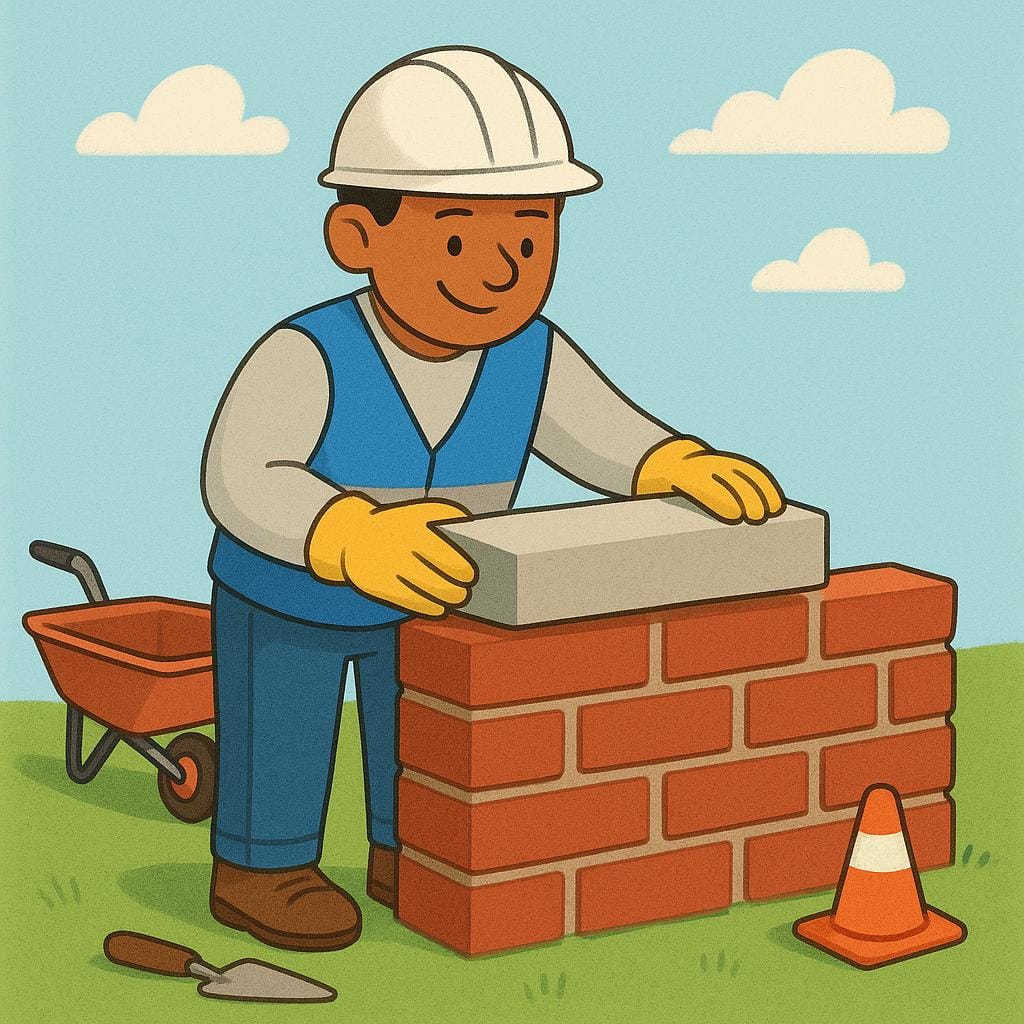
Los obreros levantaron el nuevo edificio en solo seis meses.
The workers built the new building in only six months.
El gobierno necesita levantar más fondos para el proyecto social.
The government needs to raise more funds for the social project.
El director decidió levantar la prohibición de usar móviles.
The director decided to lift (abolish) the ban on using cell phones.
Figurative Use
This meaning extends the idea of 'lifting' something physical to 'lifting' a structure, a sum of money, or a restriction.
recto
REK-tohˈrek.to

Examples
Para llegar a mi casa, sigue este camino recto.
To get to my house, follow this straight path.
Tienes que sentarte recto para que no te duela la espalda.
You have to sit up straight so your back doesn't hurt.
La carretera es totalmente recta por muchos kilómetros.
The highway is completely straight for many kilometers.
Adjective Agreement
Like most Spanish adjectives, 'recto' must change its ending to match the noun it describes. If the noun is feminine (like 'línea'), use 'recta'.
Using the wrong form for feminine nouns
Mistake: “La línea es recto.”
Correction: La línea es recta. (The line is straight.)
Confusing building with being straight
Related Translations
Learn Spanish with Inklingo
Interactive stories, personalized learning, and more.