How to Say "stand up" in Spanish
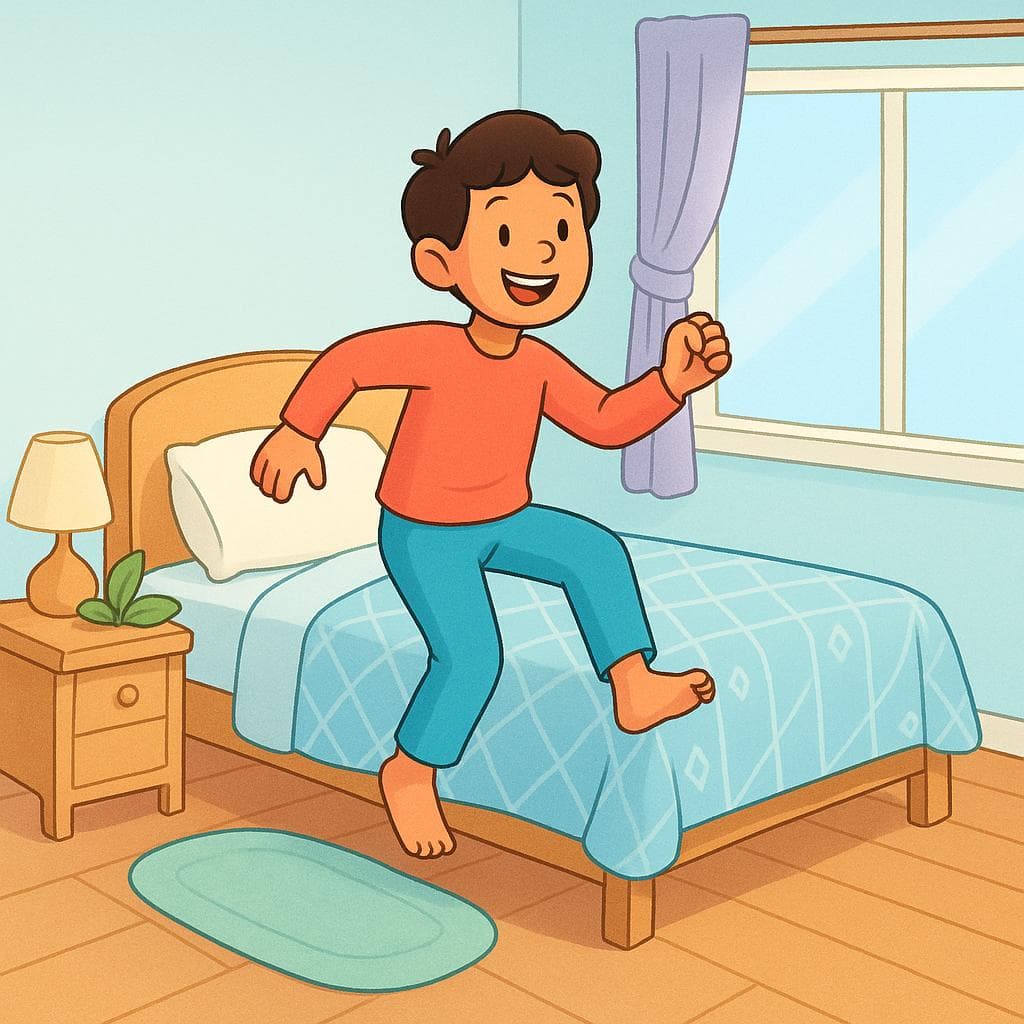
The most common Spanish word for “stand up” is “levántate” — use this when directly commanding one person to get up from a sitting or lying position.

levántate
leh-VHN-tah-tehleˈβanta.te

Examples
¡Levántate! Ya es tarde.
Get up! It's already late.
¡Levántate! Ya son las diez y el desayuno está listo.
Get up! It's already ten and breakfast is ready.
Por favor, levántate para que pueda limpiar debajo de tu silla.
Please, stand up so I can clean under your chair.
Si te caes, levántate de inmediato y sigue intentándolo.
If you fall down, get up immediately and keep trying.
Command Structure (Affirmative Tú)
This word is a single command. It combines the 'tú' command form of the verb ('levanta') and the 'tú' reflexive pronoun ('te'), attaching the pronoun directly to the end.
The Accent Mark
The written accent (tílde) on the 'á' is required. When a pronoun is added to an affirmative command, the original stress of the verb must be kept, forcing an accent mark on the third-to-last syllable.
Reflexive Action
It comes from the verb 'levantarse' (to lift oneself). The 'te' means you are doing the action to yourself (you are lifting yourself up).
Forgetting the Pronoun
Mistake: “Levanta”
Correction: Levántate. 'Levanta' alone means 'Lift it!' or 'He/She lifts.' If you want someone to lift *themselves*, you need the 'te'.
Misplacing the Pronoun
Mistake: “Te levanta”
Correction: Levántate. When giving a positive command, the small action word ('te') must always be attached to the end of the verb.
párate
Examples
Párate de esa silla, por favor.
Stand up from that chair, please.
levantar
leh-vahn-tarleβanˈtaɾ
Examples
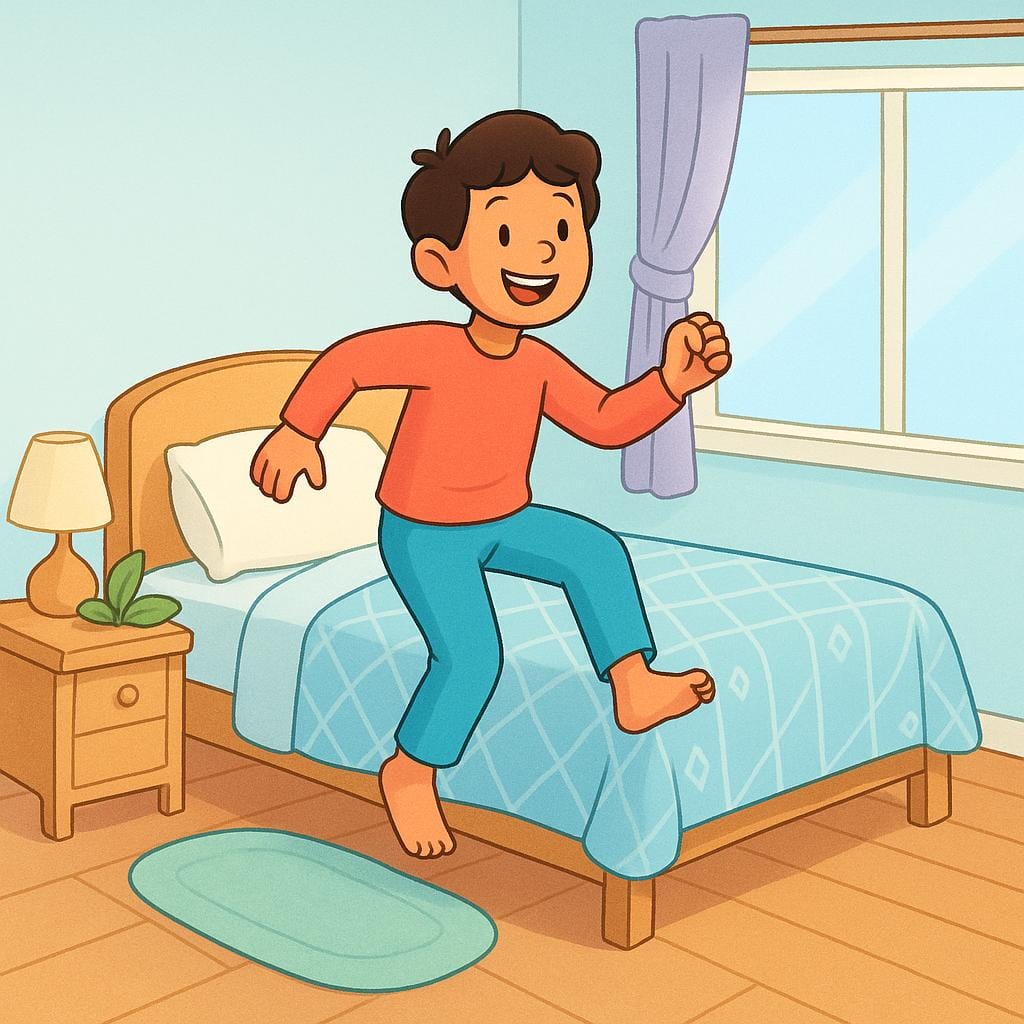
Siempre me levanto a las seis de la mañana.
I always get up at six in the morning.
Cuando entró el jefe, todos se levantaron.
When the boss came in, everyone stood up.
¿Por qué no te has levantado todavía?
Why haven't you gotten up yet?
The Reflexive 'Se'
When you use 'levantarse,' the 'se' (or 'me, te, nos,' etc.) tells you that the person performing the action is also the one receiving it (you are lifting yourself).
Forgetting the Reflexive Pronoun
Mistake: “Yo levanto a las ocho. (I lift [something] at eight.)”
Correction: Yo me levanto a las ocho. (I get myself up at eight.)
levanten
leh-BAHN-tehnleˈβanten
Examples
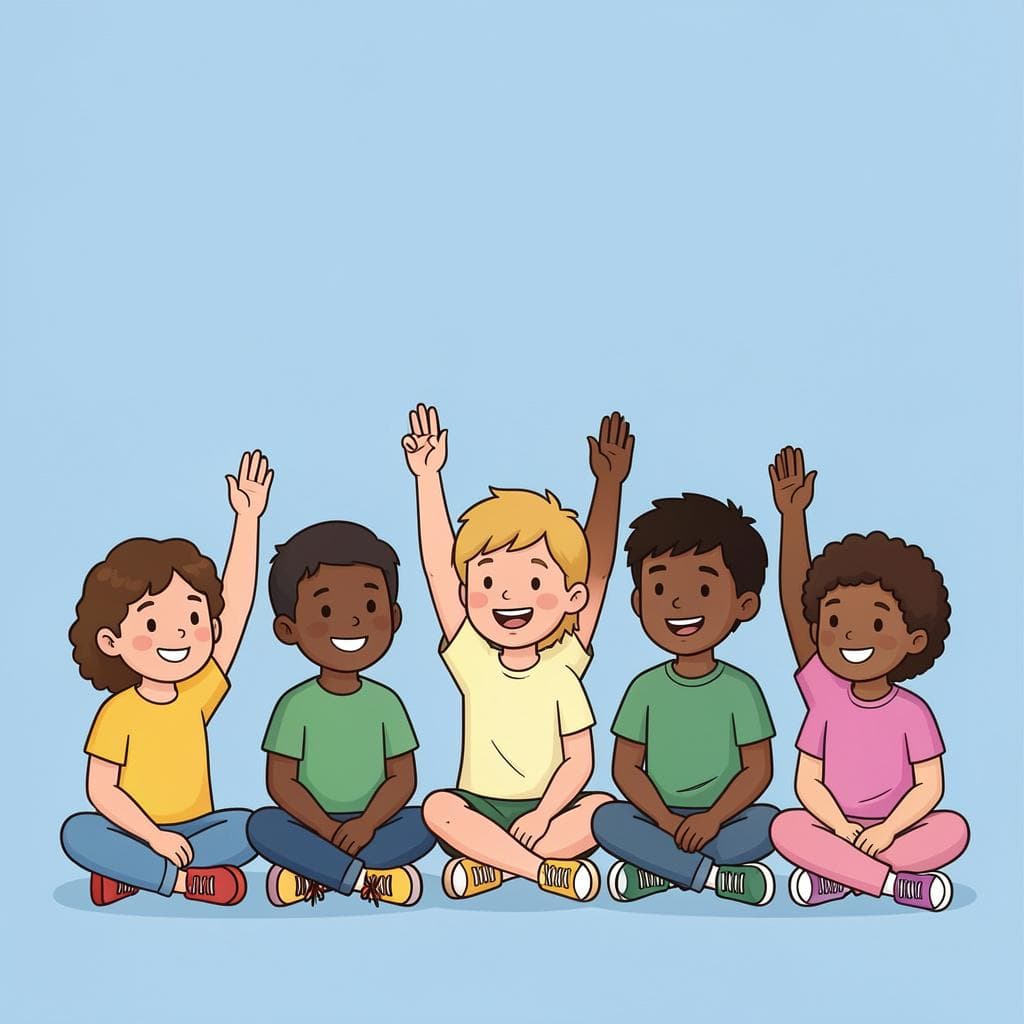
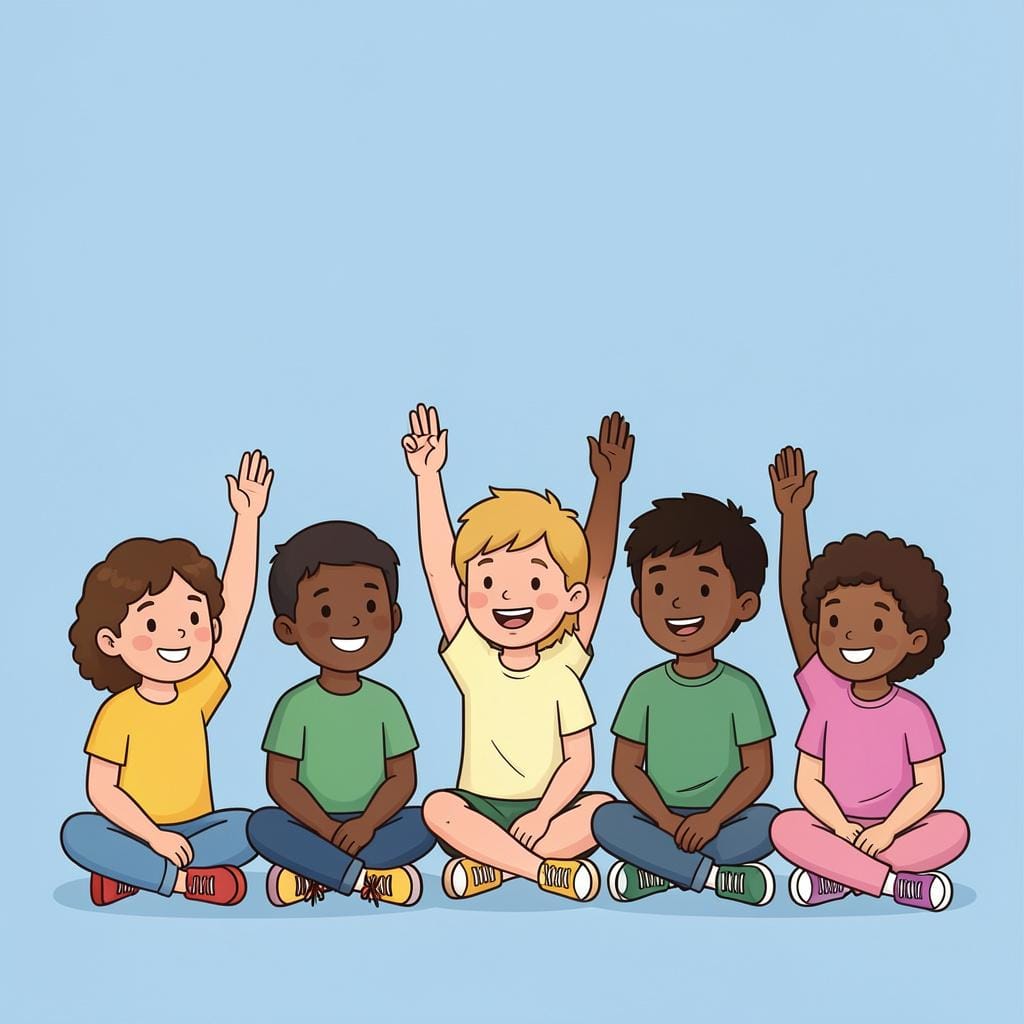
Por favor, levanten la mano si tienen una pregunta.
Please, raise your hand if you have a question.
Quiero que levanten sus juguetes antes de salir.
I want you all to pick up your toys before going out.
Espero que ellos levanten el muro pronto.
I hope they build the wall soon.
Two Roles for 'Levanten'
This word works as a direct command for a group ('Levanten las manos!') and also in sentences where you express a wish ('Espero que levanten las cajas').
Addressing Groups
Use 'levanten' when talking to two or more people. In Latin America, this is used for any group; in Spain, it's the polite/formal way to address a group.
Levantan vs. Levanten
Mistake: “Using 'levantan' for a command.”
Correction: Say '¡Levanten!' for a command. 'Levantan' (with an 'a') is just a statement of fact, like 'they are lifting right now.'
Command vs. General Action
Learn Spanish with Inklingo
Interactive stories, personalized learning, and more.