alzar
“alzar” means “to lift” in Spanish. It has 3 different meanings depending on context:

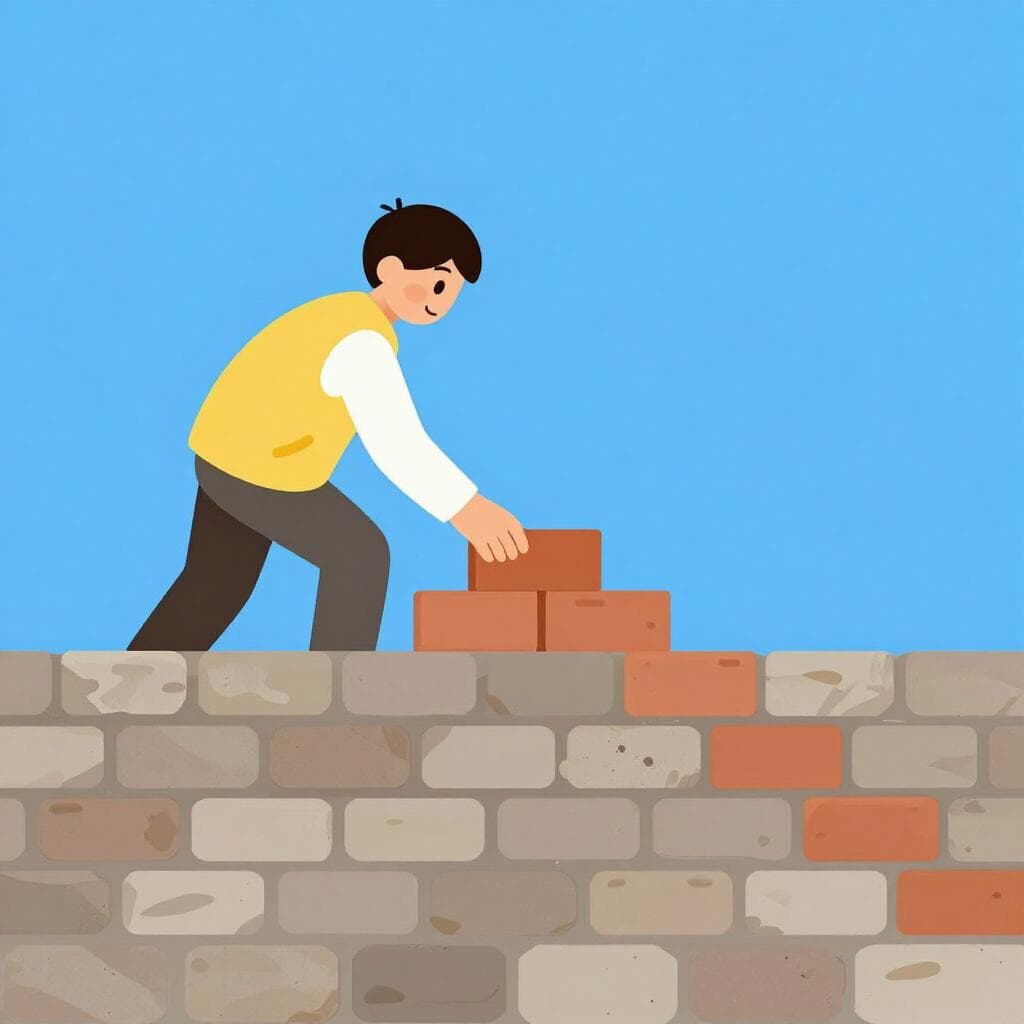

to lift, to raise
Also: to pick up
📝 In Action
Él alzó la maleta pesada con una mano.
A2He lifted the heavy suitcase with one hand.
Por favor, alza la mano si tienes una pregunta.
A1Please, raise your hand if you have a question.
No es necesario alzar la voz; te escucho bien.
B1It is not necessary to raise your voice; I can hear you well.
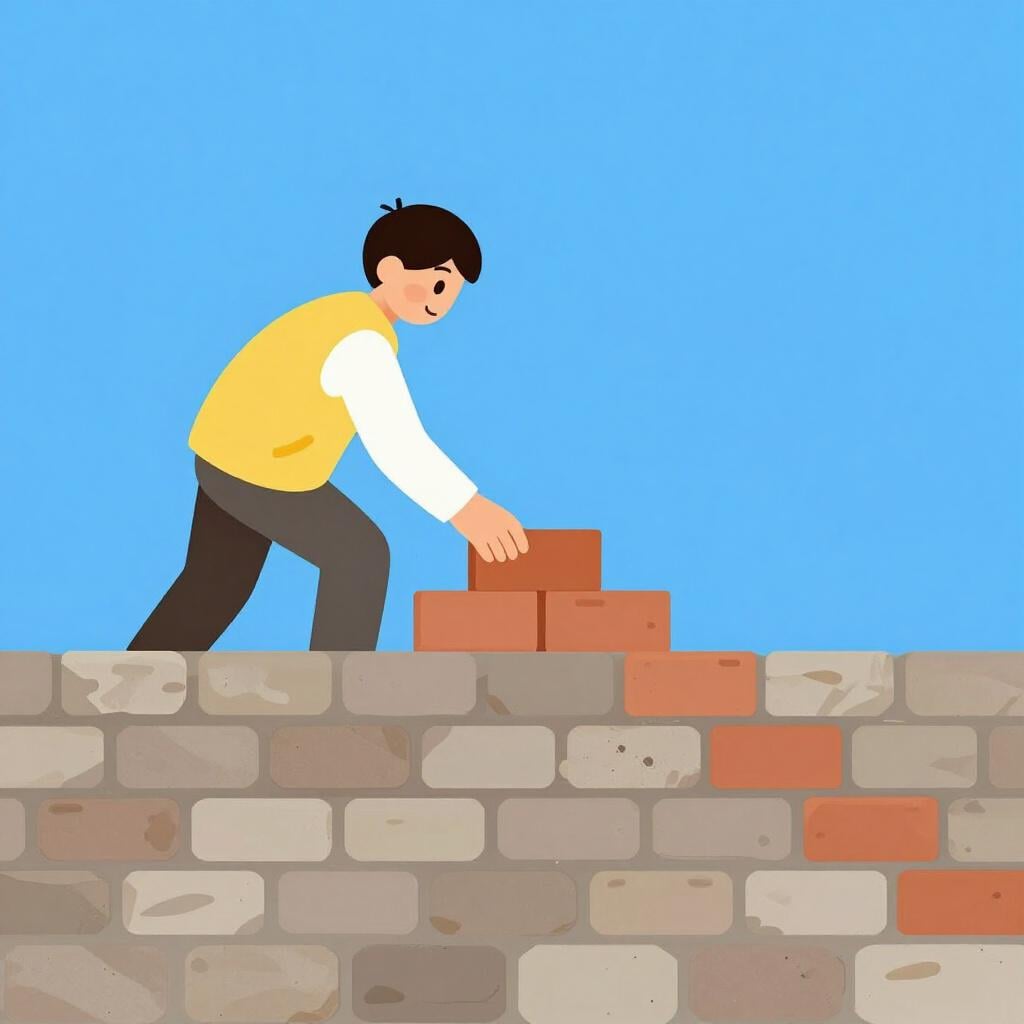
to build, to erect
📝 In Action
El rey decidió alzar un muro alrededor de la ciudad.
B2The king decided to build a wall around the city.
Alzaron una estatua en honor al héroe local.
B2They erected a statue in honor of the local hero.
Es difícil alzar un edificio en este terreno tan blando.
C1It is difficult to erect a building on such soft ground.
to rise up, to stand out
Also: to rebel
📝 In Action
El pueblo se alzó contra el dictador.
C1The people rose up against the dictator.
La montaña se alza majestuosa sobre el valle.
B2The mountain rises majestically above the valley.
Se alzaron en armas para defender su tierra.
C1They took up arms (rose up in arms) to defend their land.
Subjunctive
Imperfect Subjunctive
Present Subjunctive
Indicative
Preterite
Imperfect
Present
🔀 Commonly Confused With
Translate to Spanish
✏️ Quick Practice
Quick Quiz: alzar
Question 1 of 3
Which form of 'alzar' is correct for 'I lifted' (past tense)?
📚 More Resources
👥 Word Family▼
📚 Etymology▼
From the Latin word 'altiare', which comes from 'altus', meaning 'high'. It shares the same root as the English word 'altitude'.
First recorded: 12th century
Cognates (Related words)
💡 Master Spanish
Take your Spanish to the next level. Read 200+ illustrated and narrated Spanish stories tailored to your level with the Inklingo app!
Frequently Asked Questions
Is 'alzar' the same as 'levantar'?
Yes, they are very similar and often interchangeable. However, 'alzar' is slightly more formal. You would use 'levantar' for everyday things like 'picking up a pencil' and 'alzar' for more significant things like 'raising a flag'.
Why does the 'z' change to 'c' in some forms?
In Spanish spelling rules, a 'z' is almost never followed by an 'e' or an 'i'. When a verb ending starts with those letters, the 'z' swaps for a 'c' to keep the same sound.
Can I use 'alzar' to mean 'to get up' from bed?
No, you should use 'levantarse' for getting out of bed. 'Alzar' is more about the physical action of lifting something or rising up in a more grand sense.