How to Say "handle" in Spanish
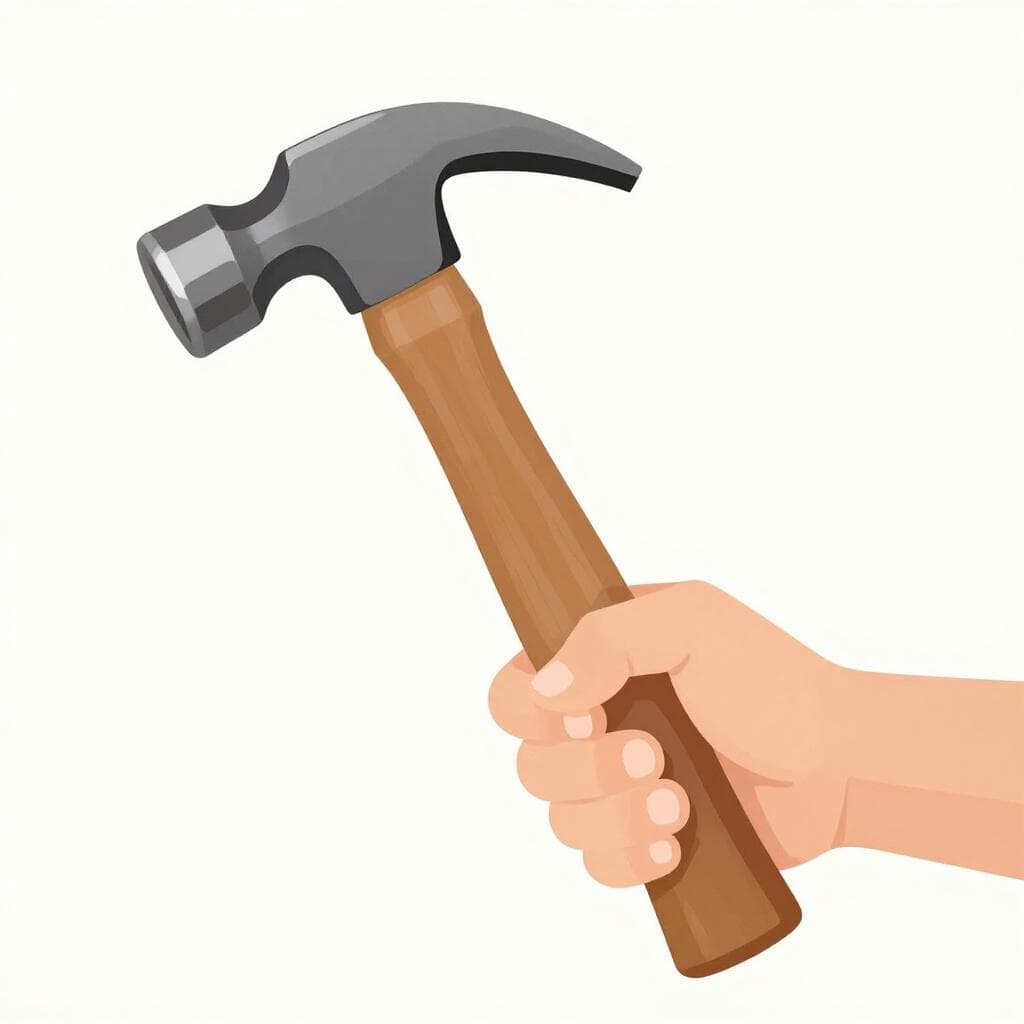
The most common Spanish word for “handle” is “mango” — use this for the grip of a tool, utensil, or piece of equipment, like a frying pan, a knife, or a broom.

mango
mahn-gohˈmaŋɡo
Examples
El mango del cepillo de dientes es ergonómico.
The handle of the toothbrush is ergonomic.
Ten cuidado, el mango de la sartén quema.
Be careful, the frying pan handle is hot.
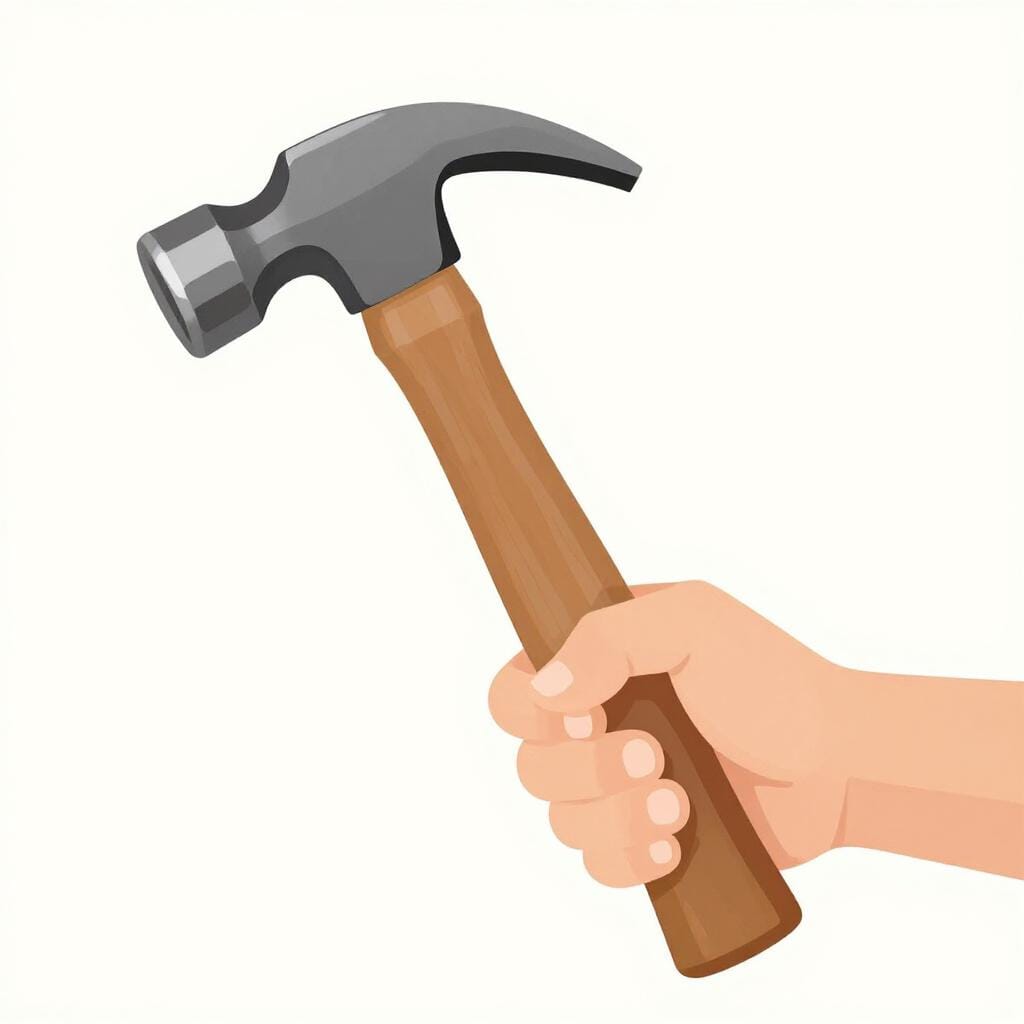
Sujeta el martillo por el mango.
Hold the hammer by the handle.
Se rompió el mango de madera del hacha.
The wooden handle of the axe broke.
Mango vs. Asa
Use 'mango' for long handles (like tools or pans) and 'asa' for curved handles (like on a coffee mug or a suitcase).
Gender remains the same
Mistake: “La manga del martillo.”
Correction: El mango del martillo. Even when referring to a tool part, it is always masculine.
tirador
tee-rah-DORti.ɾaˈðoɾ
Examples
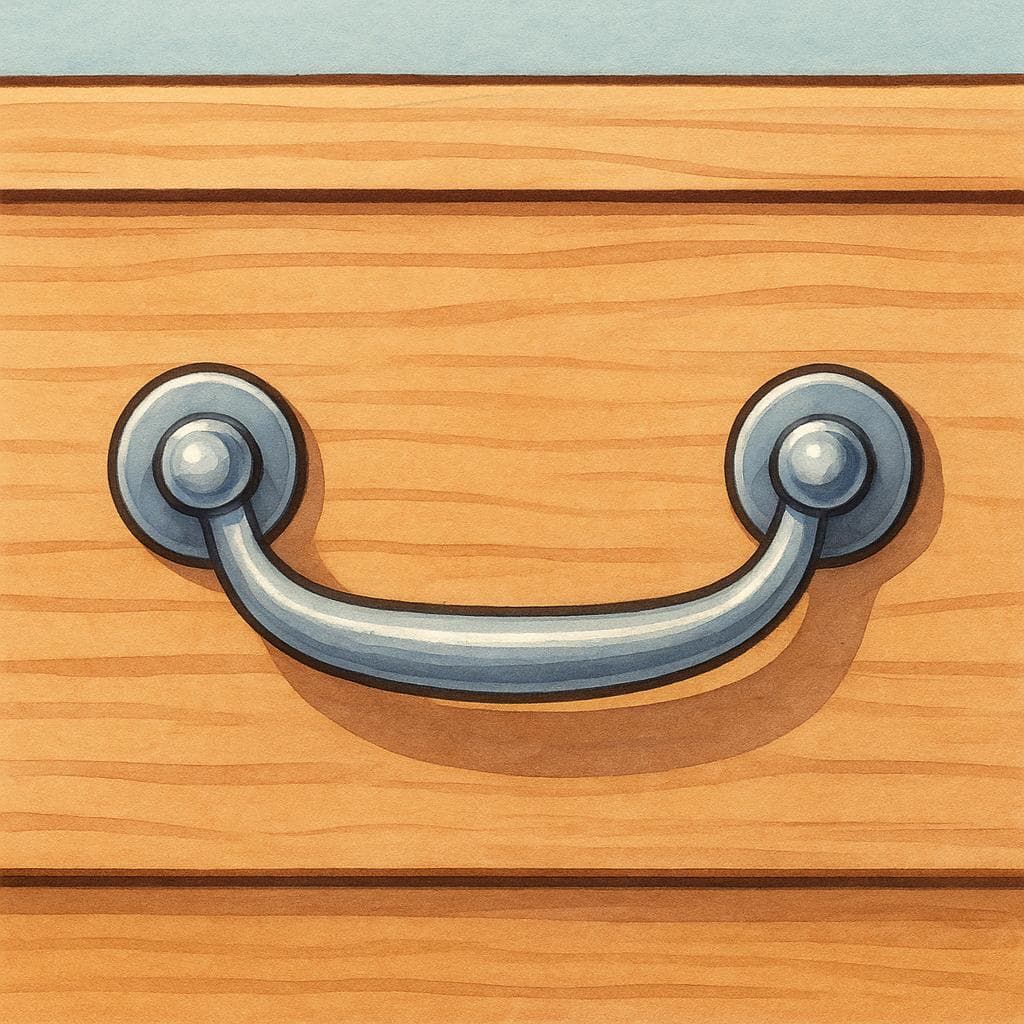
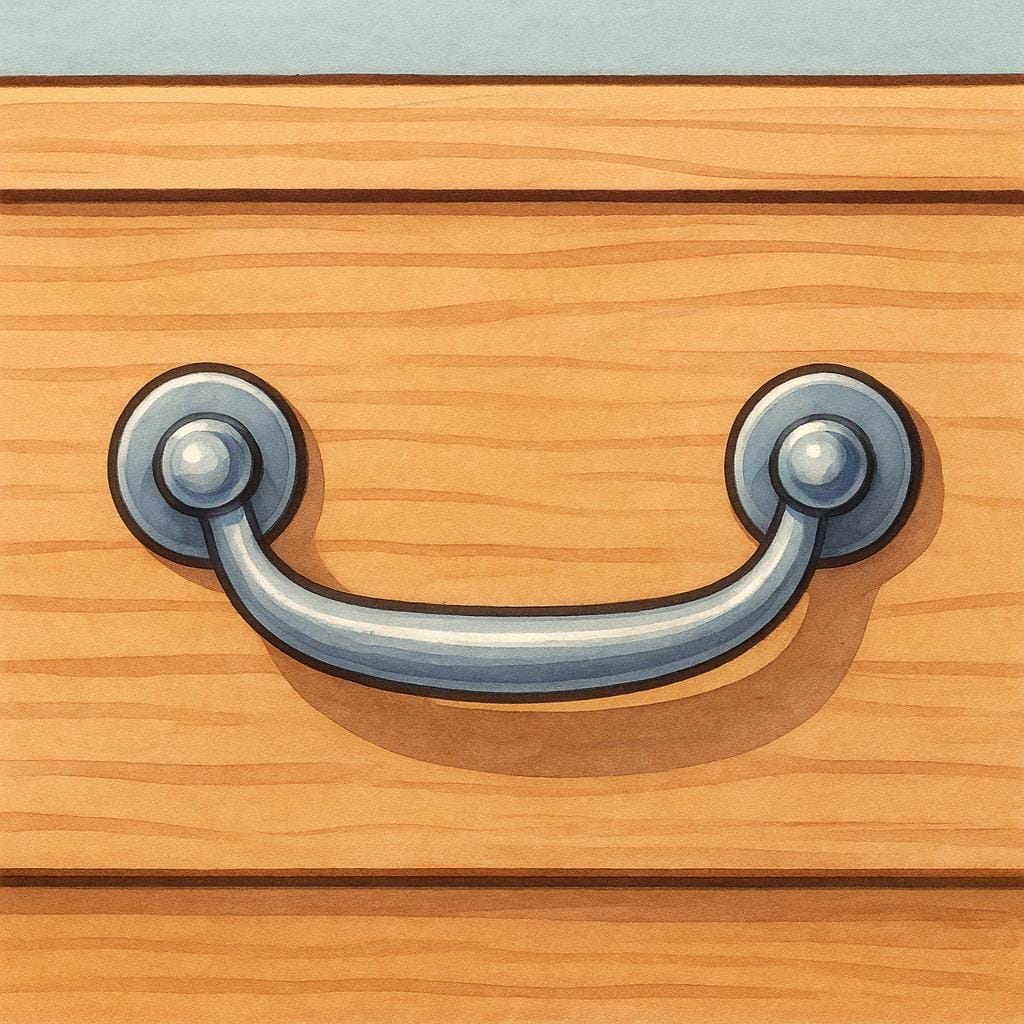
Se me ha caído el tirador del cajón.
The handle of the drawer has fallen off.
El tirador de la cómoda se salió, necesito pegarlo.
The drawer pull on the dresser came off; I need to glue it.
Gira el tirador para abrir la puerta de la alacena.
Turn the handle to open the cupboard door.
Masculine Noun
Since 'tirador' ends in '-or', it is a masculine noun and requires the masculine article 'el' or 'un'.
Examples
Debes tratar a todos con amabilidad.
You should treat everyone with kindness.
mando
mahn-dohˈman.do
Examples
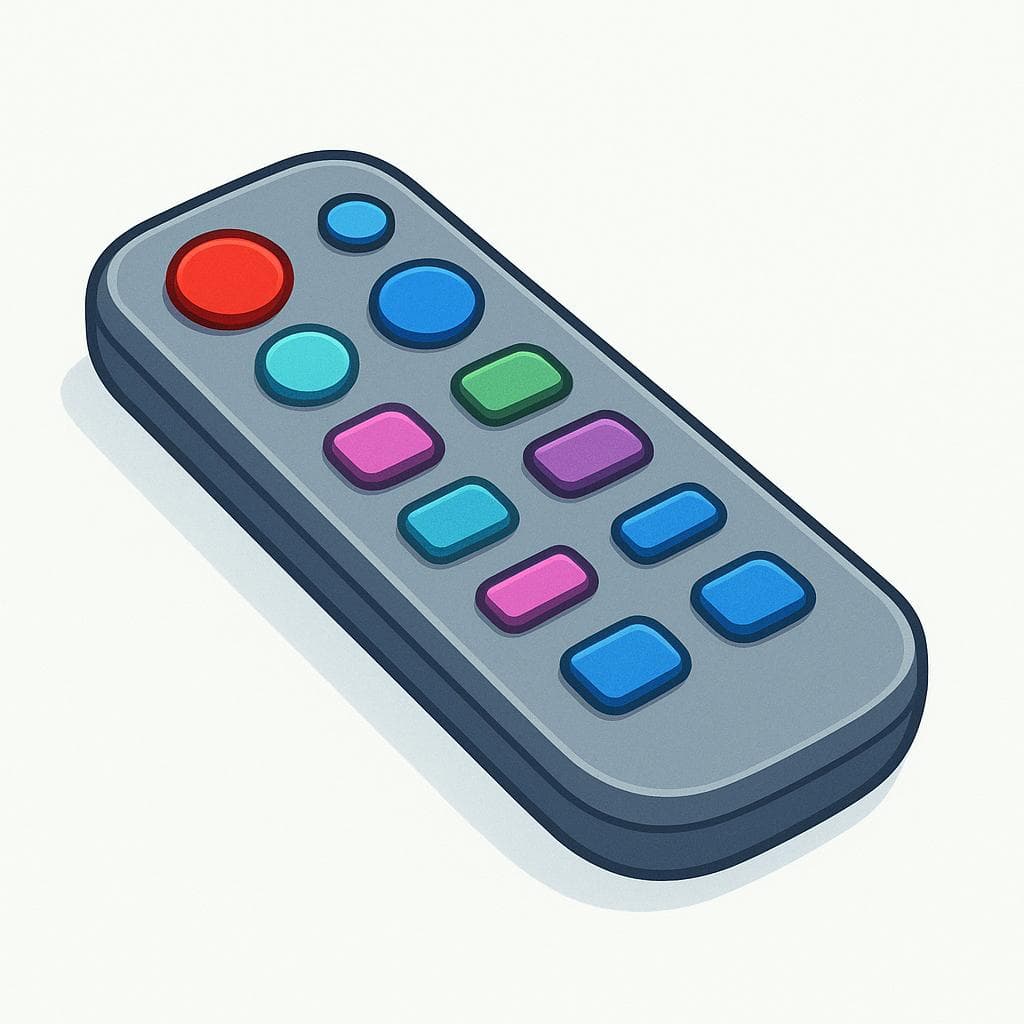
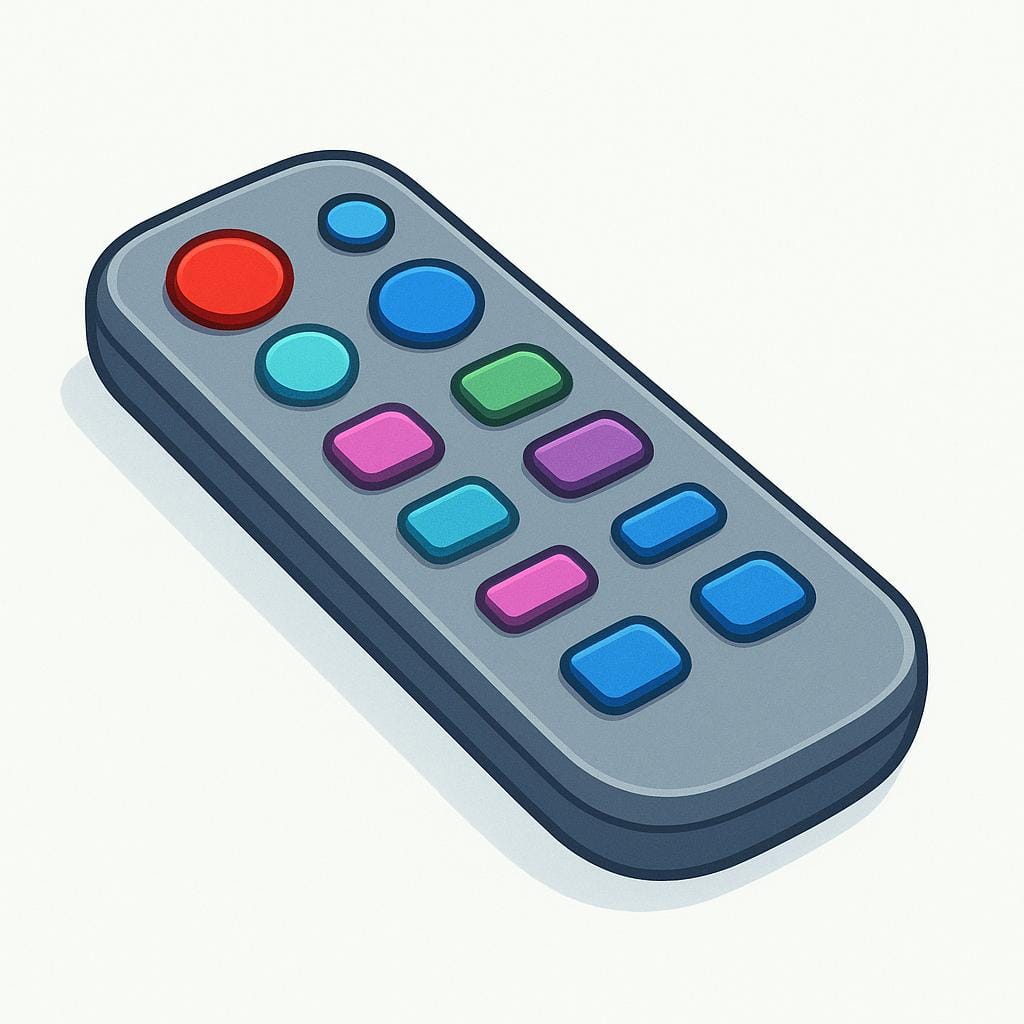
El mando a distancia no funciona.
The remote control handle doesn't work.
¿Puedes pasarme el mando de la televisión?
Can you pass me the TV remote?
Mi hijo rompió el mando de la consola al perder la partida.
My son broke the game controller when he lost the match.
Mando vs. Control
While 'control remoto' is understood, in Spain and parts of Latin America, 'mando' is the much more common and casual way to refer to the device you hold.
Using 'mando' for general control
Mistake: “No tengo mando sobre mis emociones.”
Correction: Say 'No tengo control sobre mis emociones.' Use 'mando' only for physical devices or organizational authority.
palanca
pah-LAHN-kahpaˈlaŋka
Examples
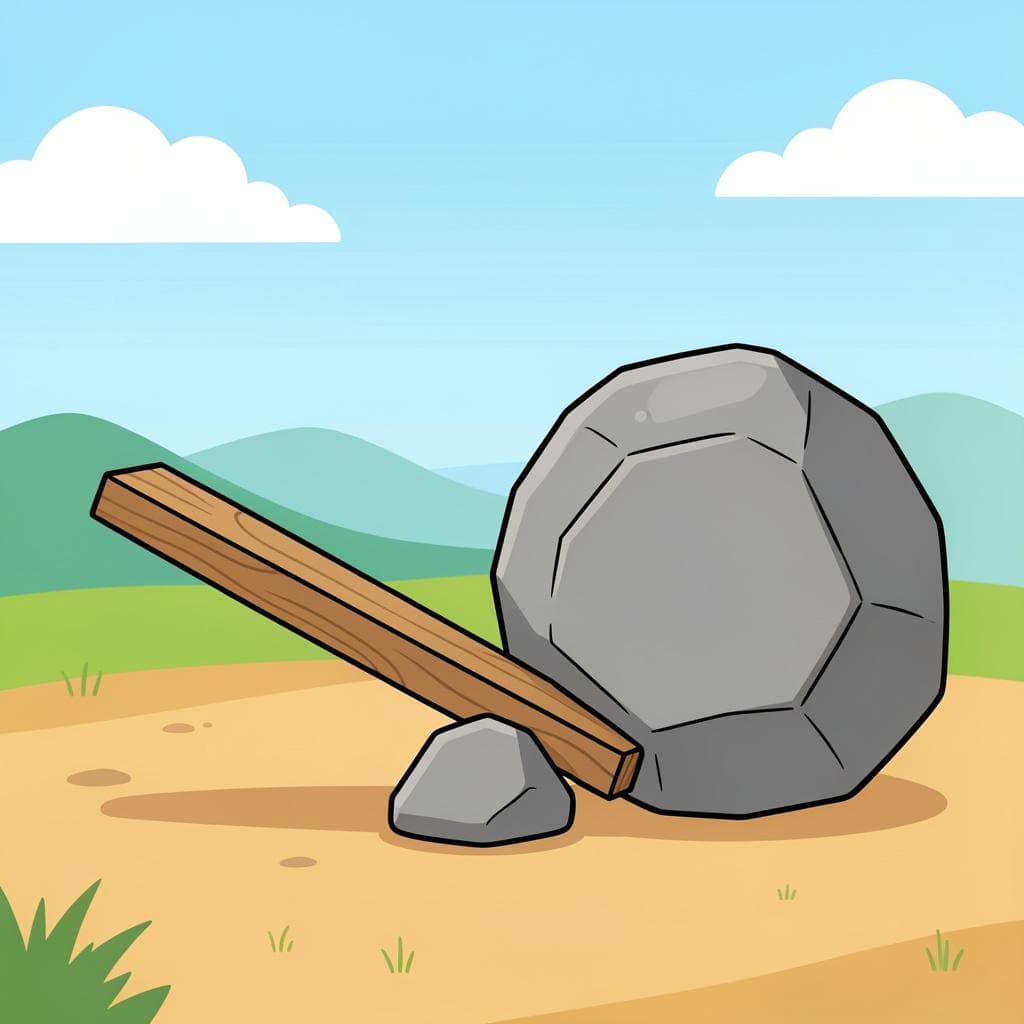
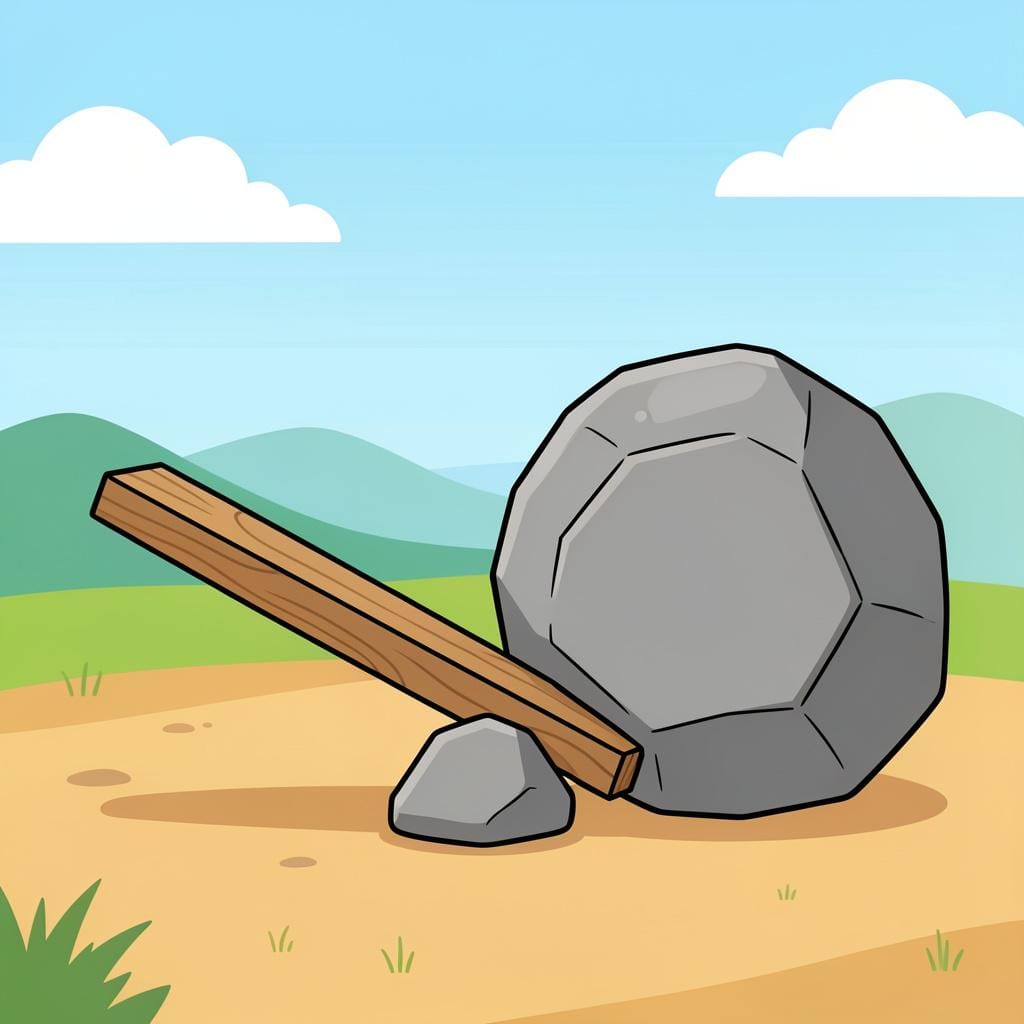
Usamos una palanca para levantar el coche.
We used a lever to lift the car.
Necesitamos una palanca para mover esta piedra tan pesada.
We need a lever to move this very heavy stone.
Tira de la palanca para activar la máquina.
Pull the lever to activate the machine.
Gender Check
Even though it ends in 'a', this word follows the standard rule and is feminine: 'la palanca'.
cabo
KAH-bohˈkaβo
Examples
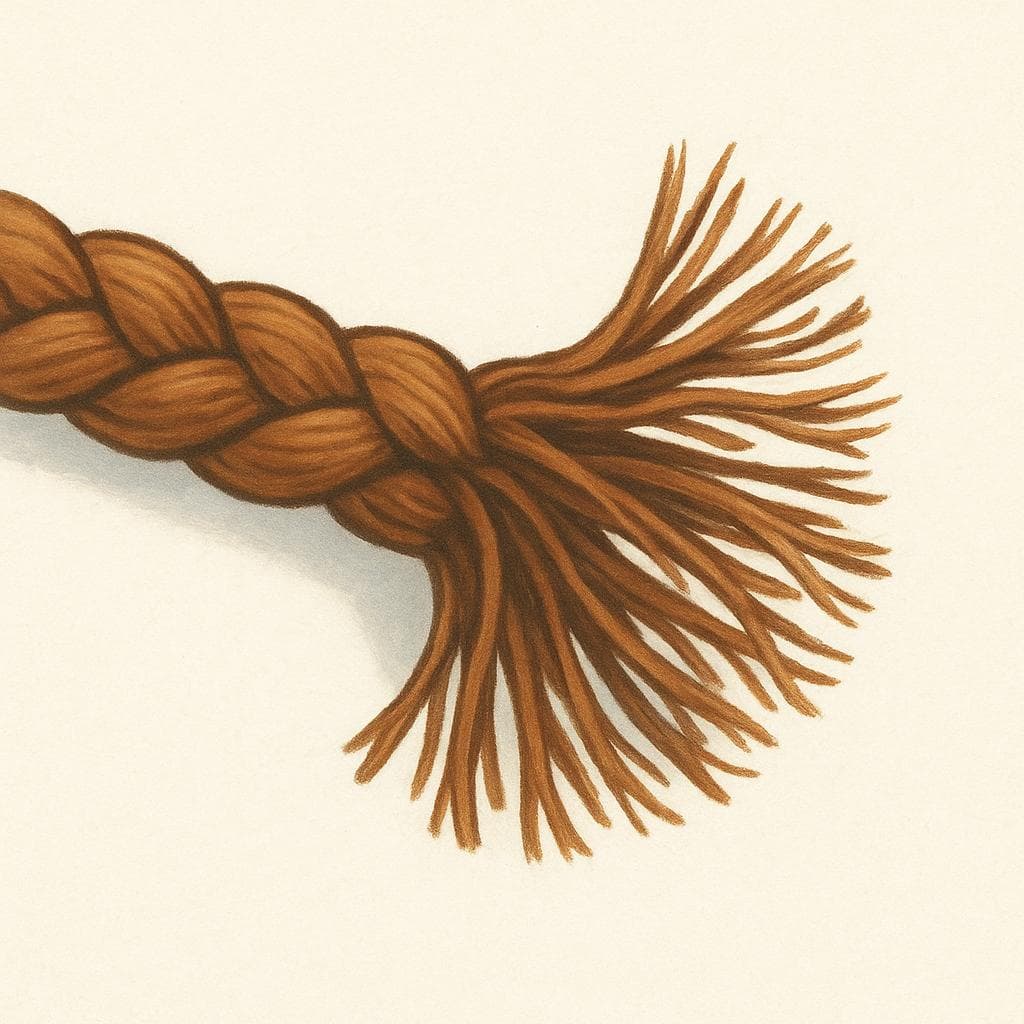
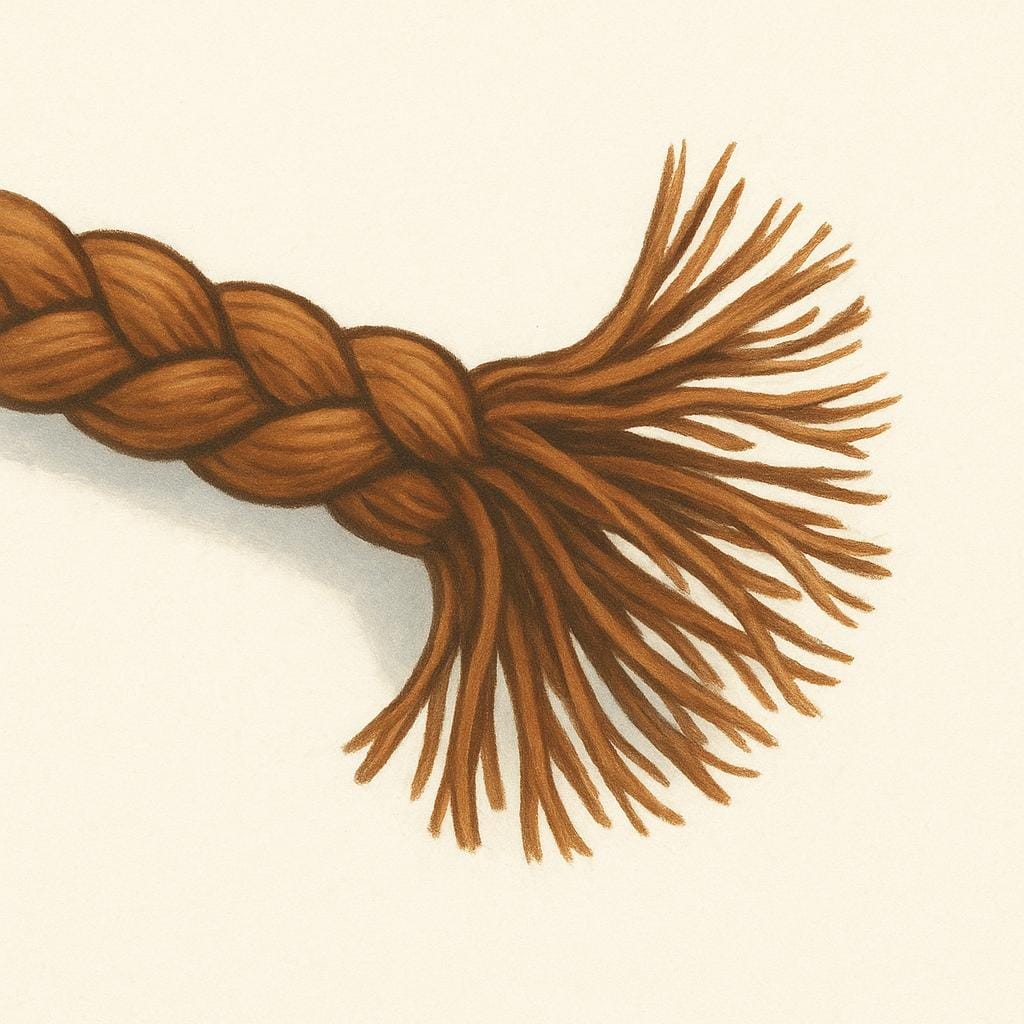
Sujeta firmemente el cabo de la cuerda.
Hold the end of the rope firmly.
Por fin pudimos atar el cabo de la cuerda.
We were finally able to tie the end of the rope.
El cabo del martillo se rompió.
The handle of the hammer broke.
Al cabo de dos horas, llegaron a la cima.
After two hours, they reached the summit. (Meaning: 'At the end of two hours')
Using 'al cabo de'
Use this phrase followed by a period of time to mean 'after' or 'at the end of that time.' Example: 'Al cabo de un mes...' (After one month...).
Confusing 'cabo' and 'fin'
Mistake: “Using 'el fin' when you mean completing a task, like 'llevó a fin el proyecto.'”
Correction: Use the set phrase 'llevar a cabo' when talking about successfully executing a plan or project: 'Llevó a cabo el proyecto.' (He carried out the project.)
oreja
oh-REH-hahoˈɾexa
Examples
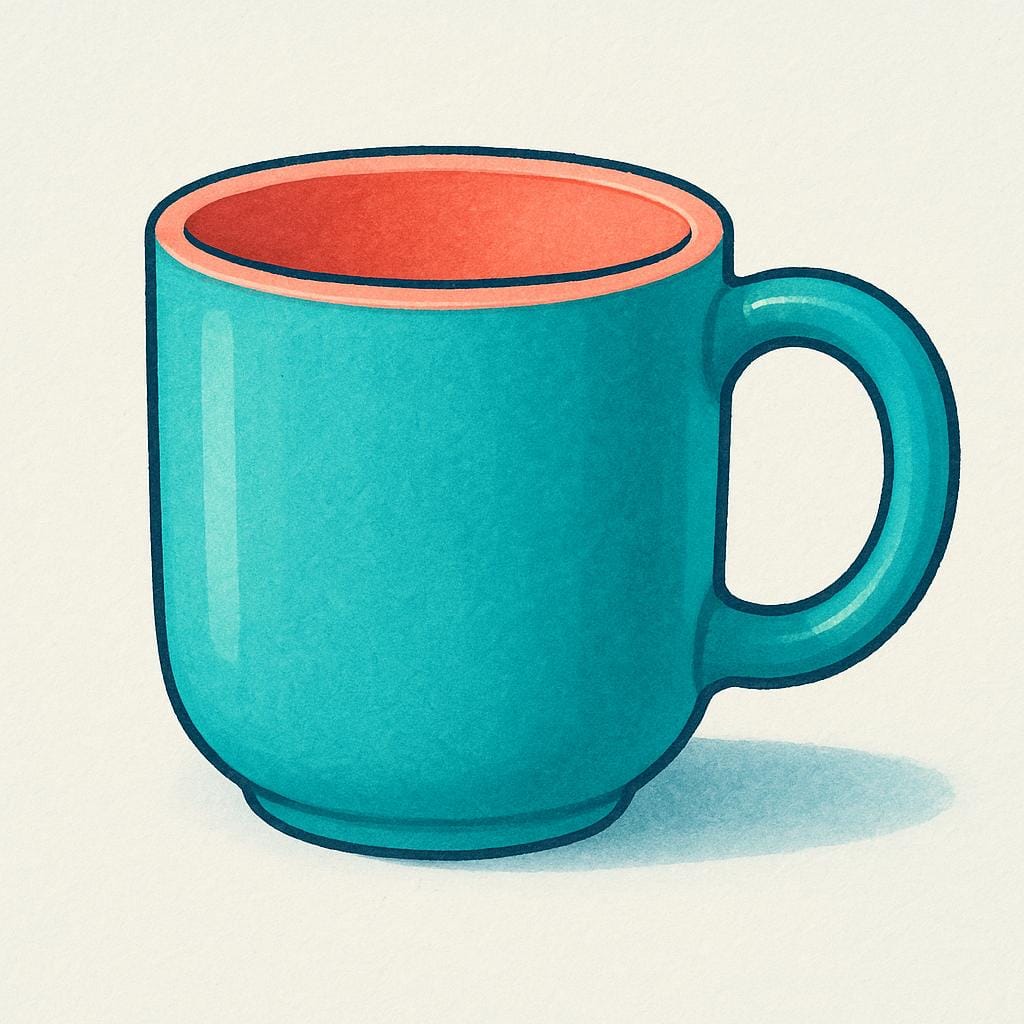
Me quemé la mano con la oreja de la taza.
I burned my hand on the handle of the cup.
Se me rompió la oreja de la taza de café.
The handle of my coffee cup broke off.
Las cestas tienen una oreja fuerte para colgarlas.
The baskets have a strong loop/handle to hang them up.
traten
TRAH-tehnˈtɾaten
Examples
Espero que traten bien a los clientes.
I hope they treat the customers well.
Espero que traten bien a la nueva empleada.
I hope they treat the new employee well.
No traten los libros con descuido.
Don't handle the books carelessly.
Subjunctive for Wishes
We use 'traten' (the special form) after words like 'espero que' (I hope that) to show what we want others to do.
Noun vs. Verb Confusion
Related Translations
Learn Spanish with Inklingo
Interactive stories, personalized learning, and more.