mango
“mango” means “mango” in Spanish. It has 3 different meanings depending on context:
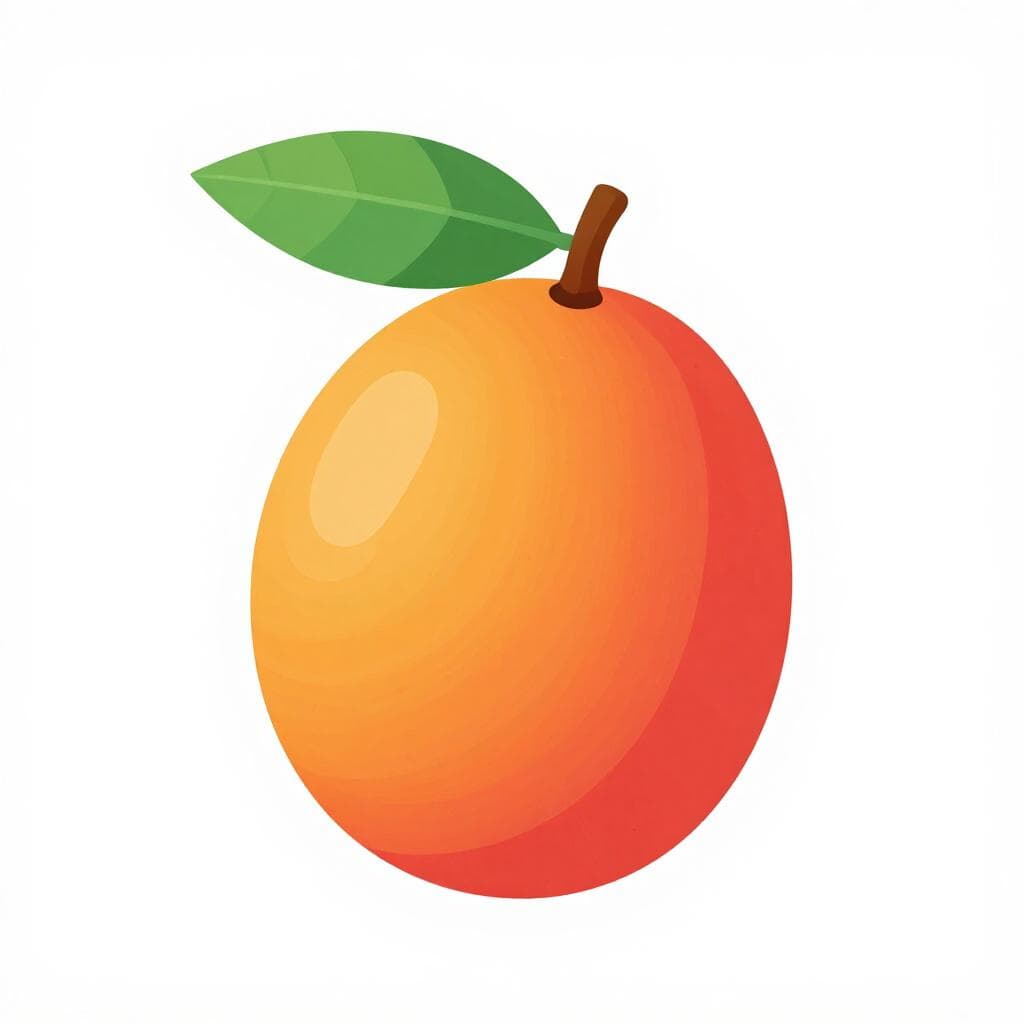


mangoAlso: mango tree
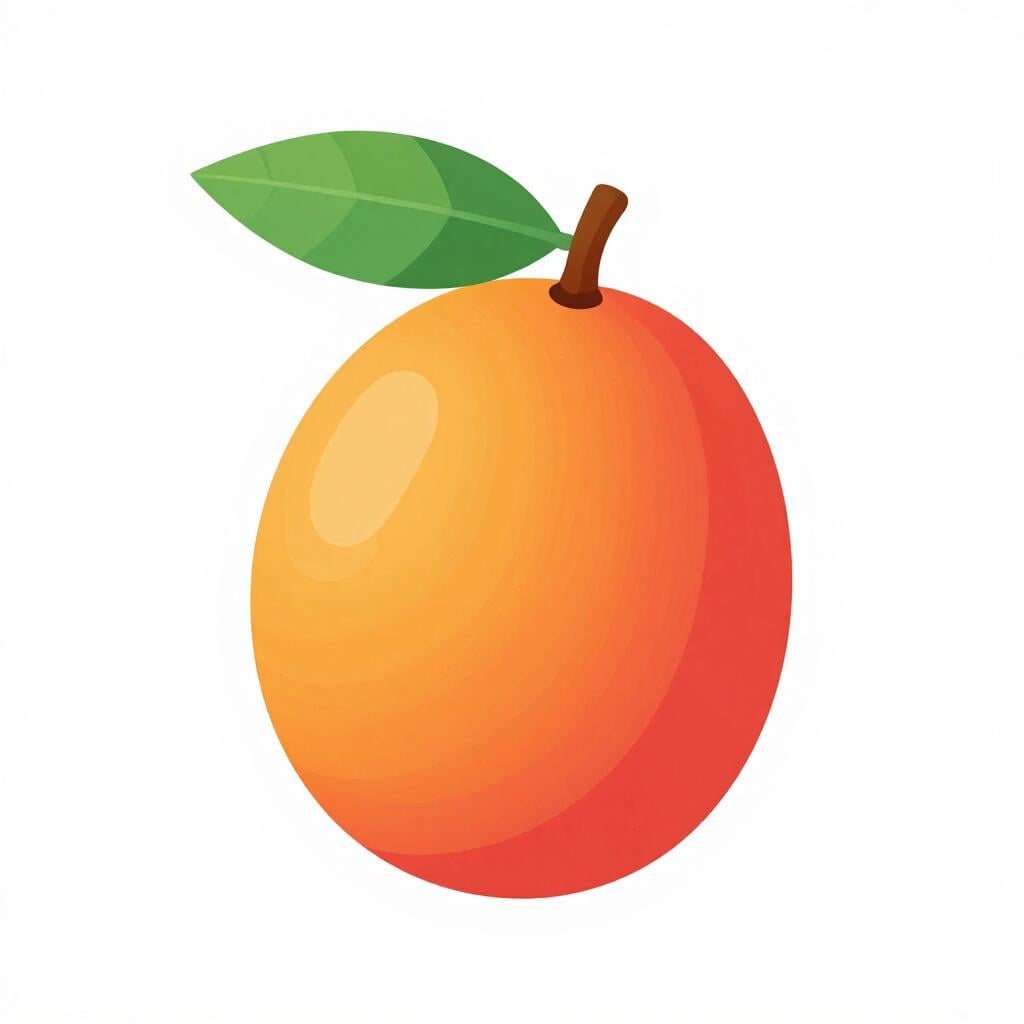
📝 In Action
Me encanta comer mango maduro en el desayuno.
A1I love eating ripe mango for breakfast.
Este jugo de mango está muy refrescante.
A2This mango juice is very refreshing.
Corta el mango en cubitos para la ensalada de frutas.
B1Cut the mango into small cubes for the fruit salad.
Word Connections
handleAlso: grip, hilt

📝 In Action
Ten cuidado, el mango de la sartén quema.
A2Be careful, the frying pan handle is hot.
Sujeta el martillo por el mango.
B1Hold the hammer by the handle.
Se rompió el mango de madera del hacha.
B2The wooden handle of the axe broke.

buckAlso: money, cent

📝 In Action
No tengo ni un mango para el autobús.
B2I don't have a single cent for the bus.
Ese teléfono me costó cincuenta mangos.
C1That phone cost me fifty bucks.
Laburo todo el día para ganar unos mangos.
C1I work all day to earn a few bucks.
Word Connections
Vocabulary Collections
Translate to Spanish
✏️ Quick Practice
Quick Quiz: mango
Question 1 of 3
If someone says 'No tengo ni un mango', what do they mean?
📚 More Resources
👥 Word Family
📚 Etymology
The fruit name comes from the Portuguese 'manga', which was borrowed from the Malay word 'mangga'. The meaning for 'handle' comes from the Latin 'manicus', related to 'manus' (hand).
First recorded: 16th century (fruit meaning), 13th century (handle meaning)
Cognates (Related words)
💡 Master Spanish
Take your Spanish to the next level. Read 200+ illustrated and narrated Spanish stories tailored to your level with the Inklingo app!
Frequently Asked Questions
What is the difference between 'mango' and 'manga'?
'Mango' (masculine) refers to the fruit, a tool handle, or slang for money. 'Manga' (feminine) usually means a sleeve of a garment or a Japanese comic book.
Is 'mango' used for money in Spain?
No, it is primarily used in Argentina and Uruguay. In Spain, 'pavo' is the more common slang for 'buck' or 'euro'.
How do you say 'mango tree'?
You can say 'el árbol de mango' or simply 'el mango' in some botanical contexts, though 'el manzano' is for apple, 'el mango' serves for both fruit and tree often.