How to Say "grip" in Spanish
The most common Spanish word for “grip” is “agarre” — use 'agarre' when referring to the physical ability to hold onto something, like the traction of shoes or a secure hold on an object.

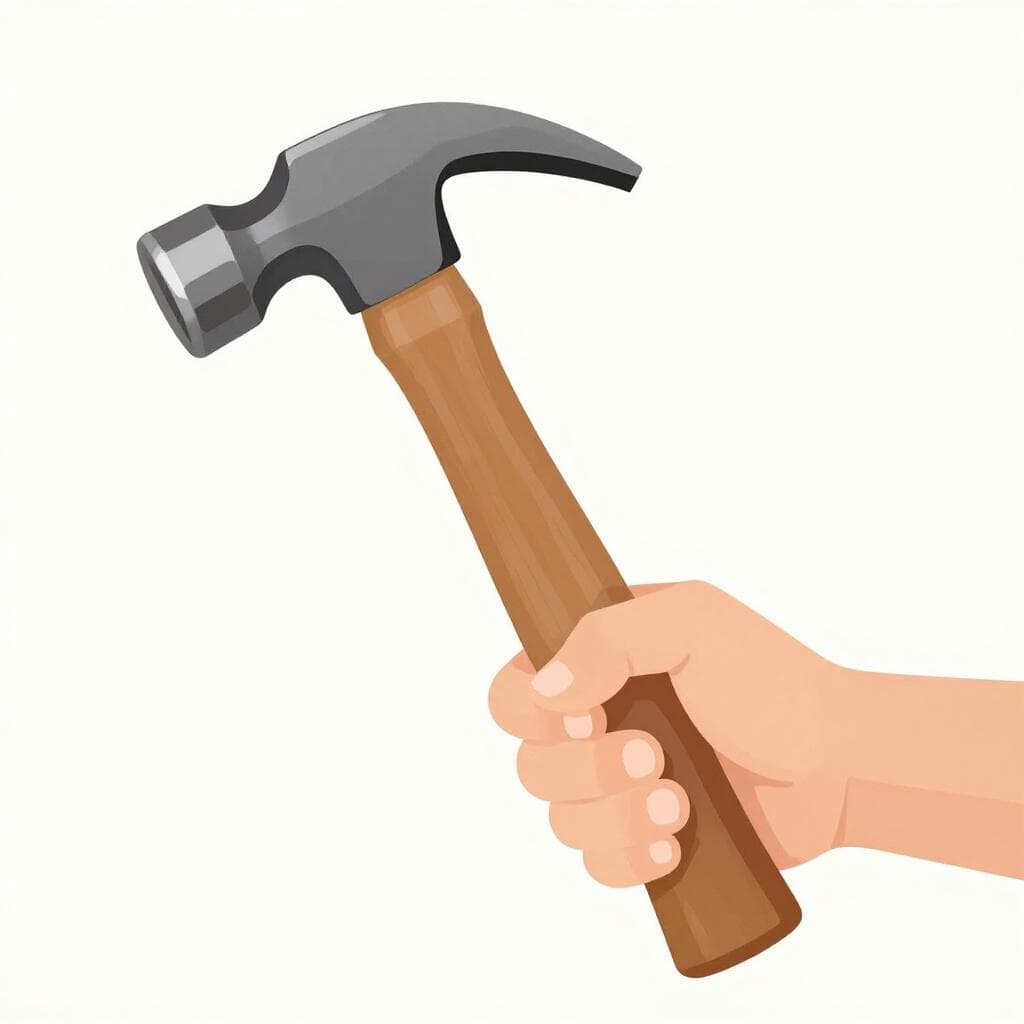
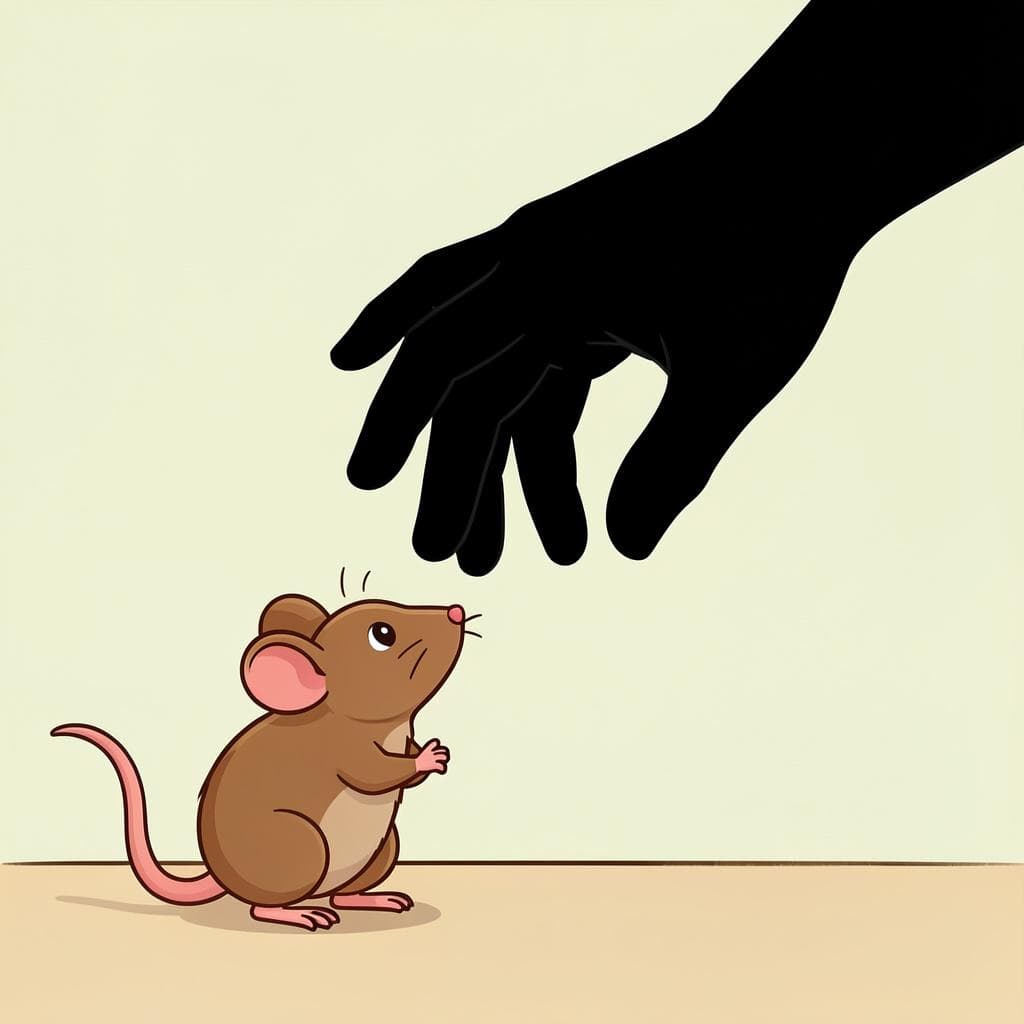
agarre
ah-GAH-rrehaˈɡare
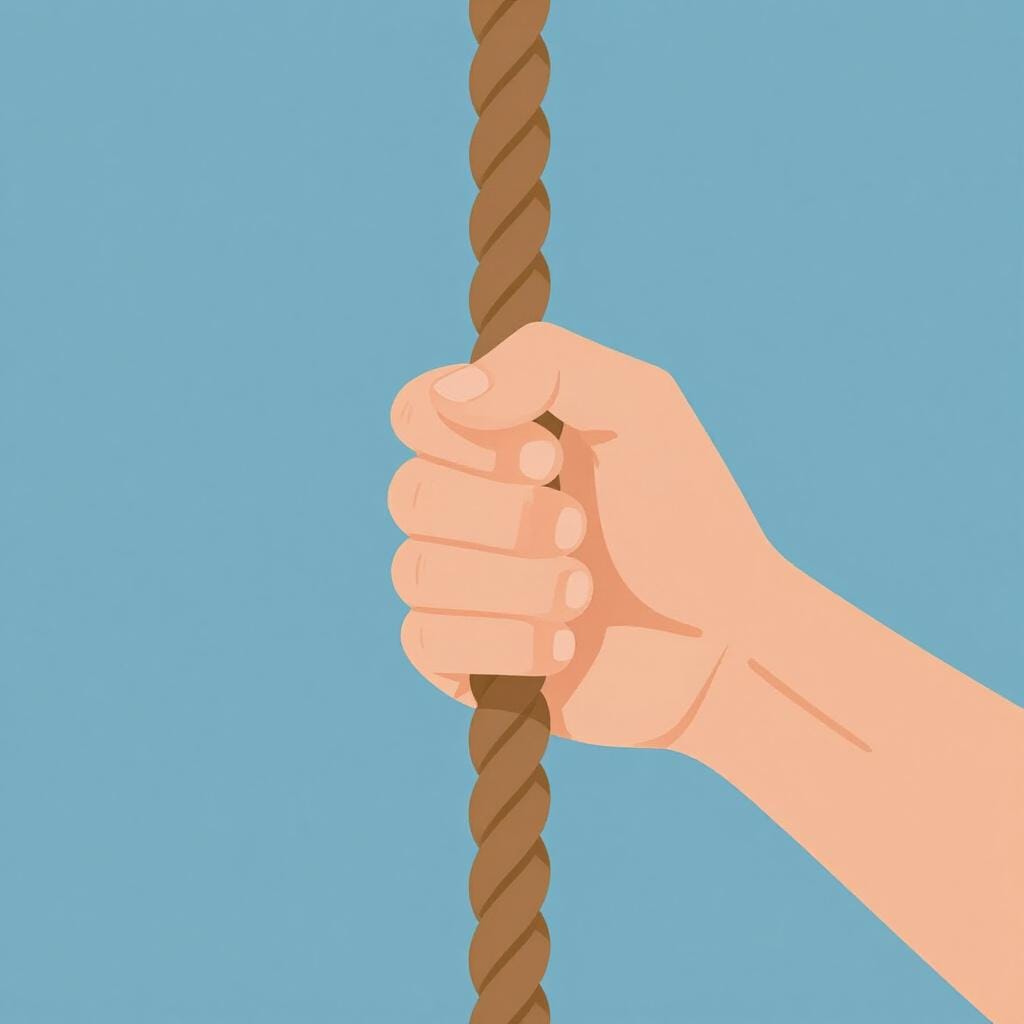
Examples
Estas zapatillas tienen un agarre excelente en el gimnasio.
These sneakers have an excellent grip in the gym.
El coche perdió el agarre en la curva mojada.
The car lost traction on the wet curve.
Asegúrate de que el agarre sea firme antes de subir.
Make sure the hold is firm before climbing up.
Using 'el' with agarre
Even though it sounds like a verb, this is a masculine noun, so always use 'el' or 'un'.
Grip vs Handle
Mistake: “Using 'agarre' for a door handle.”
Correction: Use 'pomo' or 'manilla' for door hardware; 'agarre' is the action or quality of gripping.
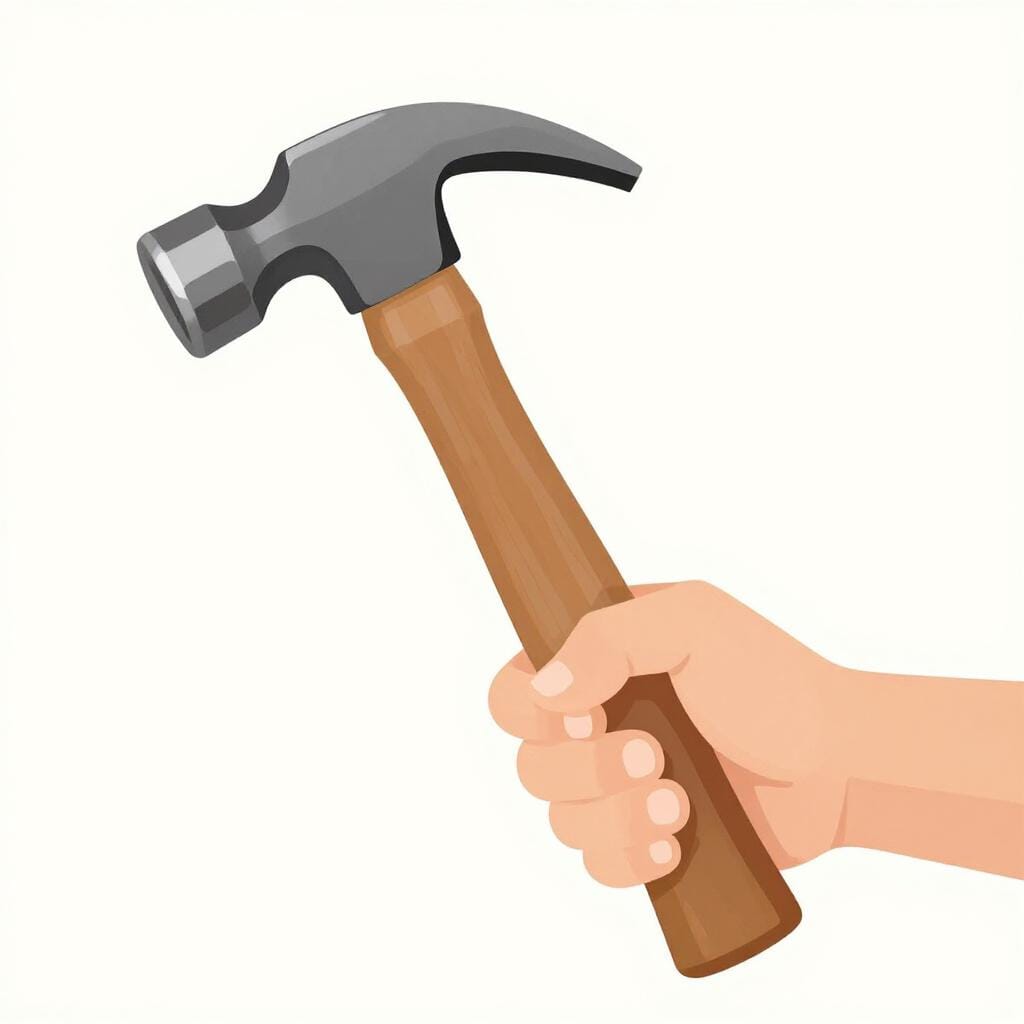
mango
mahn-gohˈmaŋɡo
Examples
Ten cuidado, el mango de la sartén quema.
Be careful, the frying pan handle is hot.
Sujeta el martillo por el mango.
Hold the hammer by the handle.
Se rompió el mango de madera del hacha.
The wooden handle of the axe broke.
Mango vs. Asa
Use 'mango' for long handles (like tools or pans) and 'asa' for curved handles (like on a coffee mug or a suitcase).
Gender remains the same
Mistake: “La manga del martillo.”
Correction: El mango del martillo. Even when referring to a tool part, it is always masculine.
puño
Examples
El presidente gobernaba con puño de hierro, sin aceptar críticas.
The president governed with an iron fist, without accepting criticism.
garras
GAH-rrahsˈɡaras
Examples
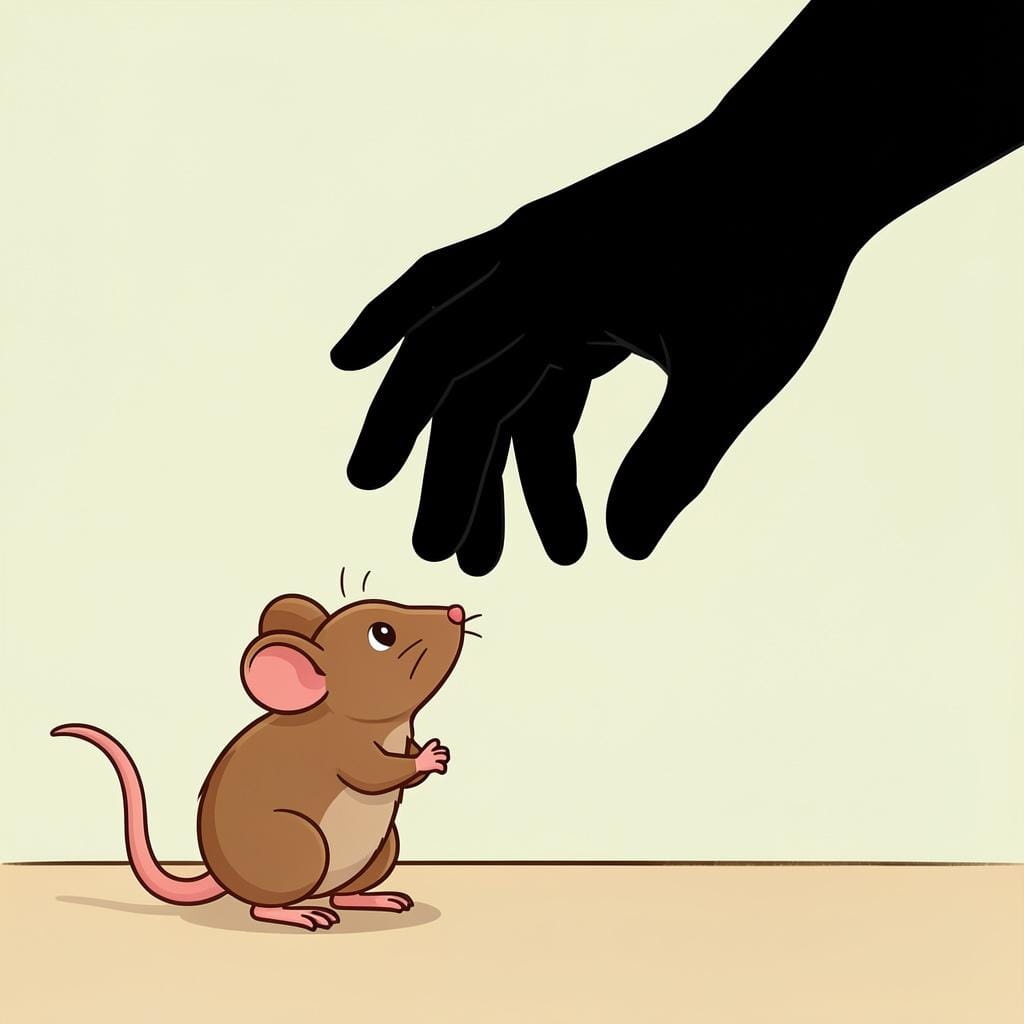
Logró escapar de las garras del enemigo.
He managed to escape from the enemy's clutches.
La ciudad está en las garras de una tormenta.
The city is in the grip of a storm.
Physical Hold vs. Handle
Learn Spanish with Inklingo
Interactive stories, personalized learning, and more.