How to Say "clothes" in Spanish
The most common Spanish word for “clothes” is “ropa” — use 'ropa' as the general, everyday term for clothing that you wear on your body.
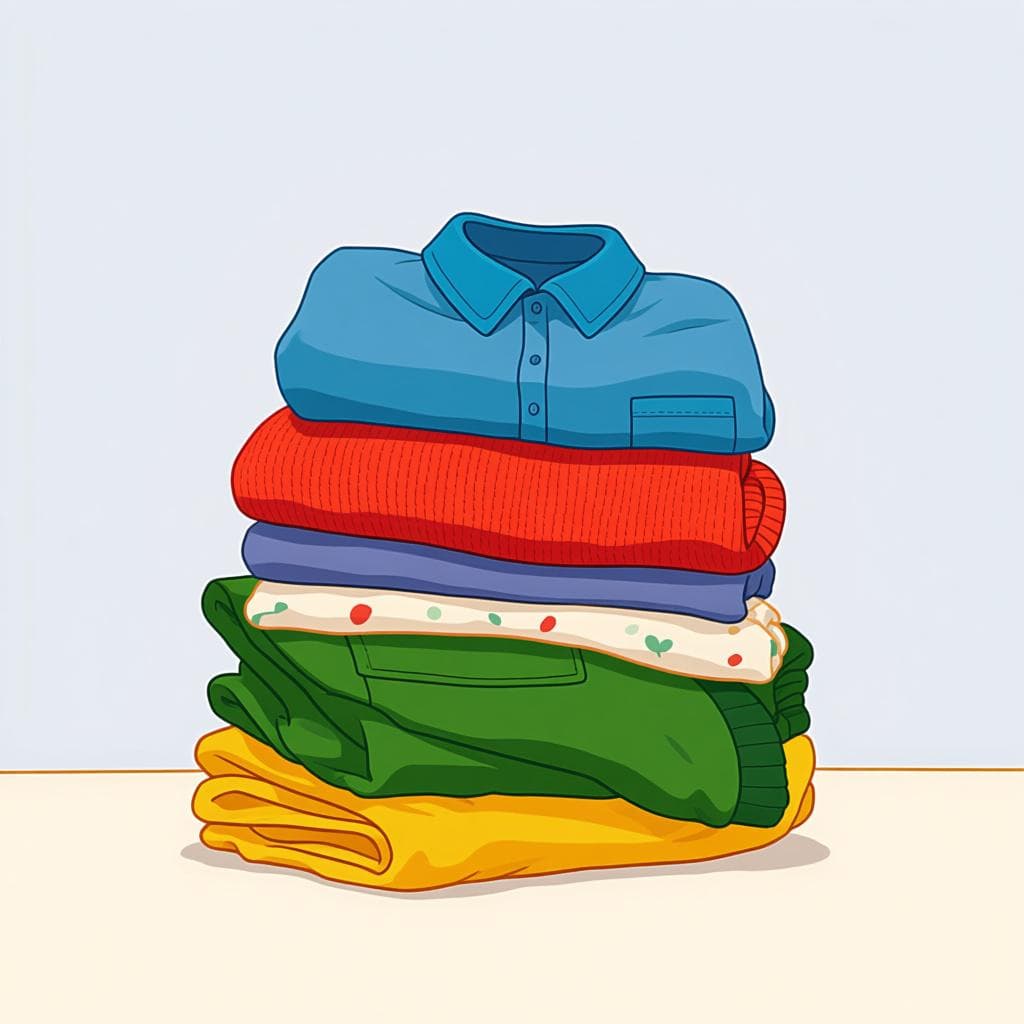

ropa
ROH-pah'ro.pa
Examples
Necesito comprar ropa nueva.
I need to buy new clothes.
Puse toda la ropa sucia en la lavadora.
I put all the dirty laundry in the washing machine.
Esta tienda vende ropa de hombre y de mujer.
This store sells men's and women's clothing.
Always Singular for 'Clothes'
In Spanish, 'ropa' is a special type of noun that means a group of things. Even when you're talking about many shirts, pants, and socks, you almost always use the singular form 'la ropa'. Think of it like 'furniture' or 'information' in English; you wouldn't say 'furnitures'.
Using 'Ropas' for 'Clothes'
Mistake: “Tengo muchas ropas nuevas.”
Correction: Tengo mucha ropa nueva. The plural 'ropas' is very rare and only used to talk about different *types* of clothing collections (like 'ropa de invierno' and 'ropa de verano' are two different 'ropas'). For everyday use, 99% of the time, you should stick with singular 'ropa'.
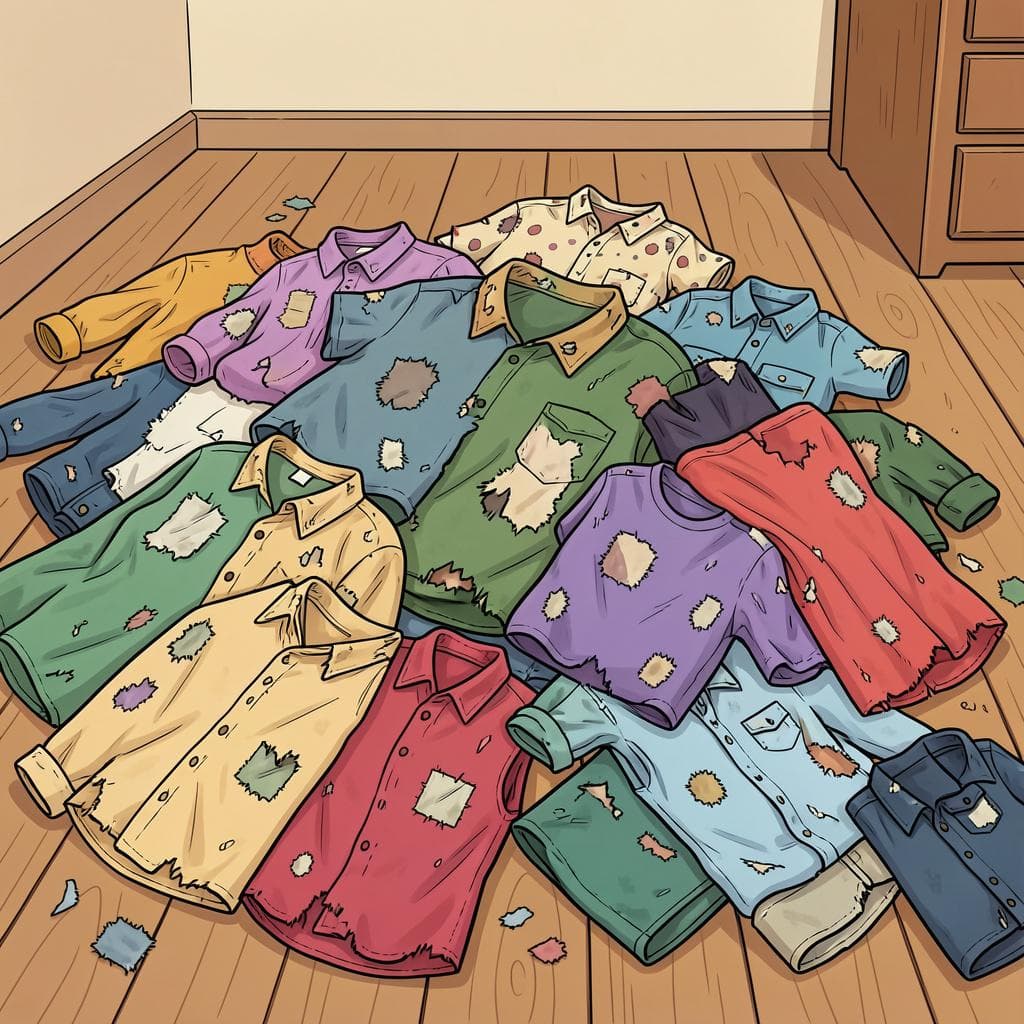
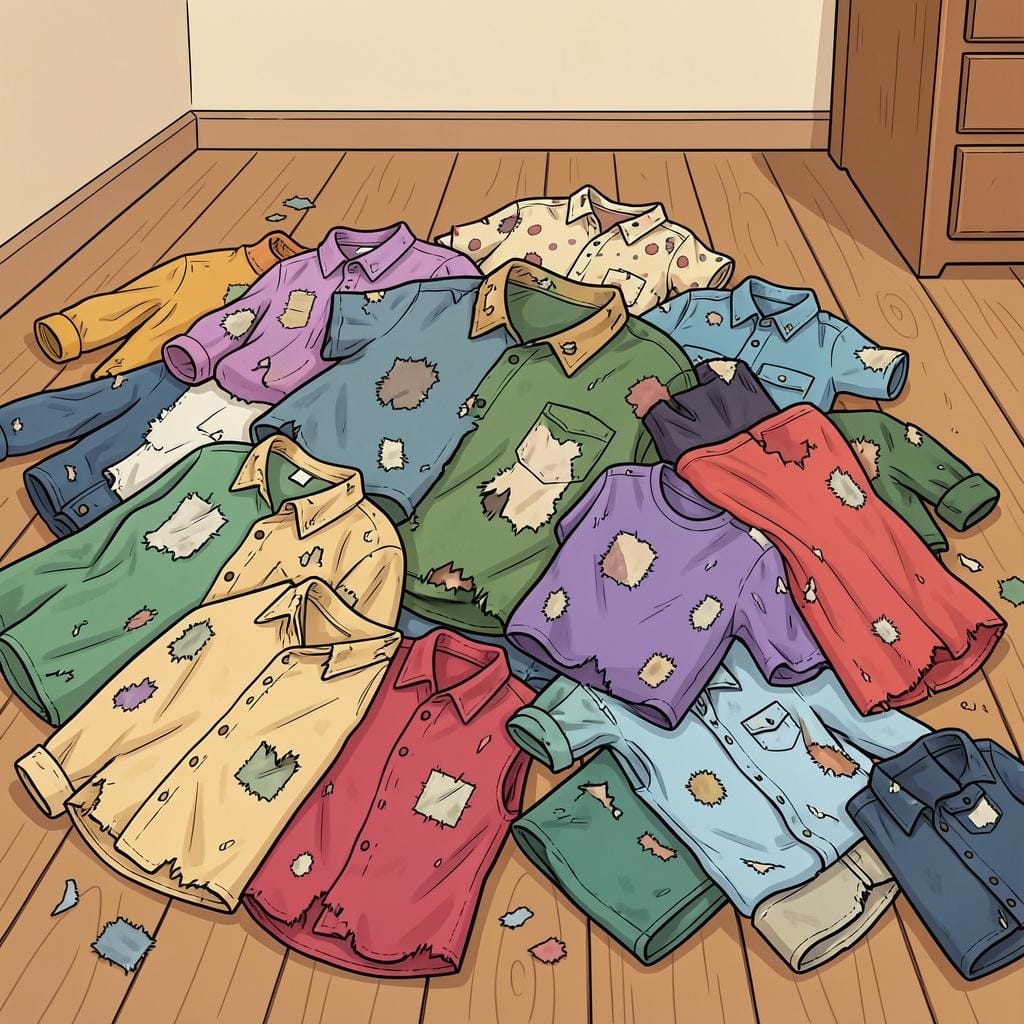
garras
GAH-rrahsˈɡaras
Examples
Ponte tus mejores garras para la fiesta.
Put on your best clothes for the party.
trapo
TRAH-pohˈtɾapo

Examples
Le encanta gastarse el sueldo en trapos.
She loves spending her salary on clothes.
No tengo ningún trapo que ponerme para la fiesta.
I don't have a single thing to wear to the party.
Ese trapo que llevas es muy moderno.
That piece of clothing you're wearing is very trendy.
Plural for Variety
When referring to clothes in general, we almost always use the plural form 'trapos'.
Ropa vs. Trapo/Garras
Learn Spanish with Inklingo
Interactive stories, personalized learning, and more.